Stone Tile
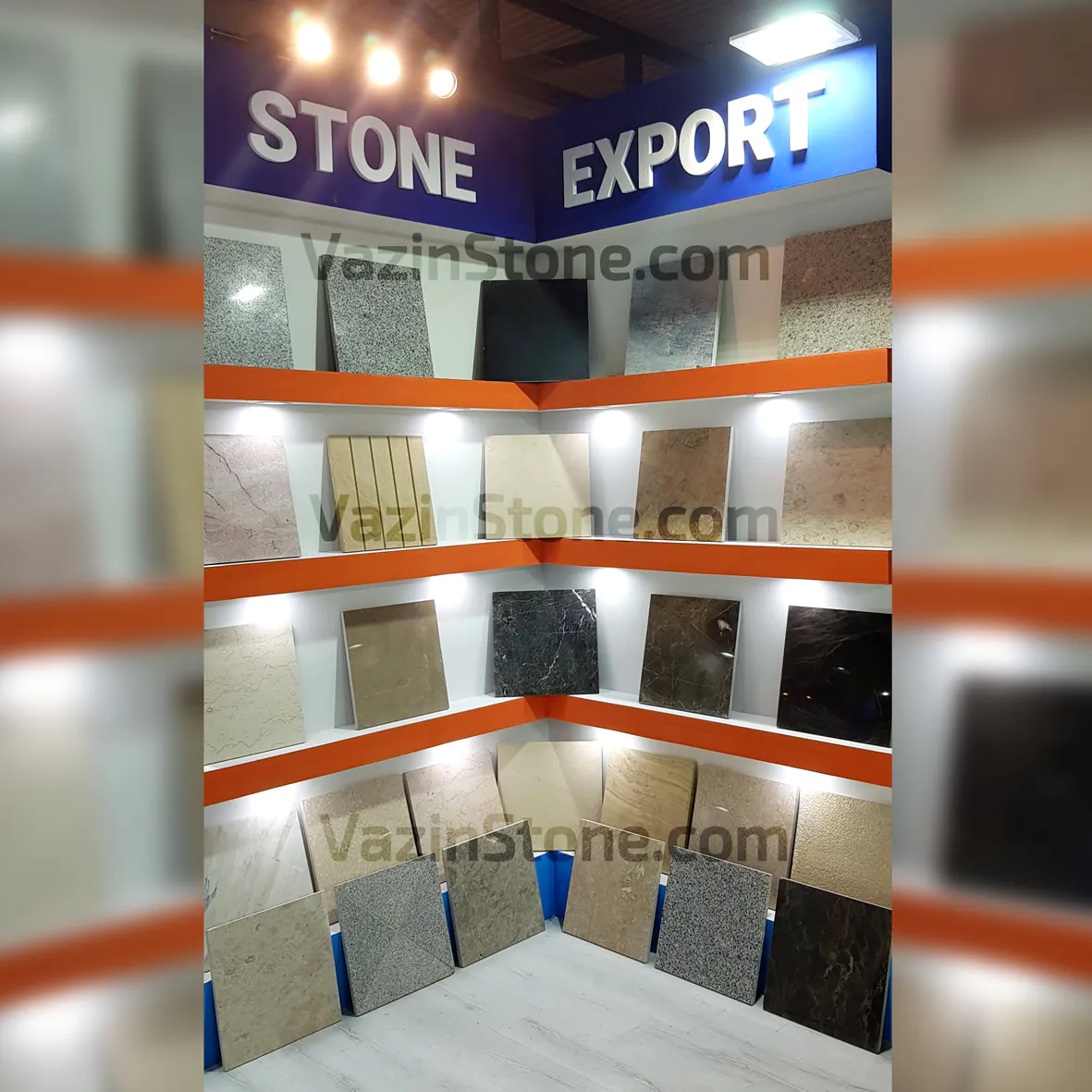
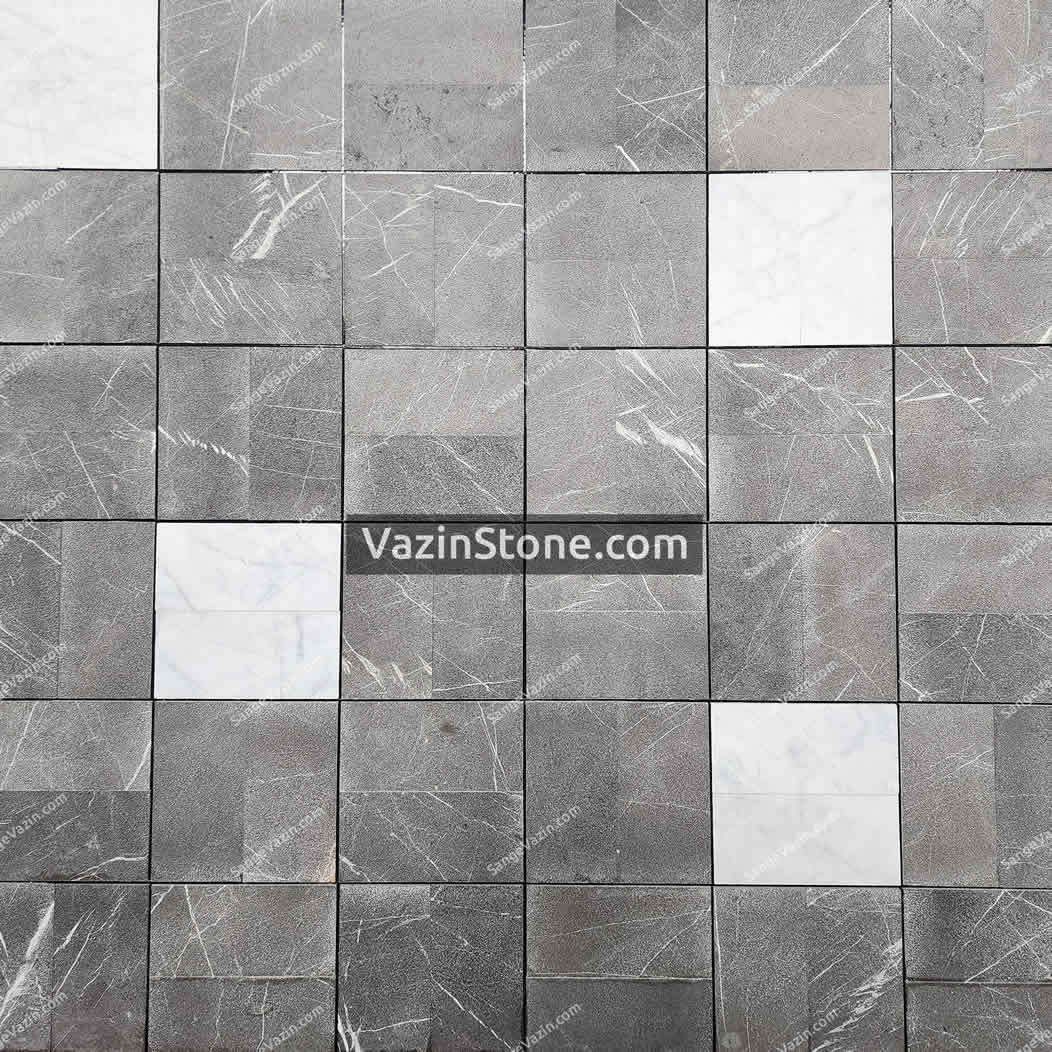
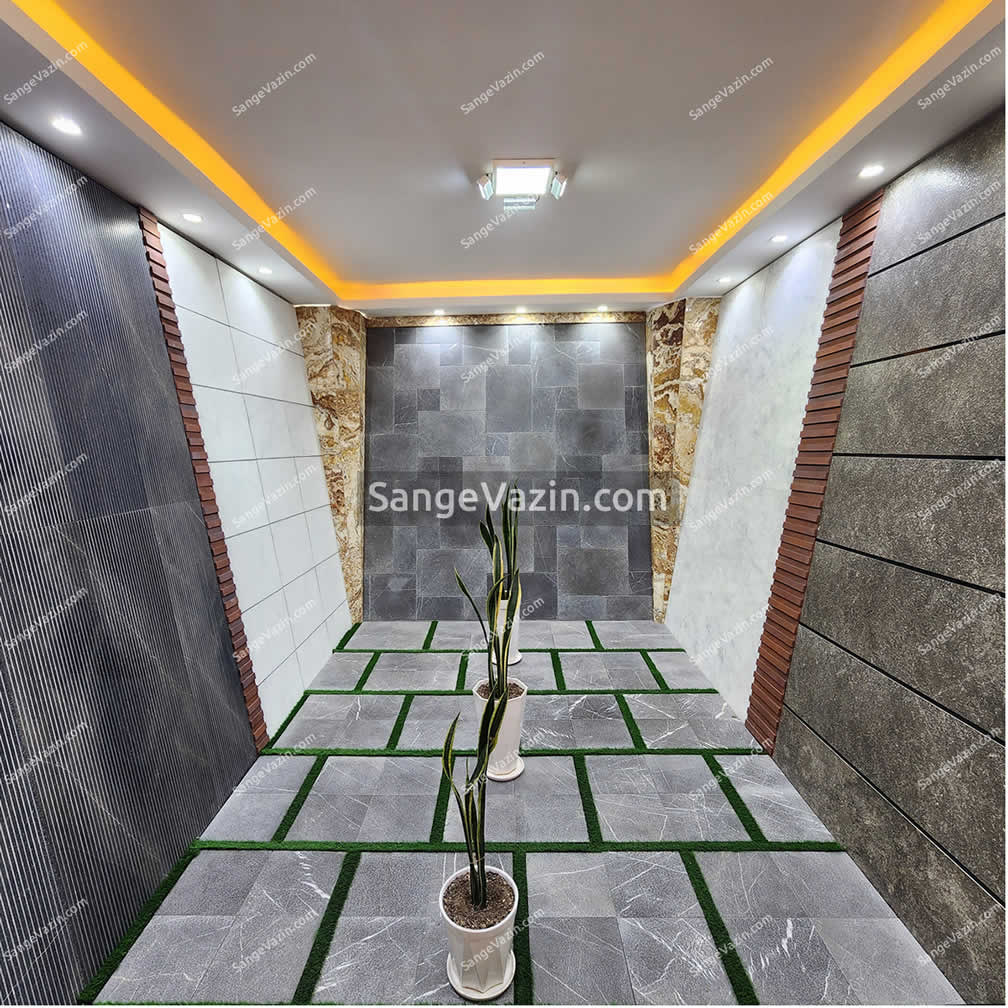
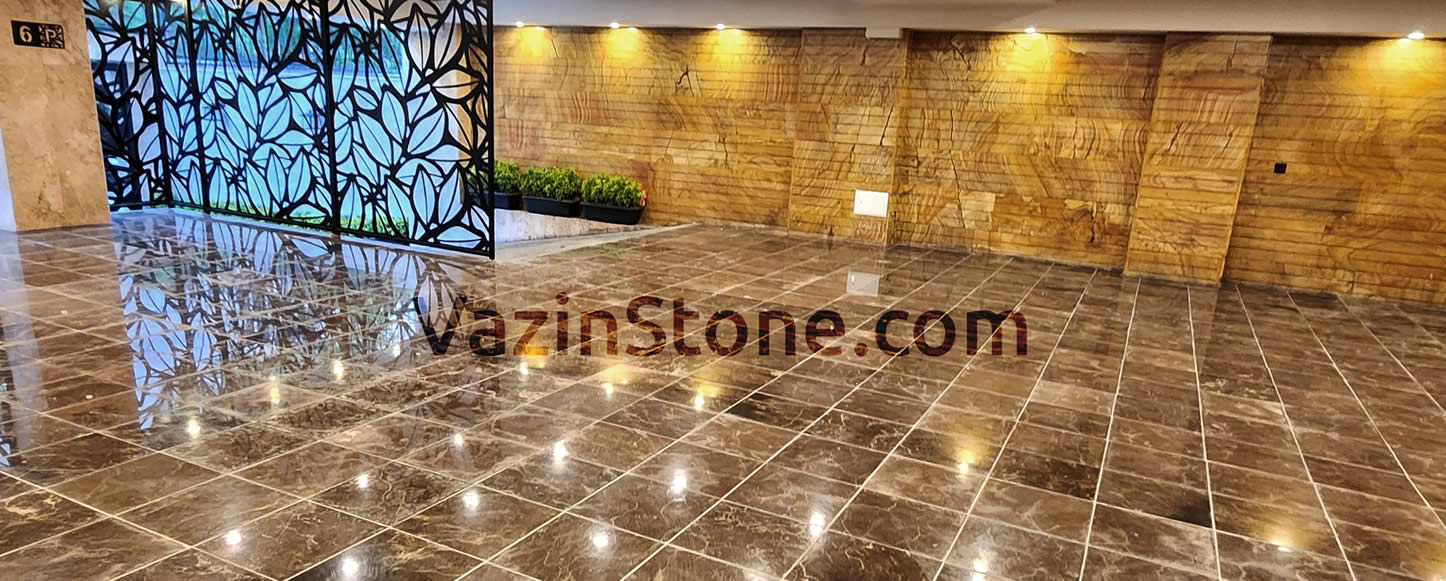
Tile stone refers to natural stones that are processed and cut into standard-sized square or rectangular pieces for use in flooring, walls, stairs, and building facades. This type of cutting is one of the most common methods of supplying building stone due to its ease of transportation, simple installation, reduced material waste, and the ability to replace individual pieces. Tile stone is available in various types, including marble, travertine, granite, onyx, and crystal marble stone, and depending on the type of stone, thickness, dimensions, and finishing, it can be used in both interior and exterior spaces of a building.
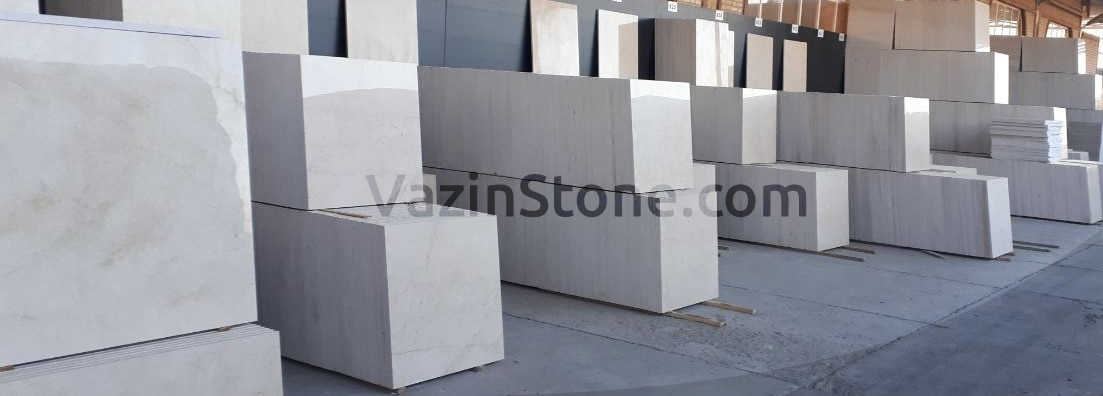
Types of Stone Tile by Material
Travertine Stone Tile
Travertine stone tile is one of the most widely used types of building stone and is formed from the deposits of hot springs. Its natural porosity, good adhesion to mortar, and variety of colors make it one of the best options for building facades as well as interior and exterior flooring. Travertine tiles offer easier installation and lower transportation and installation costs compared with slabs.
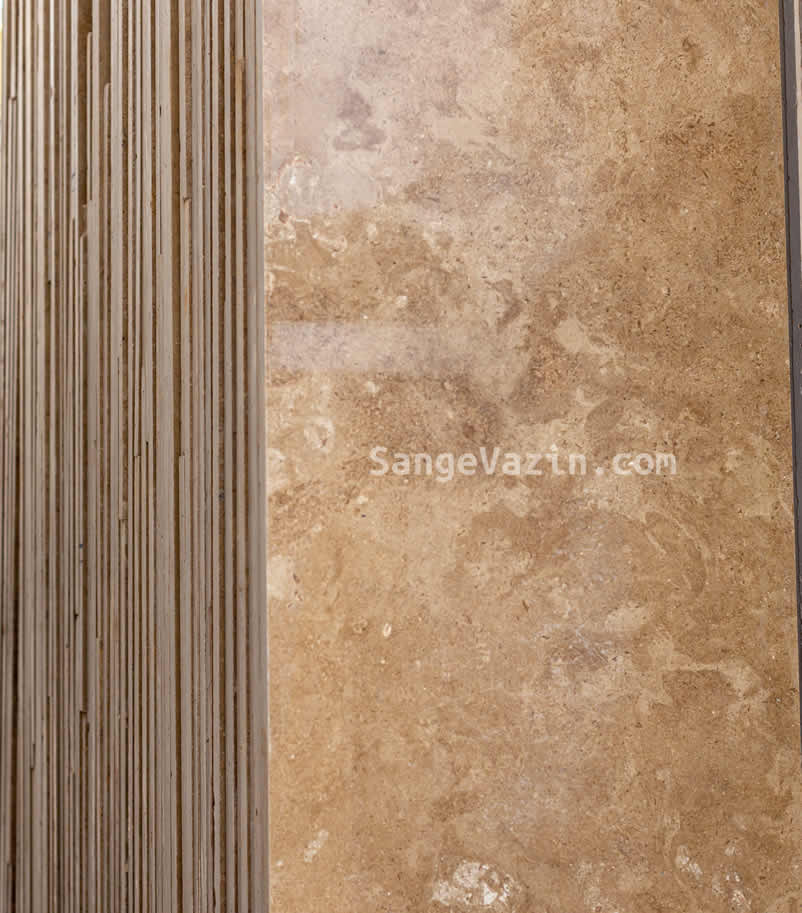
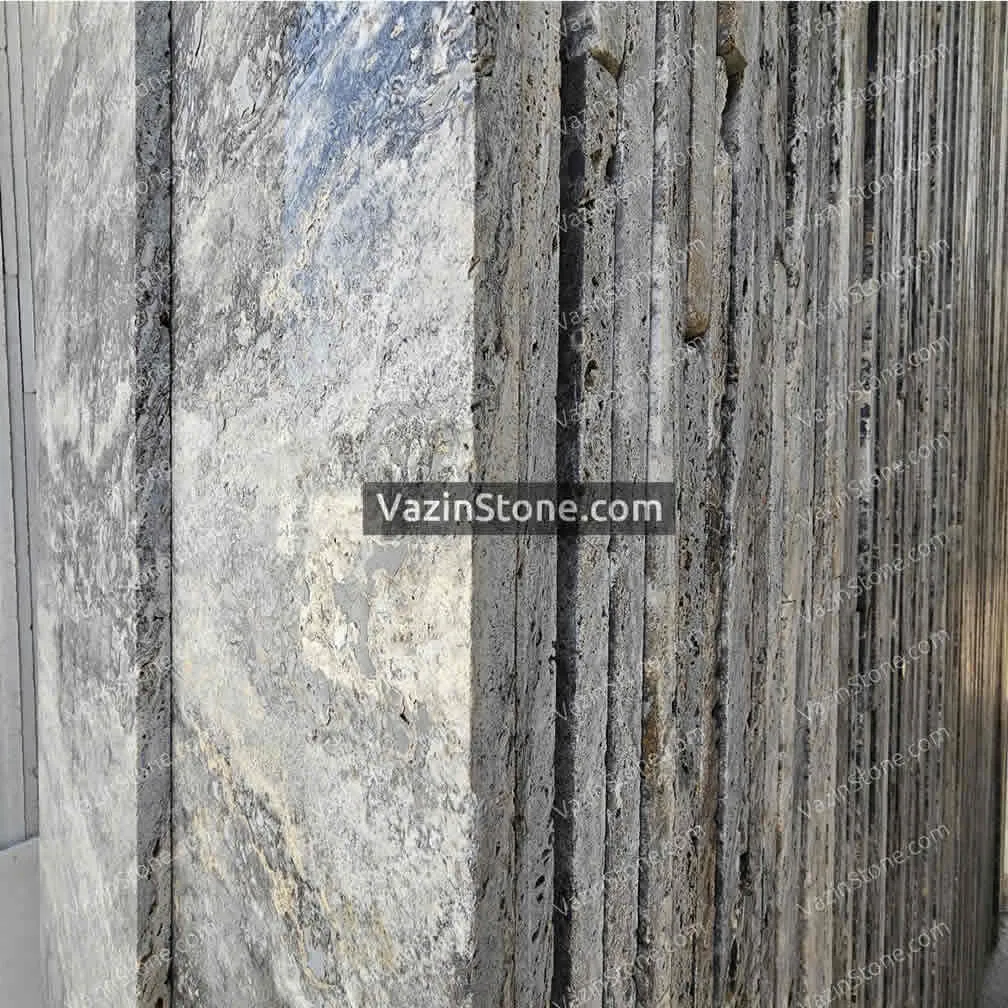
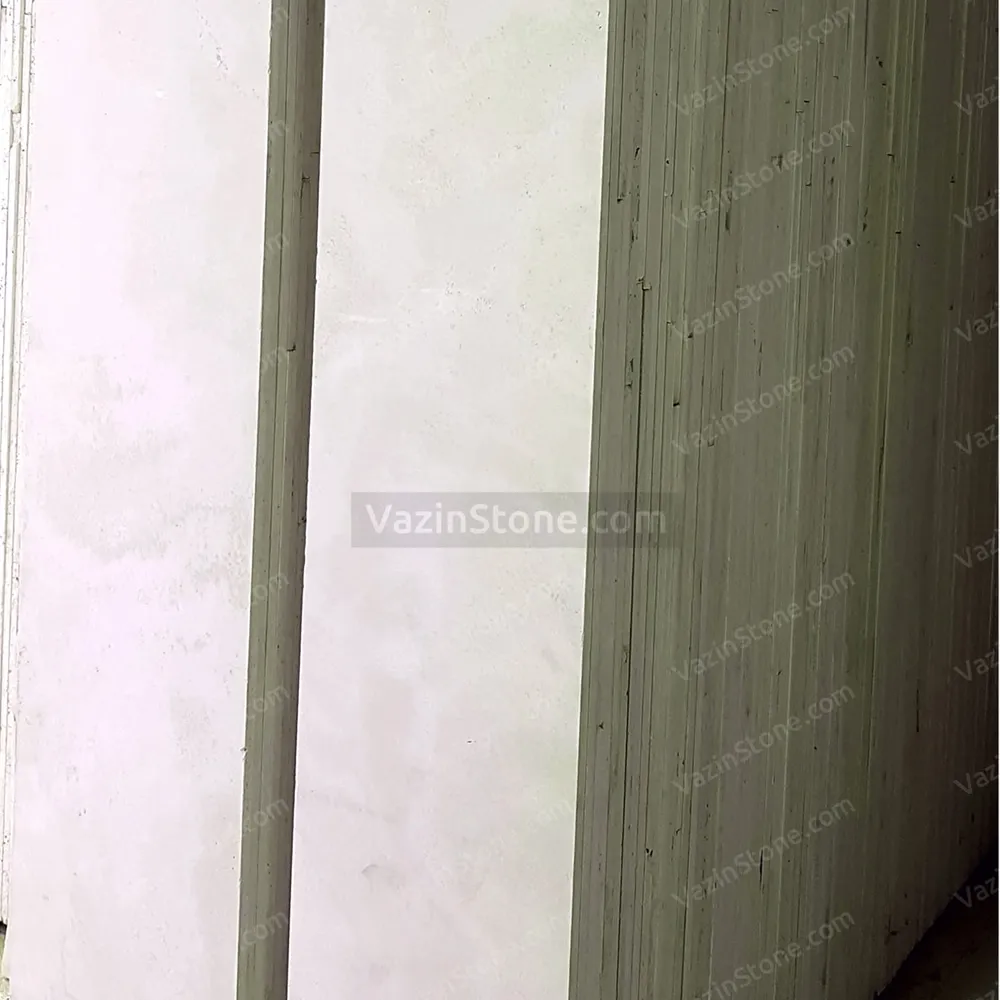
Features of Travertine Stone Tile
- High adhesion to mortar due to its natural porosity
- A wide range of colors, from cream and white travertine to chocolate, red, and lemon
- Good resistance to weather conditions
- Available in various finishes, including polished, leathered, honed, and bush-hammered
- Moderate weight compared to many building stones
Applications Of Travertine Stone Tile
- Building facade
- Stone flooring for indoor and semi-open spaces
- Interior and exterior stone wall
- Staircases and landings
- Landscaping and villa areas
-
 Abbas Abad White TravertinePrice range: $36 through $63
 -
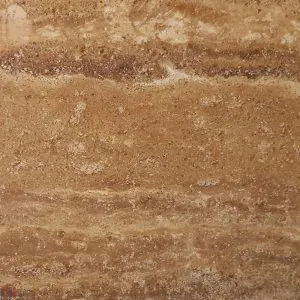 Chocolate TravertinePrice range: $9 through $13
 -
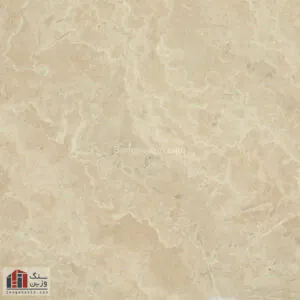 Abegarm Travertine StonePrice range: $9 through $16
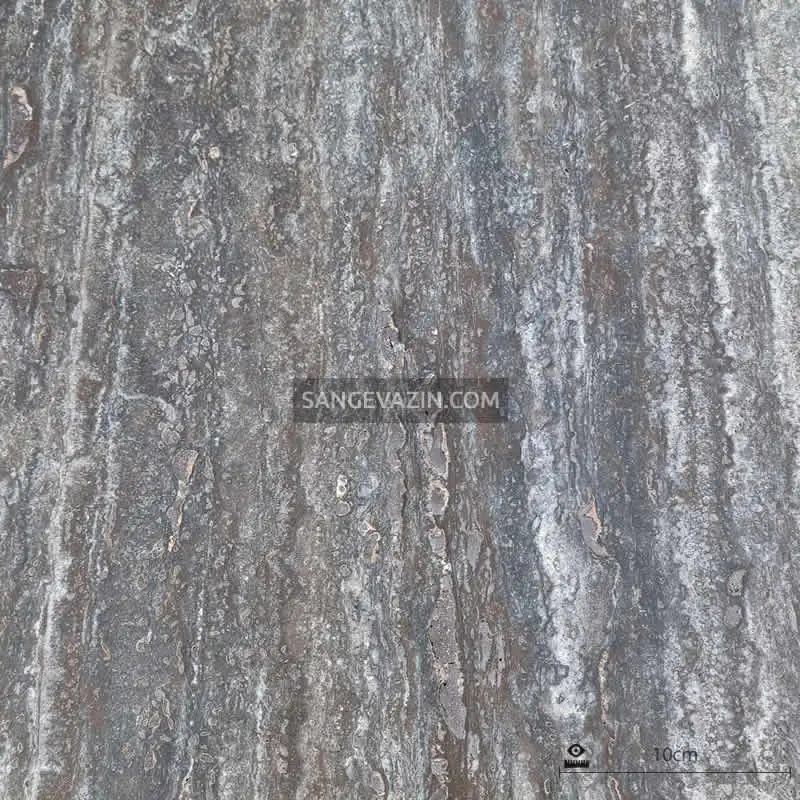
Marble Stone Tile
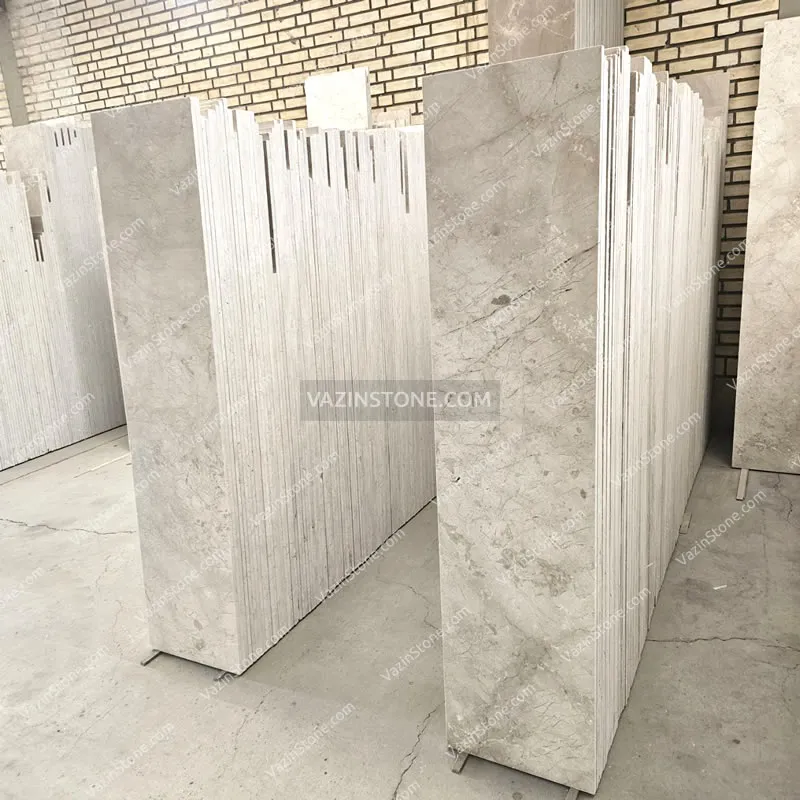
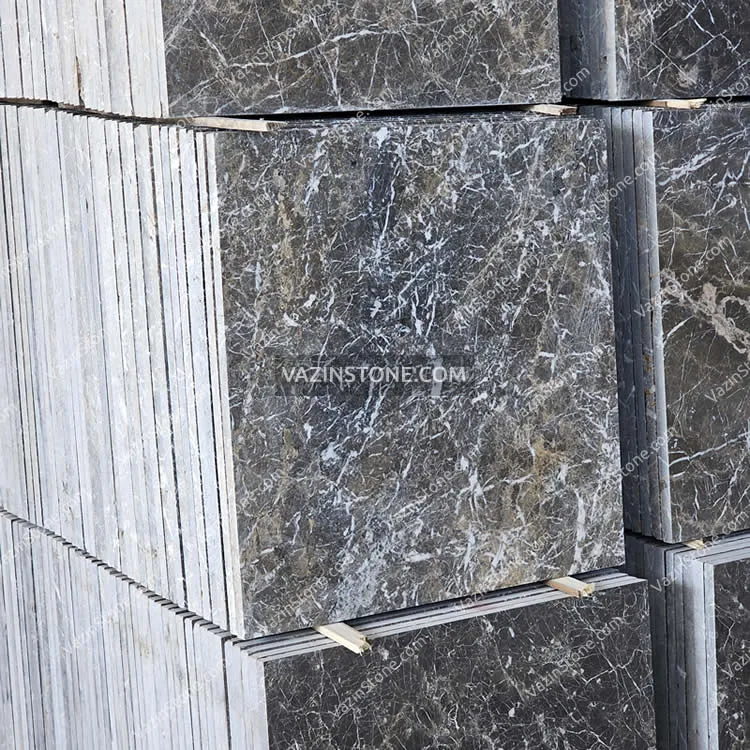
Marble stone tile is one of the most popular choices for interior design, thanks to its polished surface, diverse range of colors, and natural patterns. It adds a luxurious touch to any space and is primarily used for interior flooring, walls, and staircases. Marble is not recommended for exterior building facades, as it offers lower resistance to weather conditions compared to travertine.
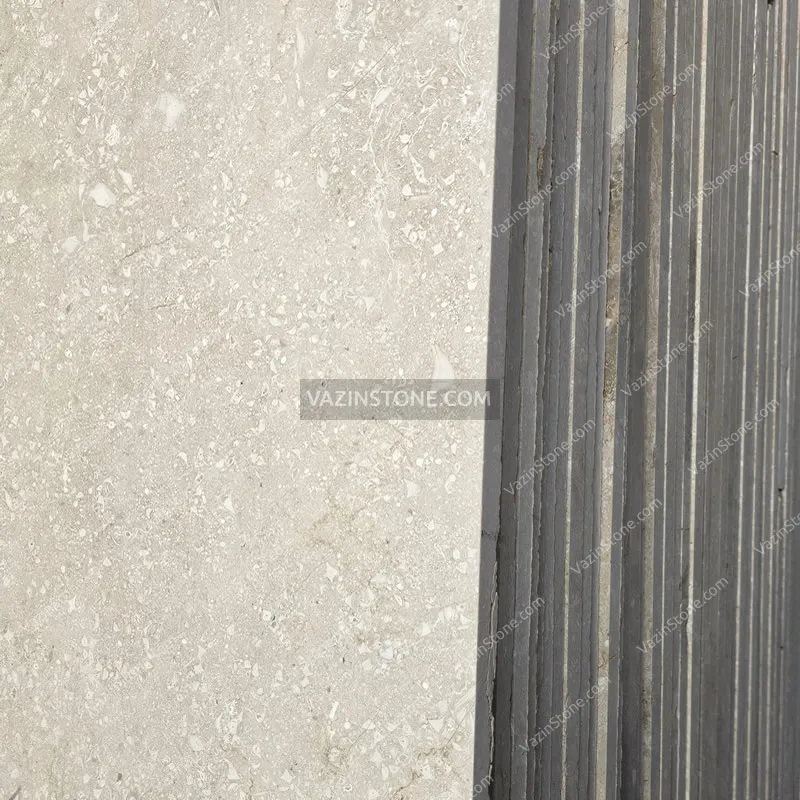
Features Of Marble Stone Tile
- A polished surface with excellent polishability
- A wide variety of colors and patterns
- Dense texture and a relatively uniform surface
- Competitive pricing compared to many luxurious stones
- An ideal choice for interior spaces
Applications Of Marble Stone Tile
- Residential unit flooring
- Lobby and hallway stone
- Internal wall stone
- Stairs and landings
- Office and commercial spaces
-
 Pietra Grey MarblePrice range: $18 through $48
 -
 Golden Black MarblePrice range: $10 through $43
 -
 Crema Marfil MarblePrice range: $22 through $48
Granite Stone Tile
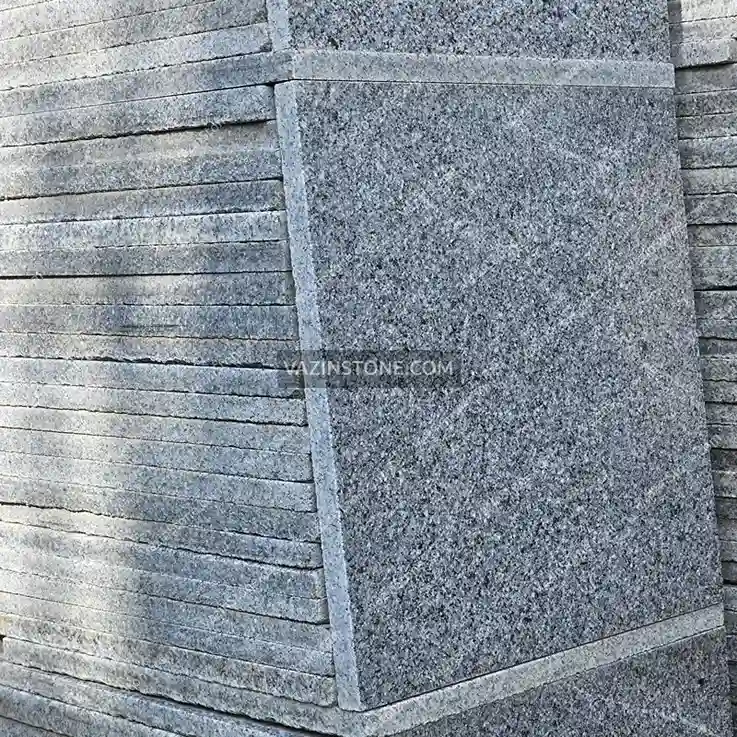
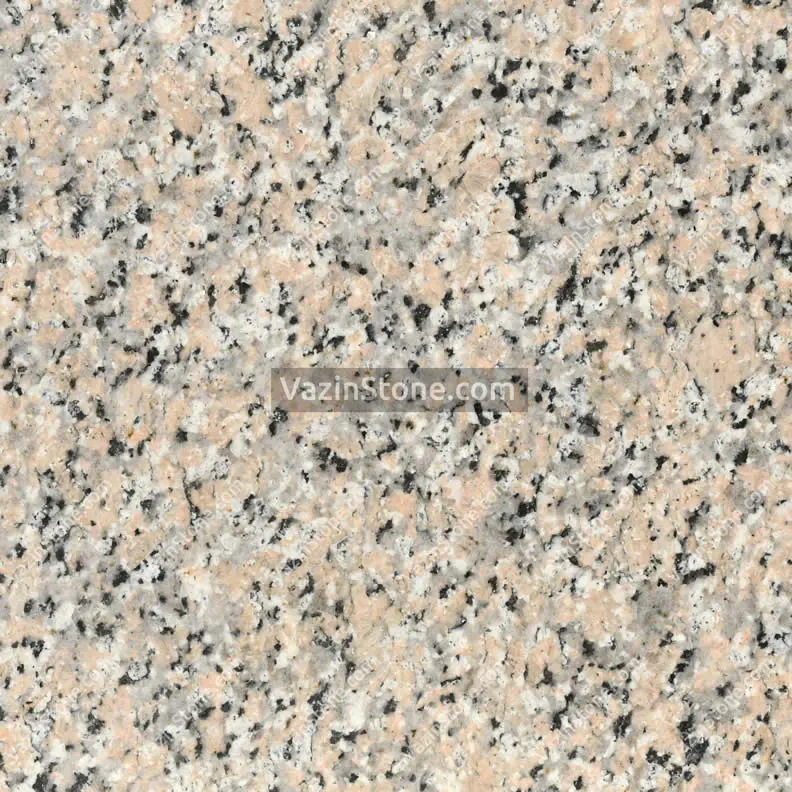
Granite Stone Tile is considered one of the most durable building stones and, thanks to its high hardness, low water absorption, and excellent abrasion resistance, is an ideal choice for high-traffic areas. Granite is available in a wide range of colors, and its exceptional durability has made it widely used in residential, commercial, and industrial projects.

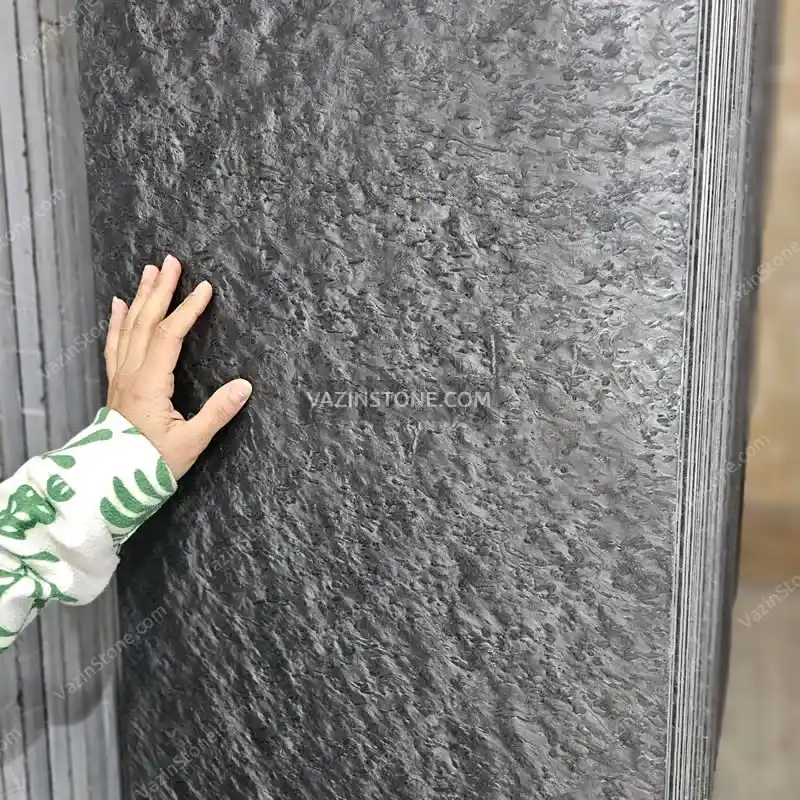
Features Of Granite Stone Tile
- Exceptional resistance to abrasion and impact
- Low water absorption
- High resistance to chemical substances
- Suitable for high-traffic areas
- Color variety ranging from black and gray to red and green
Applications Of Granite Tile Stone
- Parking floor stone
- Commercial center flooring
- Hospitals and public buildings
- Staircase stone
- Building facades and surrounding areas
-
 Tuyserkan Black GranitePrice range: $65 through $98
 -
 Best Natanz White GranitePrice range: $10 through $21
 -
 Natanz Black Granite StonePrice range: $29 through $85
Crystal Marble Stone Tile
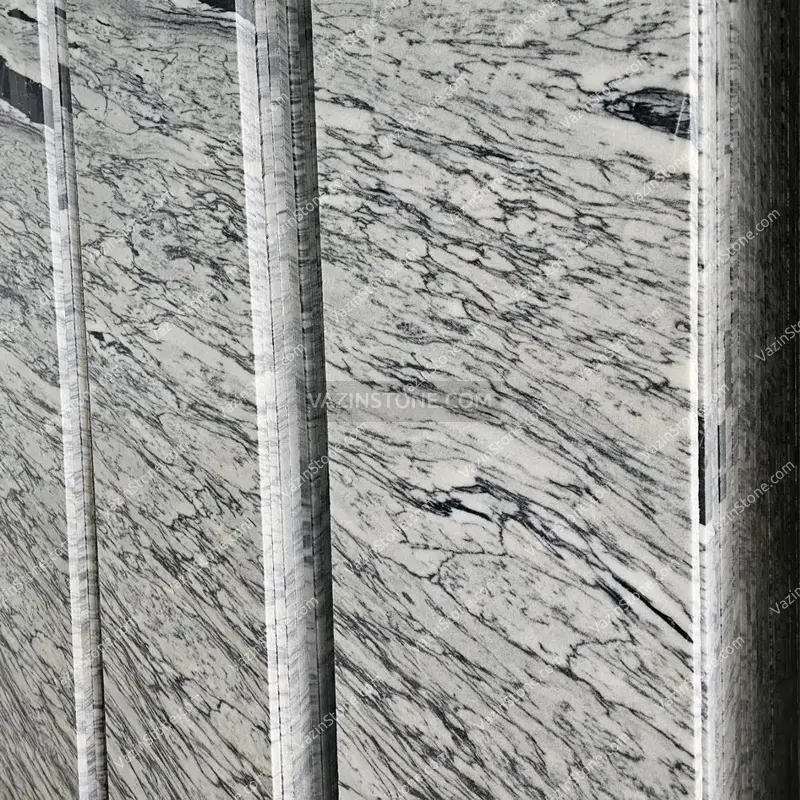
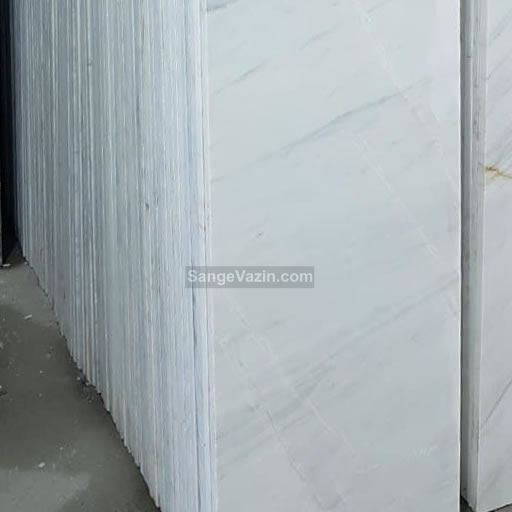
Crystal Marble Stone Tile is a metamorphic stone with a light-colored background and crystalline texture. Its very low water absorption and excellent strength have contributed to its growing popularity in recent years. With its modern appearance, light color, and excellent polishability, crystal marble stone is an ideal choice for luxury projects.

Features of Crystal Marble Stone Tile
- Low water absorption
- White and light tones with natural veining
- Good resistance to moisture
- Polished surface
- High durability in both interior and exterior applications
Applications Of Crystal Marble Stone Tile
- Building floor stone
- Interior stone wall
- Building facade
- Bathroom stone
- Lobbies and luxury spaces
-
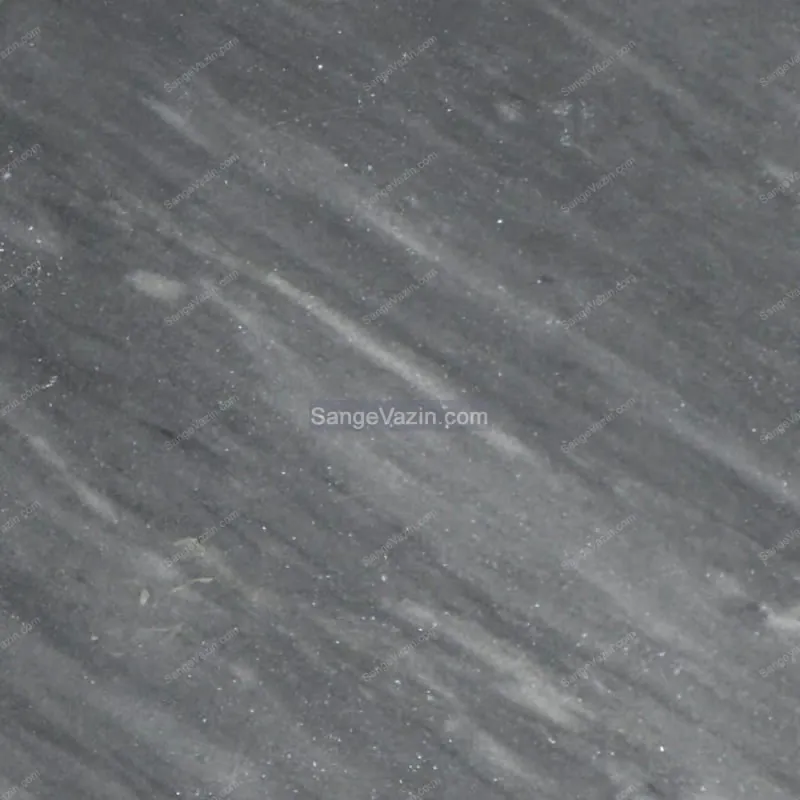 Laybid Crystal Marble stonePrice range: $14 through $29
 -
 Aligudarz Crystal MarblePrice range: $37 through $72
 -
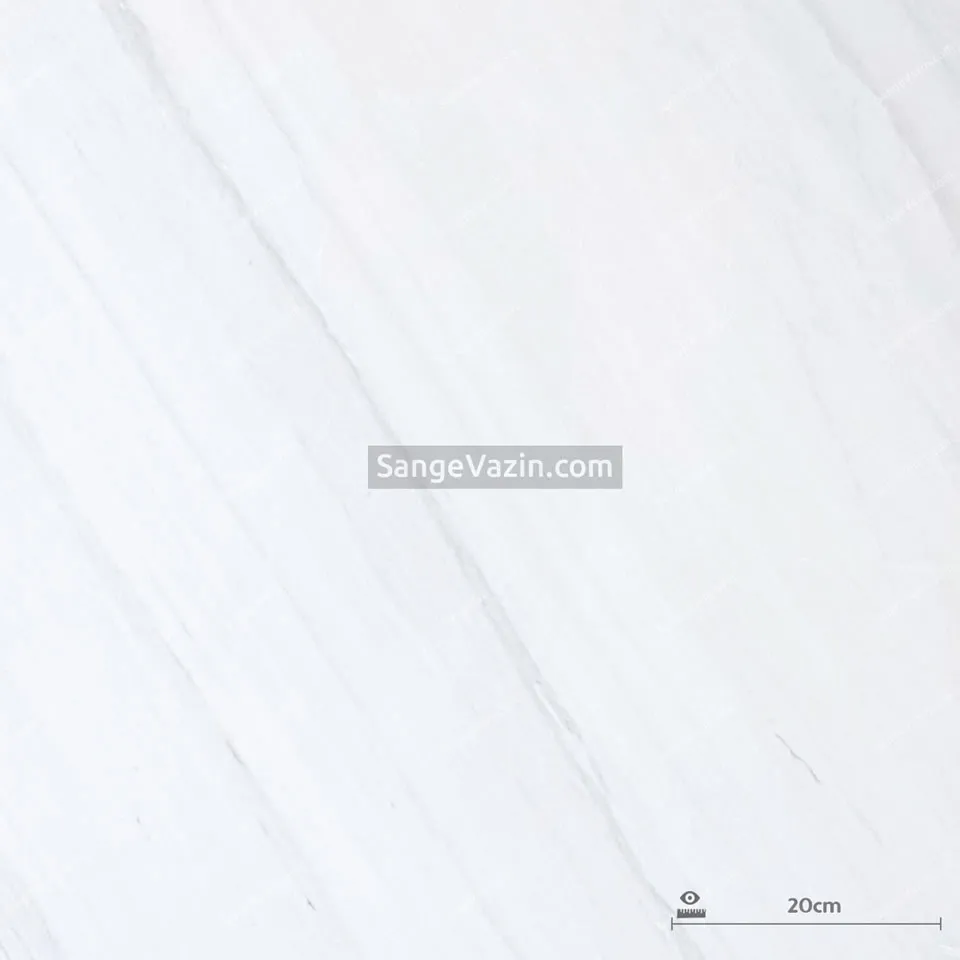 Azna Crystal White MarblePrice range: $25 through $89
Onyx Stone Tile
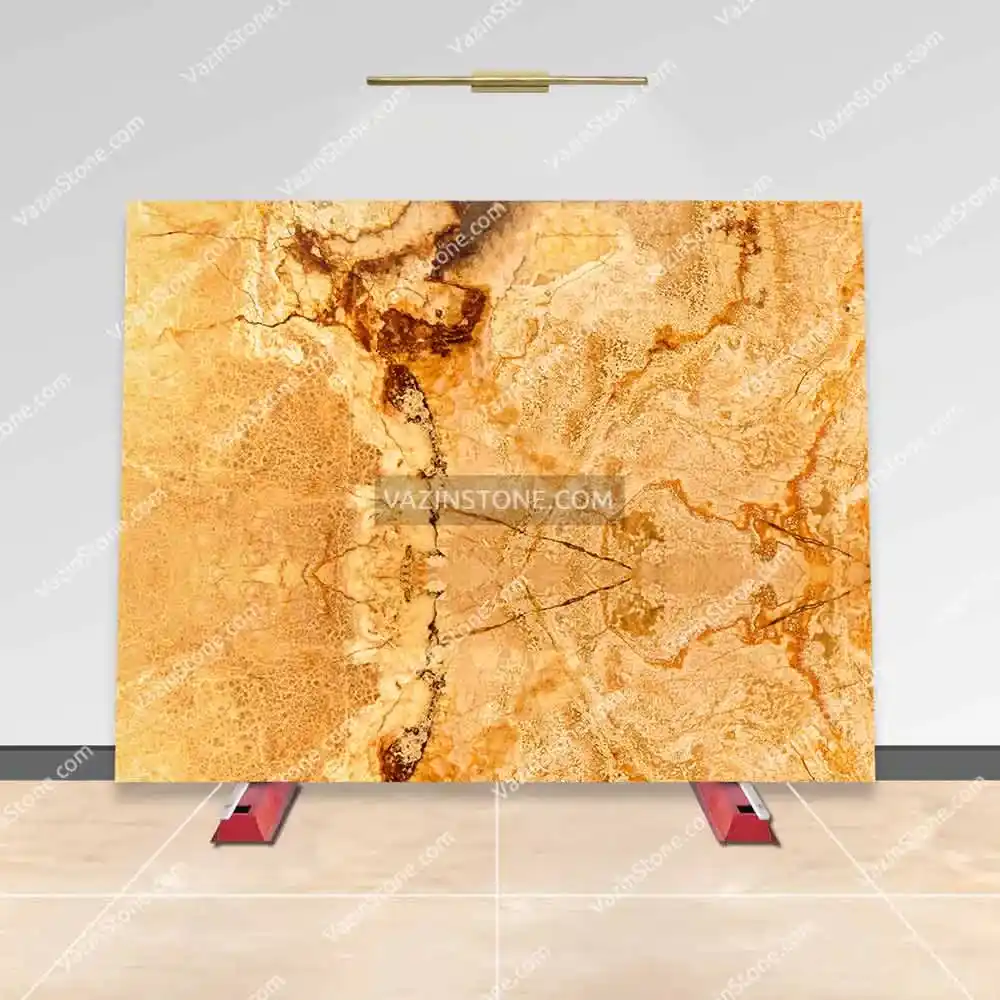
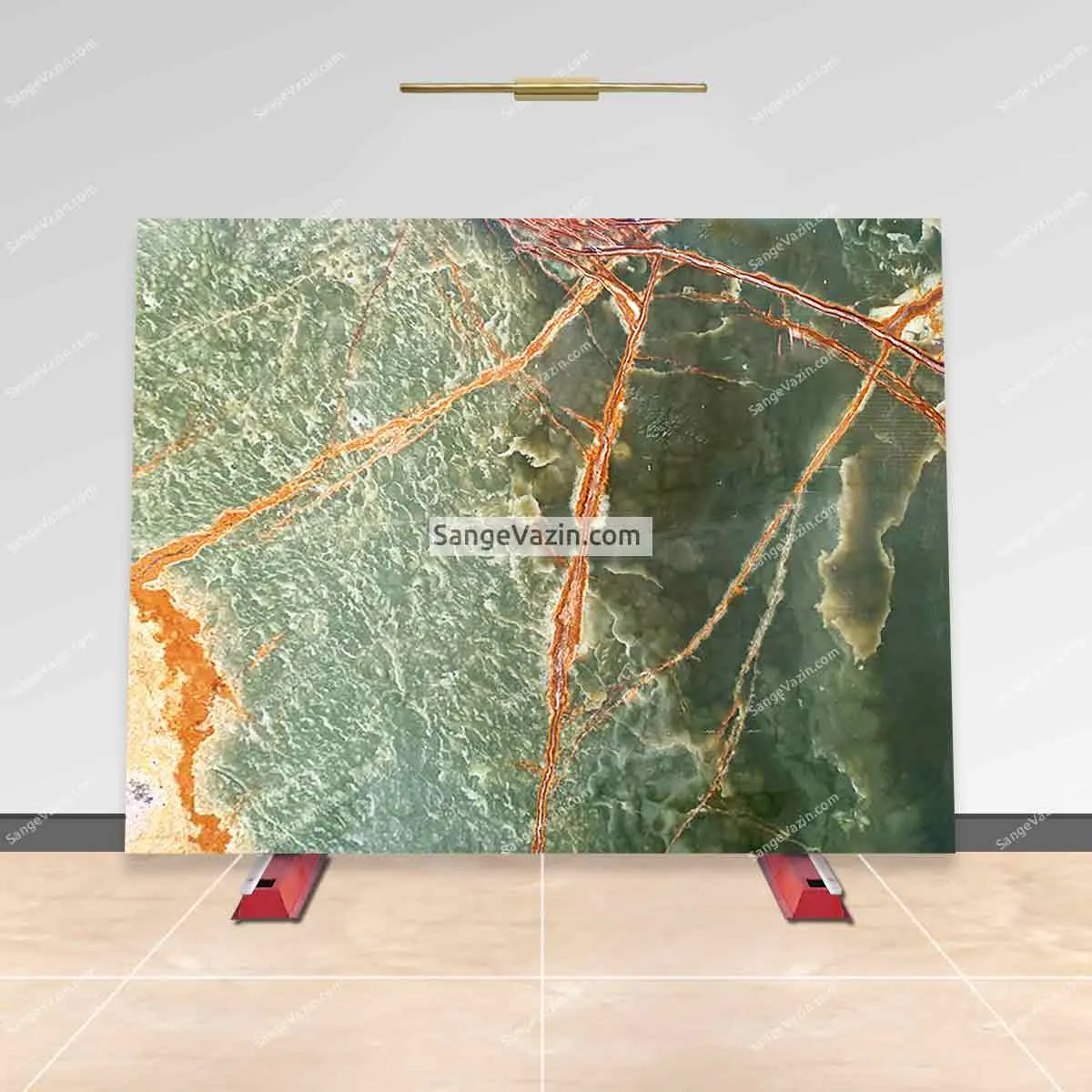
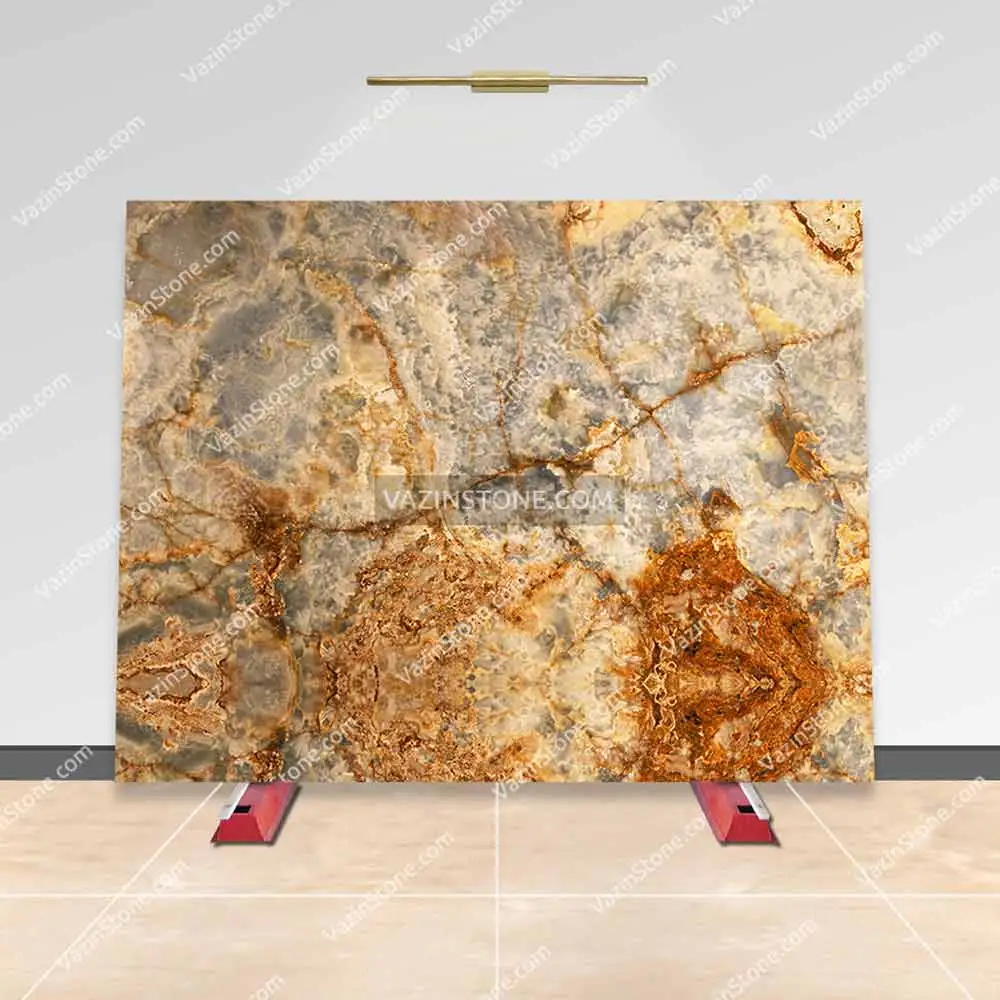
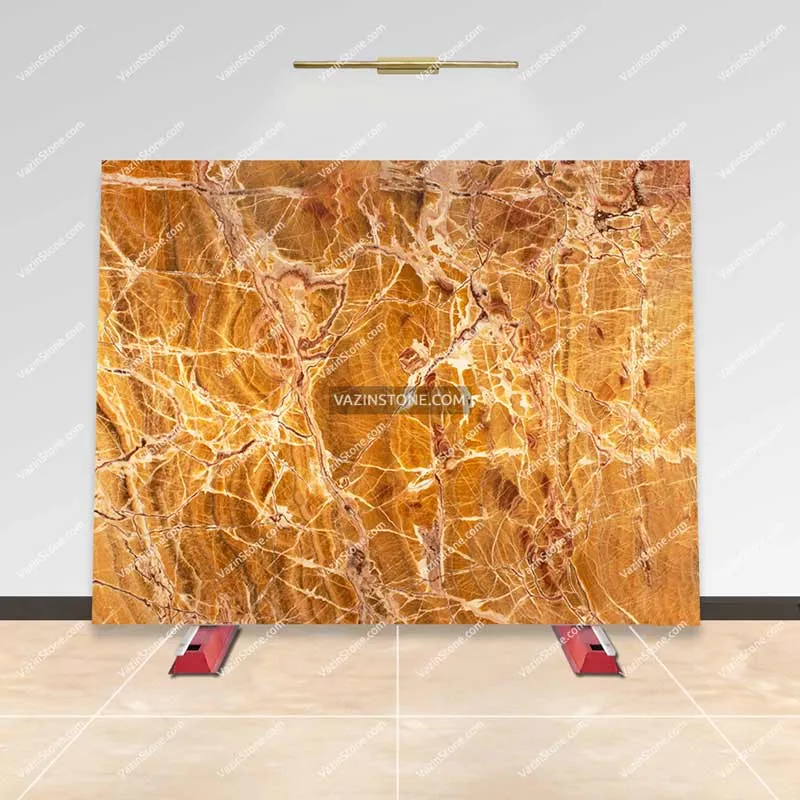
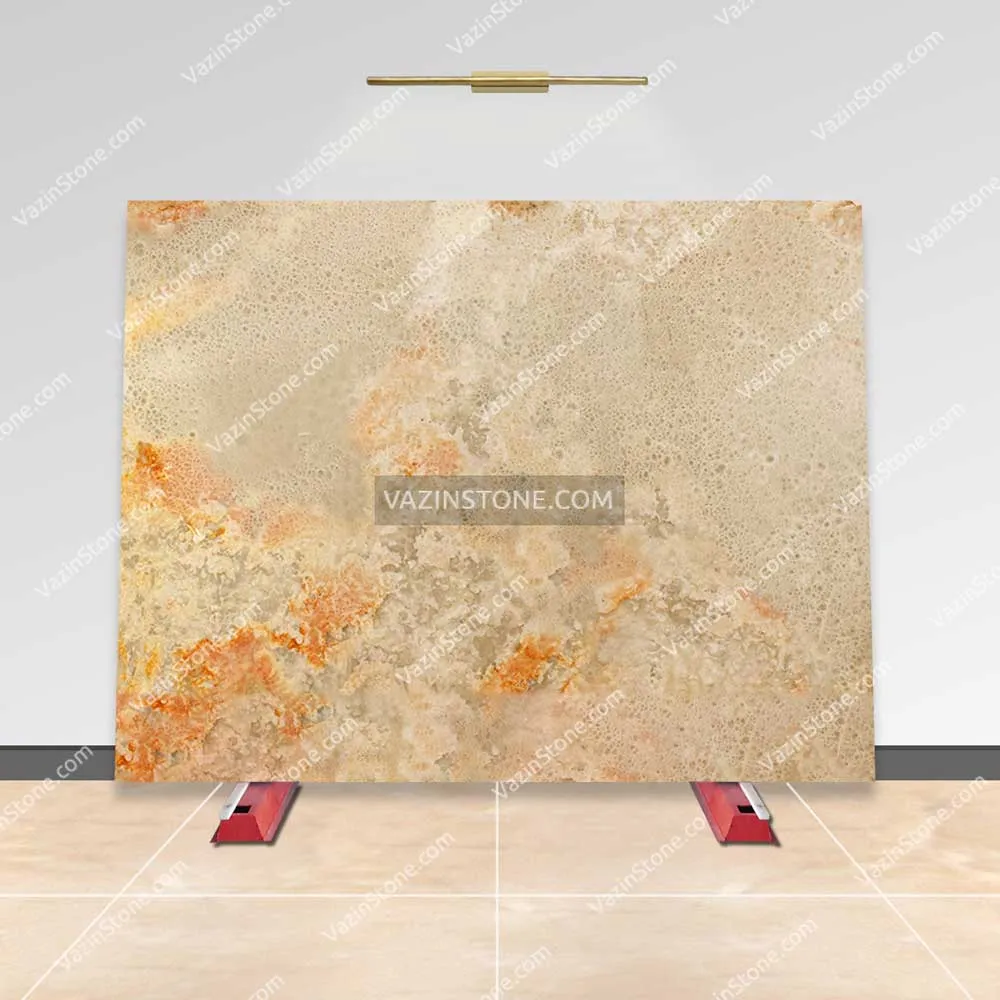
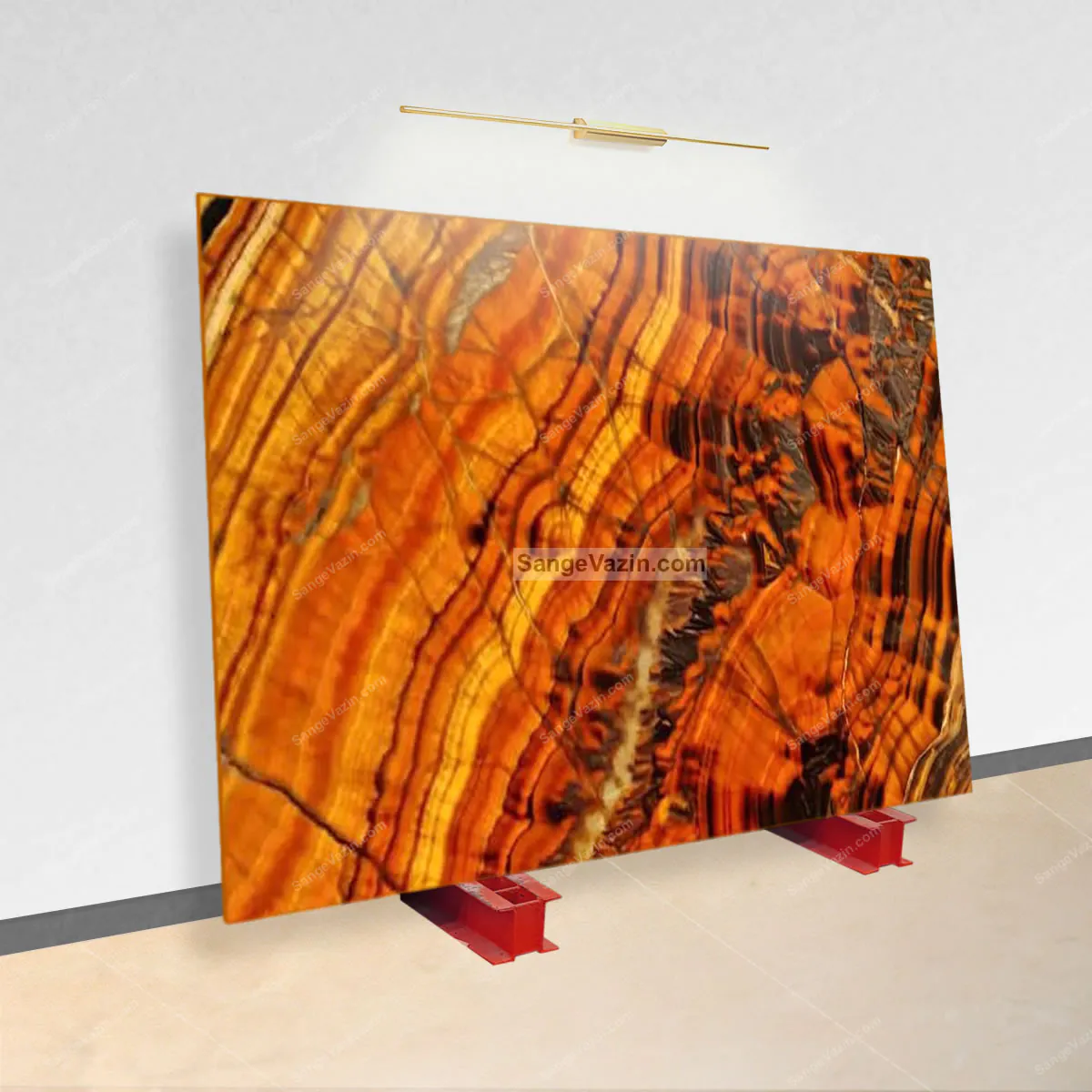
Onyx tile is one of the most luxurious natural stones, distinguished primarily by its ability to transmit light through its natural structure. Combined with its distinctive colors and unique patterns, this characteristic makes Onyx an exceptional choice for luxury projects and sophisticated interior design. Due to its high value, Onyx is typically reserved for prominent and feature areas of a building.
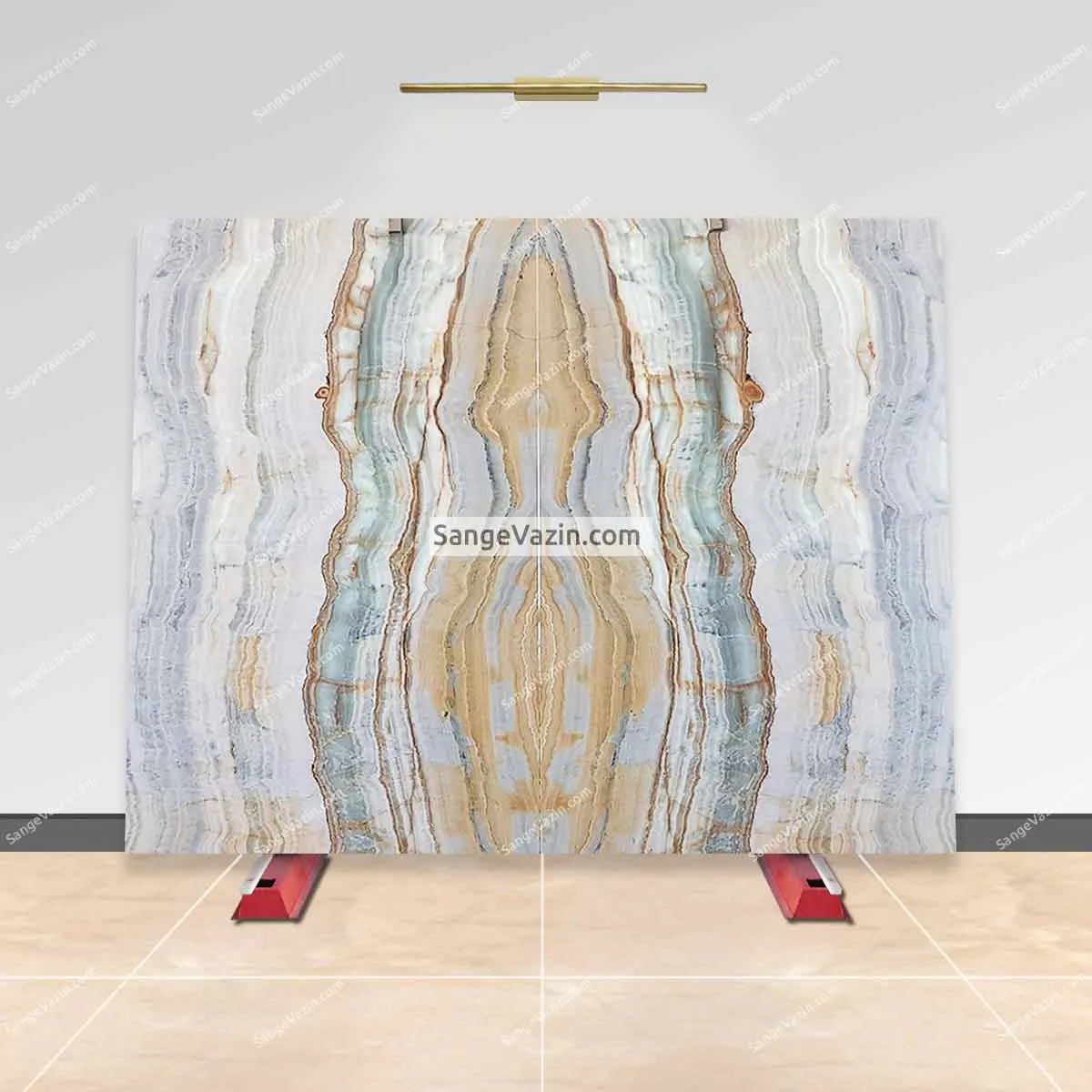
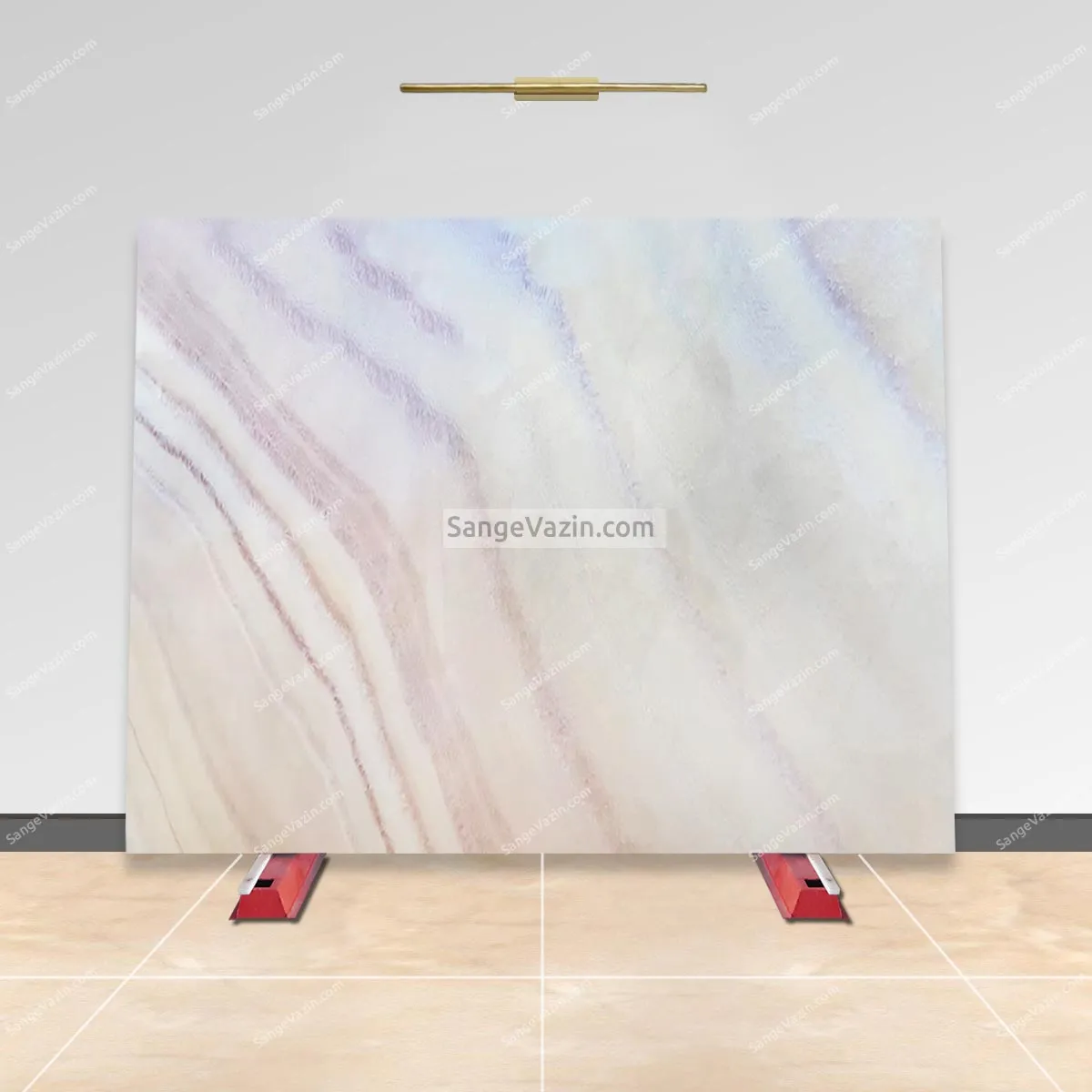
Features of Onyx Stone Tile
- Backlit Quality
- Distinctive and luxurious appearance
- Natural color variety
- Polished surface
- High value and good durability
Applications of Onyx Stone Tile
- Accent and decorative walls
- Hotel lobbies and luxury buildings
- TV wall
- Kitchen countertops and reception desks
- Ceremonial and luxury spaces
Application of Stone Tile
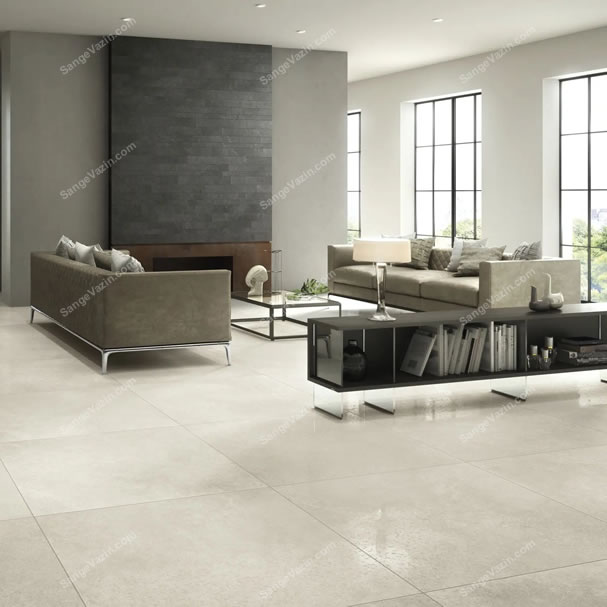
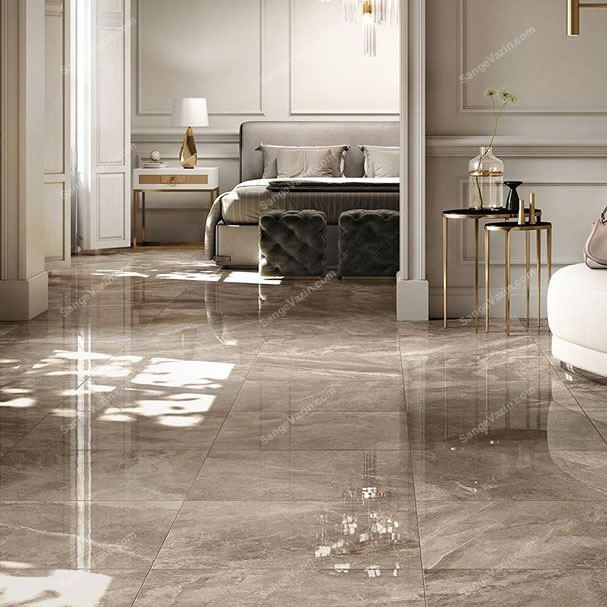
Floor Stone Tile
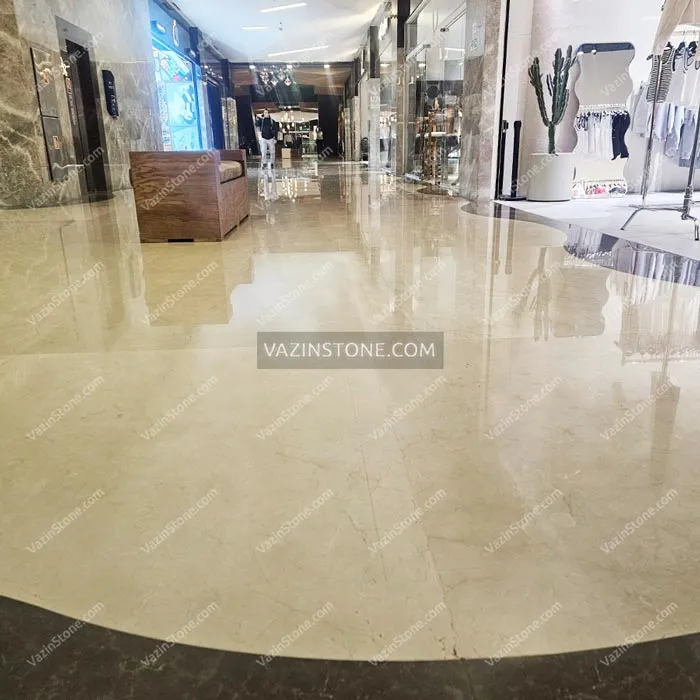
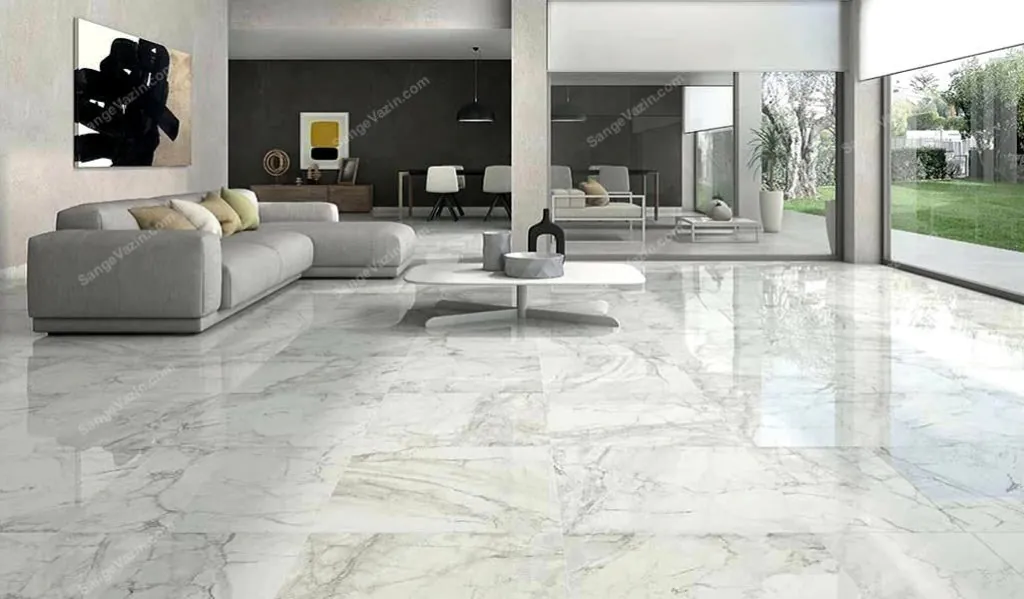
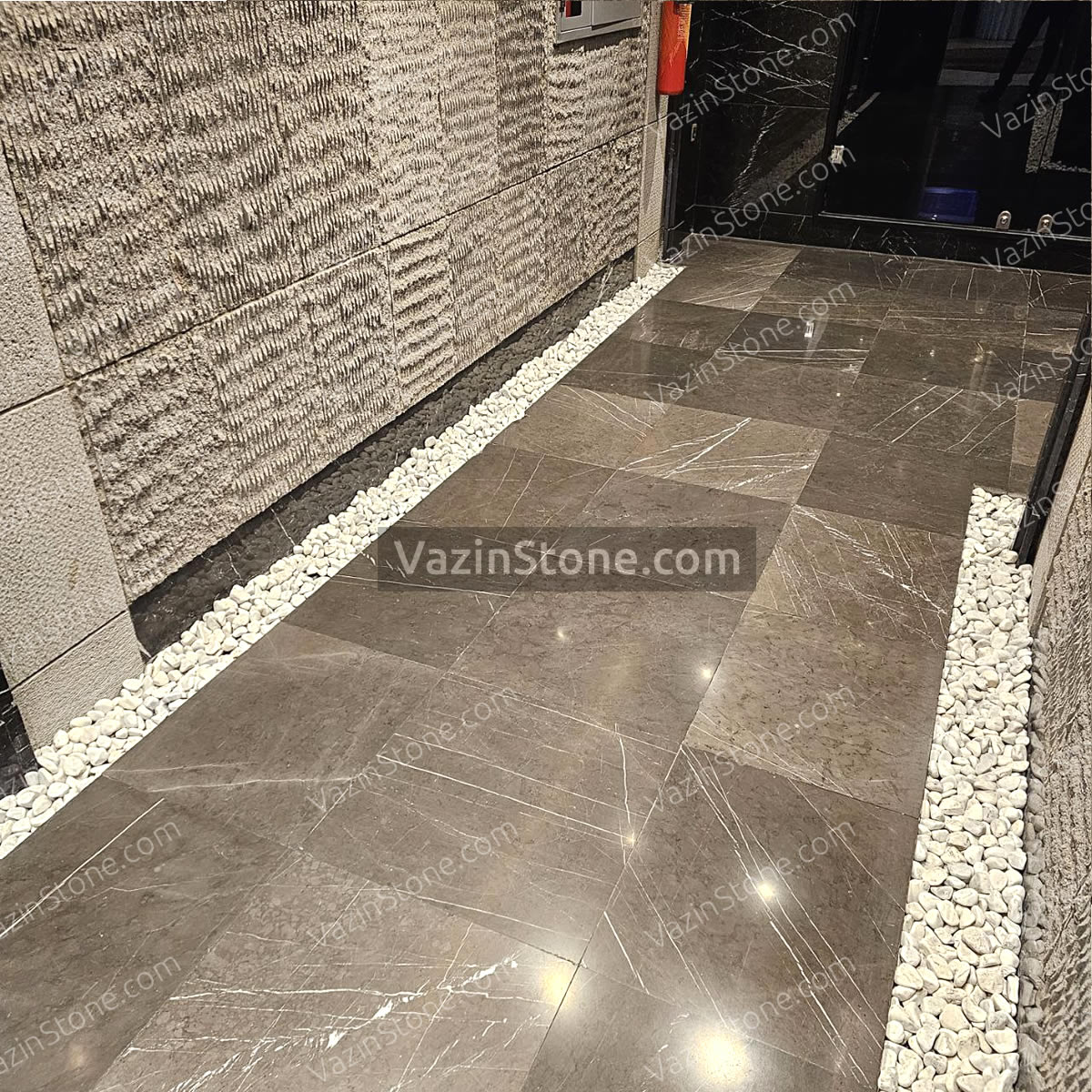
Tile stone is one of the most widely used options for building flooring. For interior spaces, marble and crystal marble stone are ideal choices due to their aesthetic appeal and polished finish, while granite offers superior durability for exterior areas and high-traffic environments.
Wall Stone Tile
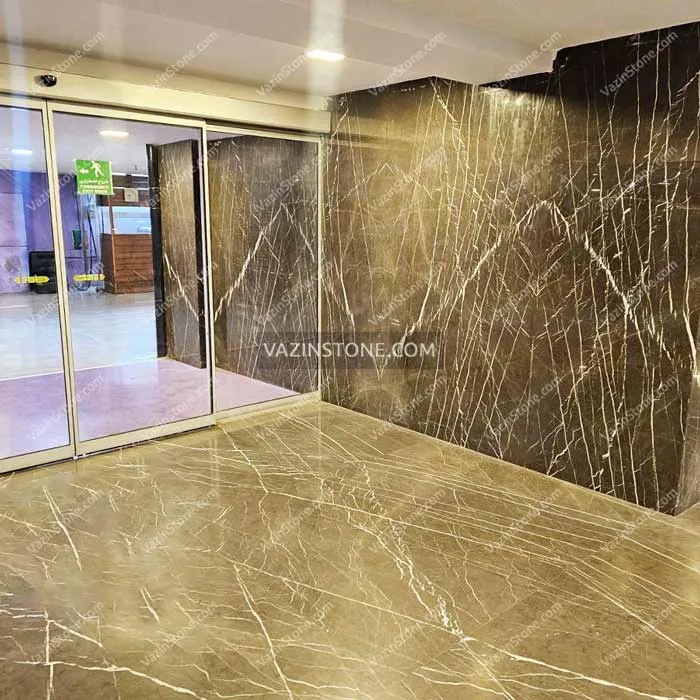
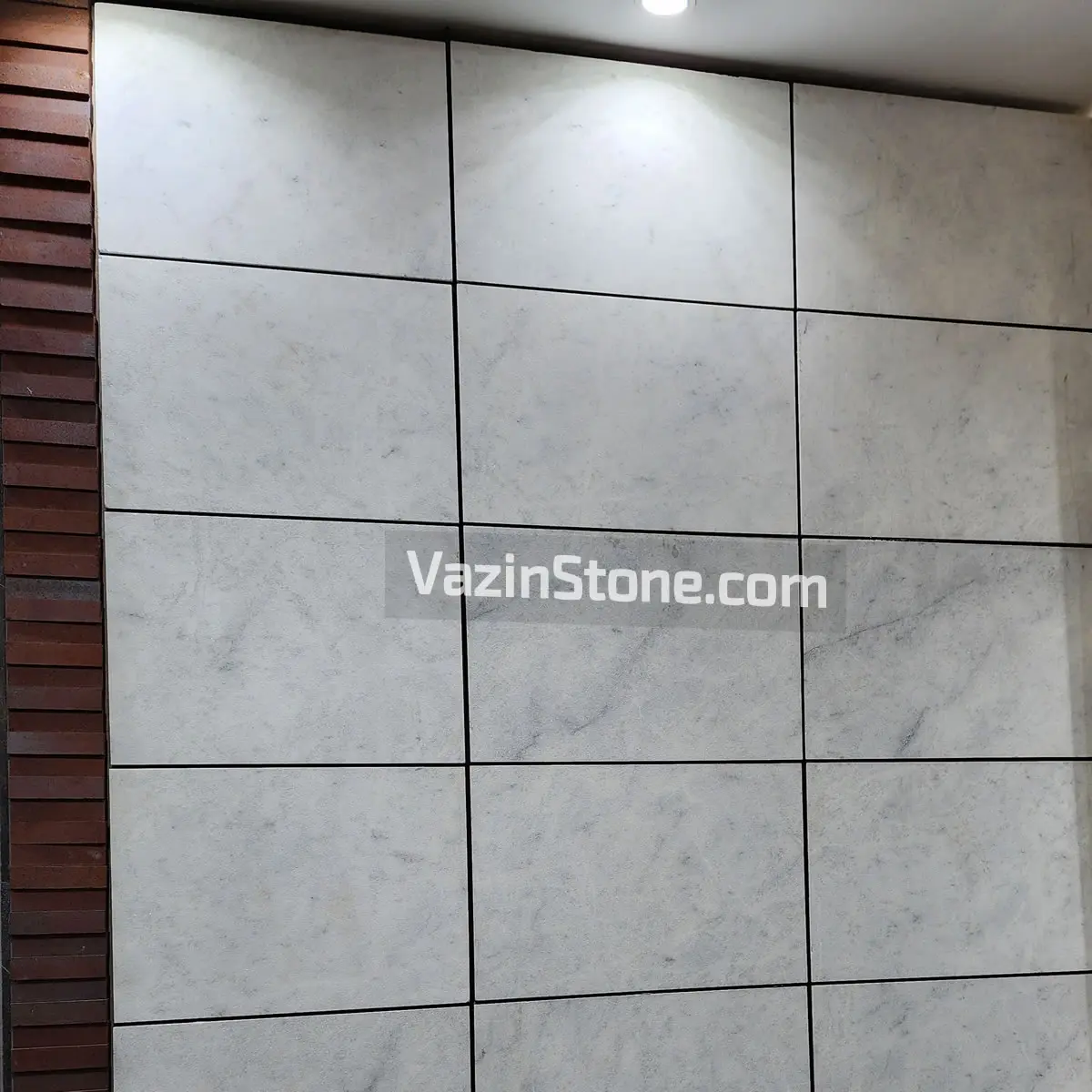
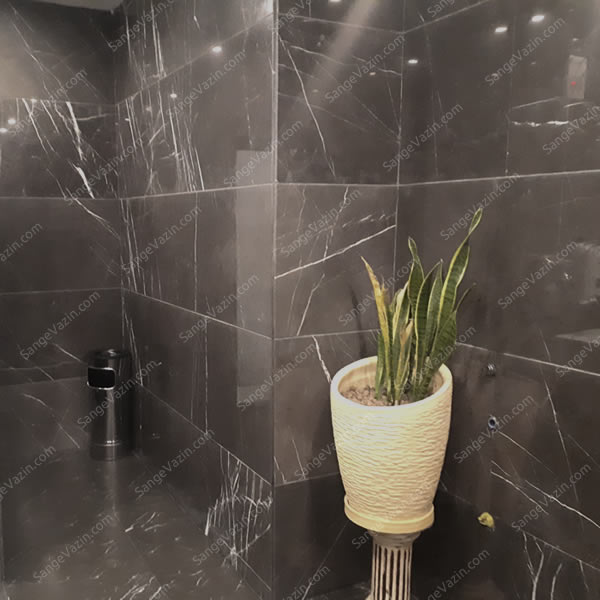
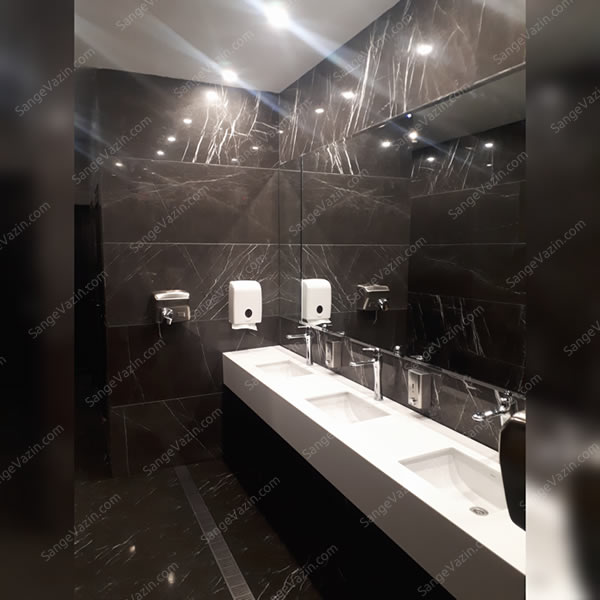
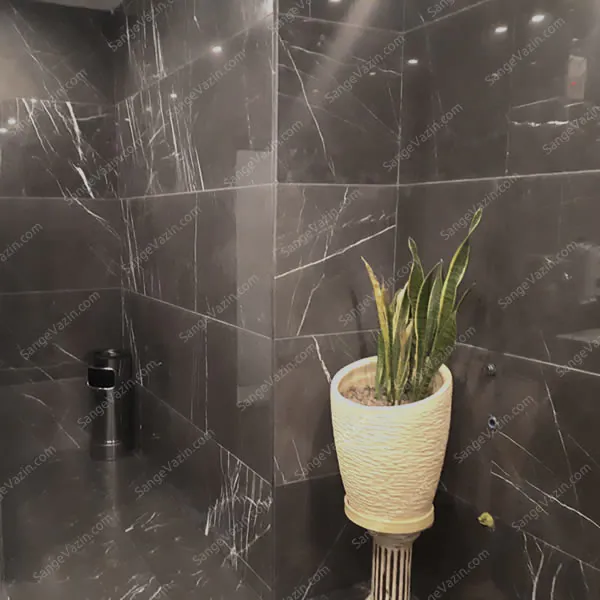
Wall stone tiles not only protect surfaces but also add a luxurious and timeless aesthetic to any space. Today, the use of black stone, such as Pietra Grey marble, alongside veined stones, such as white crystal marble, is considered one of the most popular interior design trends for lobbies, TV walls, and accent walls.
Facade Stone Tile
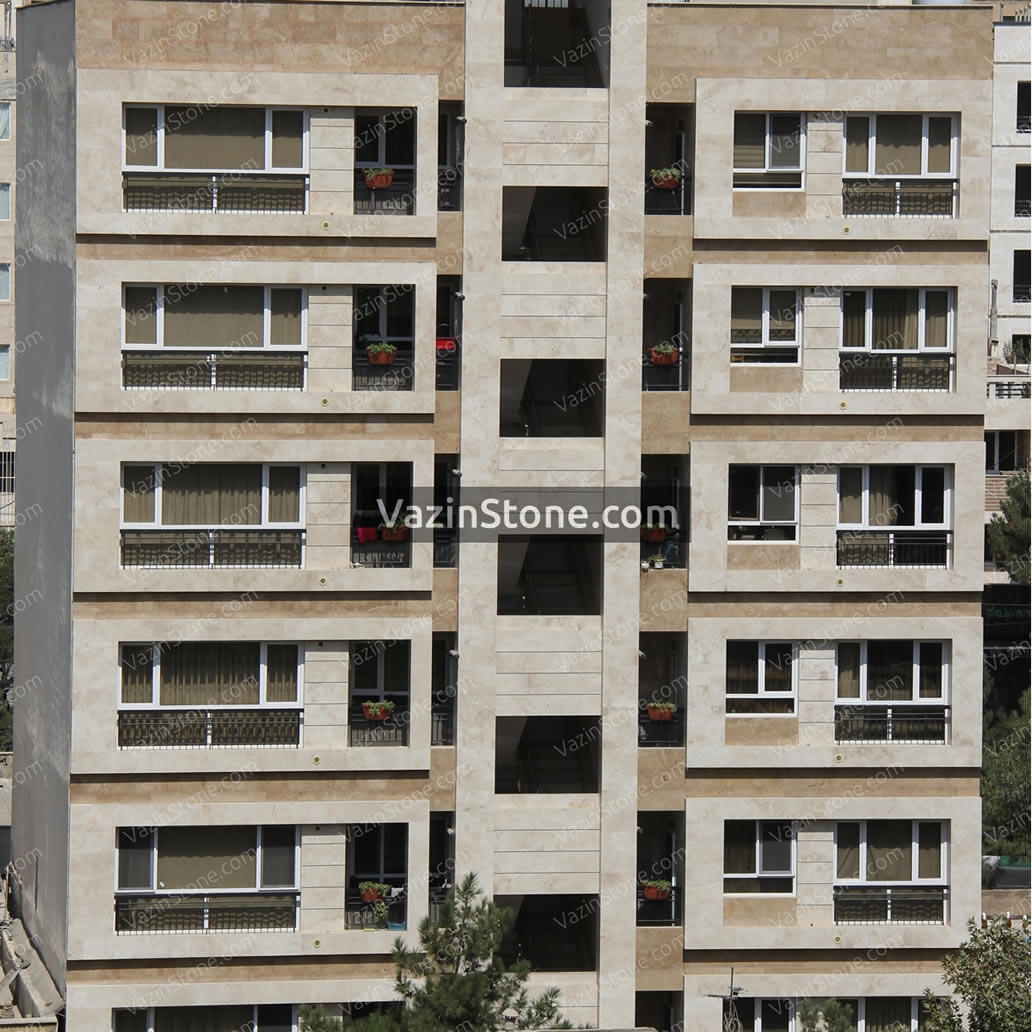
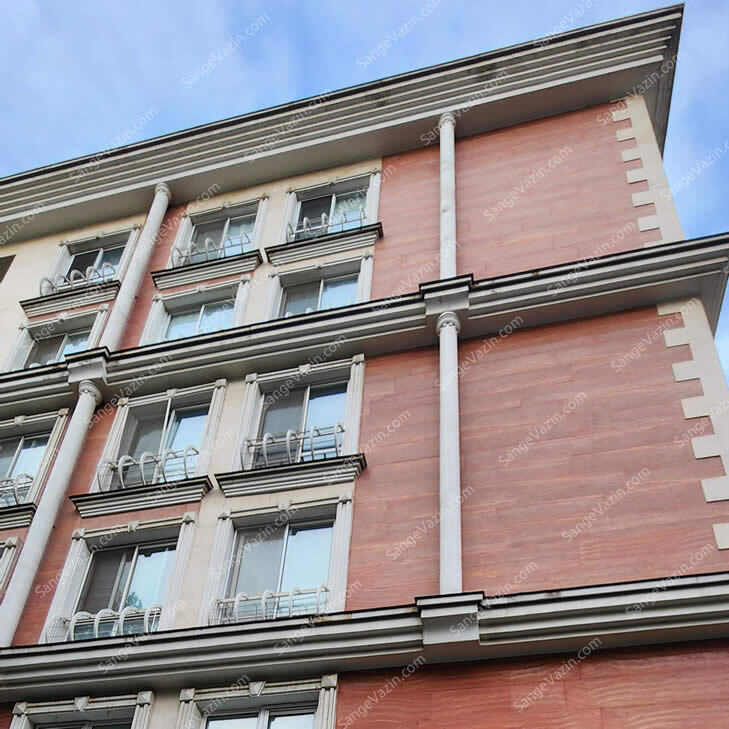
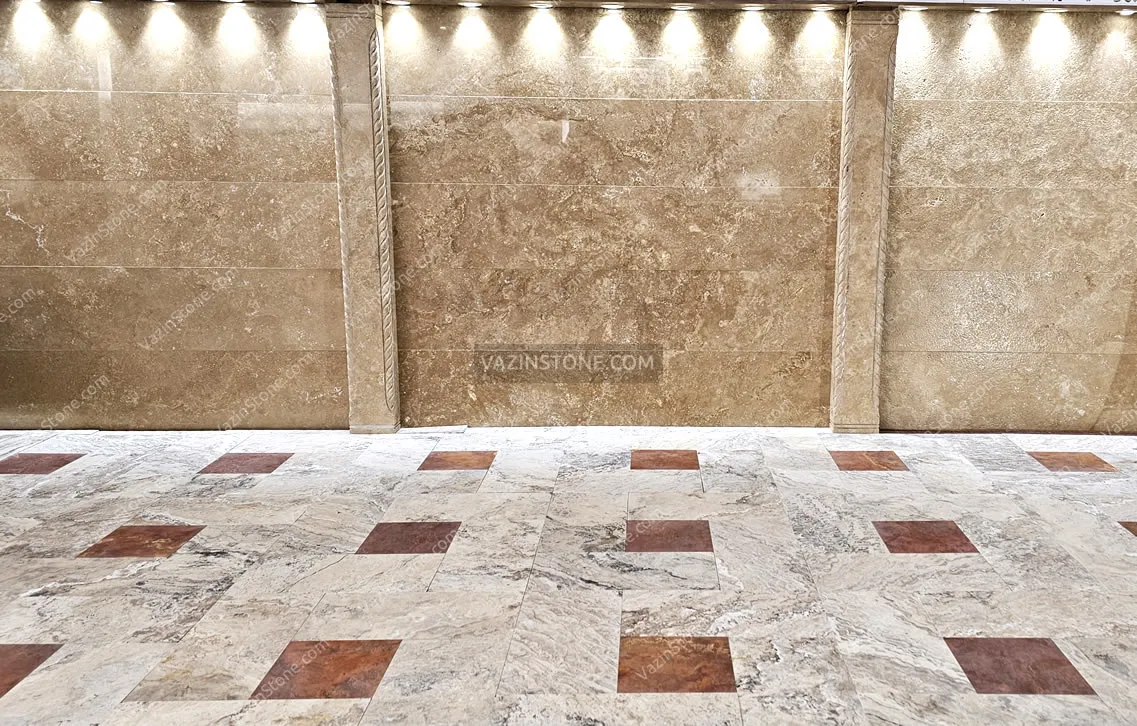
Stone tiles used for building facades must offer high resistance to temperature fluctuations, moisture, and sunlight. Travertine, due to its excellent adhesion to mortar, followed by granite and crystal marble stone for their superior durability, are among the best choices for building facade applications.
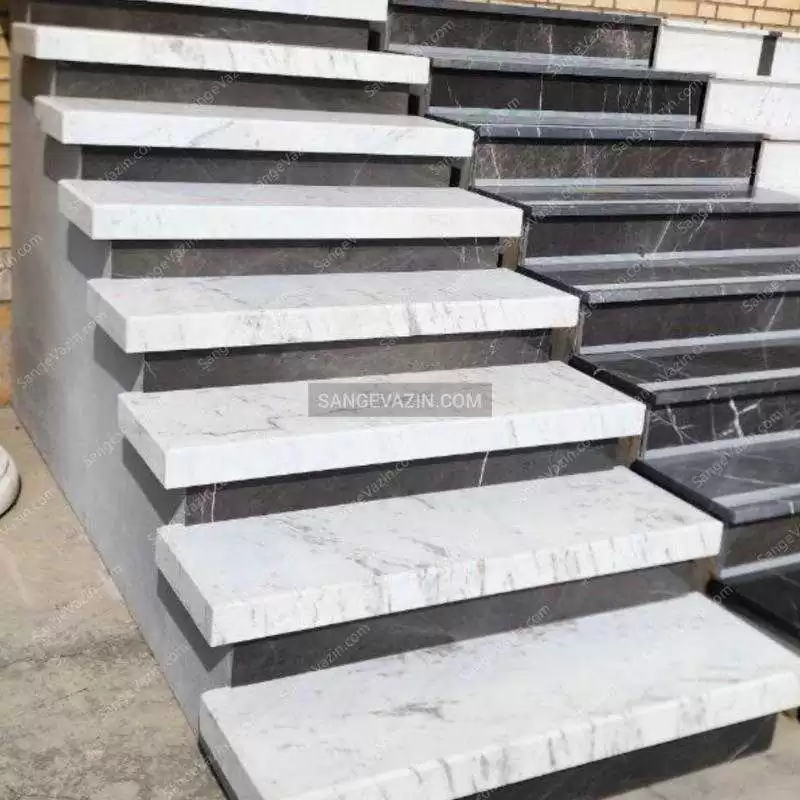
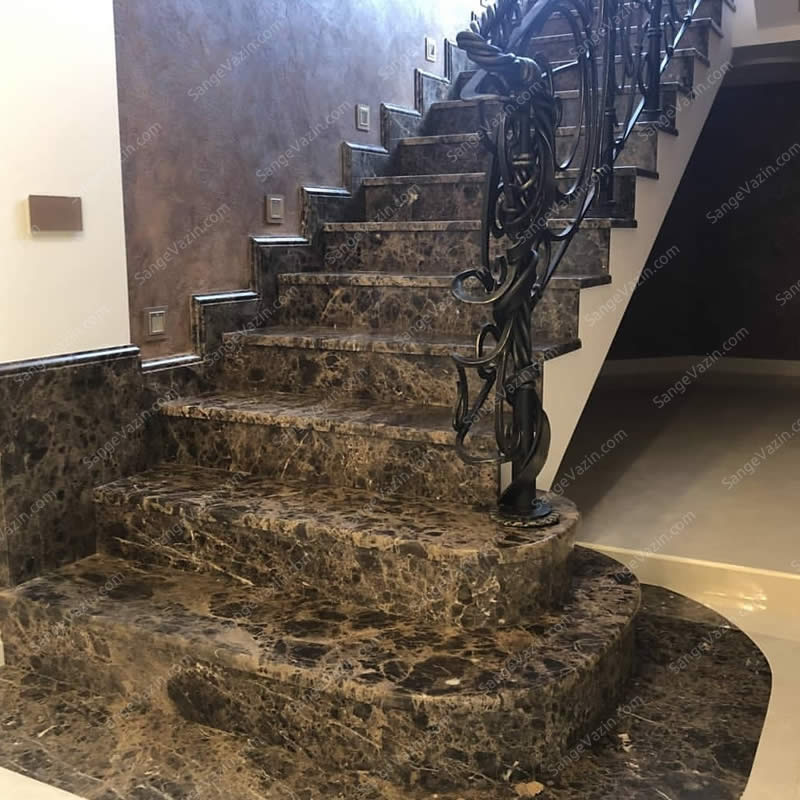
Stair Stone Tile
Staircases are among the most heavily trafficked areas of a building and require stone with high abrasion resistance and strength. Granite, crystal marble, and certain dense marble varieties are excellent choices for interior staircases. For exterior stairs, anti-slip finishes are also recommended.
Parking lot Stone Tile
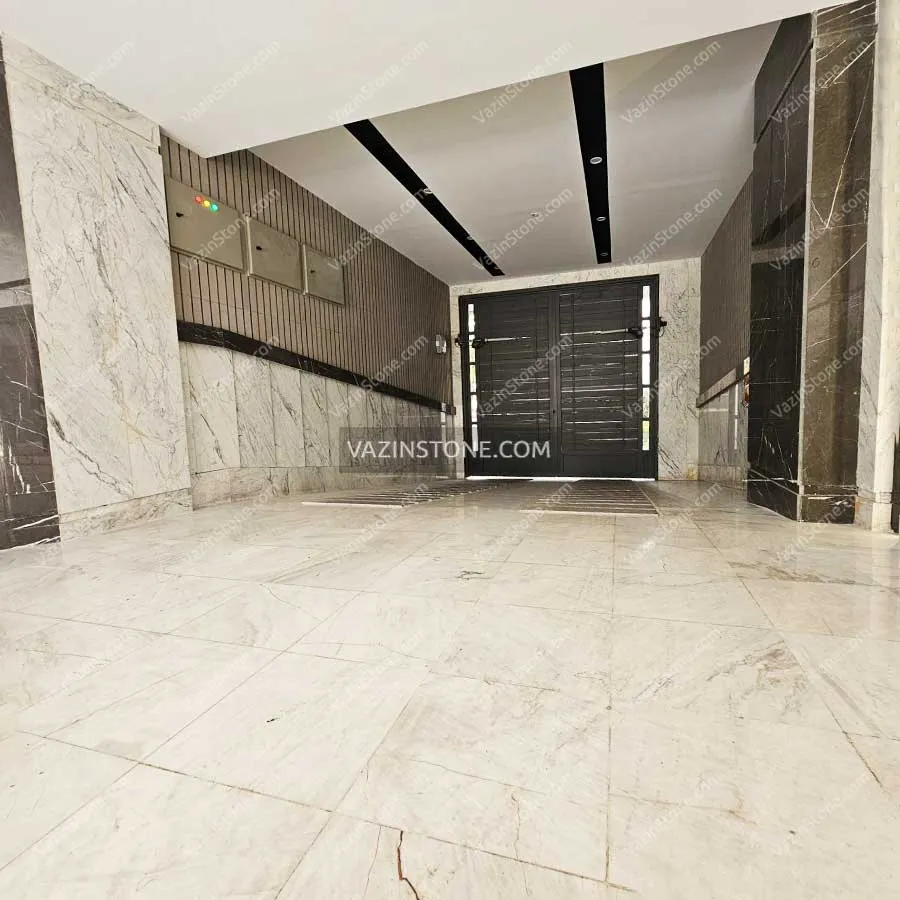
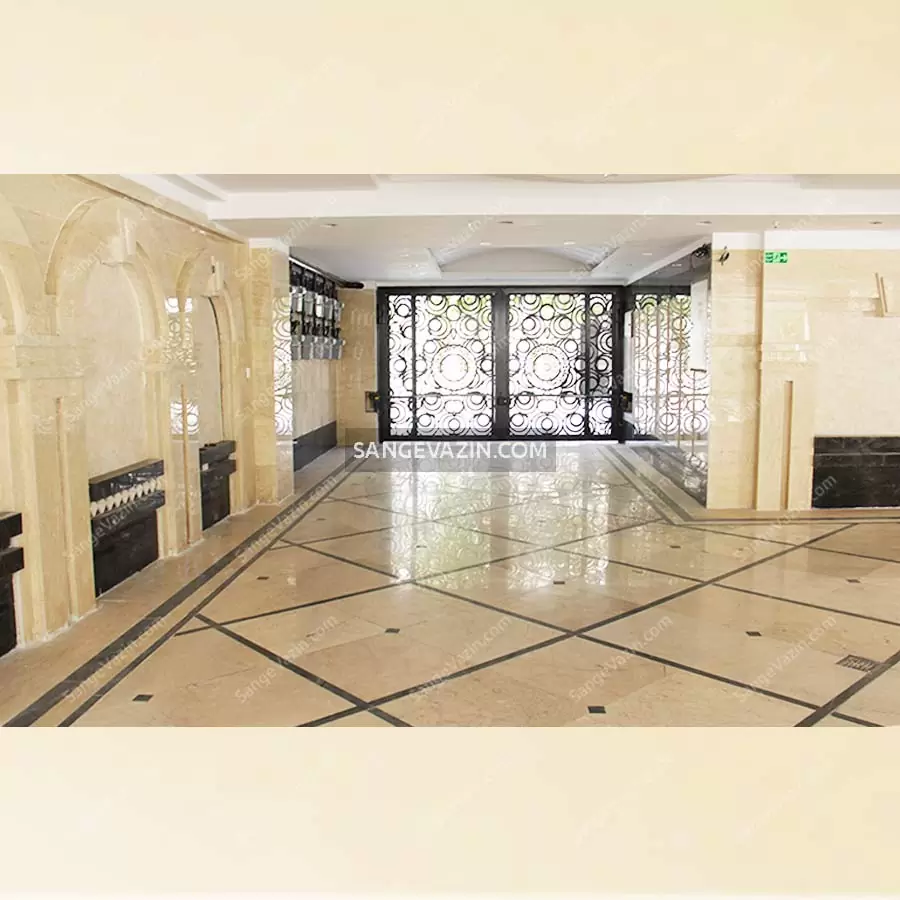
In parking areas, resistance to vehicle loads, abrasion, and water absorption is of great importance. Granite and crystal marble stone, due to their high strength and excellent durability, are well-suited for these spaces and perform exceptionally well in high-traffic applications.
Courtyard Stone Tile
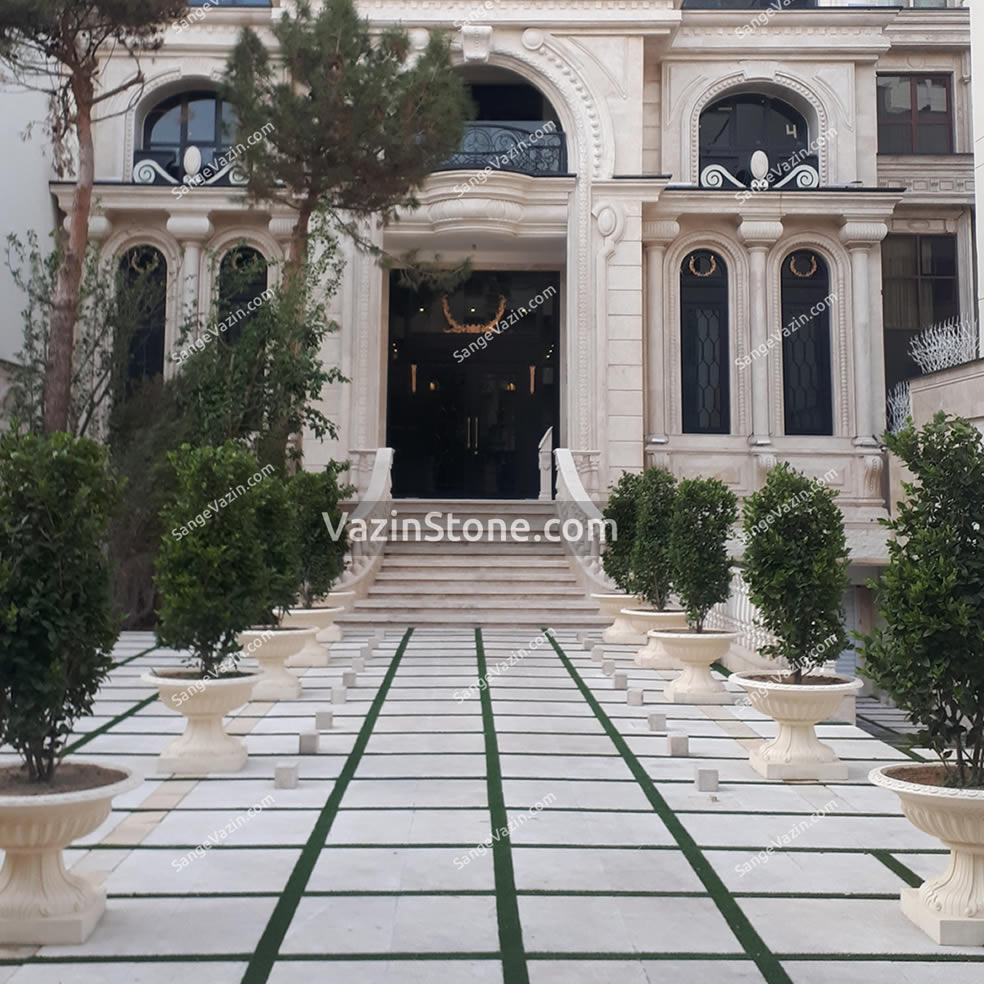
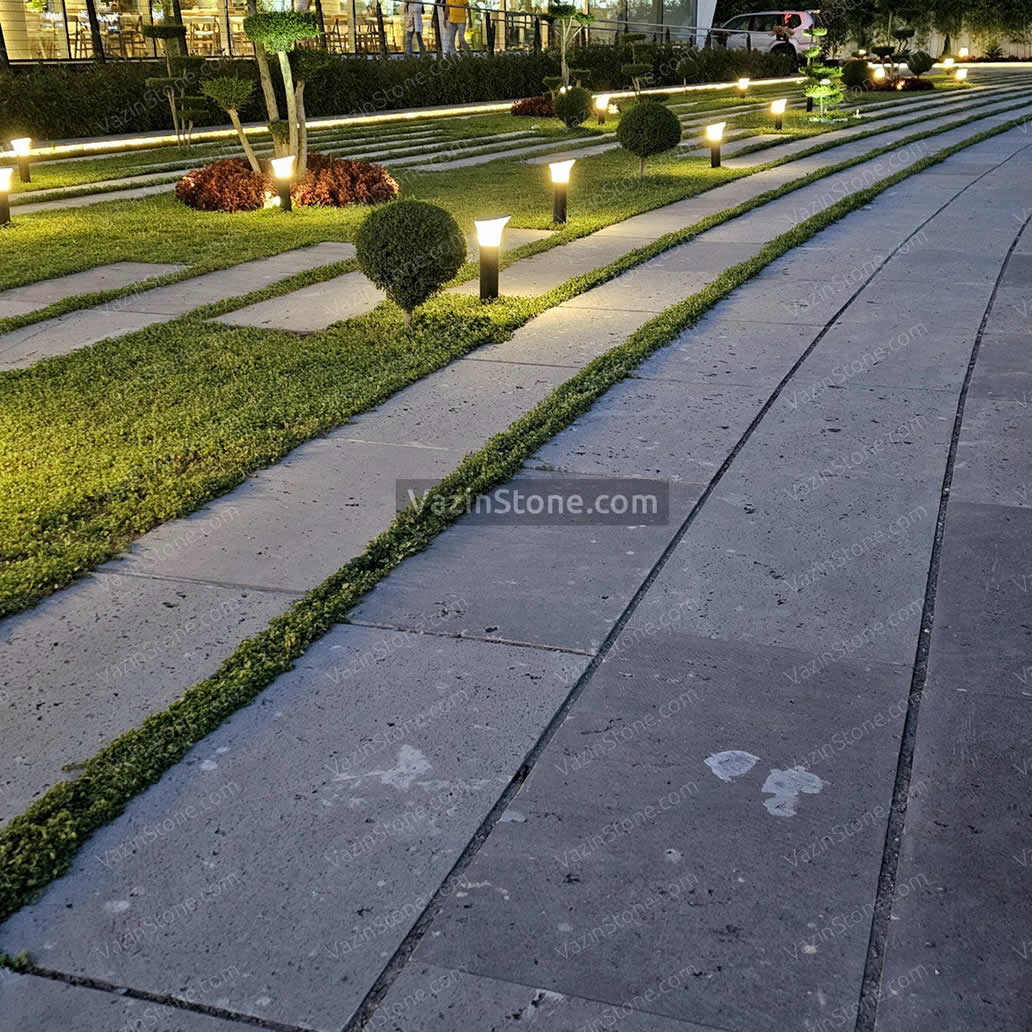
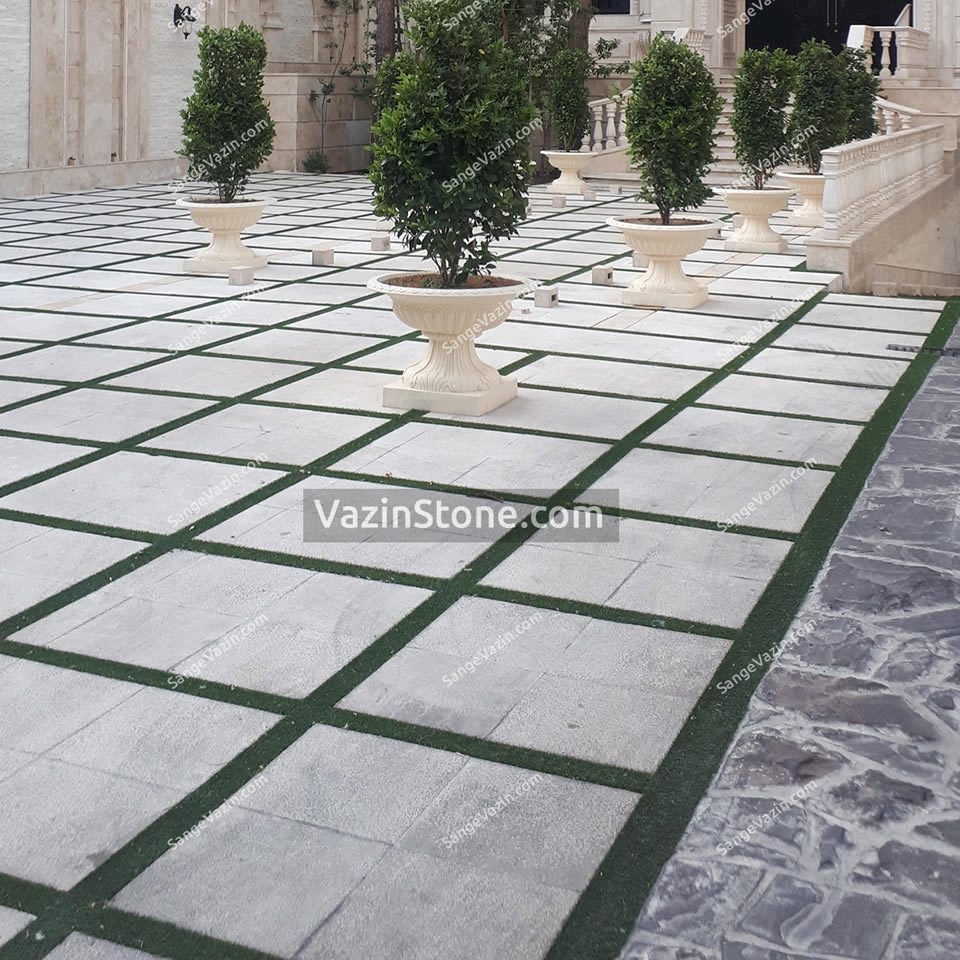
For exterior flooring in areas such as courtyards, gardens, and landscaped spaces, it is preferable to use stones with a textured surface or finishes such as flamed and bush-hammered finishes to provide greater slip resistance and safety. Granite, due to its high strength and low water absorption, is one of the best choices for courtyards and outdoor areas. Travertine and crystal marble stone with flamed or bush-hammered finishes can also be used to create a safe, slip-resistant, and durable surface.
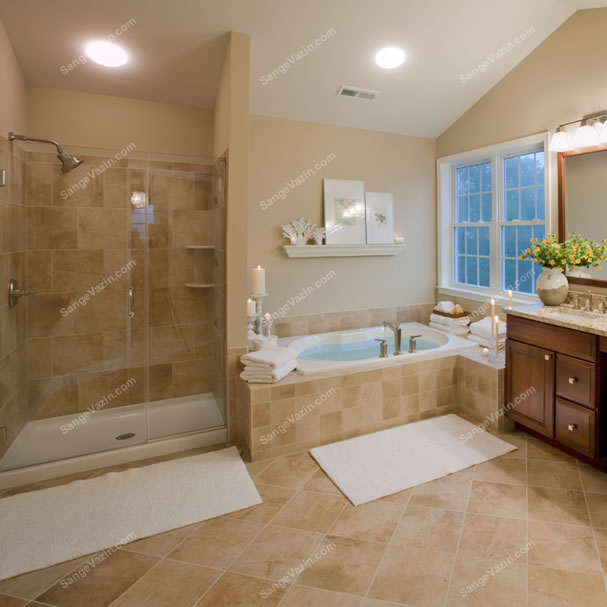
Bathroom Stone Tile
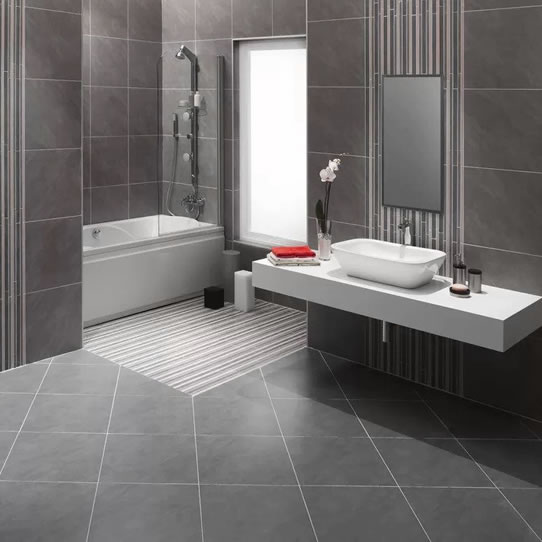
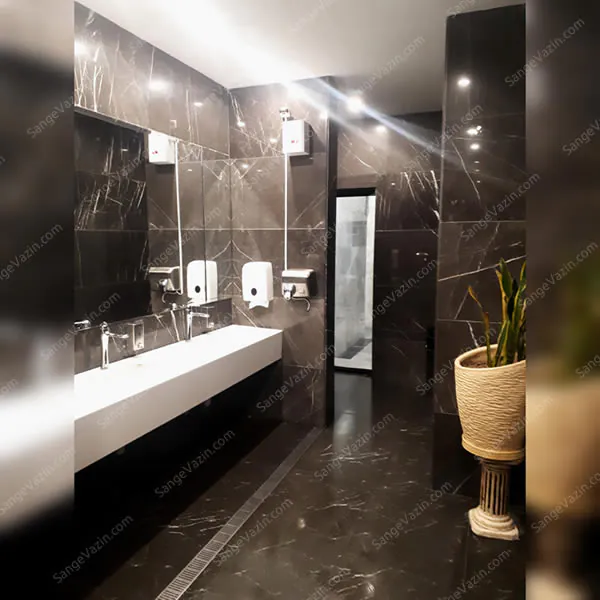
In wet areas, choosing a stone with low water absorption is particularly important. Crystal marble stone, granite, and certain suitable marble varieties not only offer excellent moisture resistance but also add a luxurious aesthetic to bathrooms and restrooms. Using white stone and light-colored tiles with natural veining can also make the space appear larger while creating a clean, modern look.
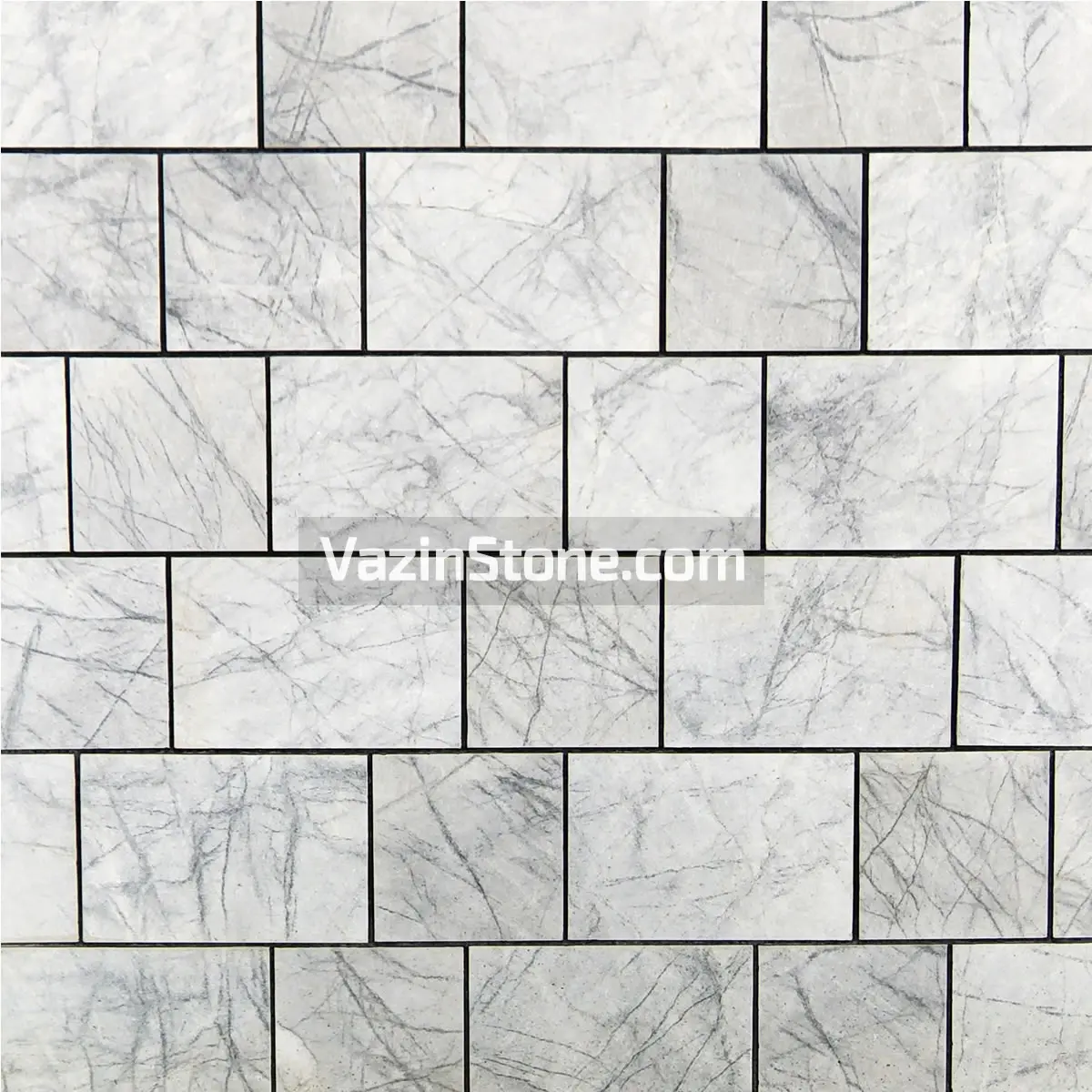
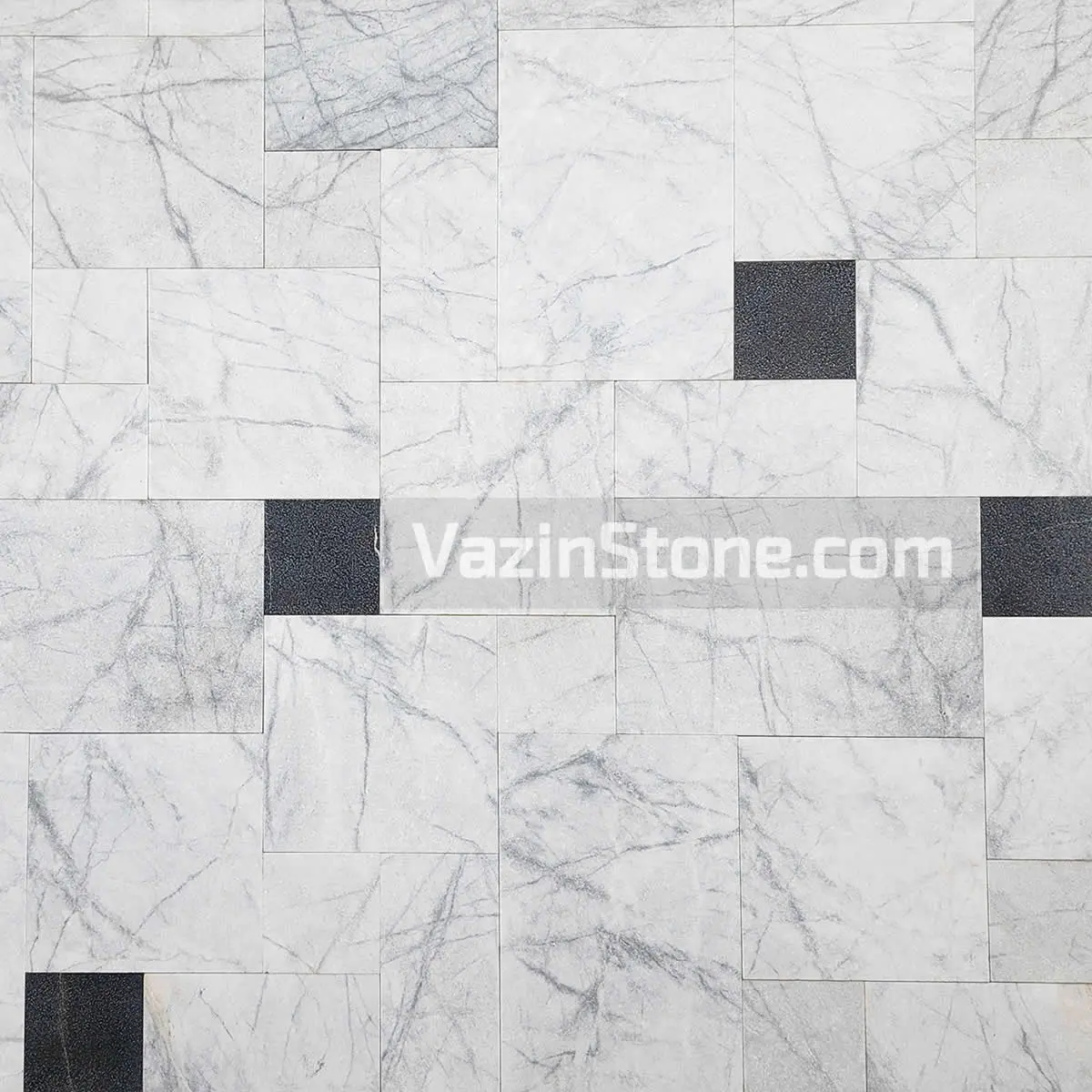
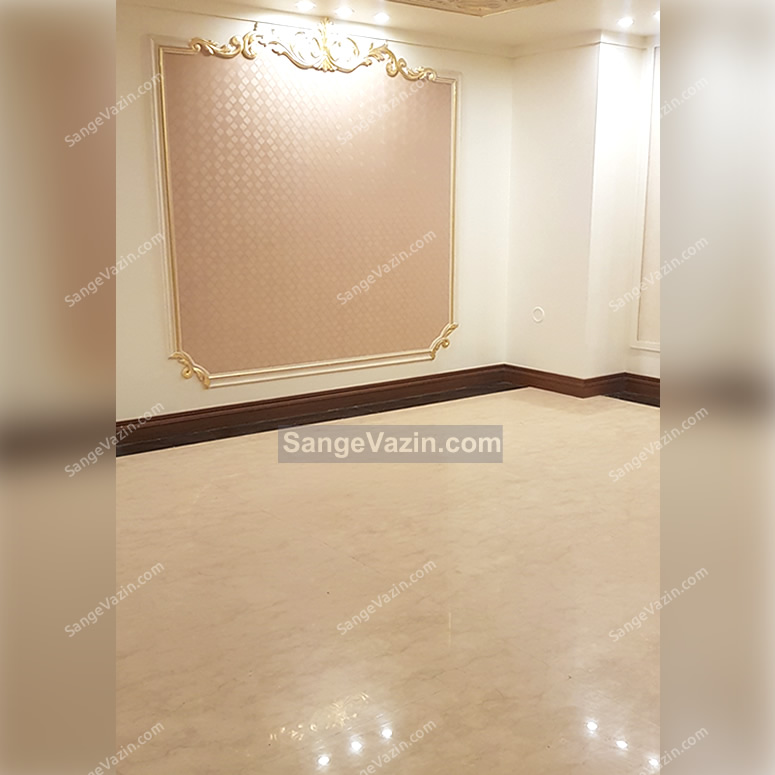
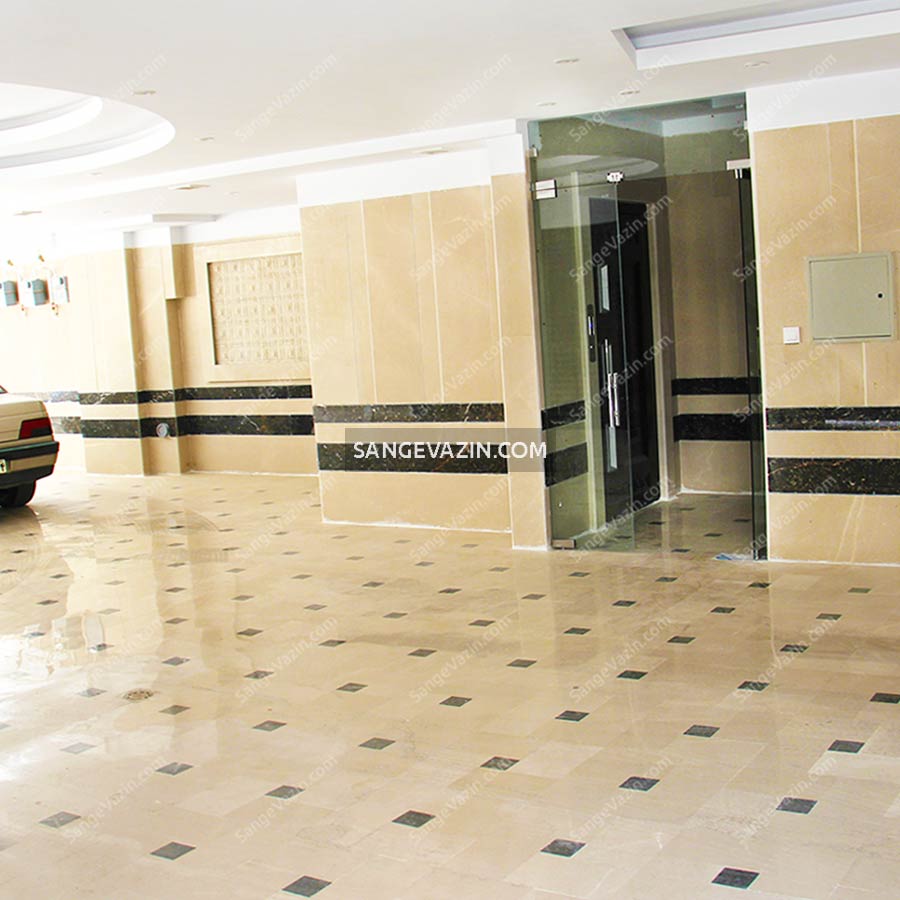
Dimensions of Stone Tile
Stone tiles are produced in a variety of dimensions to meet the requirements of each project, with custom sizes also available upon request. However, certain dimensions are recognized as standard sizes in the market due to their ease of installation, reduced material waste, and wide range of applications.
Common Stone Tile Dimensions:
- 40 × 40 cm
- 50 × 50 cm
- 60 × 60 cm
- 80 × 80 cm
- 60 × 30 cm
- 80 × 40 cm
Common Thicknesses:
- 1.5 cm
- 2 cm
- 3 cm (for specialized applications, such as stair stone)
Small-Format Stone Tiles
Stone tiles with dimensions smaller than 40 cm are commonly referred to as small-format tiles. These tiles are available in sizes such as 20 × 40 cm, 25 × 40 cm, and 30 × 40 cm and are typically used for small spaces, border detailing, framing, or minimizing stone waste in projects.
Advantages of Stone Tile
Stone tile, thanks to its standard dimensions, ease of installation, and wide range of options, is one of the most widely used forms of natural stone processing in the construction industry.
- Available for production and ordering in standard and custom dimensions
- Ability to be cut to precise thicknesses according to the intended application
- Suitable for flooring, walls, facades, stairs, parking areas, and outdoor spaces.
- Easy and cheap shipping
- More affordable due to its simpler processing.
- The ability to replace or repair a component without having to replace the entire surface.
- A wide variety of materials, colors, dimensions, and processing options
Disadvantages Of Stone Tile
Despite its many advantages, stone tile also has certain limitations in some projects that should be considered before making a selection.
- More joints compared to slab stone, resulting in reduced visual continuity.
- Limited ability to showcase book-matched and four-matched patterns
- In very large spaces, it may not provide the same luxurious appearance as slab stone.
- The final quality of the installation largely depends on cutting precision and the installer’s expertise.
- For larger dimensions, proper surface preparation is required to prevent unevenness.
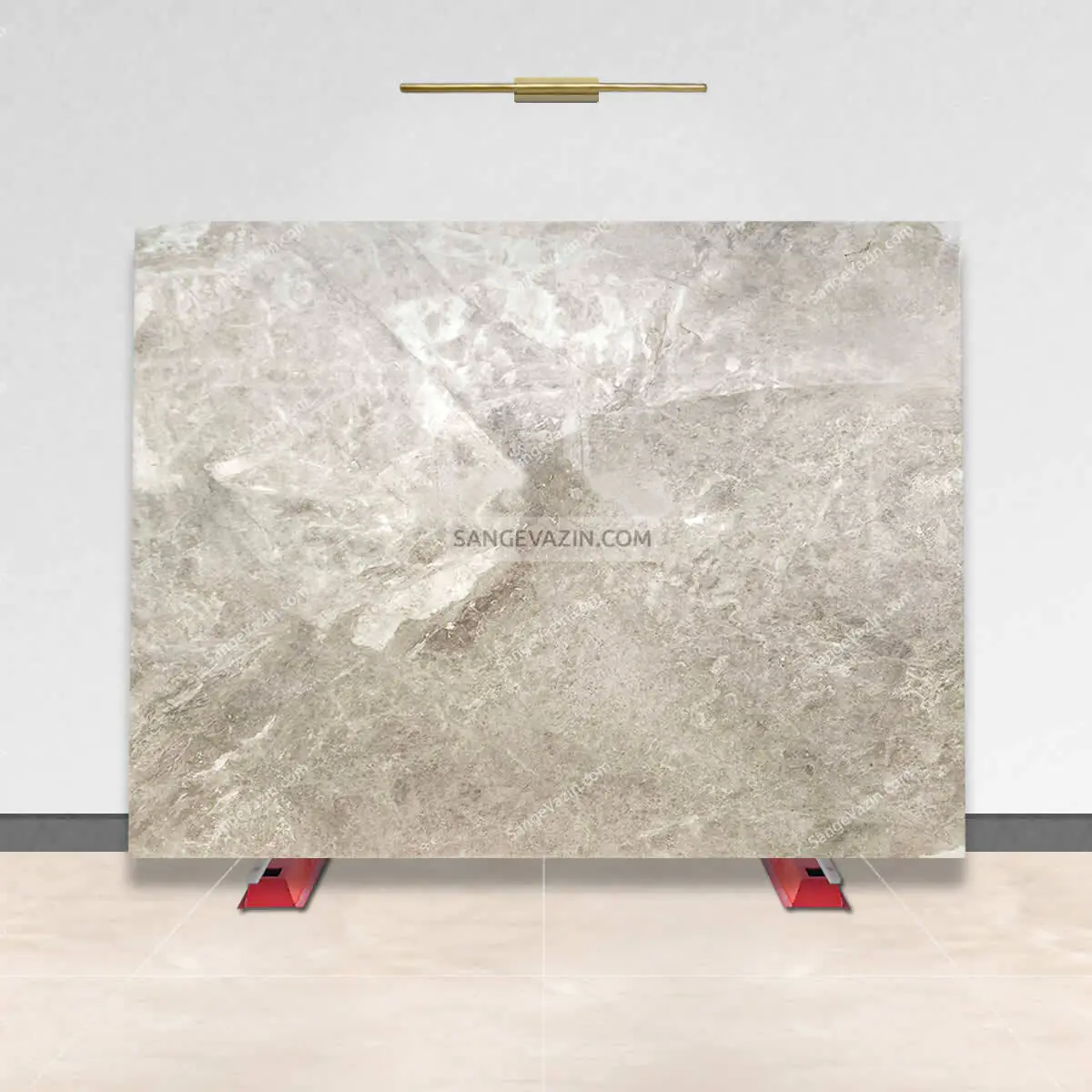
Differences of Tile & Slab
Tiles and slabs are different in the following ways:
1 / Slabs are usually larger than 100 × 100 cm, and its thickness will be 2 cm or more. Stone tiles are cut more precisely, often to millimeter-level accuracy.
2 / It is only possible to use stone slabs in some parts of the building, and it is mainly used in large areas such as the hall floor and reception area, lobby wall, and other big areas.
3 / Stone slabs are usually produced from higher-quality blocks. However, this does not necessarily mean that stone tiles are of lower quality.
4 / Stone slabs are transported by cranes and wooden and metal pallets due to their high weight and dimensions, while the stone tile can be easily moved by hand.
5 / On top of the above, slab stone is more expensive than stone tile.
Stone Tile Finishes
Processing is the finishing treatment applied to the surface of the stone after cutting, determining its appearance, texture, slip resistance, and final application. Choosing the right processing method not only enhances the stone’s aesthetic appeal but also plays a crucial role in its safety, durability, and performance in different environments.
- Polished
A completely smooth, glossy, and polished surface, primarily used for floors, walls, and luxurious interior spaces.
- Leathered
A semi-rough surface with a natural texture that shows fewer fingerprints and stains, making it a popular choice for modern spaces.
- Honed
A matte, uniform surface that is generally less slippery than a polished finish, suitable for indoor and high-traffic spaces.
- Flamed
A rough, slip-resistant surface created through heat treatment, making it an ideal choice for outdoor areas, courtyards, and exterior spaces.
- Bush Hammered
A textured surface that provides enhanced traction for ramps, stairs, sidewalks, and landscaping, improving safety.
Stone Tile by Color
White Stone Tile
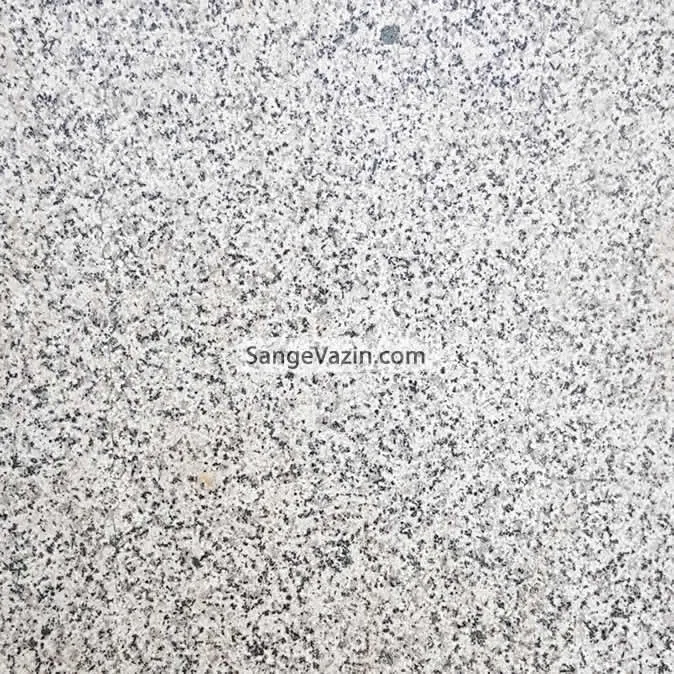
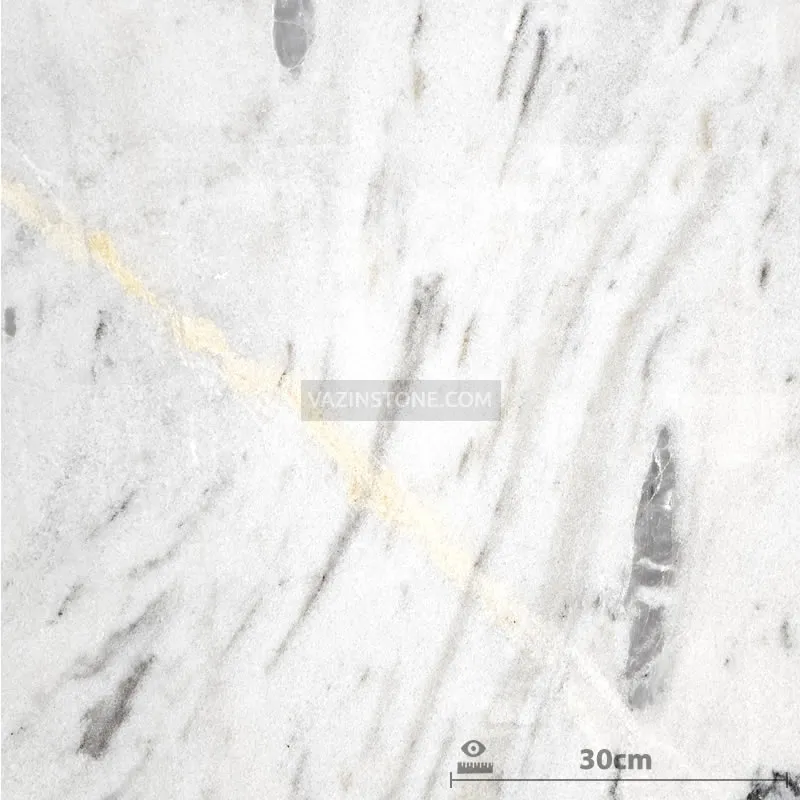
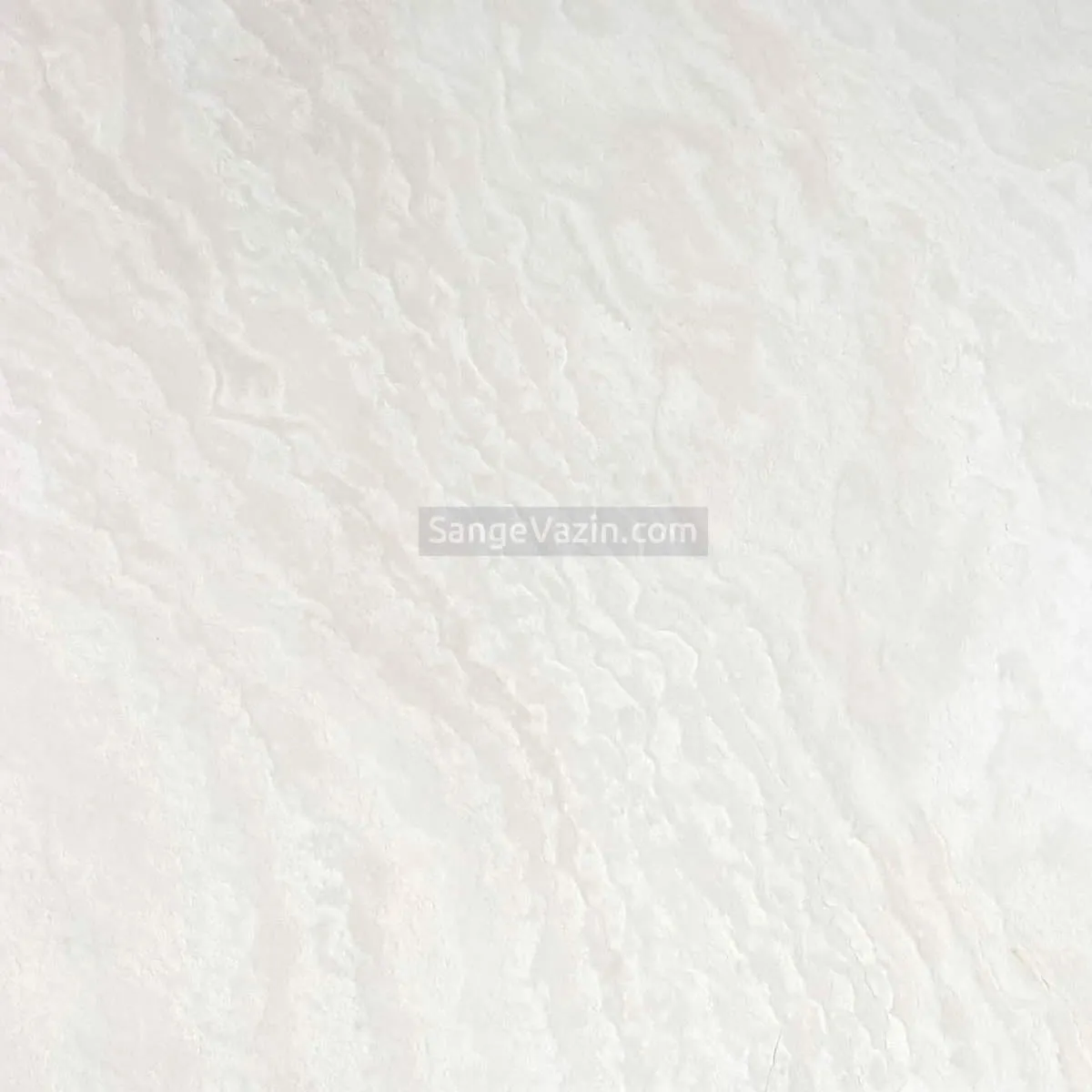
White stone tile enhances light reflection, making spaces appear larger, brighter, and more luxurious. It is a popular choice for modern, minimalist, and neoclassical styles. This color creates a striking and timeless combination when paired with natural wood, black metal, gray stone, and black stone.
Examples of White Stone Tile
Black Stone Tile
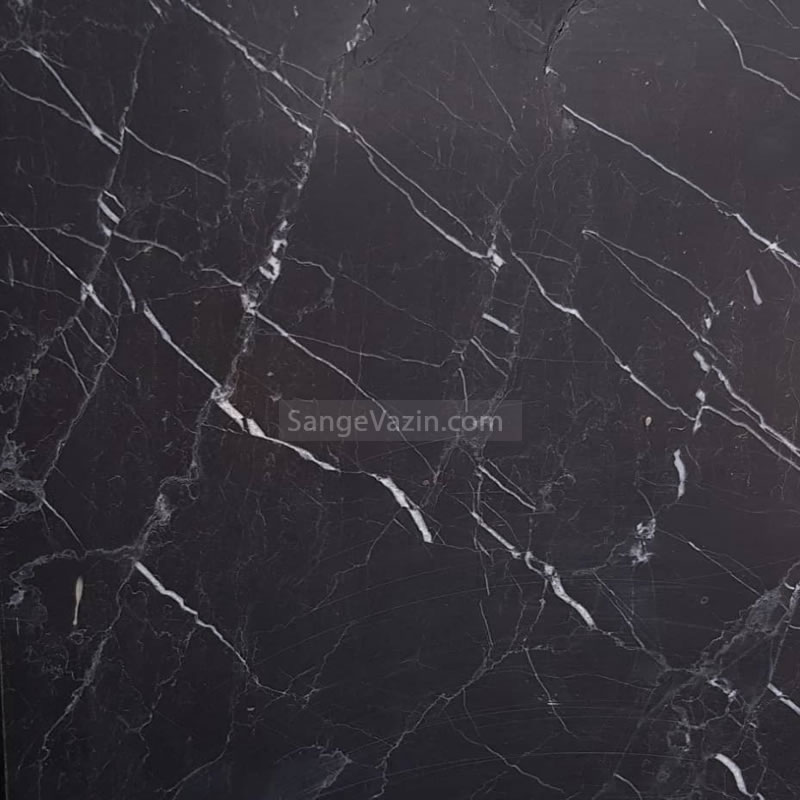
Black stone tile adds a luxurious, modern, and distinctive look to a space and is typically used to create contrast in interior design. Pairing it with white stone, gold accents, brass, and light-colored wood is considered one of the most popular trends in interior architecture.
Examples of Black Stone Tile



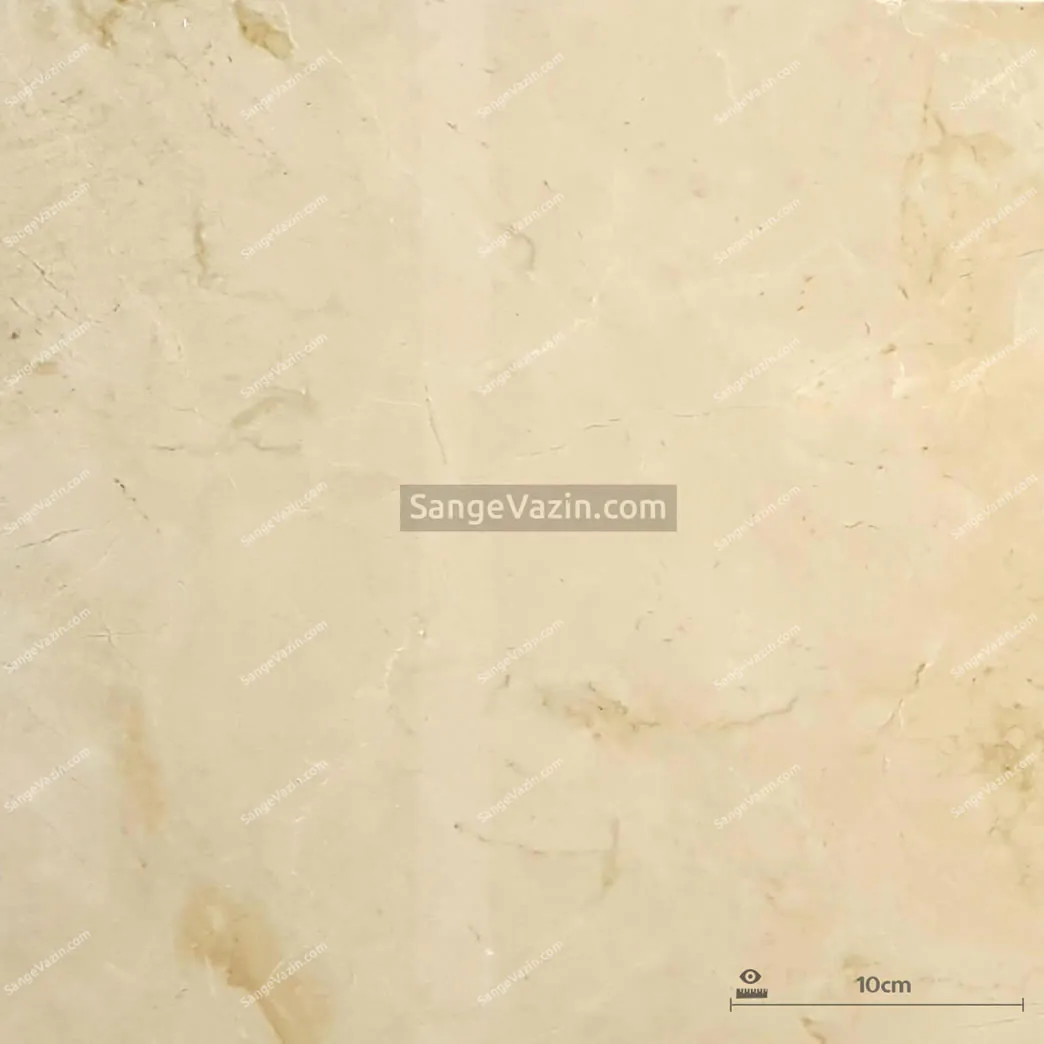
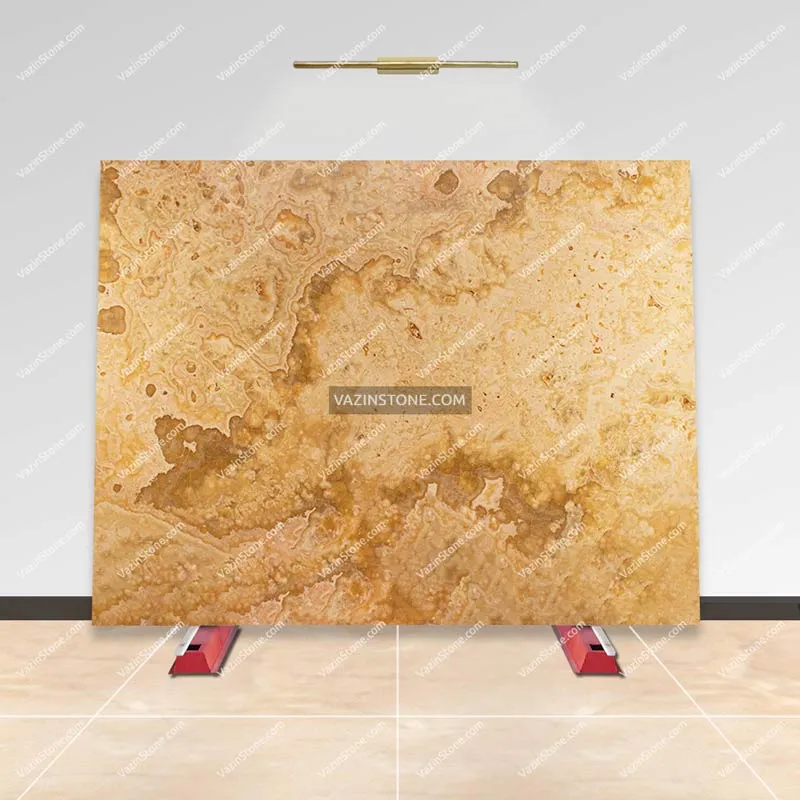
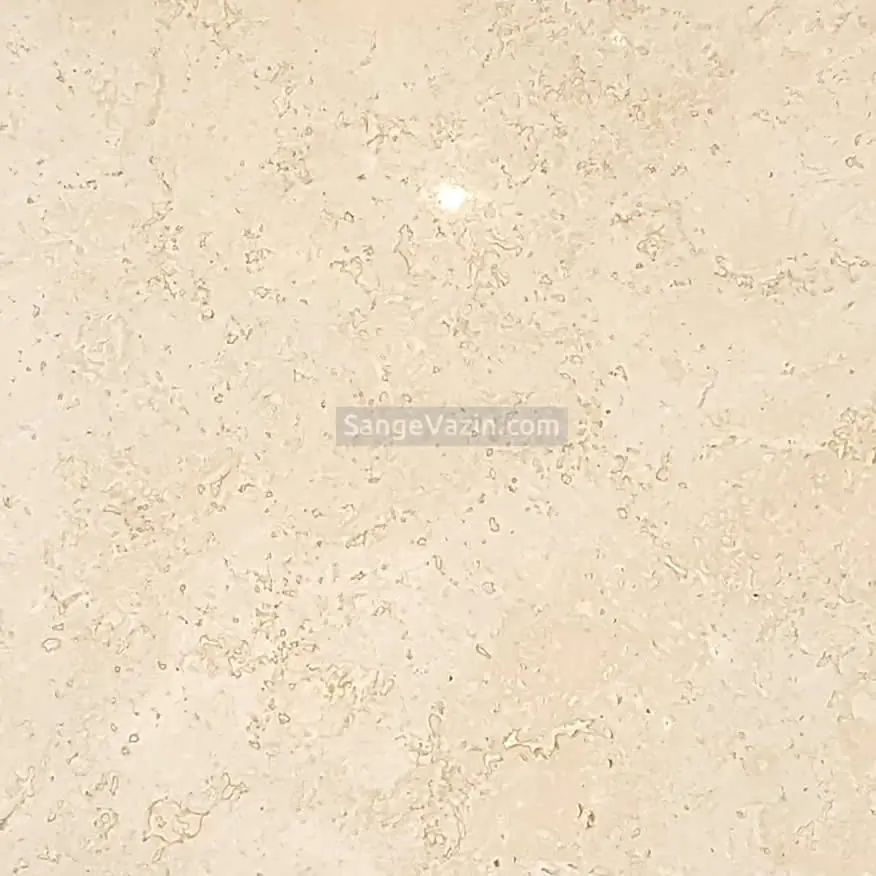
Cream Stone Tile
Cream tile stone creates a warm, calm, and inviting atmosphere, making it one of the most widely used colors in residential and commercial buildings. This color pairs beautifully with white, brown, gold, and natural wood, making it an ideal choice for classic and neoclassical styles.
Examples of Cream Stone Tile
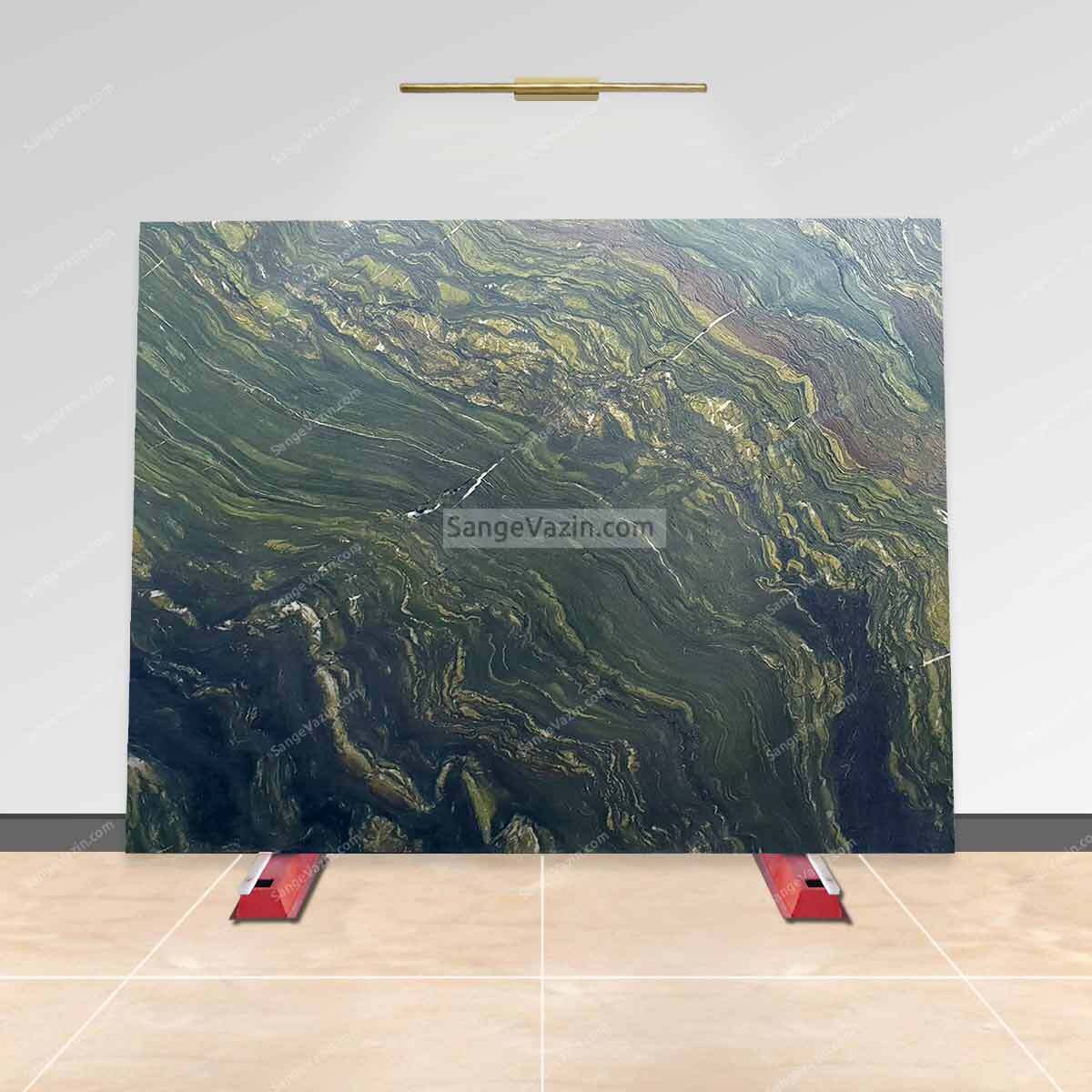
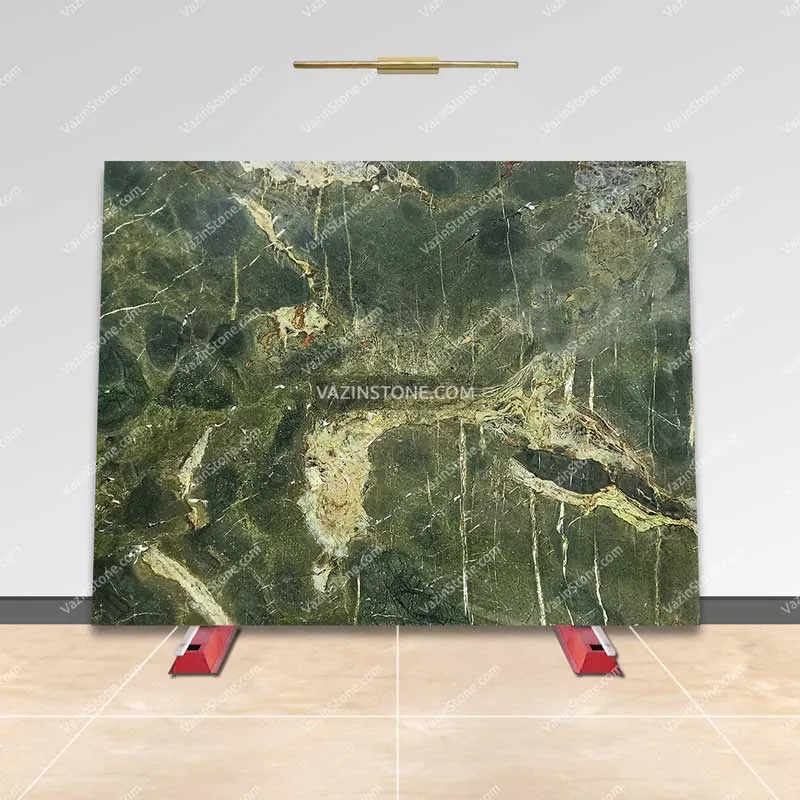
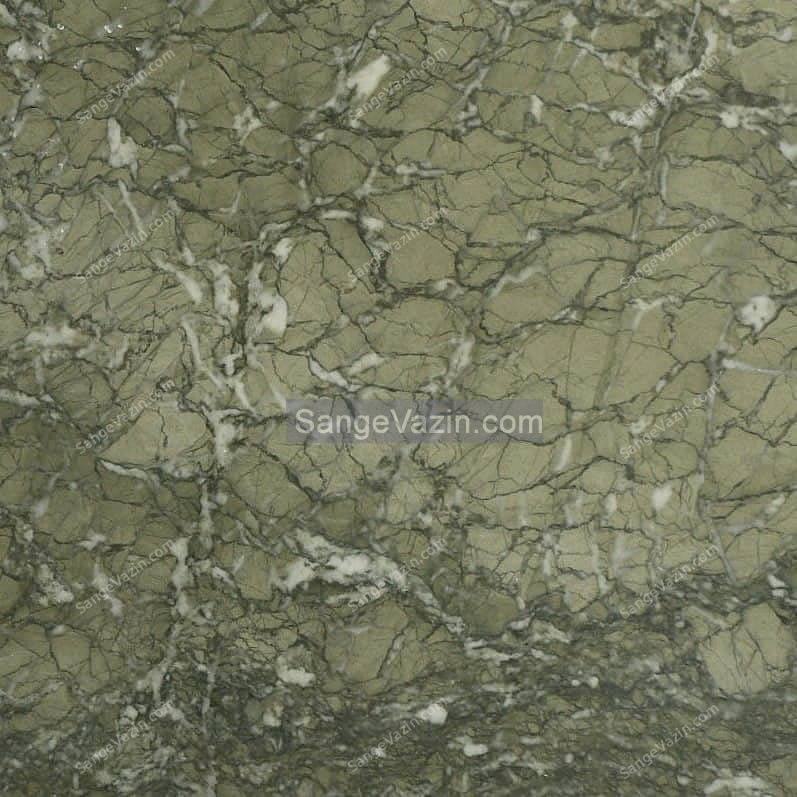
Green Stone Tile
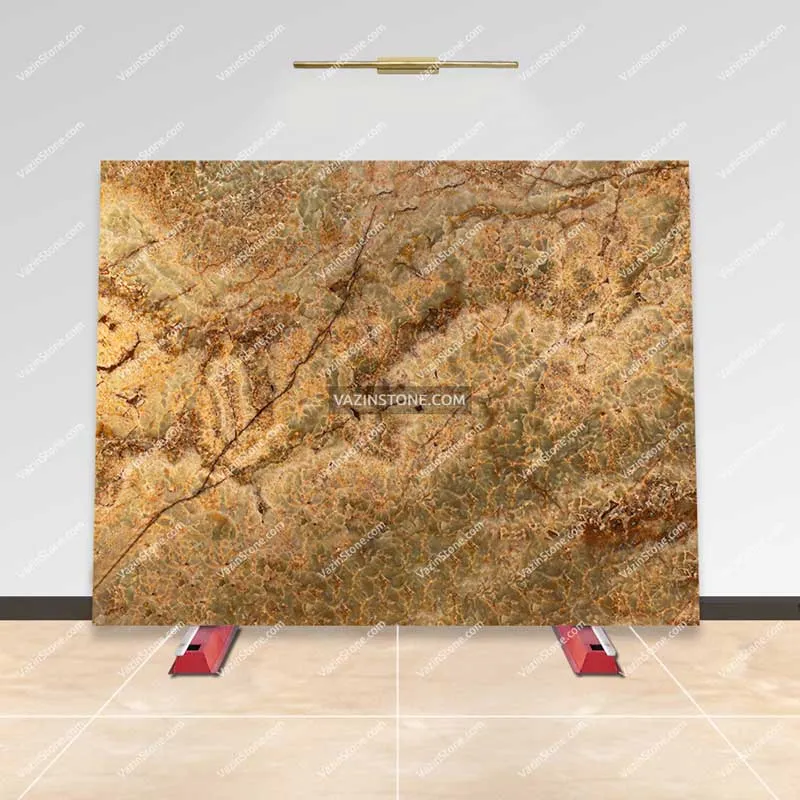
Green stone tile, with its natural veining and texture, brings a sense of tranquility and connection to nature, making it particularly popular in luxury projects. Combined with white and cream stone, gold accents, and walnut wood, it creates a striking and distinctive space.
Examples of Green Stone Tile
- Green Difrat Onyx
- Forest Green Granite
- Red Spot Green Granite Slab
- Naeein Green Granite
Gray Stone Tile
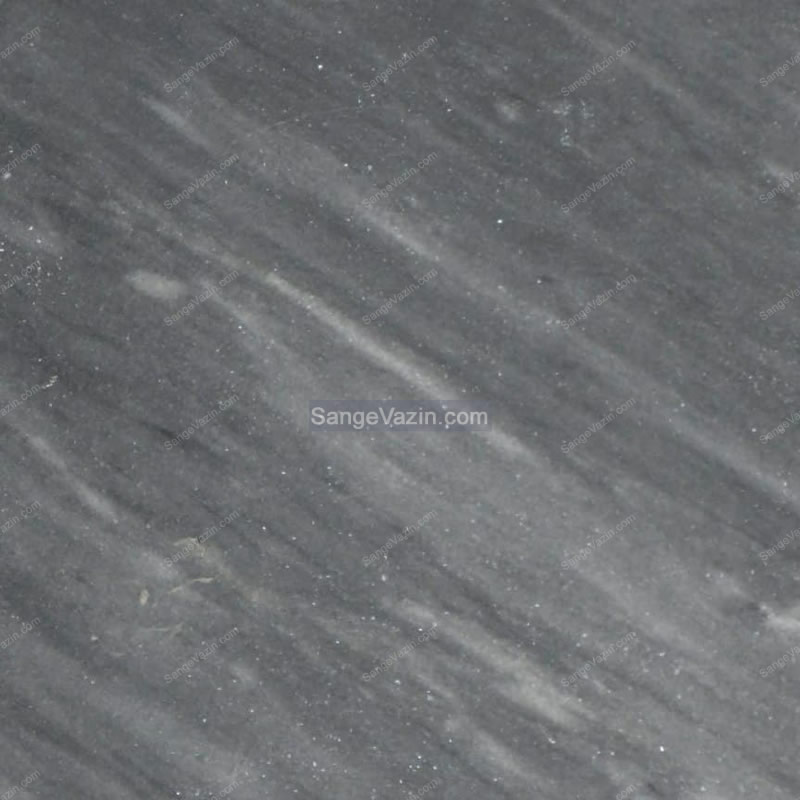
Gray stone tile, with its neutral and modern appearance, offers exceptional versatility in design and pairs effortlessly with other materials. Combining it with white and black stone, exposed concrete, and natural wood is one of the most popular choices in contemporary architecture.
Examples Of Gray Stone Tile
- Pietra Gray Marble
- Persian Silk Marble
- Zahedan Gray Granite
- Laybid Crystal Marble

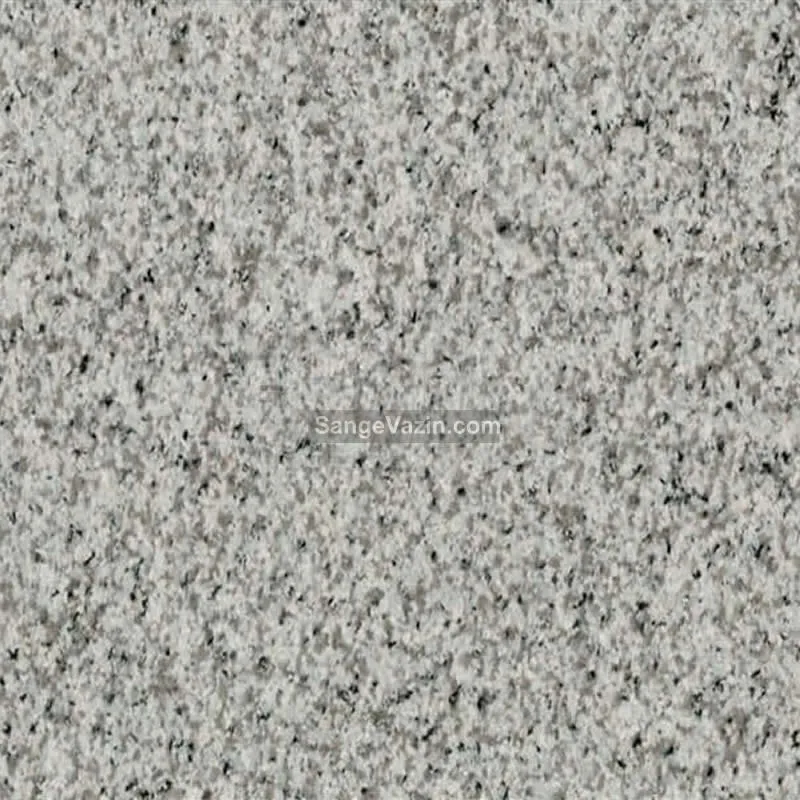
Brown Stone Tile
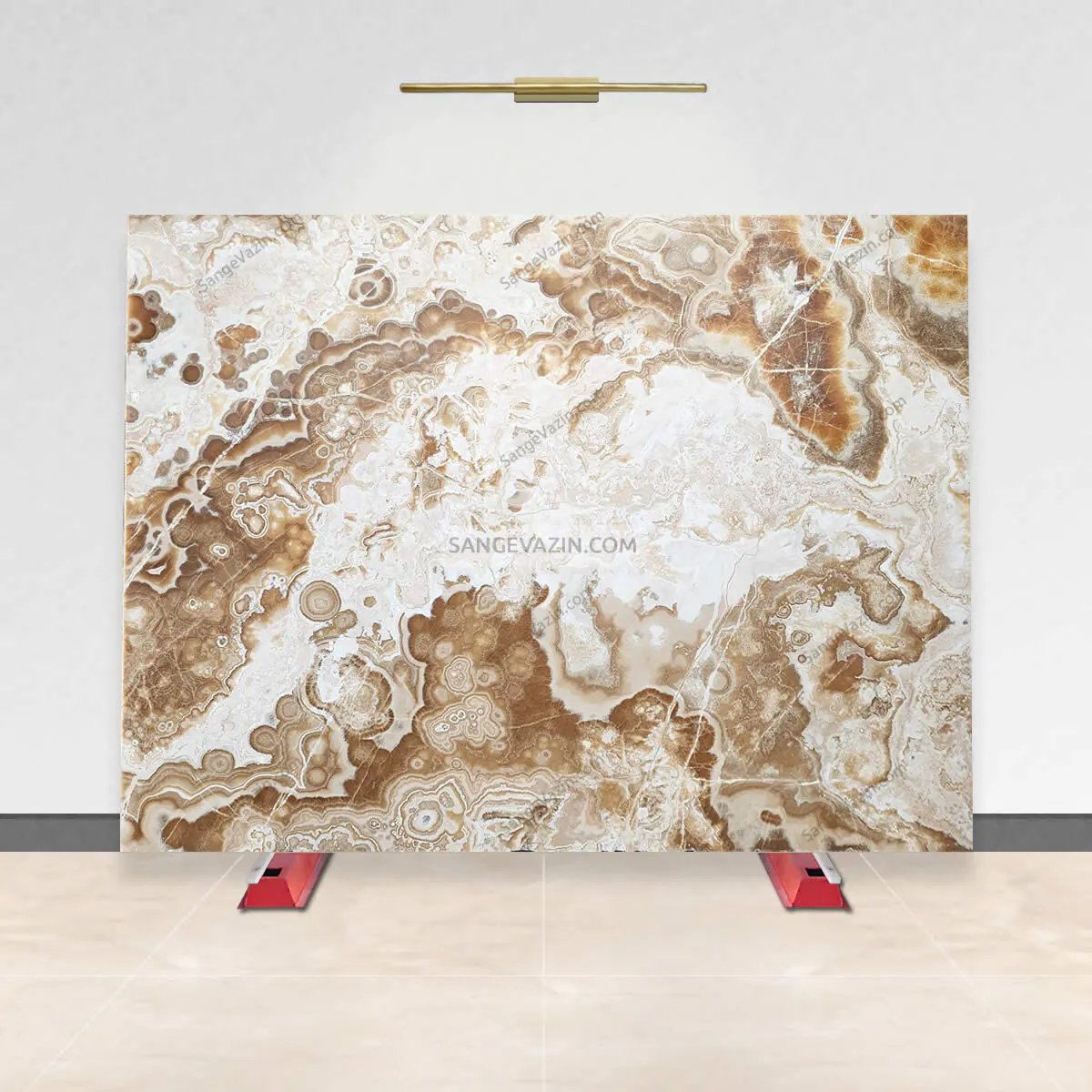
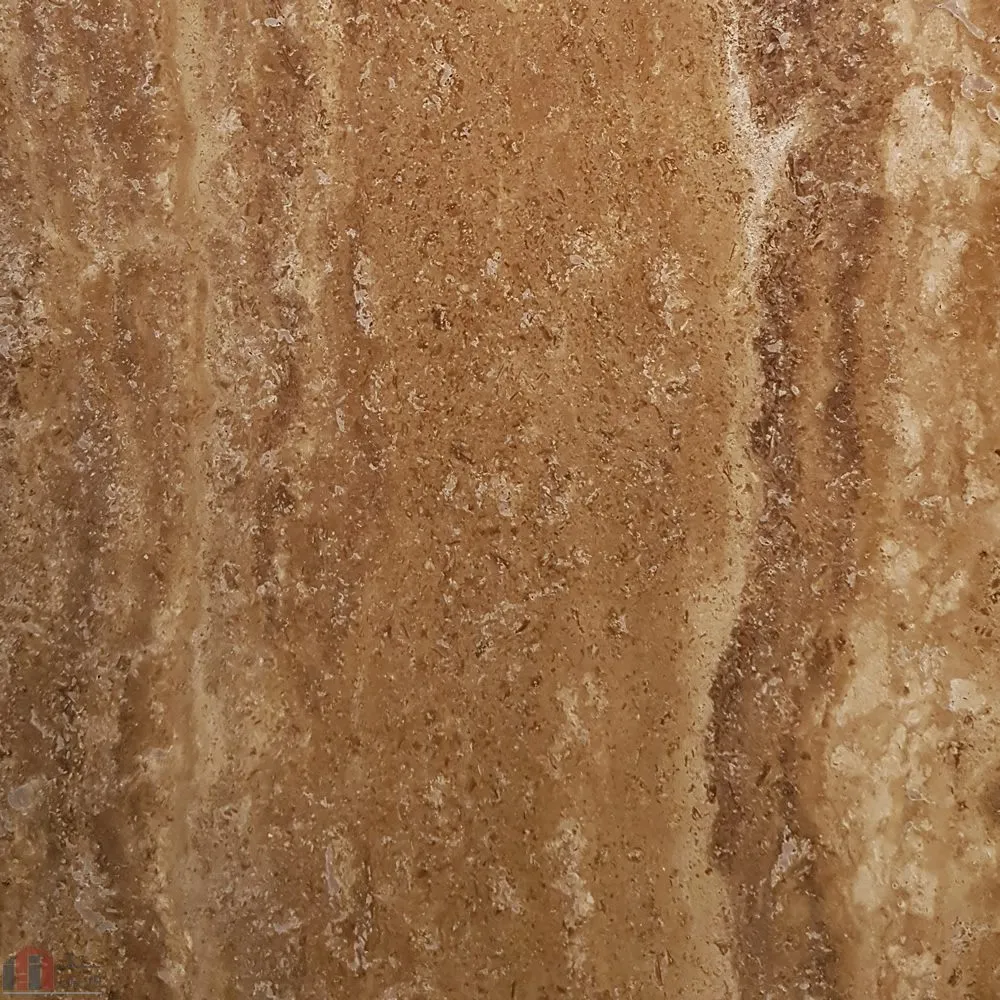
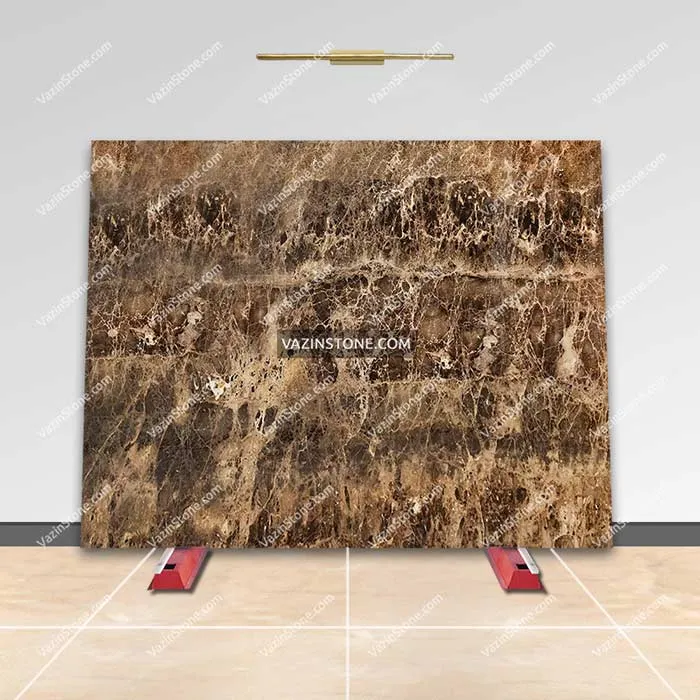
Brown stone tile with chocolate and walnut tones creates a warm, luxurious, and timeless atmosphere and is highly popular for classic and rustic styles. This color pairs beautifully with cream, white, beige, and natural wood, creating a harmonious and visually appealing combination.
Examples Of Brown Stone Tile
Price of Stone Tile
The price of stone tile depends on various factors such as the type of stone, dimensions, thickness, processing quality, and stone sort; therefore, a fixed price cannot be considered for all products. The selection of each of these factors, in addition to the price, also affects the stone’s durability, aesthetics, and final application.
Factors Affecting Stone Tile Prices
- Stone Type: Travertine, marble, granite, crystal marble stone, and onyx each have different values, characteristics, and price ranges.
- Tile Size: The larger the tile dimensions, the higher its price usually is.
- Stone Thickness: Thicker stones generally have a higher price due to the greater amount of raw materials used.
- Processing Quality: Cutting precision, squareness, polishing quality, thickness uniformity, and edge quality are among the most important factors determining the price.
- Sort and Visual Quality: Color, pattern, and veining consistency, along with the stone’s overall condition, play a significant role in determining the final value of the product.
- Surface Finish: Finishes such as polished, leathered, honed, flamed, or bush-hammered, depending on the application and production costs, can affect the final price.
Stone Tile Ordering & Purchasing Process
- Calculating the Required Stone Tile Quantity: Specify the dimensions of the intended space to determine the exact amount of stone tile required.
- Selecting the Type of Stone Tile: Choose from a variety of options based on the stone’s type, color, pattern, durability, and price, according to its intended application for flooring, walls, facades, or stairs.
- Placing an Order: After selecting the stone tile, place your order online or contact the Vazin Stone sales team to receive a pro forma invoice including the product price and preparation details.
- Reviewing and Approving the Pro Forma Invoice: Review the pro forma invoice for your stone tile purchase and, upon approval, pay the full order amount.
- Preparation and Packaging: Your stone tiles are prepared according to your order specifications and securely packaged for safe transportation.
- Delivery and Support: Your order will be delivered on time, and if needed, our support team will be available to provide guidance on stone installation and maintenance.
What is stone tile?
Tile stone is a type of cut building stone available in standard, uniform dimensions, commonly used for flooring, walls, facades, stairs, and both interior and exterior spaces. It offers easier installation and a more cost-effective option compared to slabs.
What are the most common stone tile sizes?
The most common dimensions for stone tiles include 40×40, 50×50, 60×60, and 80×80 cm. Rectangular tiles, such as 30×60 and 40×80 cm, are also used for floors, walls, and hallways.
How is the price of stone tile calculated?
The price of stone tiles is determined based on the type of stone, dimensions, thickness, processing quality, cutting precision, polishing grade, and order quantity. Specialty stones such as marble and certain premium grades have a higher price compared to other building stones.
What should be considered when purchasing stone tiles?
When purchasing stone tiles, you should consider the type of stone, intended application, compressive strength, water absorption, color uniformity, polishing quality, dimensional accuracy, thickness, and project budget to select the best option suited to the building’s requirements.
Is it possible to order stone tiles in custom dimensions?
Yes. Many stone tiles can be produced in custom dimensions and thicknesses. Custom dimensions are typically cut based on the project drawings and the client’s requirements.
What is the difference between stone tile and Slab Stone?
Stone tile can be used for flooring in halls, living rooms, bedrooms, parking areas, staircases, interior walls, bathrooms, lobbies, courtyards, and certain building facades. The type of stone should be selected based on the environmental conditions and level of foot traffic.
Where are stone tiles suitable for use in a building?
Stone tiles are suitable for use in hallways, living rooms, bedrooms, parking areas, staircases, interior walls, bathrooms, lobbies, courtyards, and certain building facades. The type of stone should be selected based on the environmental conditions and level of traffic.