
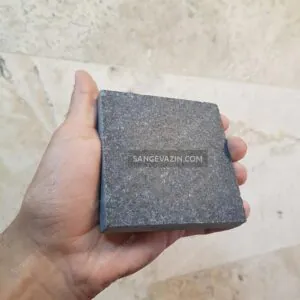
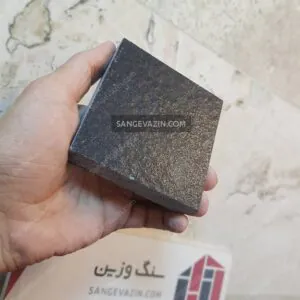
Basalt is one of the most widely used igneous stones in the construction industry. It is formed by the rapid cooling of volcanic lava at the Earth’s surface. Ranging in color from gray to black, basalt features a dense yet porous structure. Thanks to its exceptional strength, durability, and contemporary appearance, it has become one of the most sought-after natural stones in modern construction. Not long ago, few would have imagined that basalt, with its distinctive volcanic character, would emerge as a defining material in contemporary architecture.
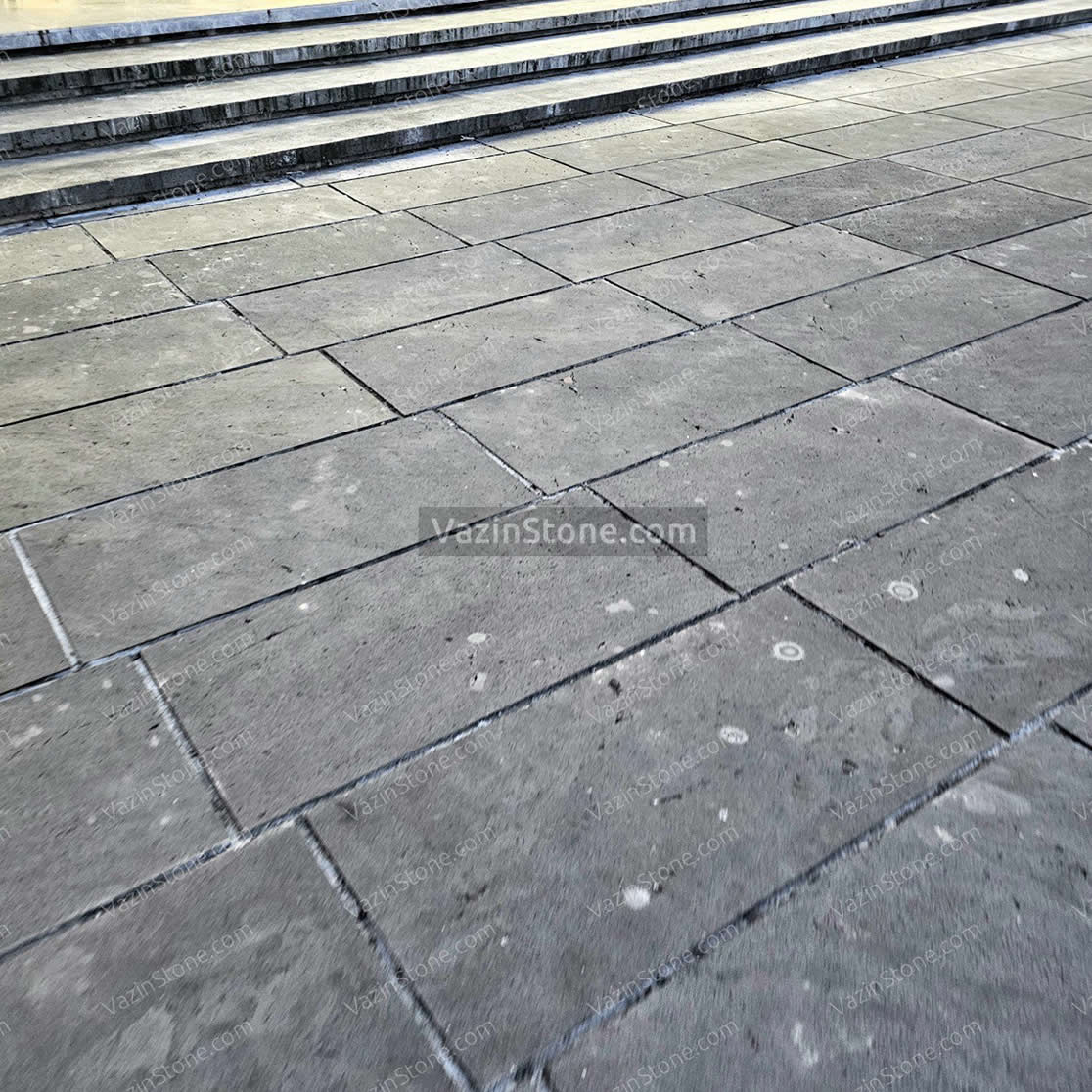
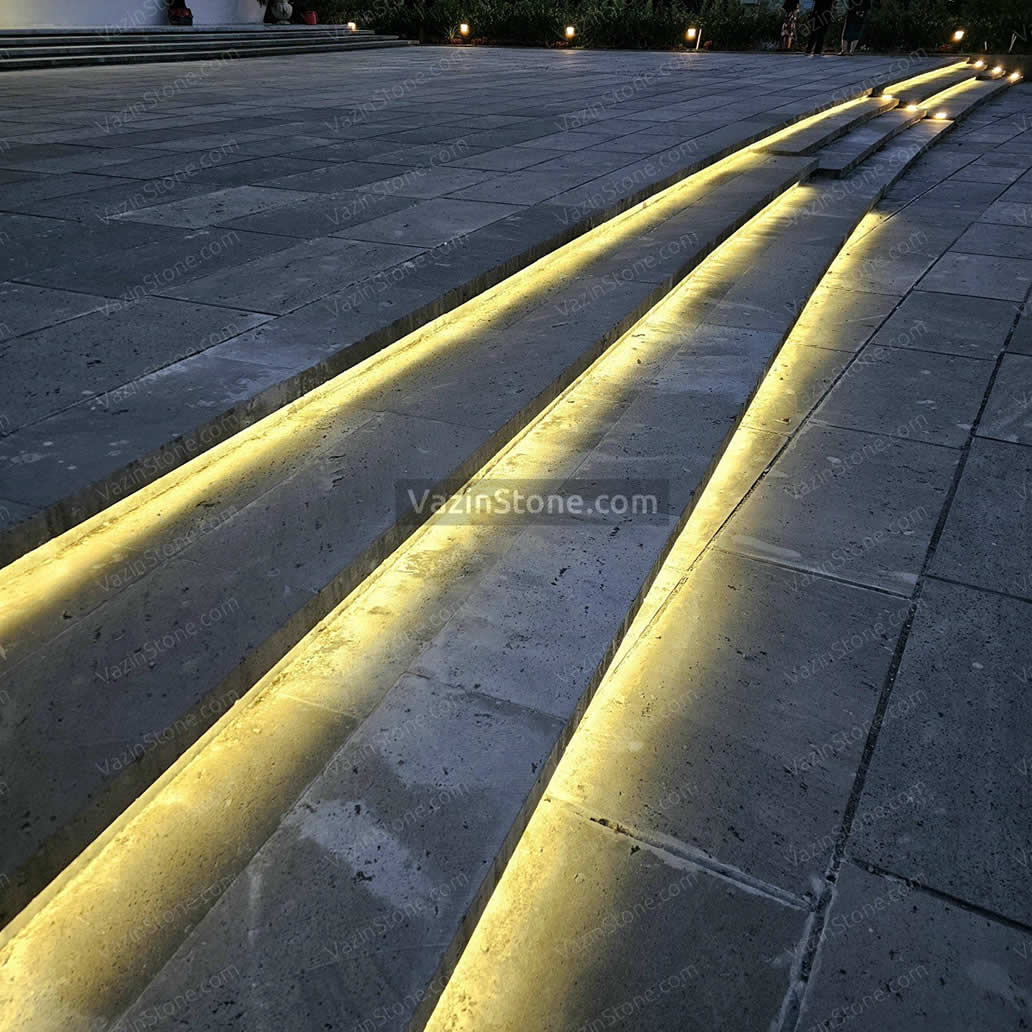
For many years, it was primarily associated with practical applications such as pumice stone. However, since late 2021, basalt has gained remarkable popularity in both interior and exterior architectural design. The dark gray color and natural texture of basalt make it possible to combine it with other materials, especially crystalline stones. This color contrast, particularly when paired with concealed modern lighting, gives spaces a highly elegant and contemporary appearance. As a result, basalt is extensively used for flooring, wall cladding, staircases, landscaping, and the fabrication of a wide variety of stone products.
Size of Basalt Stone
Basalt stone is available in the following dimensions:
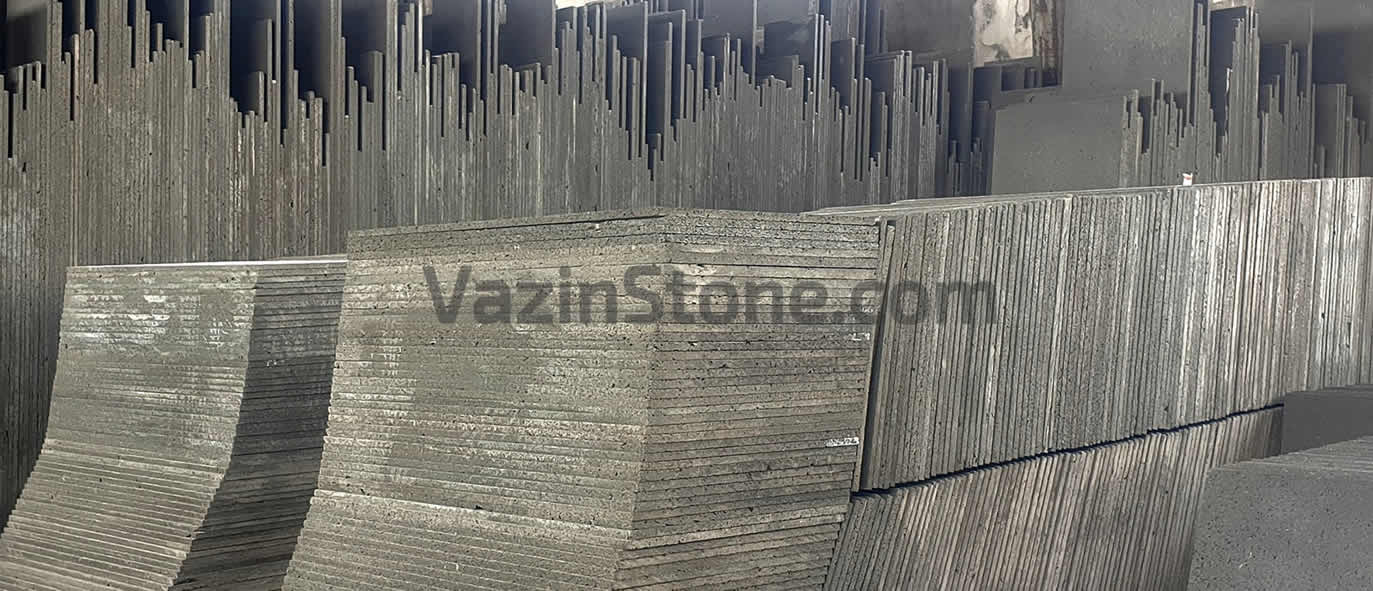
- Tiles: 40 × 40 cm with a thickness of 2 cm
- Stairs: 35 cm wide, with a thickness of 3 cm
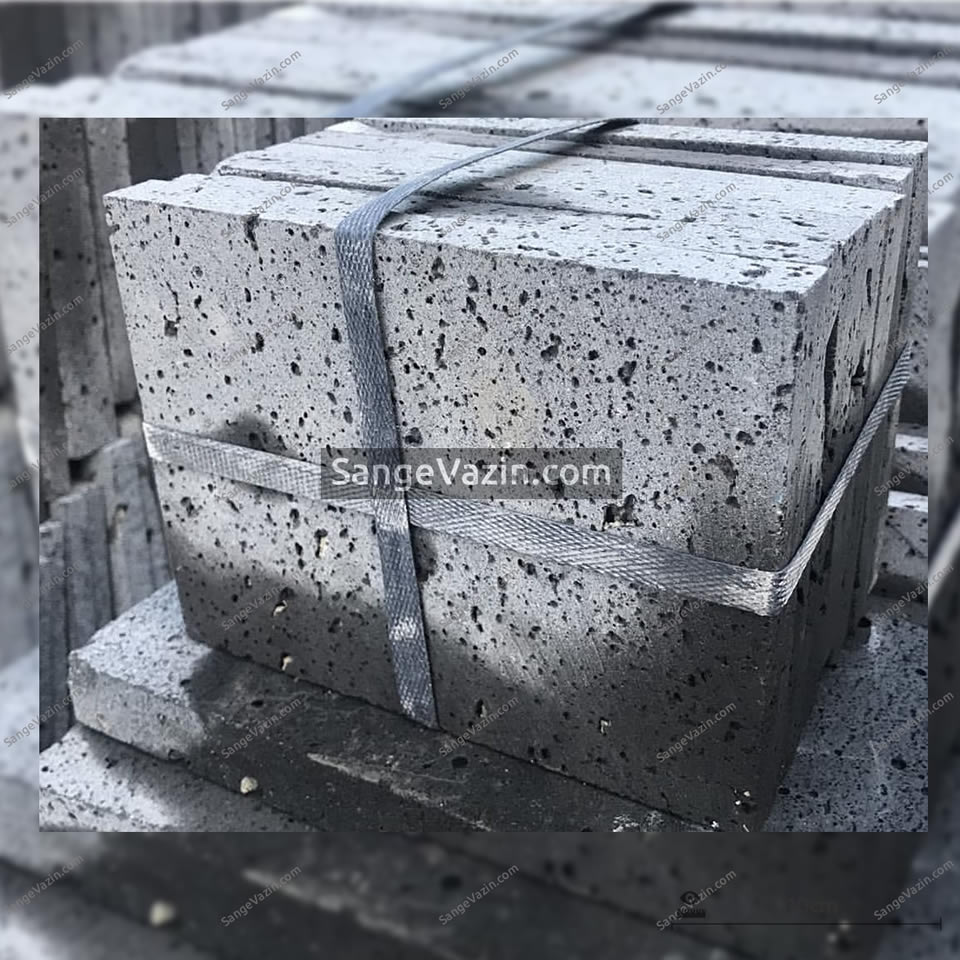
Features of Basalt Stone
Some of the most important characteristics of basalt stone include:
- Due to its porous structure, this stone is heavier than granite
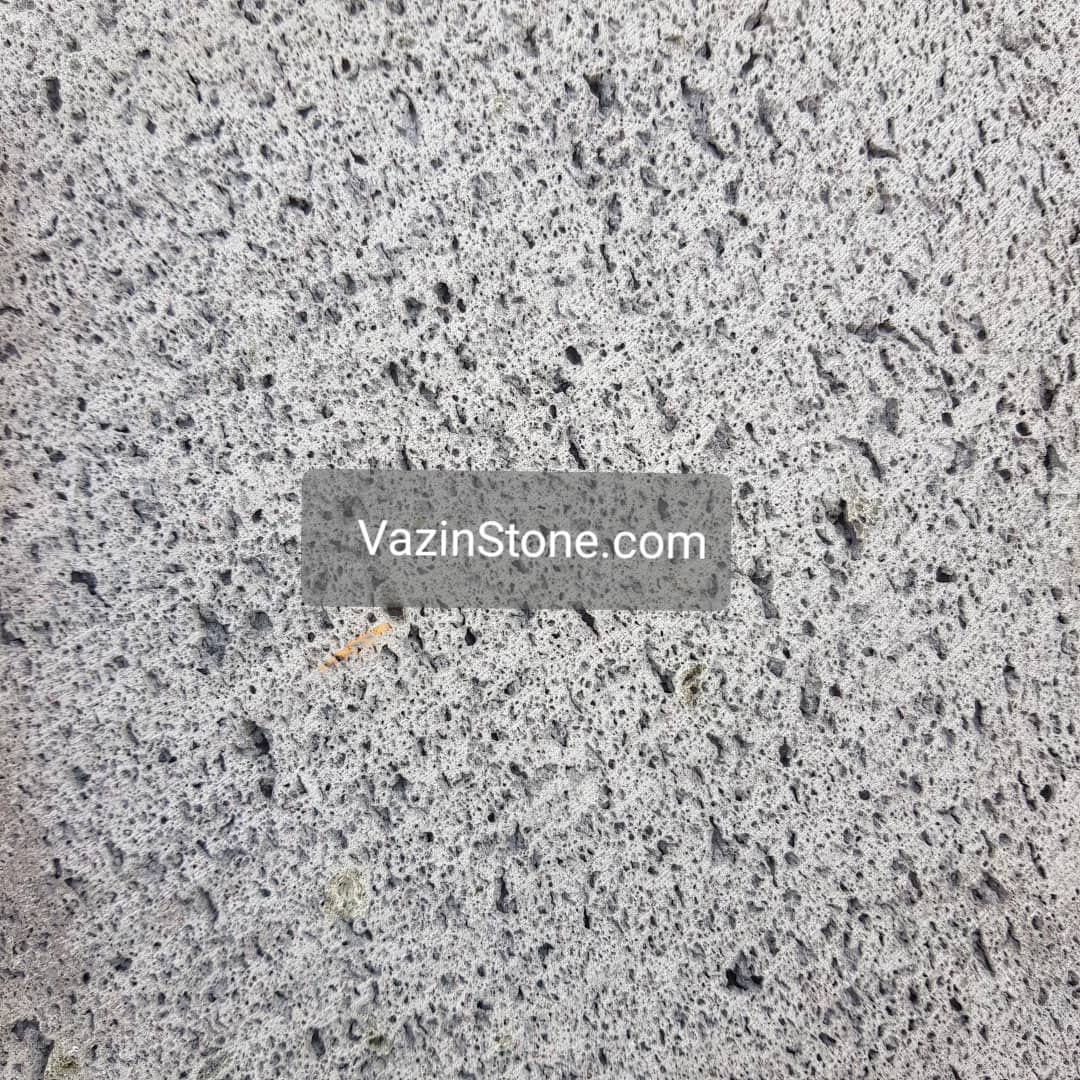
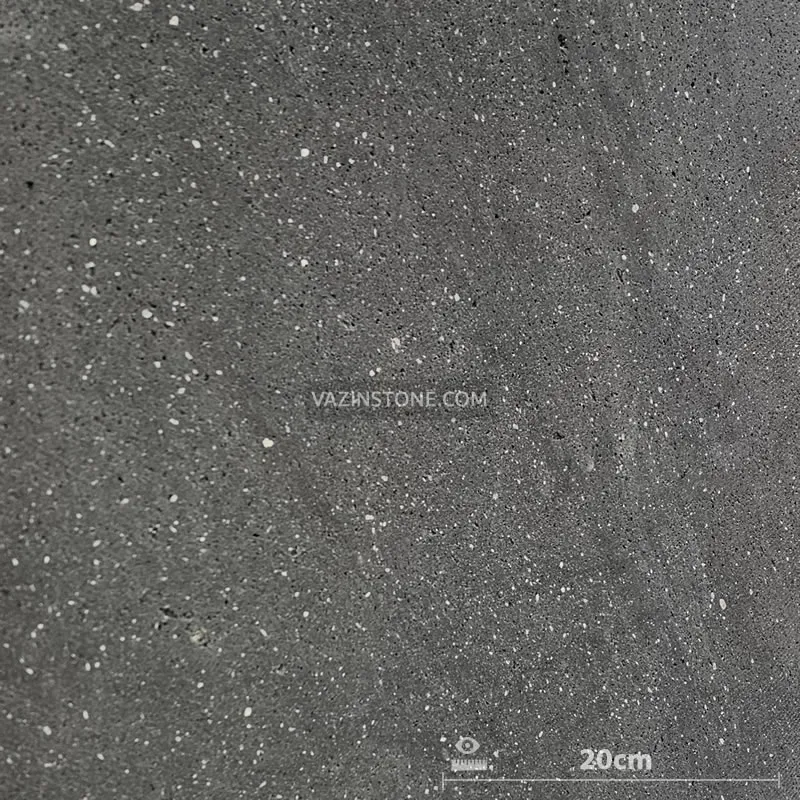
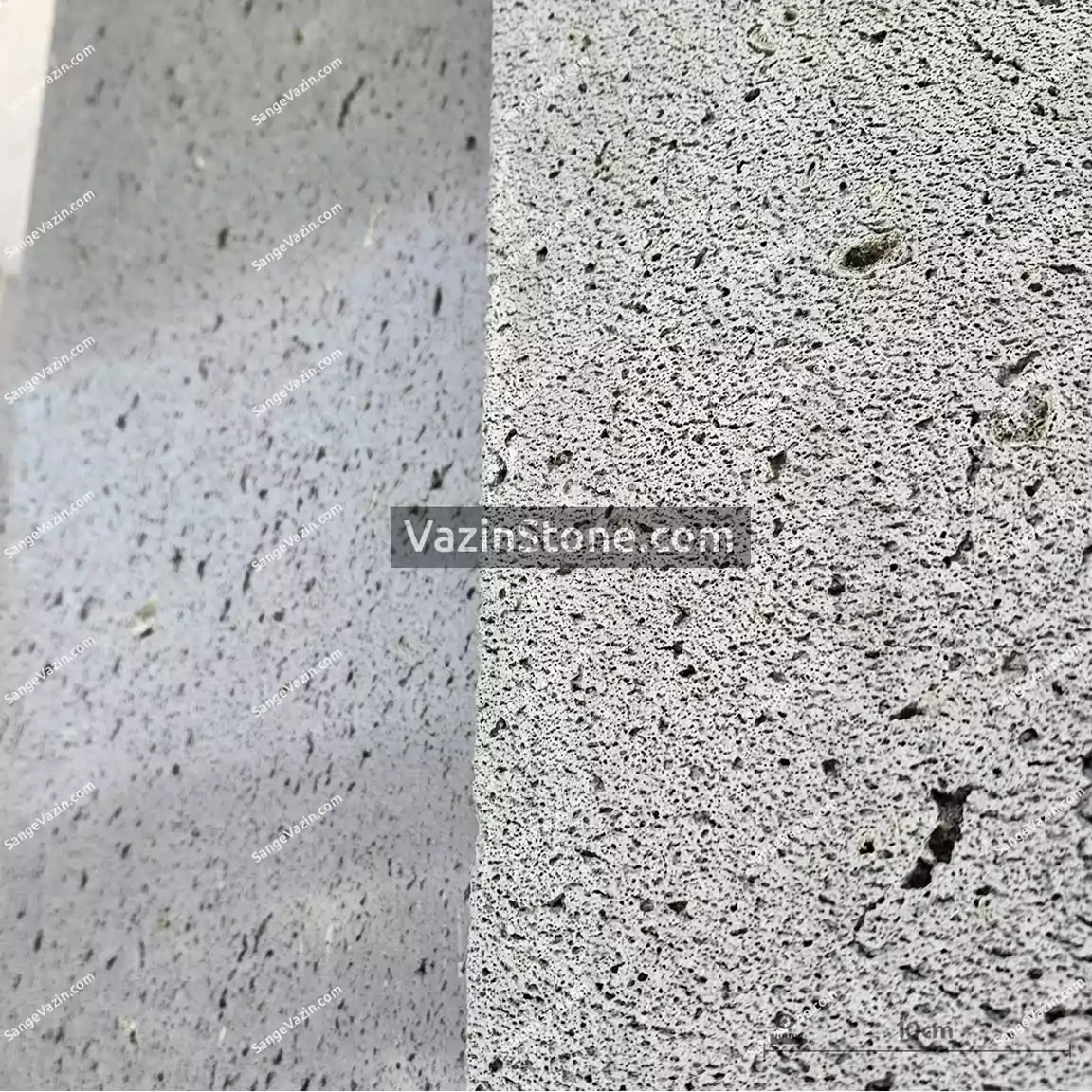
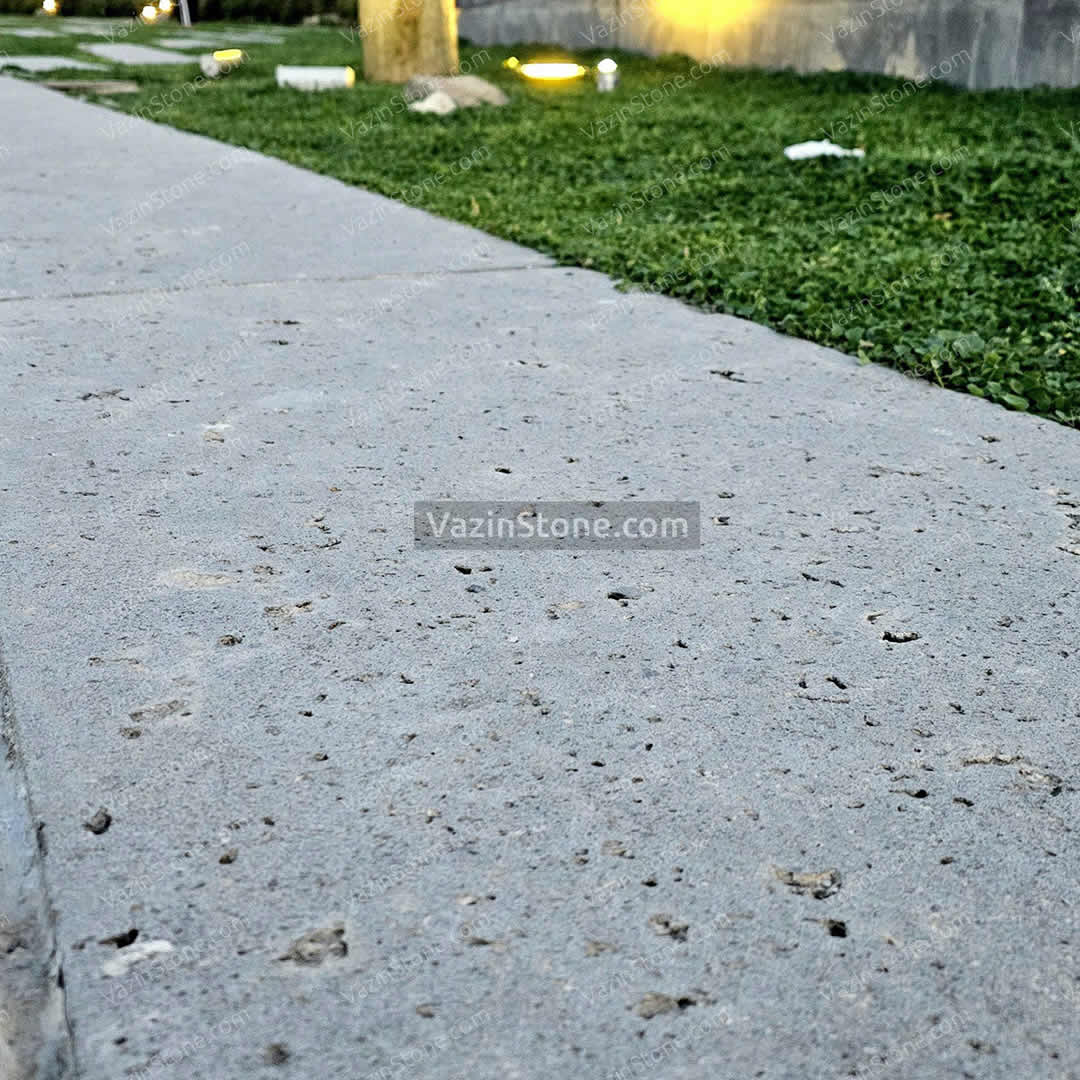
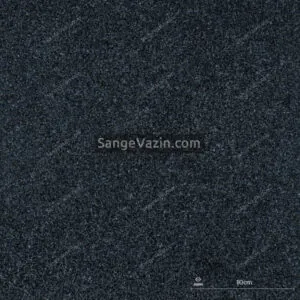
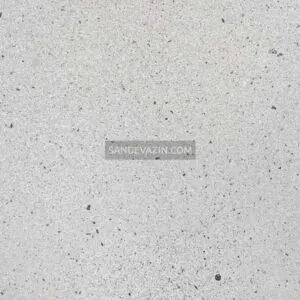
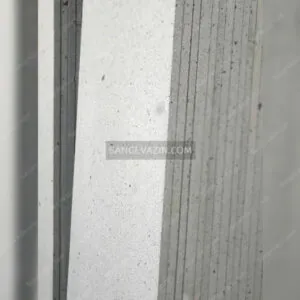
- The surface pores of this stone can create the appearance of a cement or exposed concrete finish.
- Basalt fibers are used in the production of rock wool. The stone is first melted in a furnace and then converted into fibers.
- Due to the igneous nature of the materials that make up this stone, it is sometimes placed in the category of granites. It is also sometimes called “puffy granite” or porous granite.
- The high friction and resistance of this stone can make it a very suitable option for parking ramps.
Basalt Stone Finishes
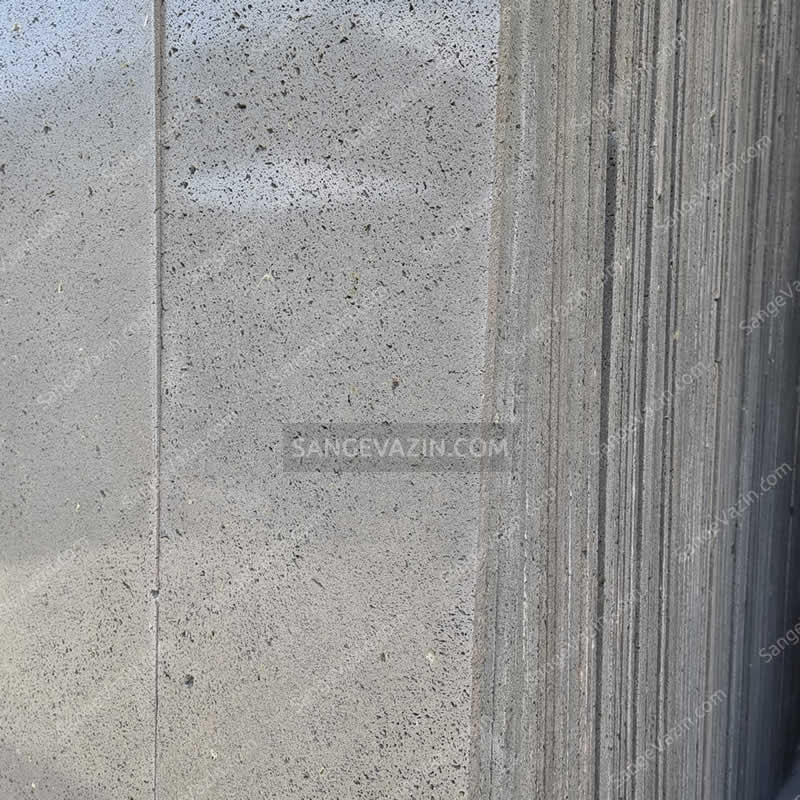
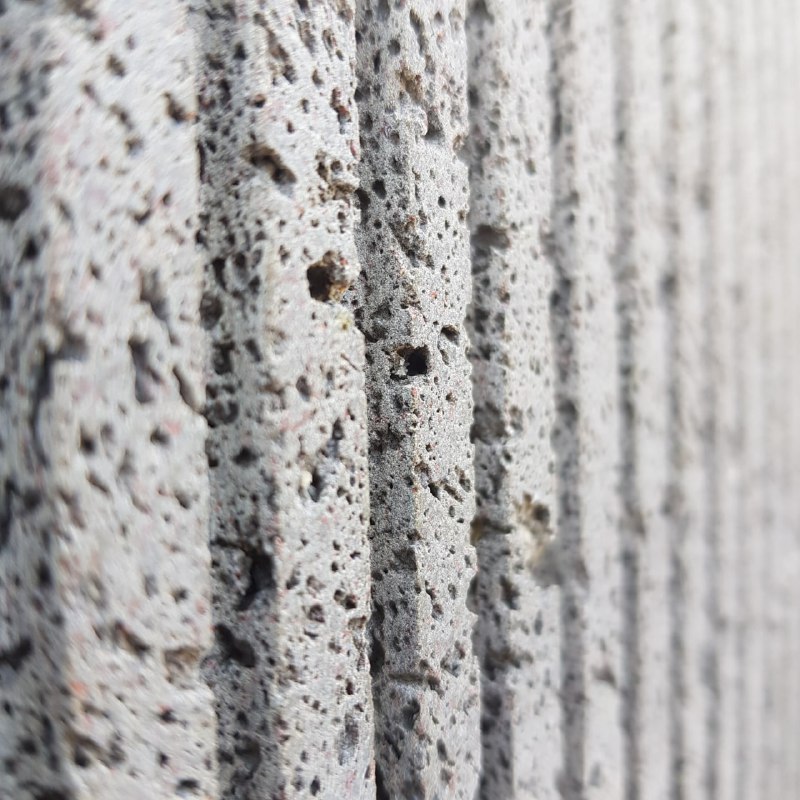
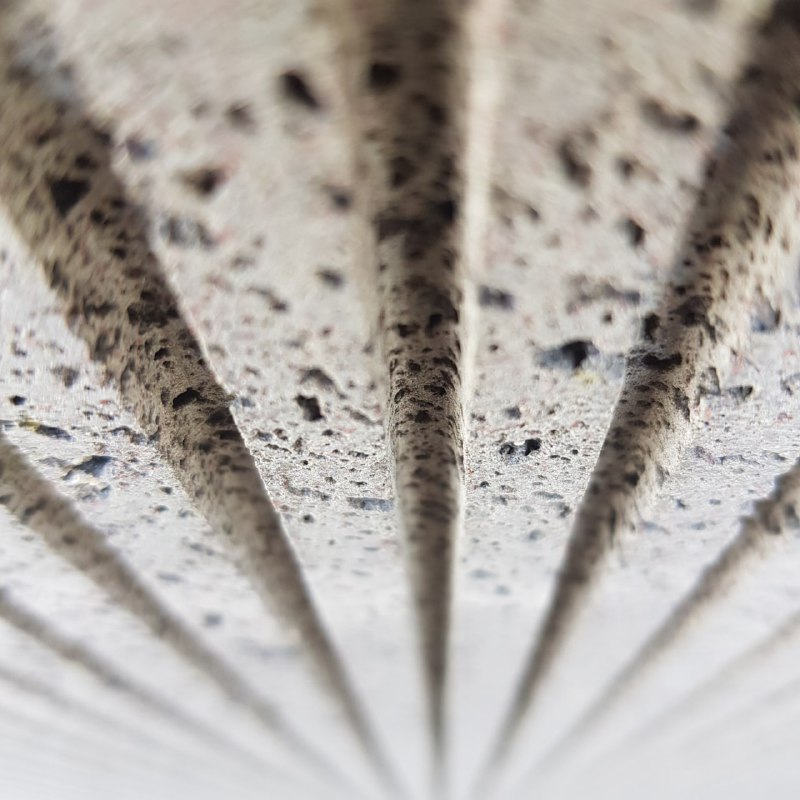
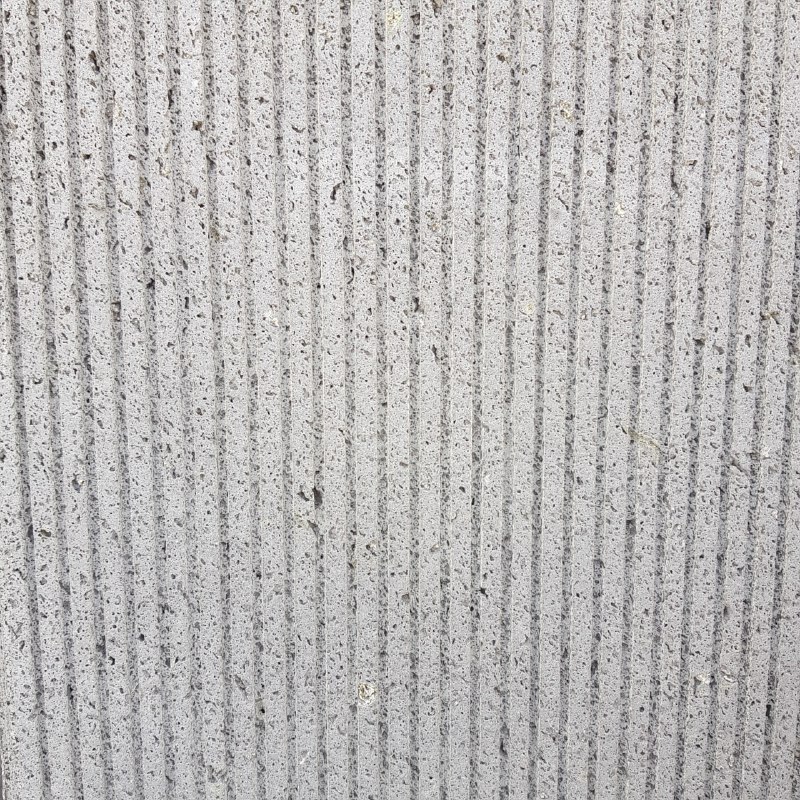
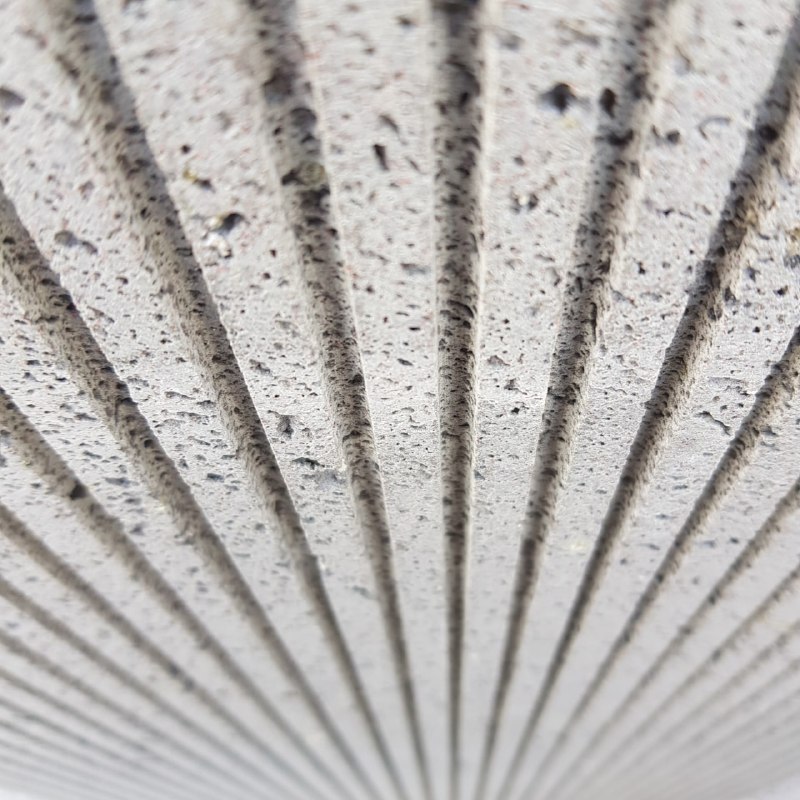
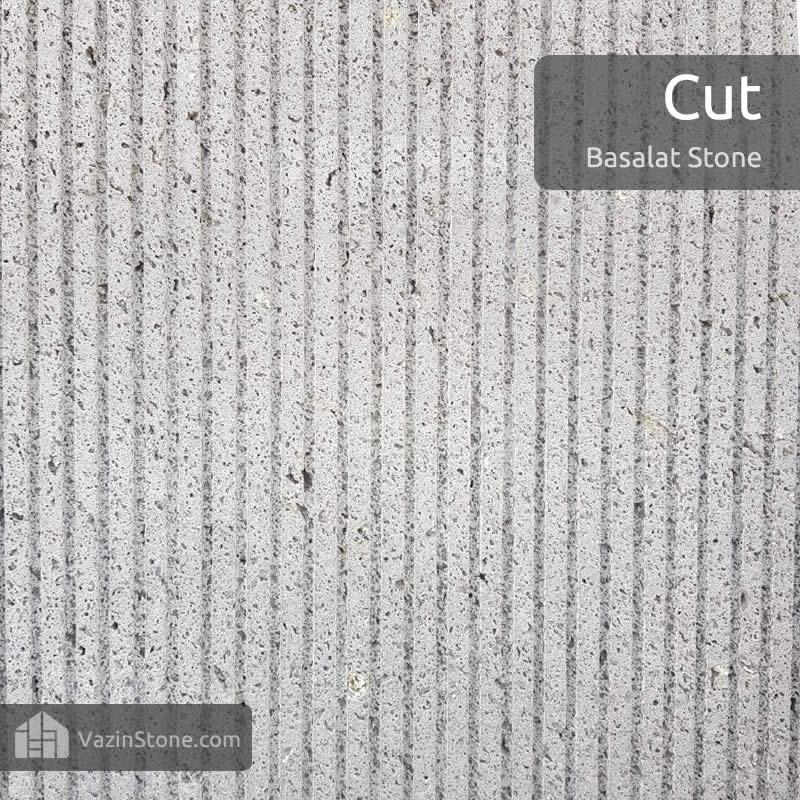
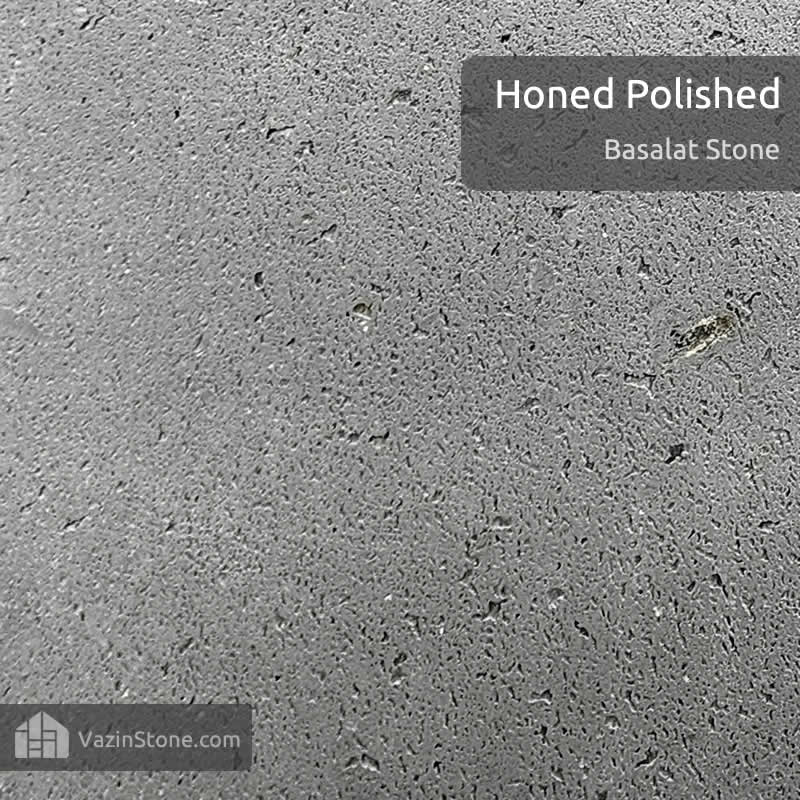
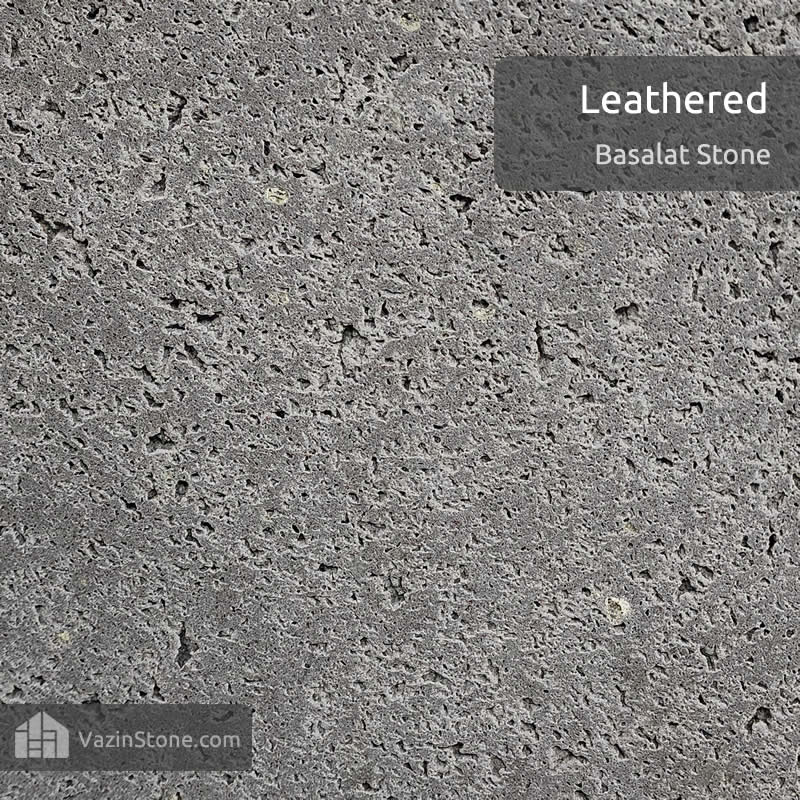
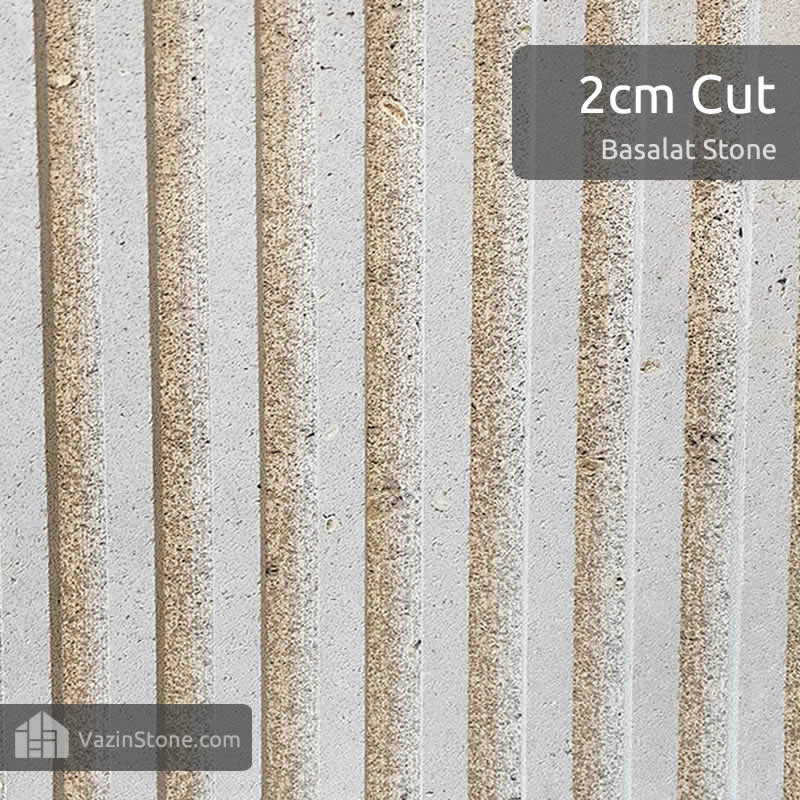
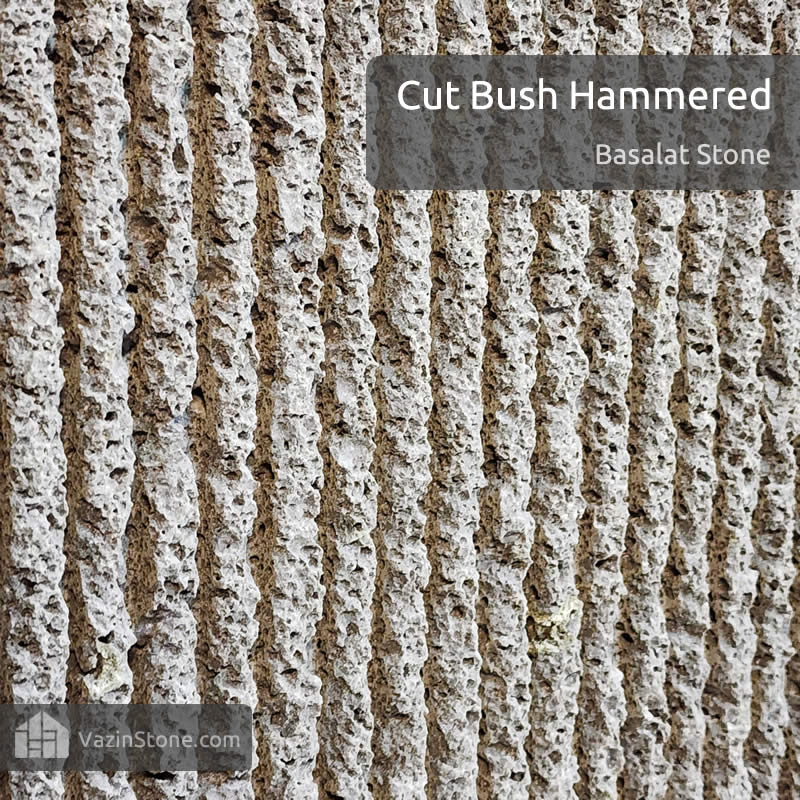
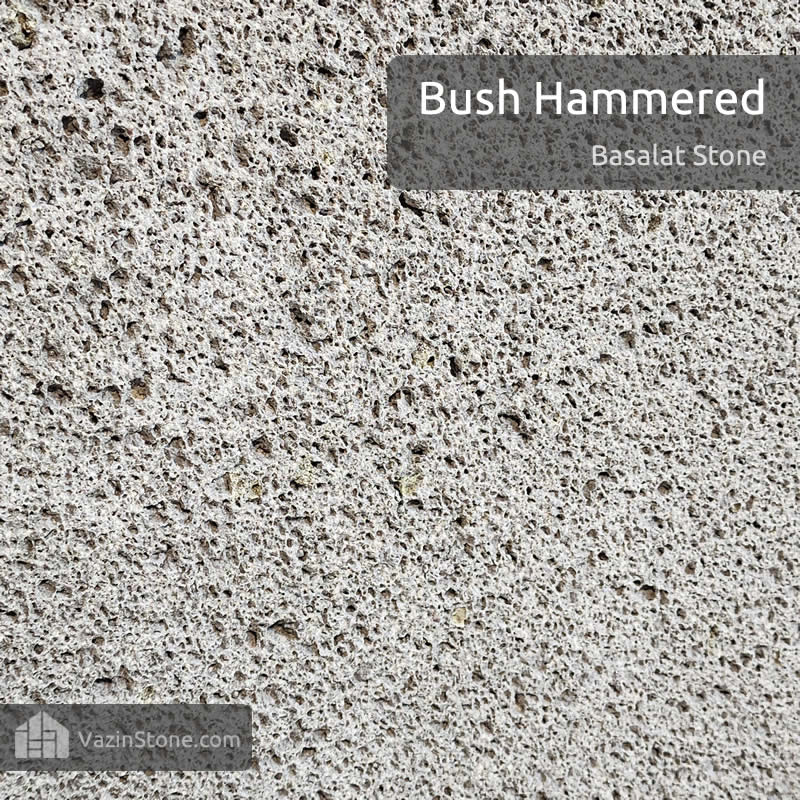
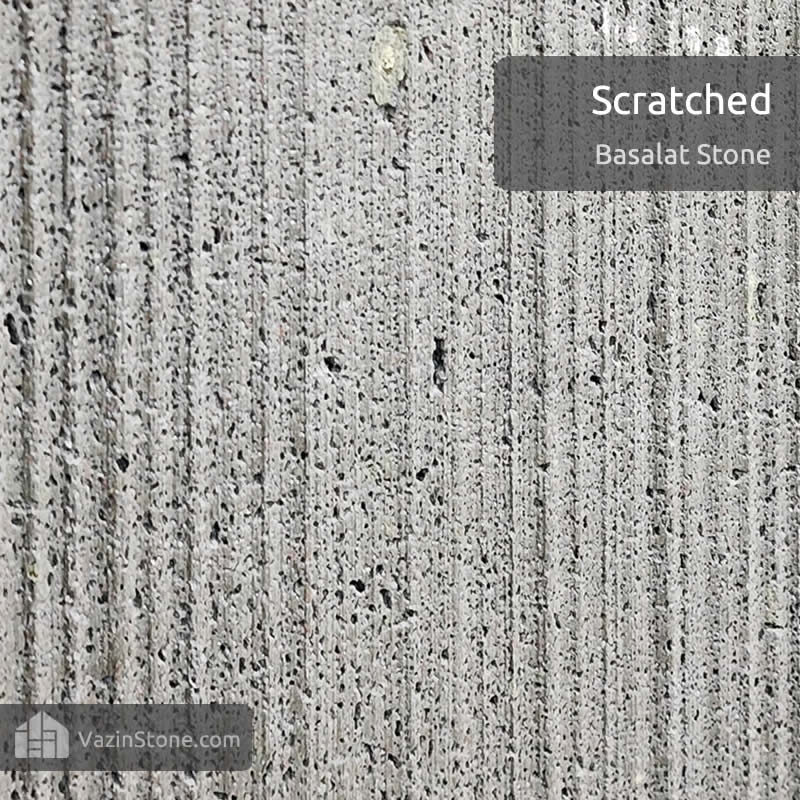
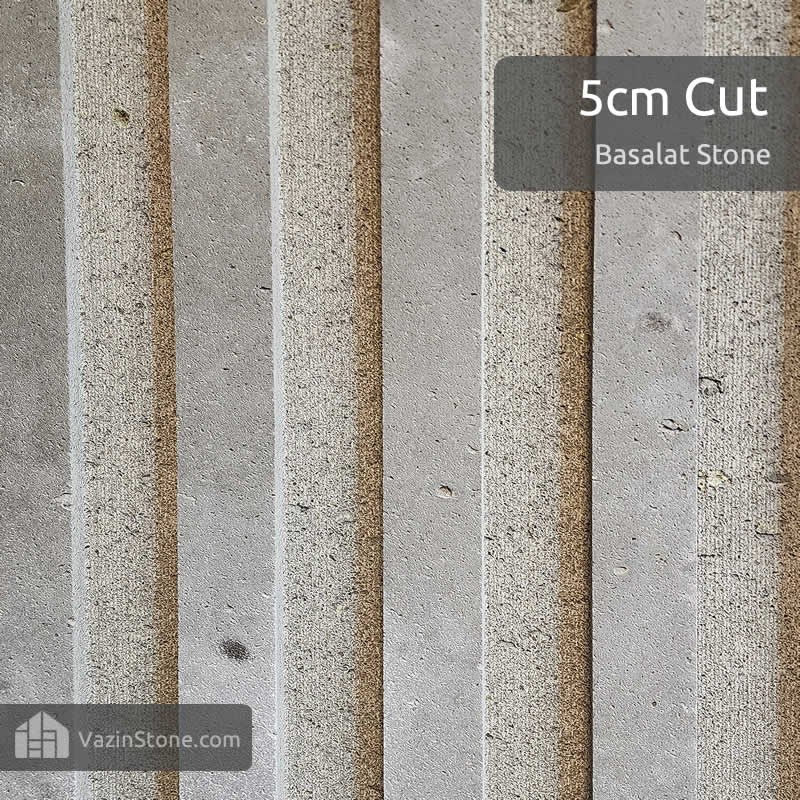
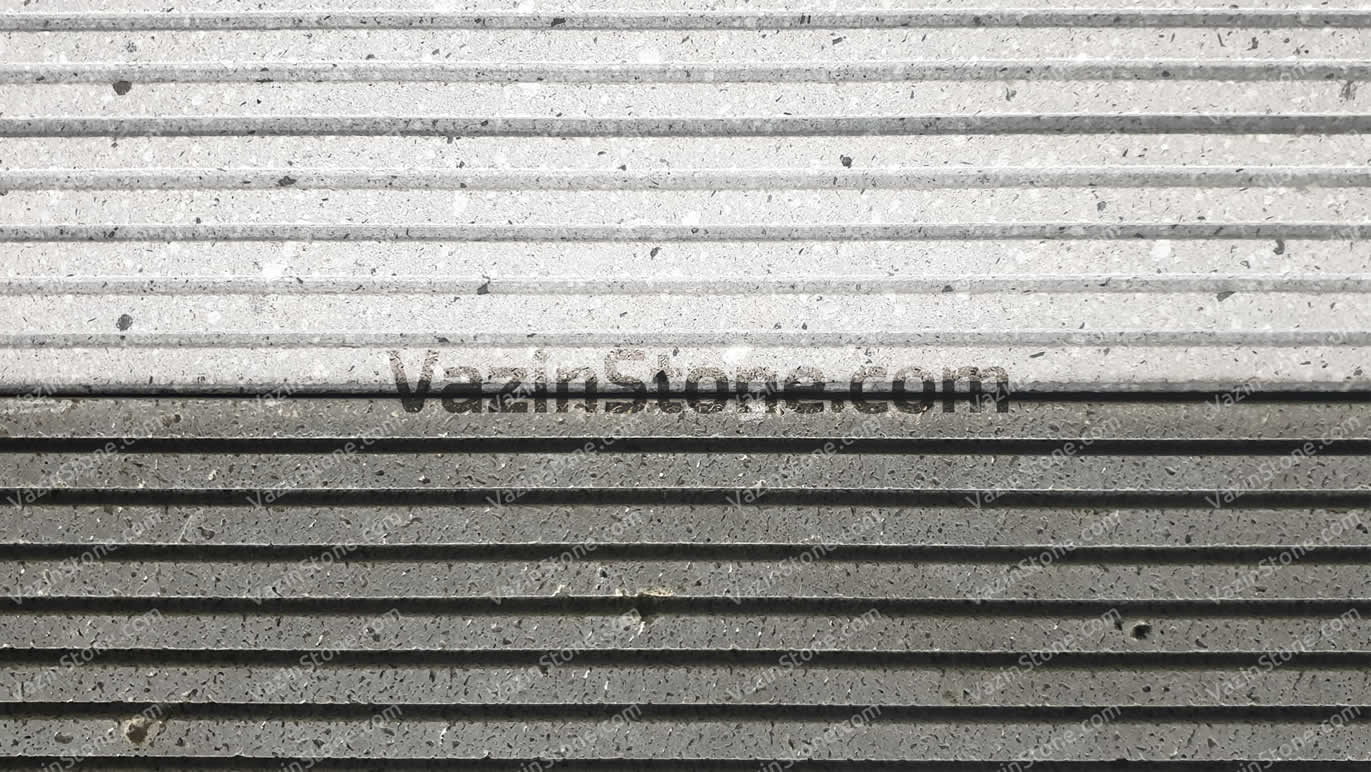
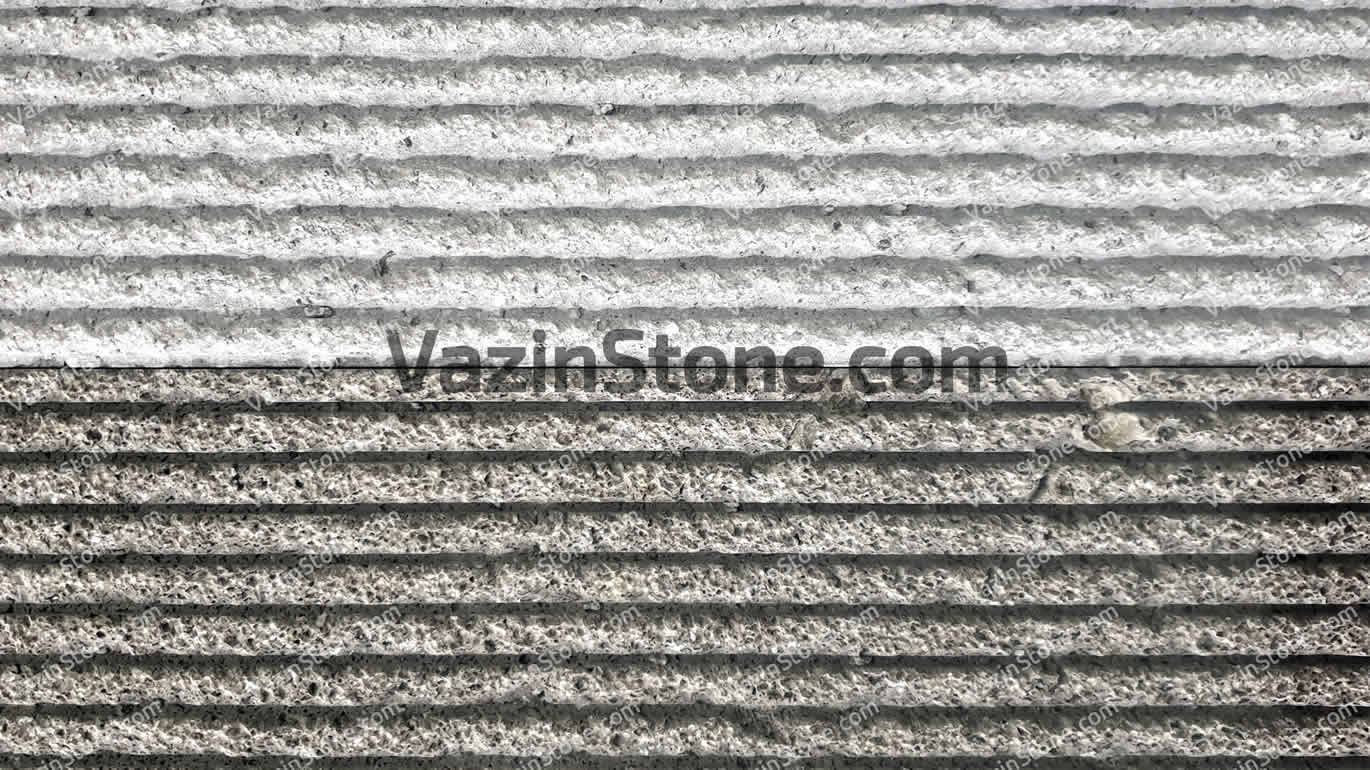
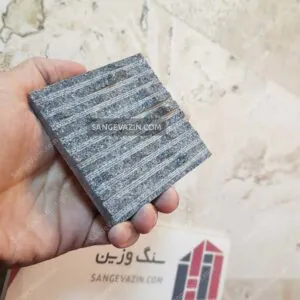
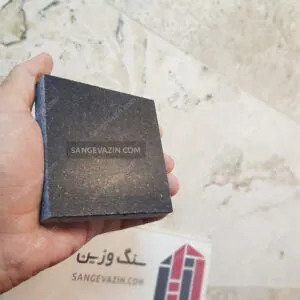
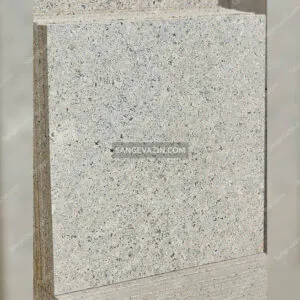
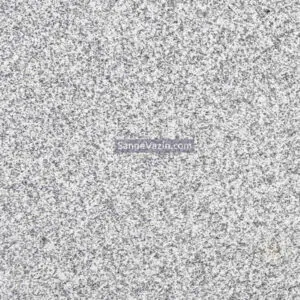
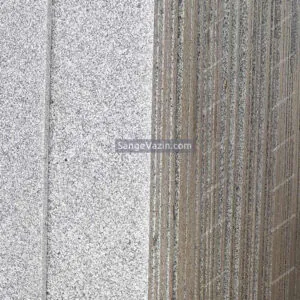
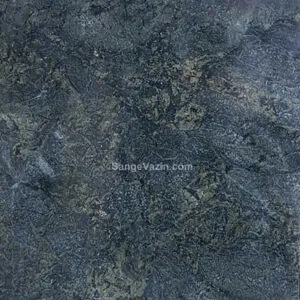
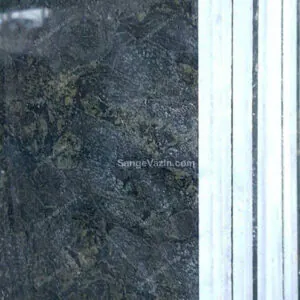
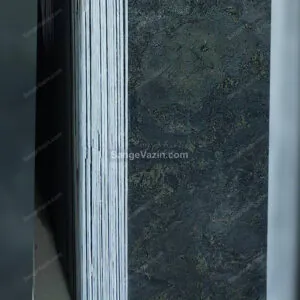
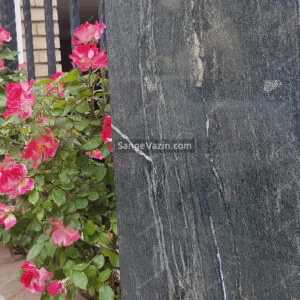
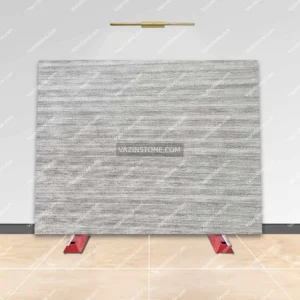
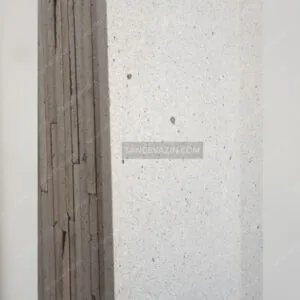
Due to its high durability, Basalt Stone can be processed with a variety of surface finishes, each designed for a specific application. Basalt Stone is available in the following finishes: Honed, Cut (Grooved), Bush Hammered, Cut Bush Hammered, Scratched, and 1, 2, and 5 cm Grooved, all of which can be viewed in the gallery below. The price of each finish is also listed in the pricing box.
Basalt Stone Formation
Basalt Stone is formed when molten magma cools and crystallizes, creating extrusive igneous rocks. In some cases, red and orange colors appear on the stone, indicating the oxidation of iron within the basalt. In certain geological processes, the movement of tectonic plates along oceanic boundaries allows molten material to rise from beneath the Earth’s surface and erupt onto the ocean floor. As the lava cools rapidly underwater, it forms pillow lava. Because these processes occur deep beneath the ocean, any ash and gases produced dissolve into the surrounding water. In warm oceanic regions, molten material continues to emerge from the seabed through repeated eruptions, gradually accumulating and eventually forming islands.
The advantages of Basalt stone
Basalt stone is used in various industries due to its abundance. The various advantages of basalt stone are very valuable and are widely used in the construction industry. The following are the advantages of basalt stone:
- High resistance to moisture and water
- Absorbs carbon dioxide (CO₂) from the air.
- Strong adhesion to all kinds of building materials
- Environmentally friendly due to its non-toxic properties
- Algae-resistant, making it suitable for humid environments
Uses of Basalt Stone
Basalt stone is used in the following two general categories:
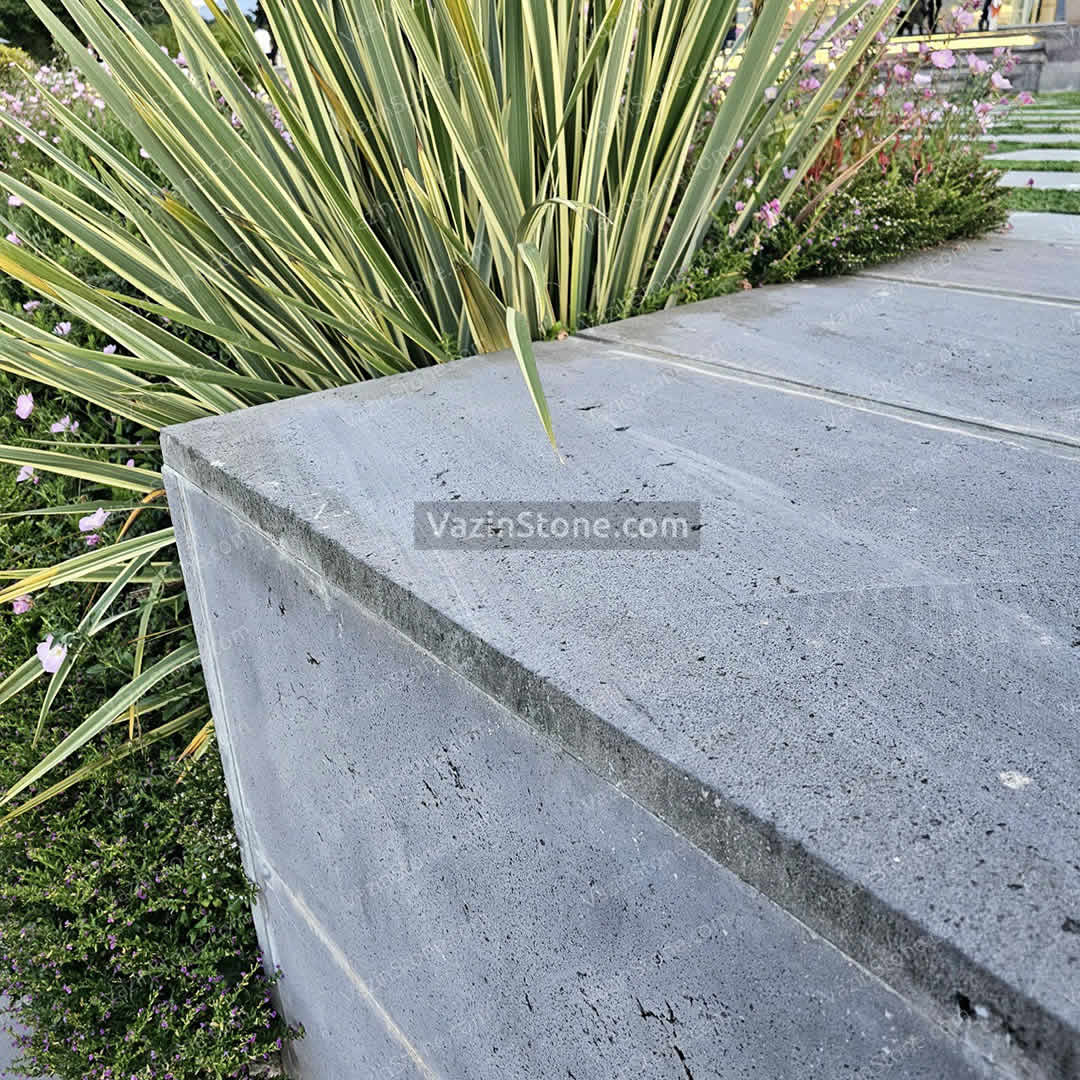
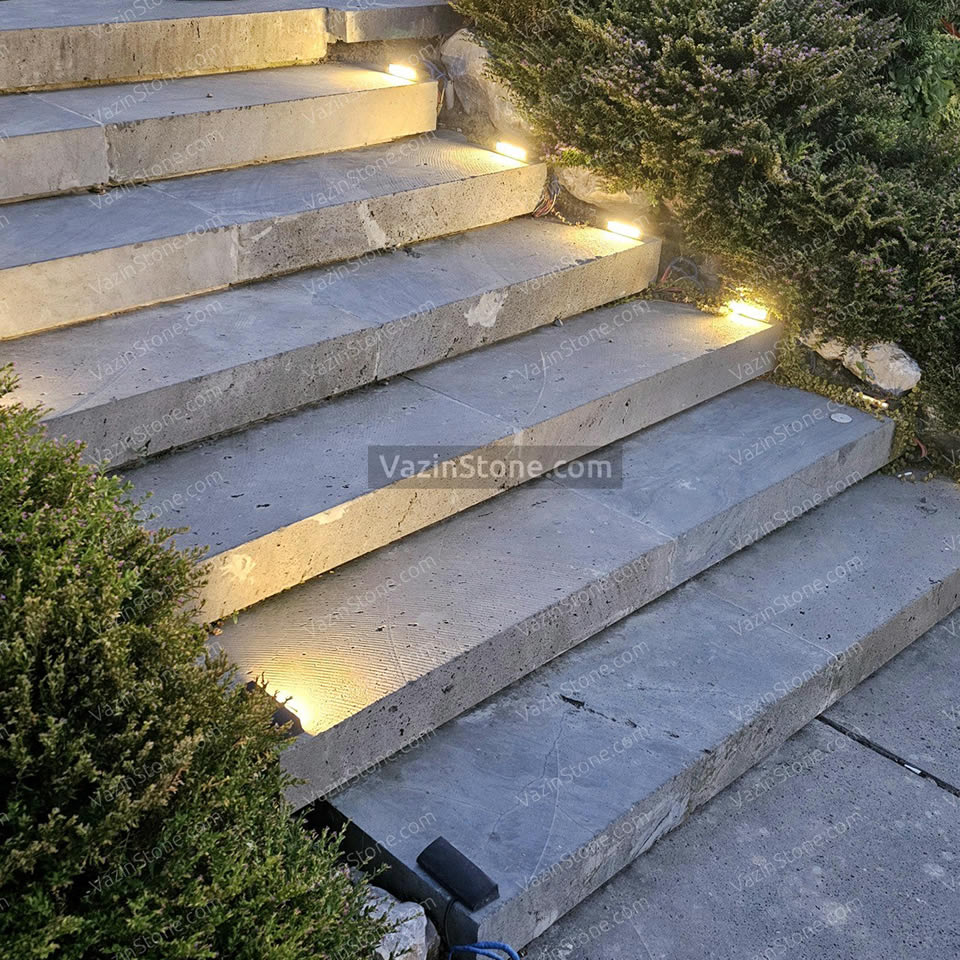
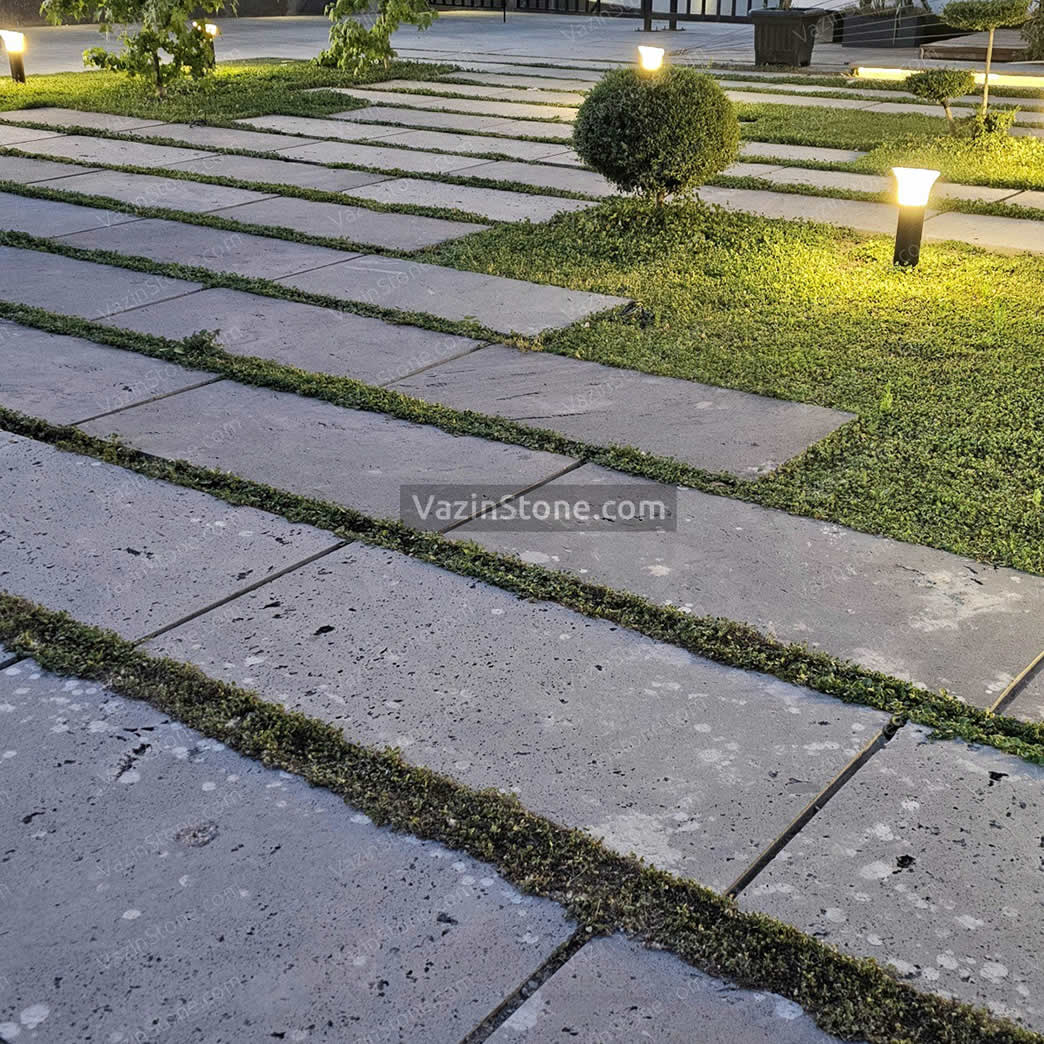
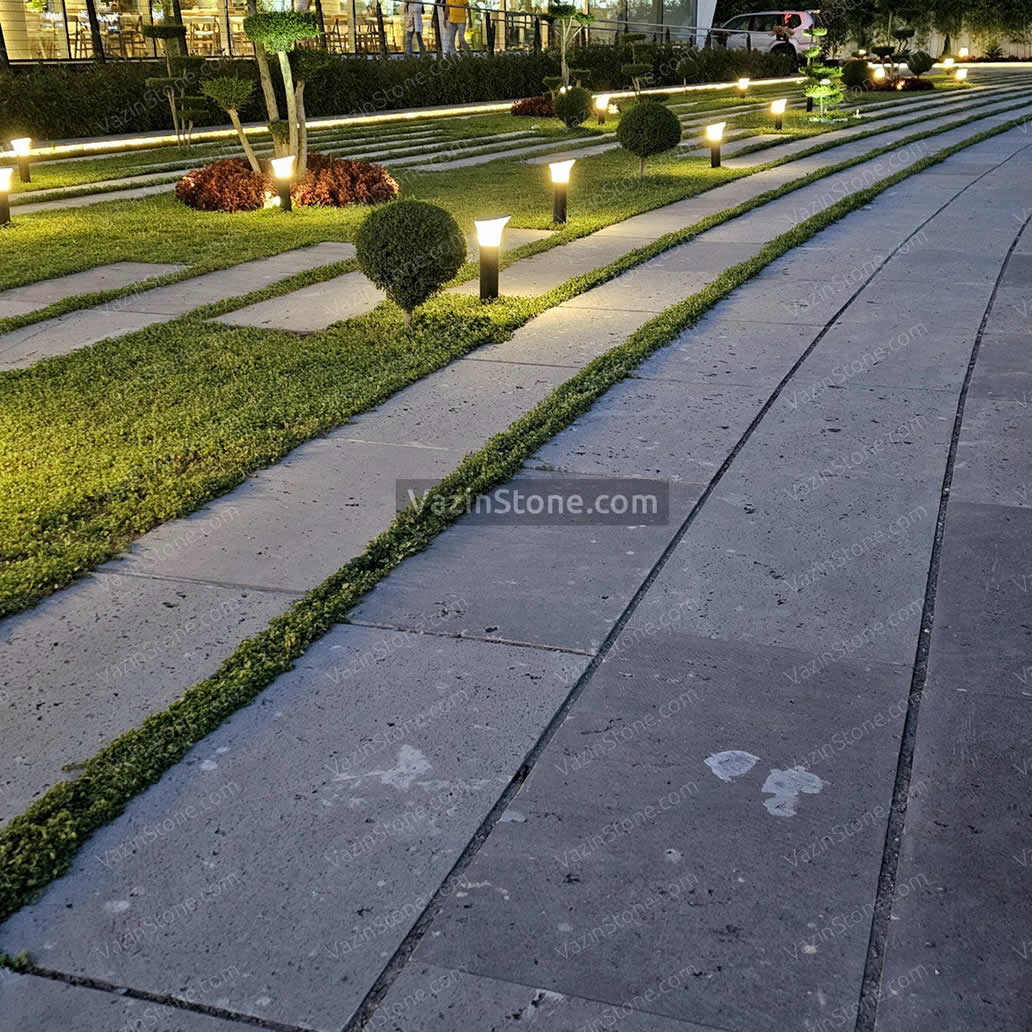
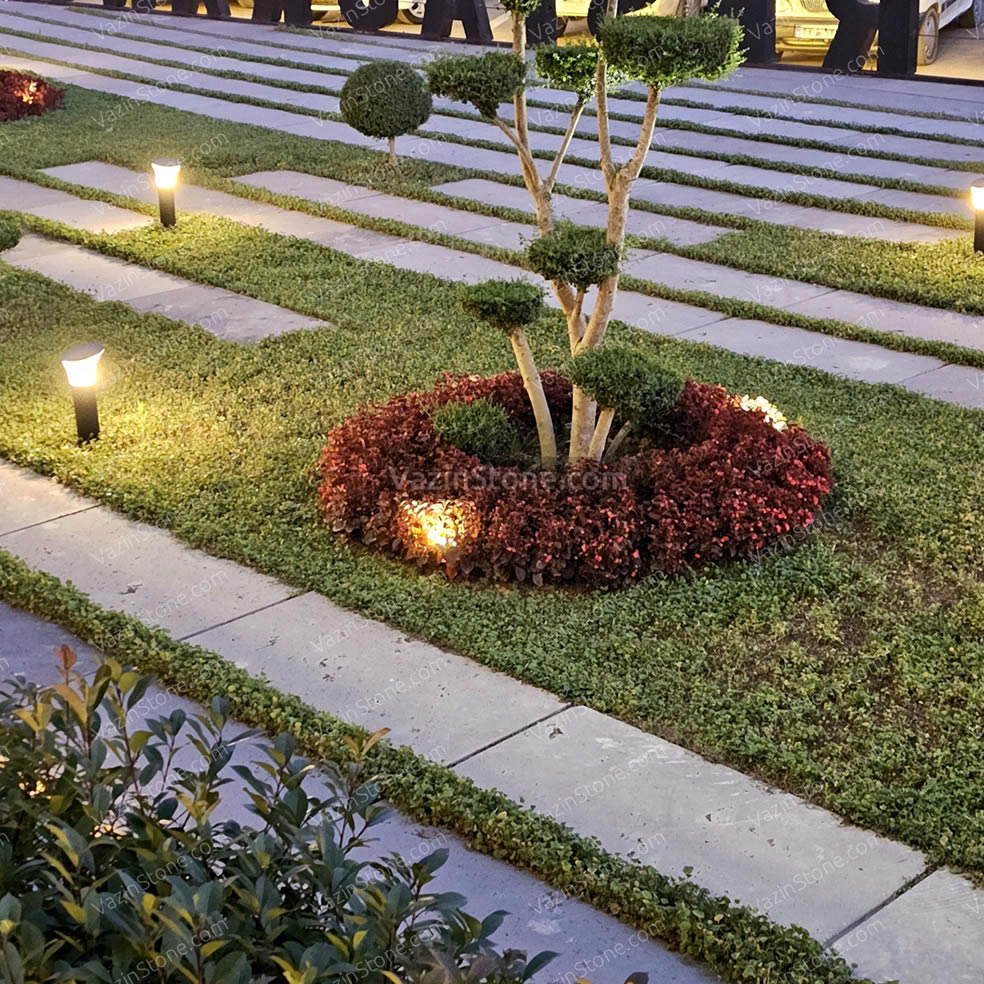
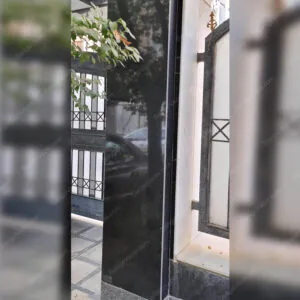
- Floor, wall cladding, and stair stone of the building
- Making some stone products and stone artifacts such as washstands (like Arta washstand, Darya washstand, Tara washstand), fountains, sculptures, flower pots, etc.
Basalt Stone Quarries
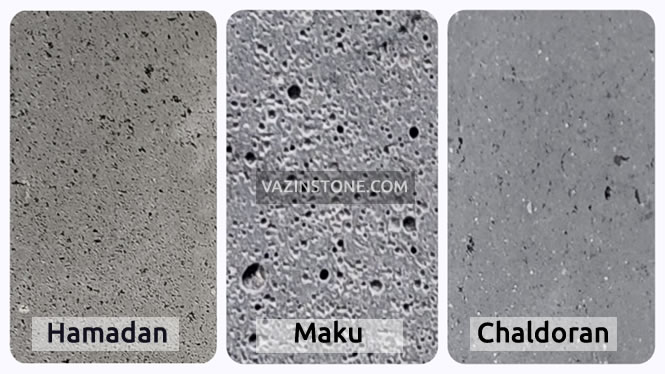
Basalt Stone in Iran is extracted from numerous quarries, with the most important ones located in West Azerbaijan and Hamedan provinces. Each of these stone quarries has unique characteristics, with differences in color, porosity, texture uniformity, and visual appearance.
Salmas Quarry Of Basalt Stone
Salmas Basalt Stone is extracted from active quarries in Salmas County, West Azerbaijan Province, and is considered one of the highest-quality building basalts in Iran. This stone typically features a dark gray background, a uniform texture, and high strength and quality.
Hamedan Quarry Of Basalt Stone
Hamedan Basalt is one of the most common types of basalt available in the Iranian market. This stone is generally lighter in color than Salmas Basalt and, in some grades, features larger natural cavities within its texture. Its easy availability and more economical price have made Hamedan Basalt a popular choice for many construction projects.
Other Basalt Stone Quarries
In addition to Salmas and Hamedan, there are other basalt quarries across Iran, among the most important of which are those in Maku, Chaldoran, Khoy, Takab, Qorveh, Bijar, Zanjan, and certain areas of Khorasan Province. Depending on their geological conditions, each of these quarries produces stone with distinct colors, textures, and characteristics.
Basalt Stone Compared To Andesite Stone
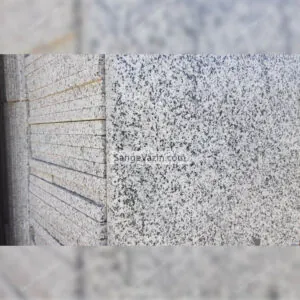
In general, basalt stone is less dense than andesite stone due to its high porosity. For this reason, basalt is lighter than andesite. Basalt is typically dark gray, while andesite can range from white and light gray to red, depending on the quarry.
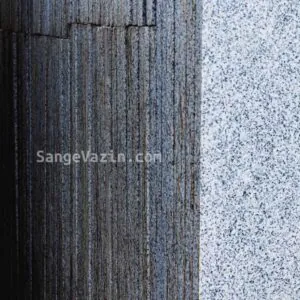
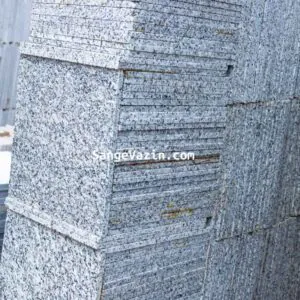
In the photos below, you can see bush-hammered and cut honed products of these two stones side by side.
Strengths
- Unique color and pattern
- Various processing
- Resistant
Weak points
- The presence of certain impurities in the form of centimeter-sized grains with distinctive colors.
Glen
Is it suitable for use on stairs?
مدیر –
Yes, its suitable for use on stairs