5 Common Mistakes When Buying Facade Stone
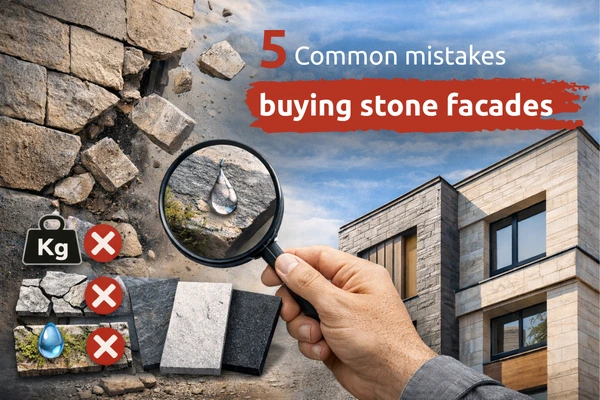
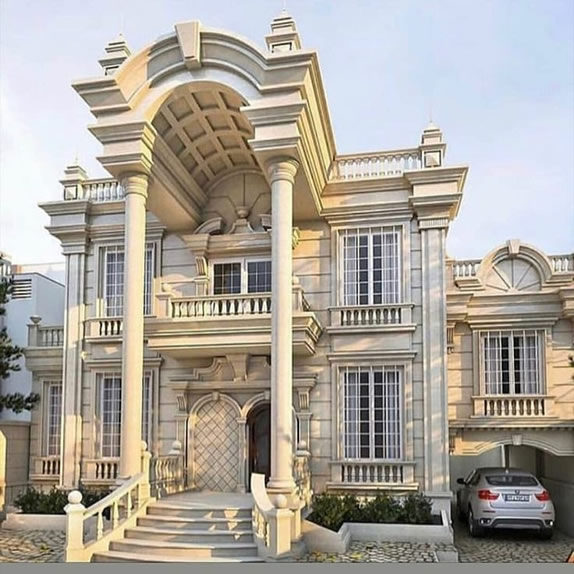
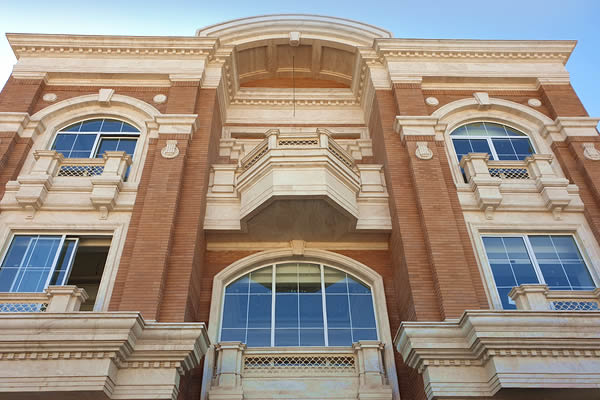
Choosing the right facade stone is a key investment in the longevity and visual appeal of any building. However, common mistakes during the selection process can lead to costly repairs, reduced durability, and potential safety concerns over time. In addition to enhancing a building’s architectural character, facade stone should provide long-term resistance to weathering and environmental stresses, ensuring both performance and value for years to come.
However, many property owners and contractors make the mistake of focusing exclusively on the aesthetic qualities of facade stone while overlooking the technical characteristics that determine its long-term performance. This oversight can lead to a range of issues, including discoloration, cracking, algae growth, and, in severe cases, stone detachment from the facade. Beyond affecting the building’s appearance, such problems can compromise safety, reduce service life, and result in substantial maintenance and restoration costs over time.
In the following sections, we look at five common mistakes people make when buying facade stone and share practical tips on how to avoid them. With the right approach, you can make a choice that is both reliable and cost-effective in the long run.
Table of Contents
Mistake 1: Ignoring Stone Weight on Upper Floors
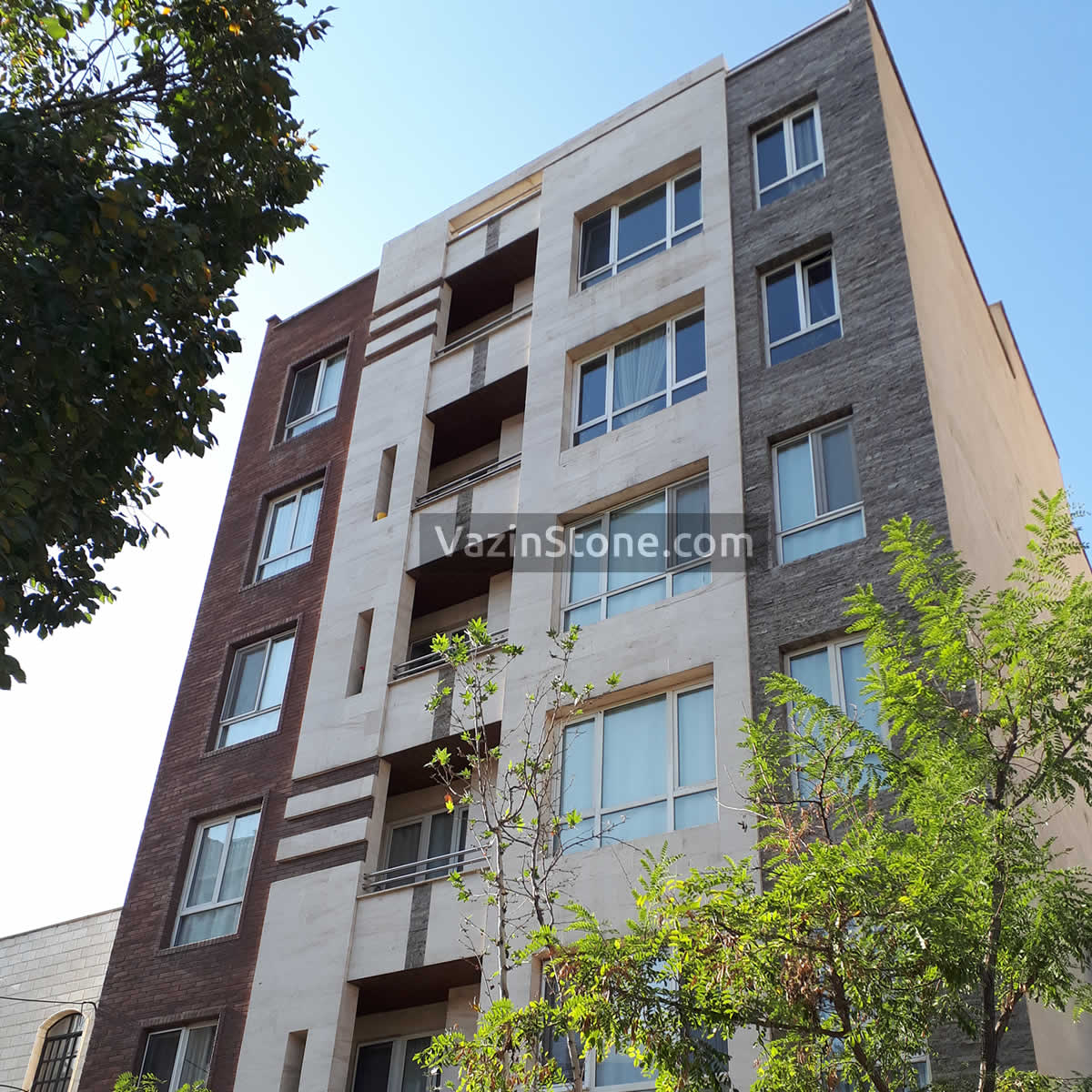
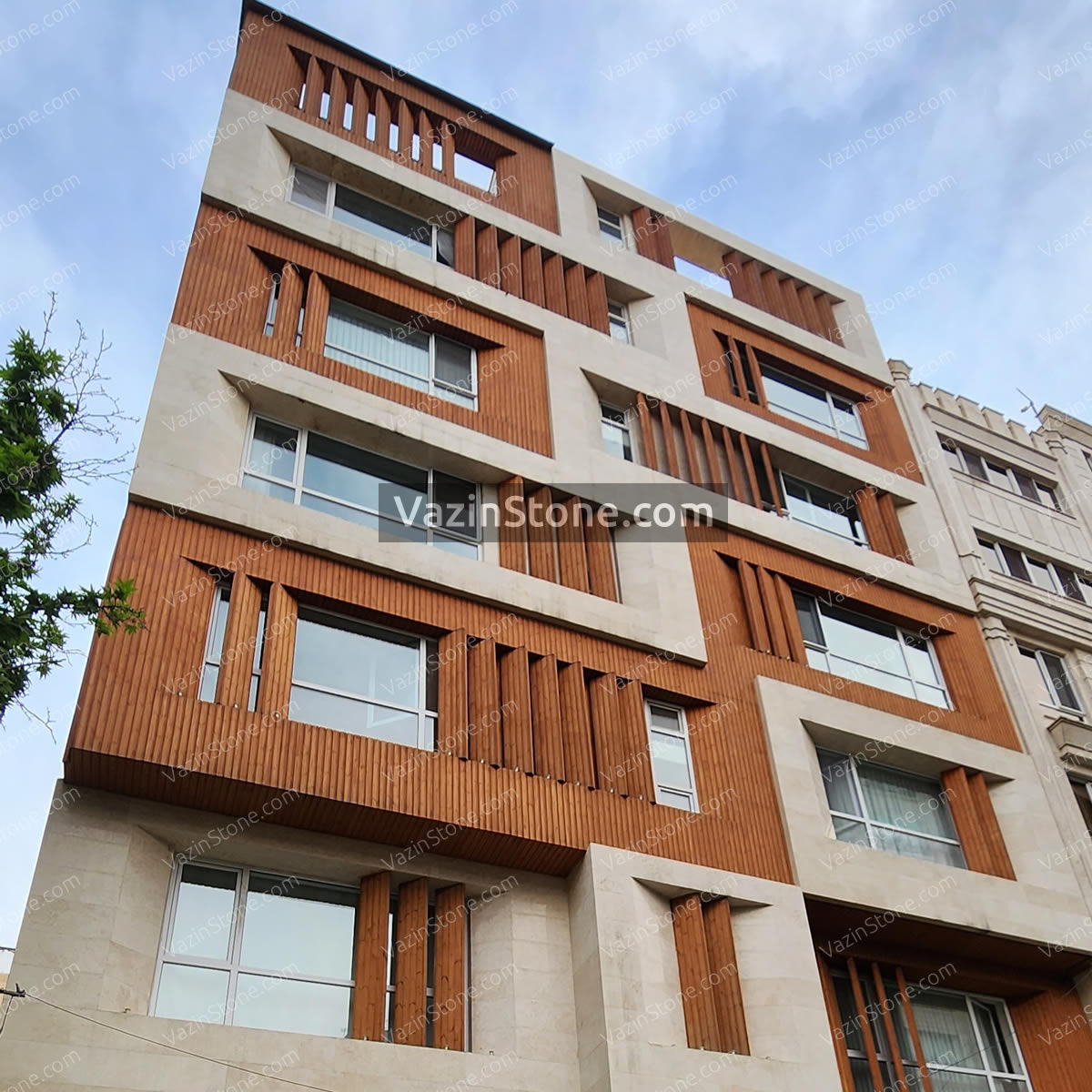
One of the most common mistakes when selecting facade stone is overlooking its weight, particularly in high-rise buildings. Heavy stones, such as certain types of granite, impose a significant dead load on the structure and increase the risk of stone cracking, slipping, or falling from upper floors. Such incidents can result not only in substantial financial losses but also in serious safety hazards and potential loss of life.
Suggested Solution:
- Prioritize lighter stones with lower density (such as some volcanic stones or lightweight processed varieties).
- Use a dry installation method (using a metal frame, brackets, and screws) instead of the traditional mortar method; this approach ensures more secure attachment and minimizes the risk of detachment.
- Before purchasing, consult a structural engineer to evaluate the structure’s load-bearing capacity.
Mistake 2: Choosing Stone Based Only On Appearance & Aesthetics
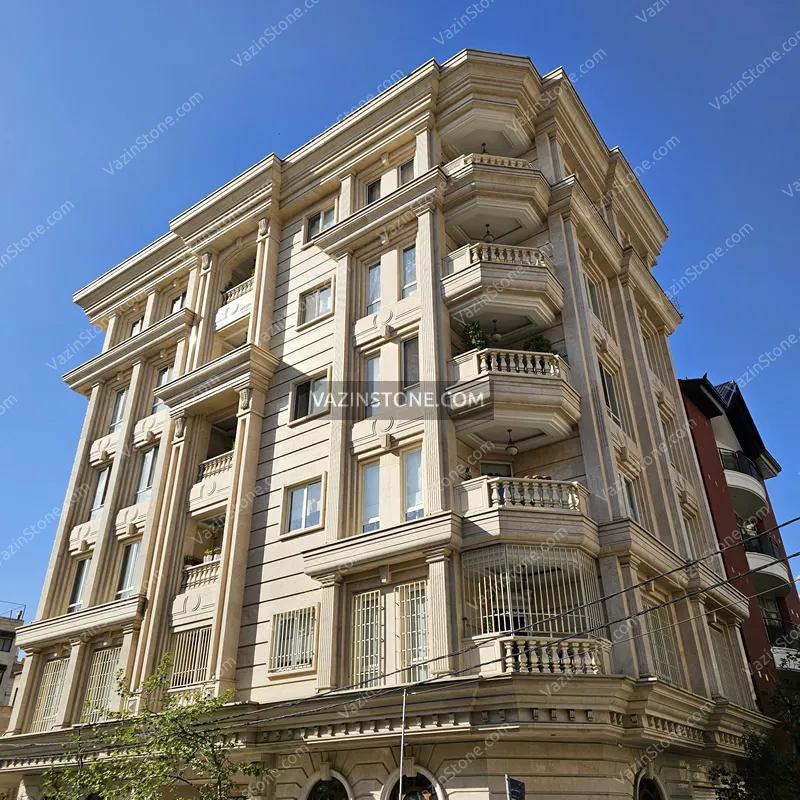
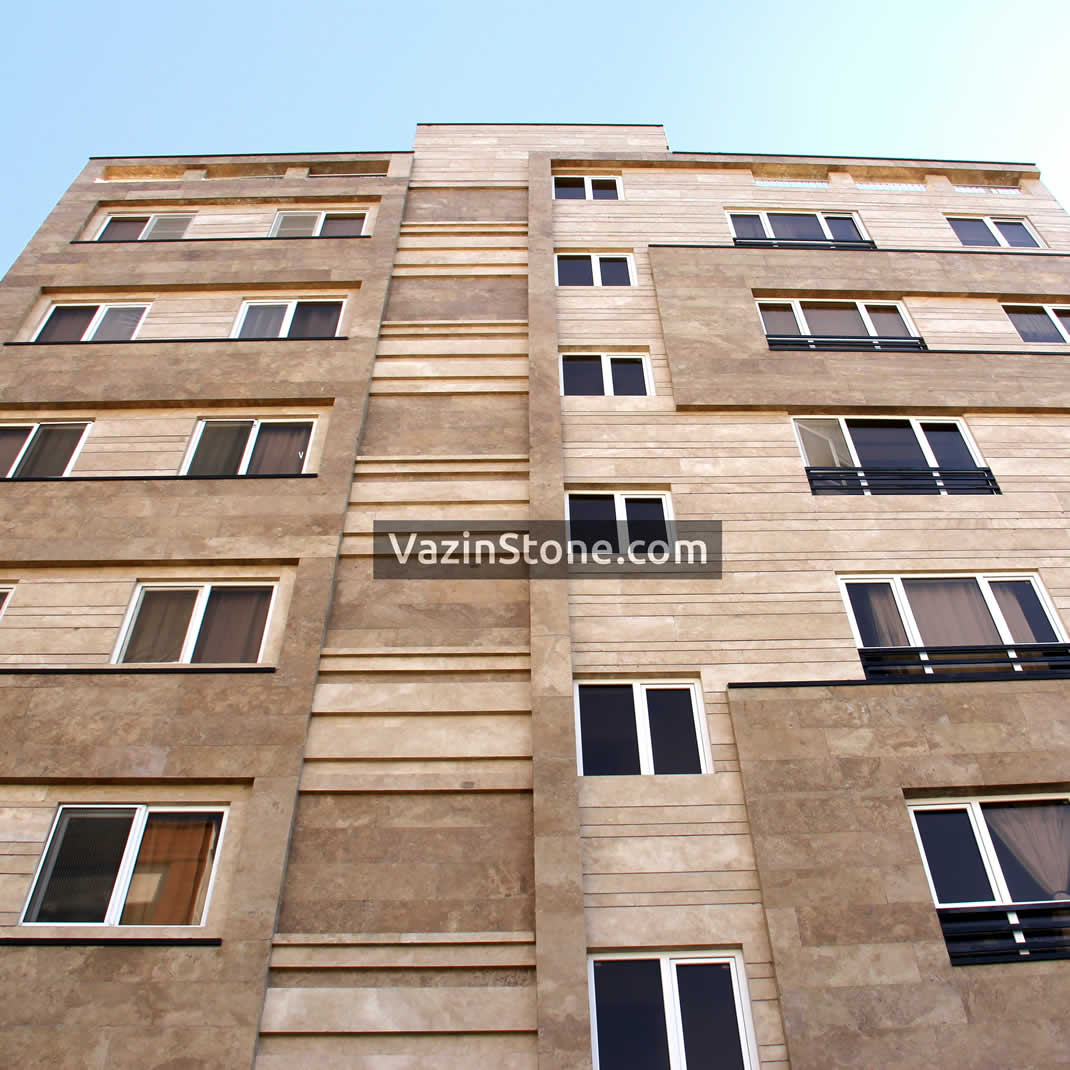
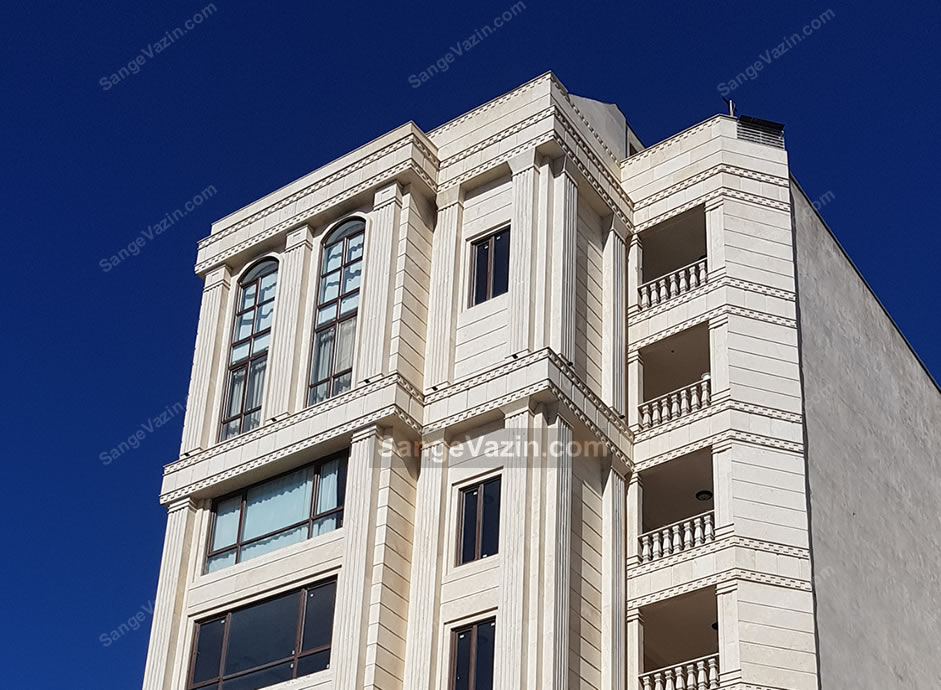
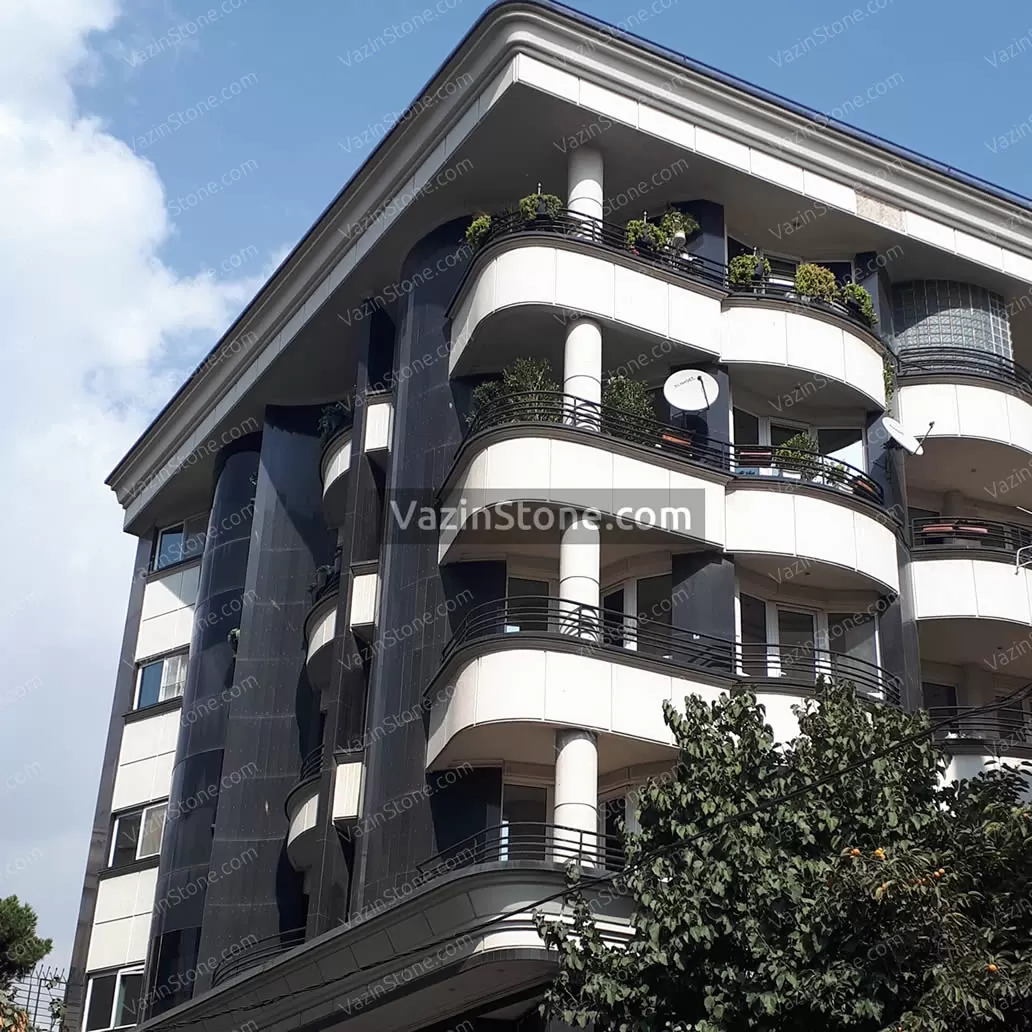
Selecting facade stone based solely on appearance and aesthetic appeal is another common mistake in purchasing cladding stone. Many buyers focus only on the color, pattern, and visual impact of the stone, while durability and resistance to different climatic conditions are far more important. A stone that looks highly attractive but lacks sufficient resistance to sunlight, extreme temperature fluctuations, acid rain, or freezing will, after a short period, become faded, cracked, or deteriorated, ultimately imposing the cost of a complete facade replacement.
Suggested Solution:
- Select the stone according to the region’s climate; in hot and arid regions, high UV resistance is required; in cold and humid regions, resistance to freeze–thaw cycles and low water absorption are essential.
- Request the stone’s technical specifications (such as compressive strength, abrasion resistance, weathering resistance, and water absorption) from the supplier.
- Use stones with a proven track record of successful performance in conditions similar to those of your project.
Mistake 3: No UV Or Nano Protection On Stone
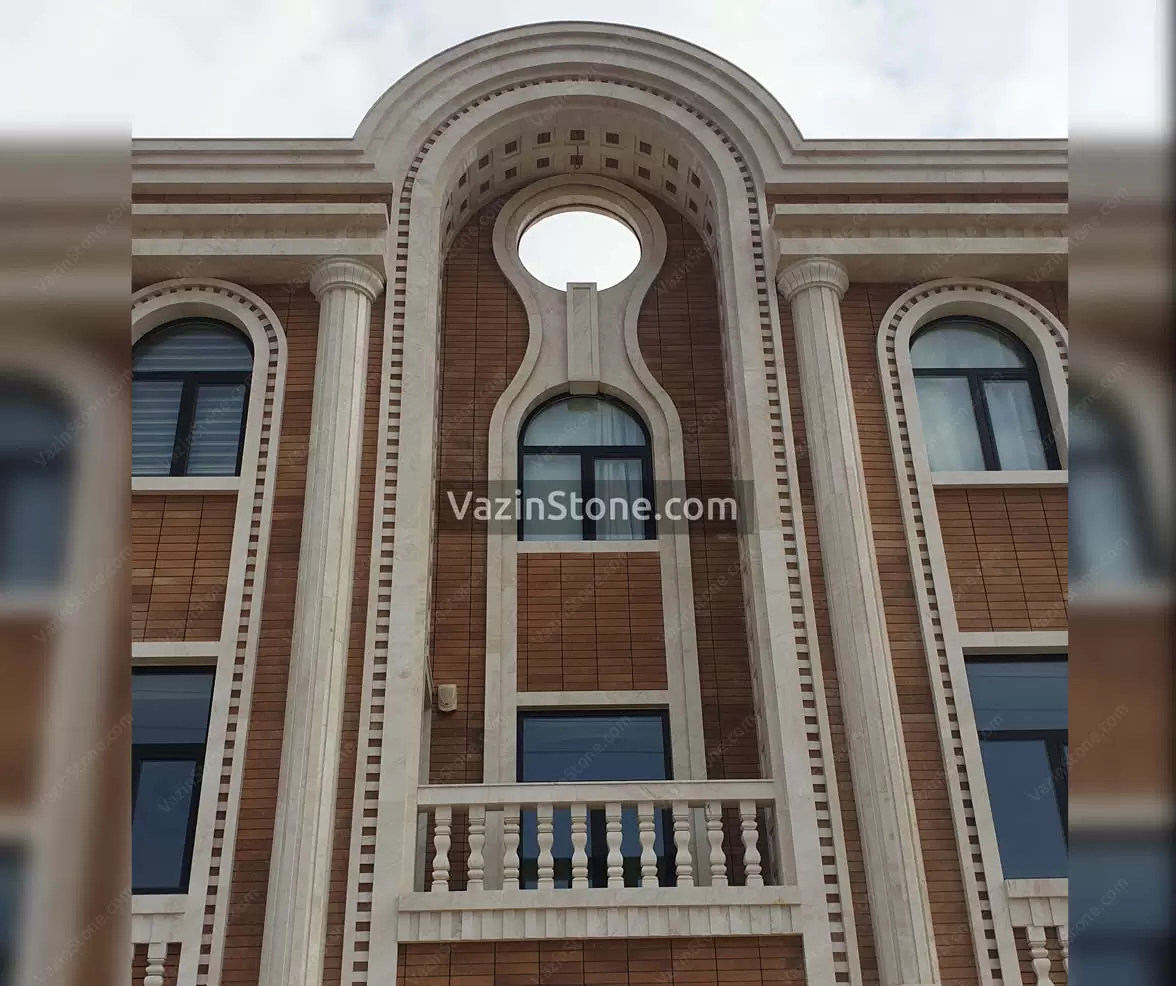
One of the other common mistakes when purchasing facade stone is choosing stone without protective coatings. Natural stones without protective layers are vulnerable to environmental factors. The absence of Nano coating (resistant to ultraviolet rays) or nano coatings (waterproof, anti-dirt, and anti-stain) causes the stone to quickly become dirty, discolor, or stain, especially in polluted cities or areas with intense sunlight.
Suggested Solution:
- Select stones that have already been coated by the supplier with a UV or nano coating.
- These coatings act as a protective layer, preserve the stone’s natural color, and significantly extend the lifespan of the facade.
Mistake 4: Choosing Stone with High Water Absorption in Humid Areas
Another common mistake when selecting facade stone is overlooking its water absorption rate. In areas with heavy rainfall or high humidity, stones with high water absorption (more than 2–3%) can cause serious problems. These stones absorb water, allowing algae and mold to grow on their surface. During cold seasons, the water trapped inside the stone freezes, leading to cracking. The result is deterioration of the facade’s appearance and the need for continuous cleaning or replacement.
Suggested Solution:
- Choose stones with very low water absorption (less than 1%), such as granite, basalt, or certain types of crystal marble.
- If you’re working with a limited budget, prioritize nano-coated or UV-coated stone, as it offers excellent water-repellent properties.
- Always request the stone’s water absorption test results from the seller, and avoid porous stones such as certain travertines in humid areas or use properly processed and sealed travertine in humid climates.
Mistake 5: Focusing on a Low Price
One of the most common mistakes when purchasing facade stone is prioritizing the lowest price. Extremely cheap stones are usually of inferior quality and are often associated with issues such as uneven color and pattern, poor processing, high porosity, and micro-cracks. These defects can cause the stone to discolor more quickly, develop algae growth, crack over time, or even require premature replacement.
Suggested Solution:
- Set your budget based on overall value (quality + durability + maintenance cost), not just the price of facade stone.
- Inspect the stone closely, paying attention to color consistency, the quality of polishing and cutting, and the absence of deep cracks or excessive use of filler.
- Discover the quality grades (super, type A, type B) and select the most suitable grade for your needs.
- Purchase from reliable suppliers with transparent sorting and a quality guarantee.
Tips For Choosing High-Quality Facade Stone
Considering the points above and common mistakes in purchasing facade stone, several suitable and popular options for building facades include:
- Andesite stone (modern gray stone): resistant to harsh weather conditions, balanced weight, excellent compatibility with other materials, and a stylish, contemporary appearance.
- Abbas Abad Travertine stone (white stone): resistant to erosion, cracking, and discoloration, lightweight with strong adhesion, highly diverse in patterns and grading, and widely available.
- Salmas basalt stone (black stone): a distinctive, luxurious appearance, lightweight structure, and high resistance to impact, abrasion, and algae growth; an ideal choice for modern facades and upper floors.
-
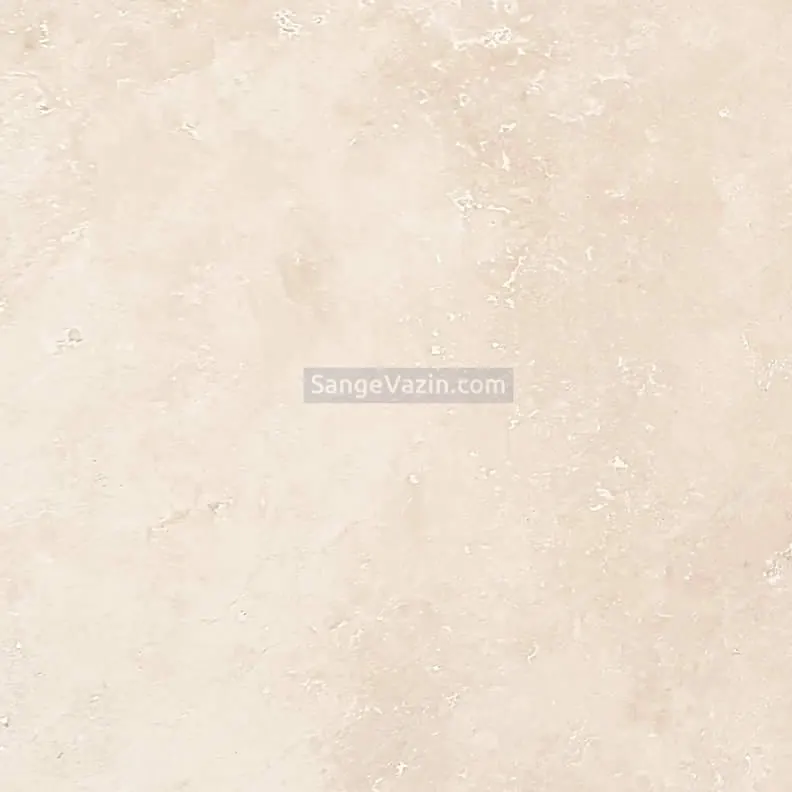 Hajiabad TravertinePrice range: $10 through $49
 -
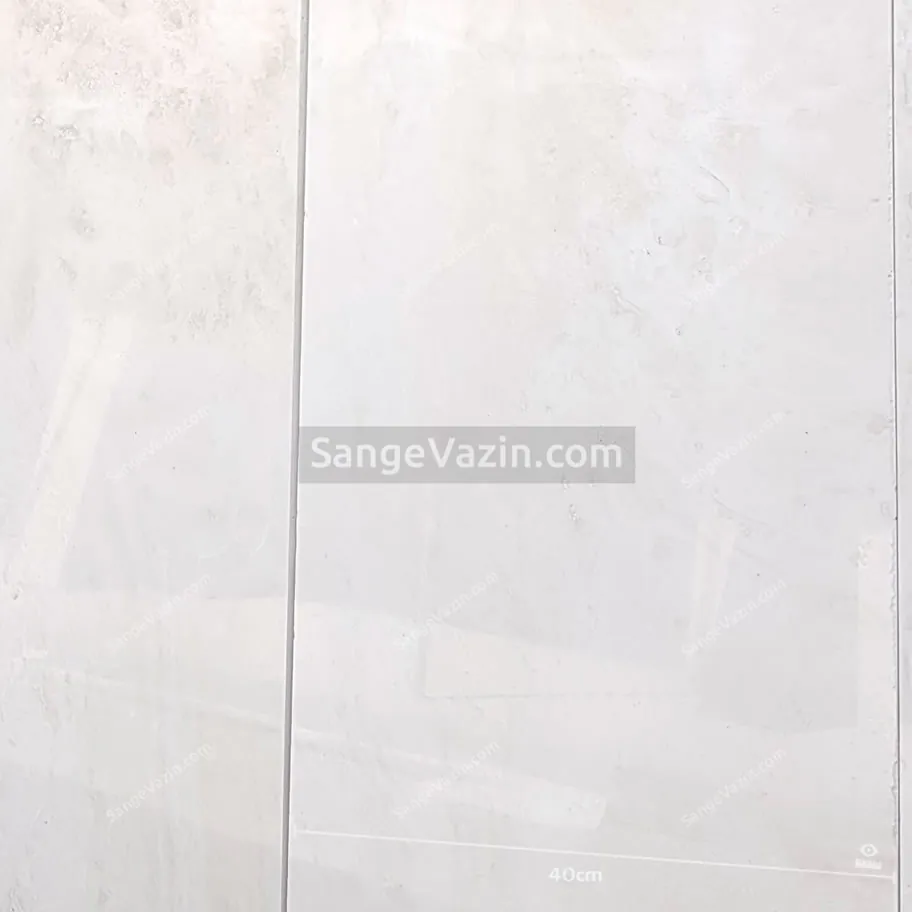 Abbas Abad White TravertinePrice range: $36 through $63
 -
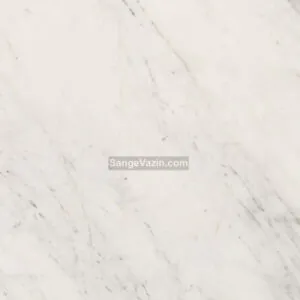 Aligudarz Crystal MarblePrice range: $37 through $72
 -
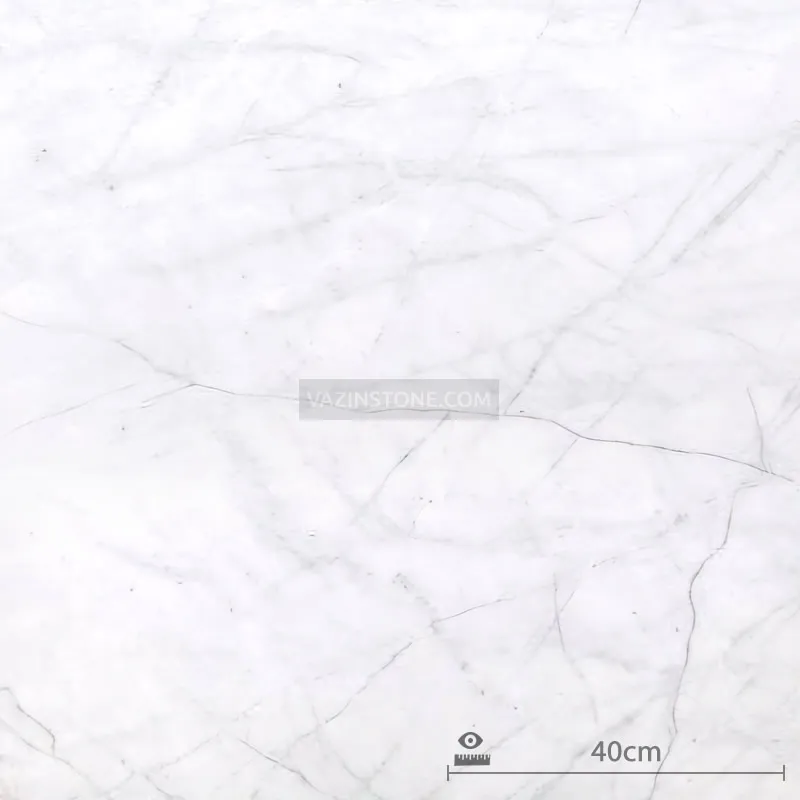 Neyriz Crystal MarblePrice range: $15 through $33
 -
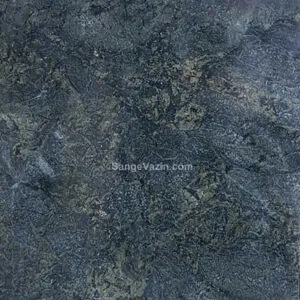 Forest Green GranitePrice range: $38 through $55
 -
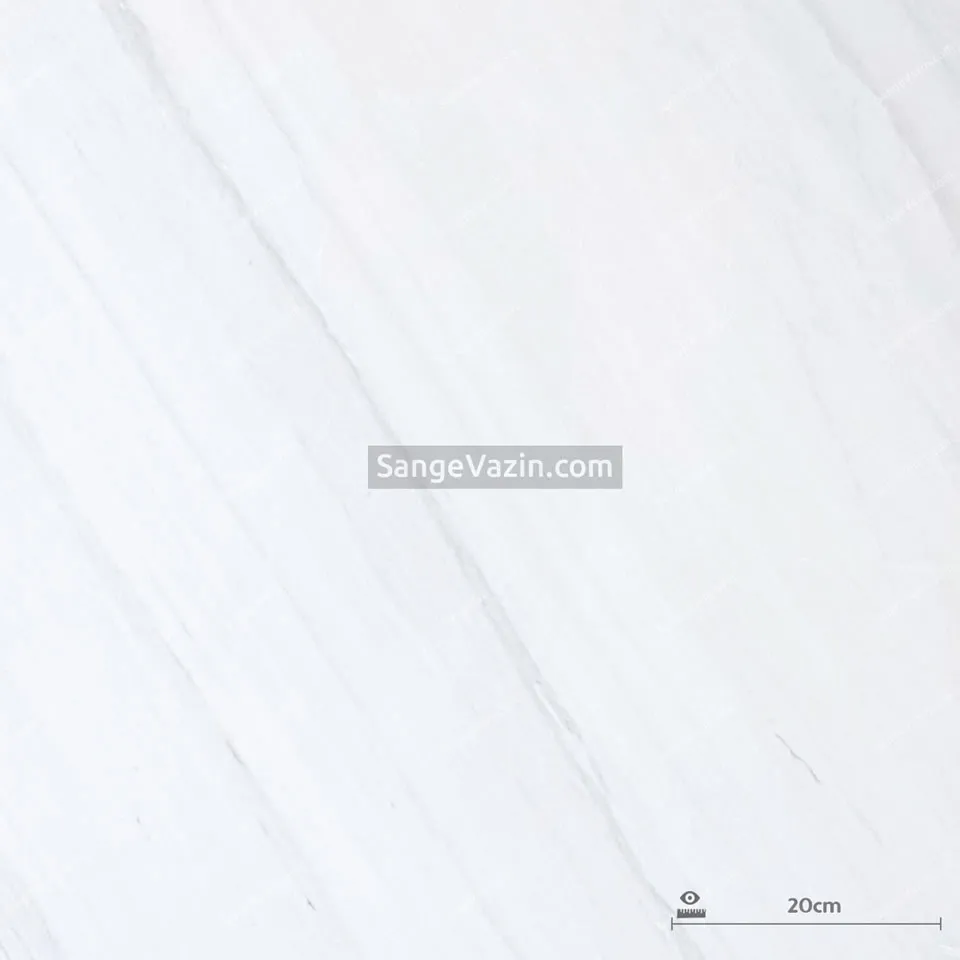 Azna Crystal White MarblePrice range: $25 through $89
 -
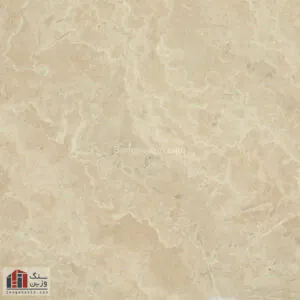 Abegarm Travertine StonePrice range: $9 through $16
Purchasing facade stone requires precise research, attention to technical specifications, and alignment with project conditions. Avoiding the common mistakes in facade stone selection can help prevent unnecessary costs and ensure a beautiful, safe, and durable facade. If you intend to purchase facade stone with confidence and assurance of quality, it is recommended to source it from reputable suppliers. Vazin Stone offers facade stones with precise grading, standard processing, and the option to order nano-coated and UV-coated stones, helping you make a reliable, durable choice tailored to your project’s requirements.
Related Blogs
Publish on:
June 27, 2026
Updated on:
August 30, 2026