Stone Nano Coating
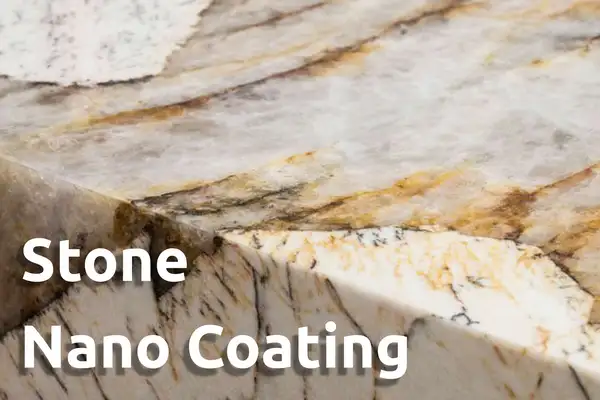
Natural stone is among the most beautiful and durable building materials, yet over time it can become stained or deteriorate when exposed to moisture, grease, and dirt. As a result, maintaining stone surfaces in kitchens, bathrooms, or building facades often becomes an ongoing challenge.
Stone nano coating technology offers a modern solution to this problem, creating an invisible yet highly durable protective layer that prevents stains from penetrating the surface.
But the main question is this: are these nano coatings truly cost-effective? In this article, we explore how the technology works, its advantages and limitations, and ultimately whether investing in it is a smart choice.
Table of Contents
Stone Nano Coating: Function & Benefits
Stone nano coating is an extremely thin layer of nanomaterials that bonds with the stone at the molecular level, forming a protective barrier against water and grease. Unlike traditional sealers or waxes, which only protect the surface, nano coating penetrates the stone’s microscopic pores, providing longer-lasting and more effective protection.
Its primary mechanism is based on hydrophobicity and oleophobicity, meaning water or oil droplets slide off the surface instead of being absorbed, leaving no traces behind. This results in a cleaner, more durable surface that is resistant to wear and tear.
Advantages Of Stone Nano Coating
- Water and Stain Repellent: Liquids like water, oil, and food do not penetrate the surface, keeping it stain-free.
- Resistance to Dirt, Mold, and Moisture: Nano coating prevents moisture penetration and inhibits the growth of mold and mildew.
- Maintains Natural Color and Shine: The stone retains its original brightness and vibrant appearance over time.
- Enhanced Durability Outdoors: Provides greater resistance to UV rays and acid rain.
- Lower Maintenance Needs: The surface remains cleaner for longer, reducing the frequency of cleaning and the use of harsh detergents.
Nano Coating Applications for Stone
Nano Coating for Onyx:
Onyx has a luxurious appearance but is sensitive to moisture and stains. Using nano coating increases its durability in applications such as countertops or outdoor tombstones.
Nano Coating for Marble:
Marble is a popular choice for flooring and wall cladding in interior spaces, but its polished surface is vulnerable to continuous moisture. Nano coating protects the surface from wear and erosion.
Nano Coating for Granite:
Granite is inherently strong and dense, so it requires less nano coating. However, applying nano coating to granite further enhances its resistance to external elements, making it ideal for exterior facades.
Nano Coating for Travertine:
Travertine has numerous natural pores that are typically filled with resin. Applying a nano coating to the resin-filled surface prevents moisture penetration and significantly increases the stone’s durability and the longevity of its polish.
Nano Coating for Crystal Marble:
Light-colored crystal marble is visually appealing and highly polishable, but it may become discolored or stained in outdoor environments. A nano stone coating is an effective solution for preserving its clarity and shine under various environmental conditions.
Nano Coating for Indoor or Outdoor?
Nano coating for stone is used in both indoor and outdoor spaces, but the requirements differ in these environments. Outdoors, due to constant exposure to rain, dust, and sunlight, the use of nano coating is more essential, as it prevents color changes, water penetration, and surface erosion.
Indoors, depending on the type of stone, nano coating serves primarily protective and aesthetic purposes; for example, on kitchen countertops, it prevents the absorption of oil, grease, and food stains. High-quality nano coatings also enhance the stone’s resistance to UV rays and acidic rain, preventing surface discoloration.
Application Process of Stone Nano Coating
- Surface Preparation (Cleaning and Drying): The surface must be completely clean, free of grease, and dry to ensure proper penetration of the nanocoating.
- Application Method (Spray, Brush, or Industrial Coating): The application method is chosen based on the type of stone and the environment.
- Drying and Curing Time: After application, the surface should remain undisturbed for several hours to ensure the nanocoating fully sets and adheres.
Common Mistakes in Using Nano Coatings
- A common mistake is applying nano coatings to wet or greasy stones, as this hinders proper adhesion.
- Choosing the wrong type of nano coating (water-based or solvent-based) can also lead to staining or discoloration.
- Some users expect nano coatings to make the surface completely scratch-resistant, whereas they do not offer such protection.
It is recommended to confirm the coating’s proper performance after application with a simple water-repellency test by dropping a water droplet on the surface.
Cost vs. Benefits of Stone Nano Coating
- Economic Assessment: Although applying a nano stone coating can be relatively expensive, it reduces overall maintenance costs in the long run by minimizing the need for cleaning and repairs.
- Projected Lifespan: Depending on the brand and environmental conditions, high-quality stone nano coatings generally last 5 to 15 years.
- Comparison with Traditional Sealers and Waxes: Conventional sealers typically remain more surface-level and wear out faster, whereas nano coatings offer greater durability and require less frequent reapplication.
Nano Stone Coating Price
The price of stone nano coatings varies depending on the type of stone, the quality of the nano materials, the application method, and environmental conditions. In general, the price range for premium stones starts at approximately $3 per liter, and higher-quality products such as imported silicone-based or UV-resistant nano coatings tend to cost more.
One liter of stone nano coating material typically covers approximately 5 square meters of surface.
Factors Influencing Stone Nano Coating Prices
- Stone type (porous or polished surface)
- Type and brand of nano materials (durability, warranty, domestic or imported product)
- Coating method (spray, brush, or roller)
- Consumption per square meter
- Environmental and climatic conditions at the stone nano coating site
Is Stone Nano Coating Really Worth It?
Stone nano coating is an effective solution for enhancing the durability, cleanliness, and appearance of stone surfaces, especially in high-traffic or humid areas. However, the initial cost and the need for proper application are factors to consider before purchasing.
Overall, for high-value stones or areas exposed to heavy moisture, nano coating is definitely worth it; however, in low-traffic or dry environments, its necessity is lower.
What Is Nano Coating?
Nano-coating is an ultra-thin layer of nanomaterials applied to surfaces such as stone, wood, or metal to protect them against water, oil, stains, and dirt—without altering the surface’s appearance or shine.
What Are the Benefits of Stone Nano Coating?
Nano coating protects stone surfaces against stains, water, and oil, preserving their natural color and shine. It also enhances the durability of stone in both indoor and outdoor spaces and makes maintenance easier.
Does Nano Coating Prevent Scratches on Stone?
Nano coating primarily protects against water, stains, and dirt, preventing moisture and oil penetration. However, it does not completely prevent scratches, and additional measures are needed for scratch resistance.
How Long Does Stone Nano Coating Last?
The lifespan of nano coatings can vary depending on the brand, material quality, and application method, typically lasting between 5 and 15 years. Environmental conditions such as direct sunlight, humidity, and air pollution also significantly affect their durability.
Does Nano Coating Work on Old Stone Surfaces?
Yes, provided the stone surface is clean and free of cracks or dirt. Otherwise, it must be repaired before application.
Is Nano Coating Suitable for Stone Slabs?
Yes, especially for light or polished slabs that are highly prone to stains, using nano-coating is recommended.
Can Stone Be Re-Coated with Nano Coating?
Yes, once the surface is cleaned and the previous layer removed, nano-coating can be reapplied.
Related Blogs



Publish on:
November 29, 2025
Updated on:
October 20, 2026