Removing Stains from Stone
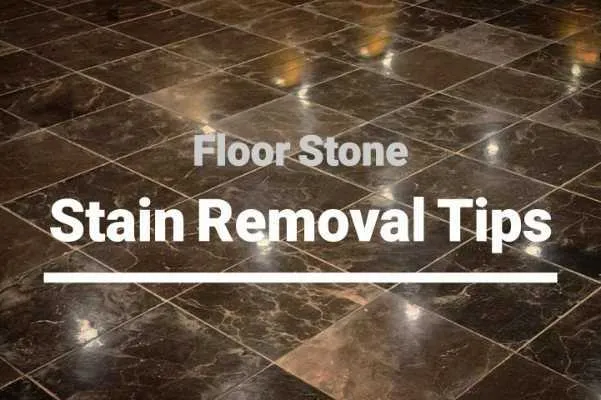
The issue of removing stains from stone (stone stain removal) most commonly arises with indoor floor stone, particularly in kitchens. This is because stains on exterior stone surfaces are generally less noticeable. On the other hand, we know that when it comes to stains forming on stone, marble, followed by crystal marble stone, are the types of stone we have in mind. This is because granite generally has very low water absorption and is not commonly used inside homes.
Table of Contents
Why Does Stone Become Stained?
Marble stones are highly vulnerable to acidic conditions as well as scratches due to their physical structure and constituent elements. Spilling acidic liquids such as lemon juice, sour grape juice, citrus juices such as orange, sweet lime, and bitter orange, vinegar, milk, and savory yogurt drink, depending on their level of acidity, erode the stone’s surface texture and cause stains. In the following sections of this article, we will examine the ways and methods for removing stains from stone.
Stone Stain Removal Methods
The methods for removing stains from marble and crystal marble stones are similar due to the similarity of the stain-prone elements in the two types of stone. Therefore, and due to the much greater prevalence of marble floor stone, we will focus this article on marble stones. (It is worth noting that, compared to crystal marble stones, marble has significantly lower resistance to acidic substances such as lemon juice and similar liquids.)
Despite all of its elegance and advantageous qualities, marble is susceptible to color changes and penetration because of the following:
- Its texture is permeable to oil and acidic substances.
- The components of this stone respond negatively to acidic conditions.
- It’s not very resistant to scratches.
The polishing machine is among the most basic and general ways to get rid of surface stains. The stone will become transparent again after polishing, removing a very thin layer. However, this option will cost more because it needs the technicians and polishing personnel there. While, depending on the circumstance, there can also be easier solutions.
In addition to polishing, simpler methods, such as using a baking soda paste or specialized stone cleaners, can also be effective in removing surface stains, depending on the type of stain and the type of stone.
We will now examine the methods for removing stains from stone based on the specific conditions.
1/ Removing the Small Stone Stain
The small stains on the kitchen and interior floor stones are frequently the result of droplets dropping on them. No polishing machine, stone angle grinder machine, or specialized tools are required in this instance. This is because stains can be removed from the surface by following the steps below in sequence.
- first, pour a small amount of water into the stained area until it is completely covered.
- Then, using 1200- or 1500-grit sandpaper, sand only the stained area with slight pressure continuously for 1 minute.
- Then, gently sand the stained area in all directions using 2500- or 3500-grit sandpaper for 2 to 3 minutes. (As you continue sanding, you will gradually notice that the stone surface becomes smoother and more slippery over time. This indicates that the stone is becoming polished and gaining its shine.)
- Dry the surface and allow all moisture to completely evaporate. You will notice that the stain has been partially removed, but it still does not reflect light at a 45-degree angle in the same way as the surrounding unaffected areas.
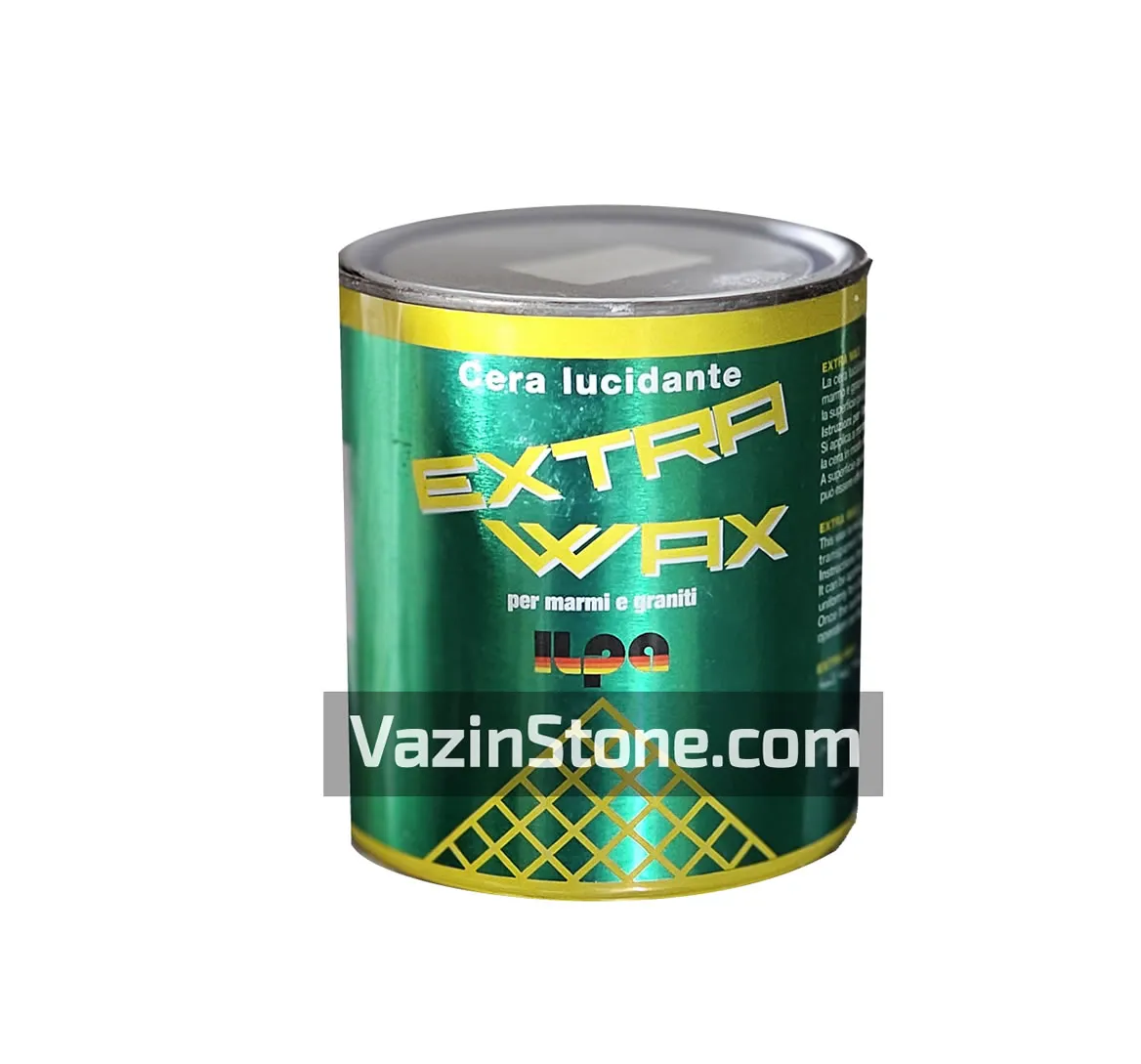
- Now, using a clean cloth, apply a stone polishing wax and nano stone protective coating to the stone surface.
- After 3 hours, clean the stone surface with a soft dishwashing scrubber and continue this process until the surface becomes completely polished.
Applying nano wax to the stone after the sanding process helps remove stains from the stone while creating a durable protective layer that safeguards the stone. Depending on the quality of the nano wax brand and the conditions of use, this protective layer can last between 2 and 5 years.
2/ Removing the Floor Stone Stain & Changing Its Color
For removing stains from medium-sized stone surfaces, you can use an angle grinder with abrasive polishing pads up to grit 1200 to restore the stone’s shine. In this method, depending on the extent of surface damage, grits ranging from 60 to 600 are used, while grits from 800 to 1200 are used to achieve a polished and glossy finish.
3/ Altering the Large Part of Stone Color
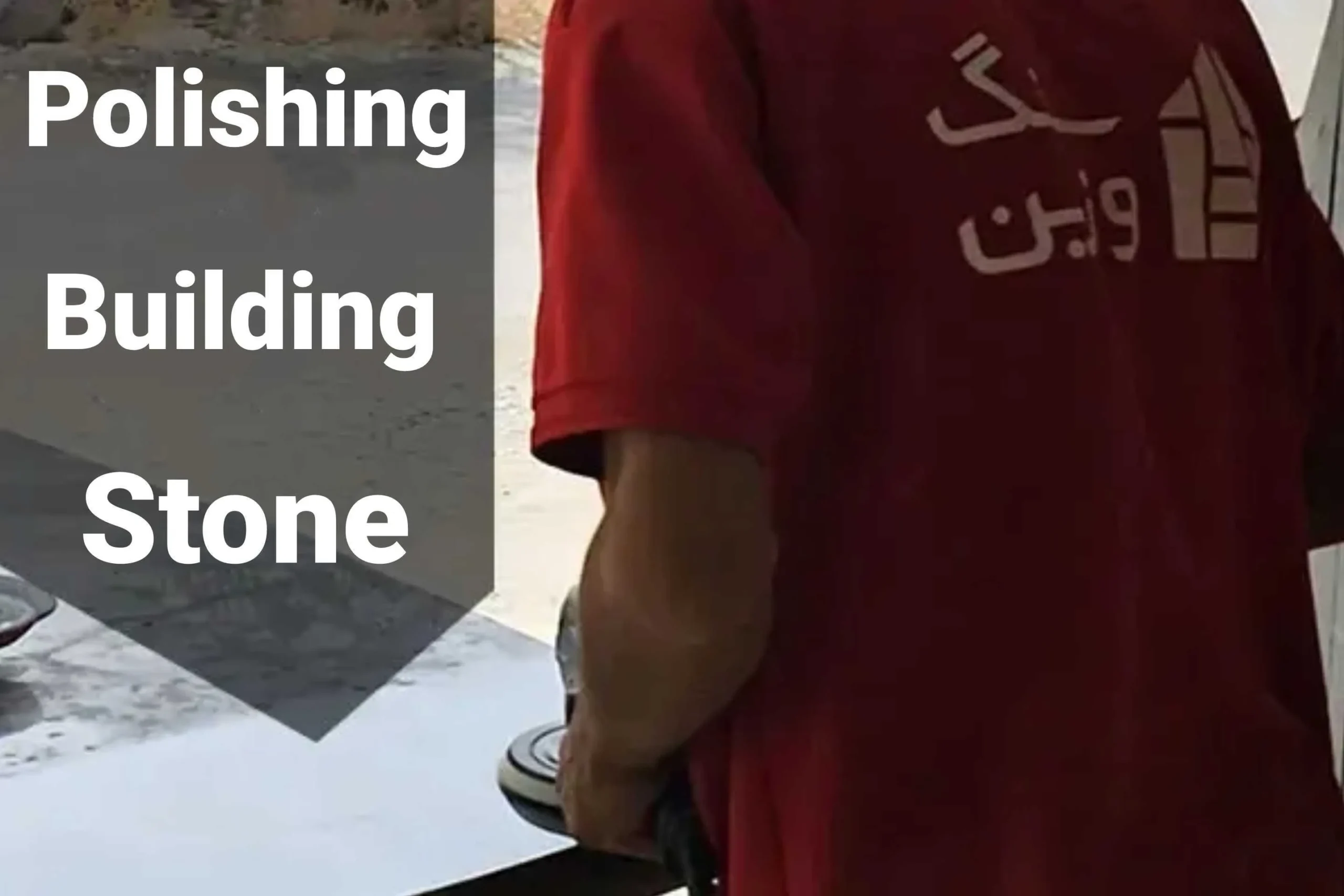
Undoubtedly, a polishing machine is needed to change the color and remove the huge stains on a significant part of the floor stone.
Can Stone Be Polished with an Angle Grinder & Polishing Pads?
An angle grinder is one of the primary tools for polishing small surface areas. This can be done using various paper sanding pads in a dry process without water, as well as with segmented polishing pads in a wet process using water. The polishing pads can range from coarse grits such as 60 and 80 up to 1200 grit. It is worth noting that particular care must be taken regarding the quality of the polish when using handheld grinders, so that the finished surface is as glossy and uniform as a factory-polished surface.
Read the following article:
Removing Stains from Onyx
One of the disadvantages of Onyx is its high susceptibility to staining. The composition of this stone is calcium-based, and its soft structure increases the rate at which it becomes stained. If food products or liquids such as lemon juice, vinegar, and sour grape juice are spilled on Onyx, immediately clean the surface using a clean, damp cloth. Otherwise, the stains may remain on the surface of the stone.
In cases where the affected and stained area is small, you can remove the stains from Onyx manually or by using a sanding grinder and polishing powder, following the methods mentioned above. However, when the affected surface area is large (for example, more than 4 square meters), a stone polishing machine must be used for stain removal and restoration.
To prevent staining of onyx, it is recommended to apply a nano sealer to create a protective layer over the surface of the stone. Renewing the nano sealing every one to two years will help preserve the stone’s shine and beauty.
It should be noted that the use of acidic cleaning agents is not suitable for cleaning onyx, as they can cause the surface of the stone to become dull and deteriorate.
Publish on:
March 19, 2024
Updated on:
September 9, 2026