Granite Stone
Granite is one of the most widely used types of stone in the construction industry, commonly used for flooring, walls, and building stairs. This attractive stone was previously used as a building façade material; however, in recent years, after its disadvantages became more widely recognized, it is no longer used as a facade stone. You can see more at the bottom of the page and download the Granite PDF Catalog.
Showing the single result
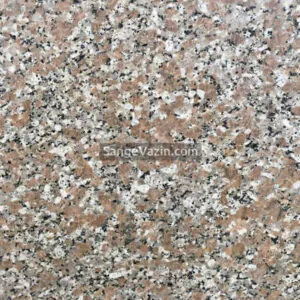
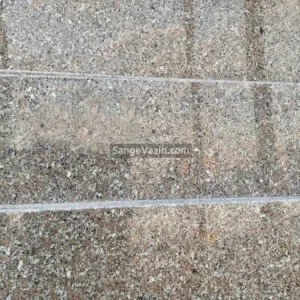
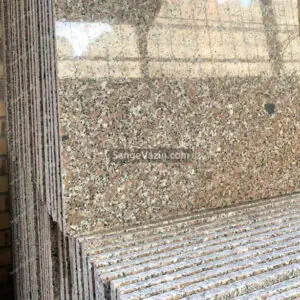

You will read the following about granite stone:
Table of contents:
Granite is one of the types of internal igneous rocks. It has a texture with medium to coarse grains and can be found in various colors, ranging from pink to deep gray and even black. This is quite different from external igneous rocks like slate stone.
It’s important to note that granite is also one of the heaviest stones and has excellent strength and resistance. This makes it an essential building material that can play a crucial role in strengthening the overall structure. Additionally, because of the wide variety of colors, it comes in, granite is often used as a decorative element in many buildings.
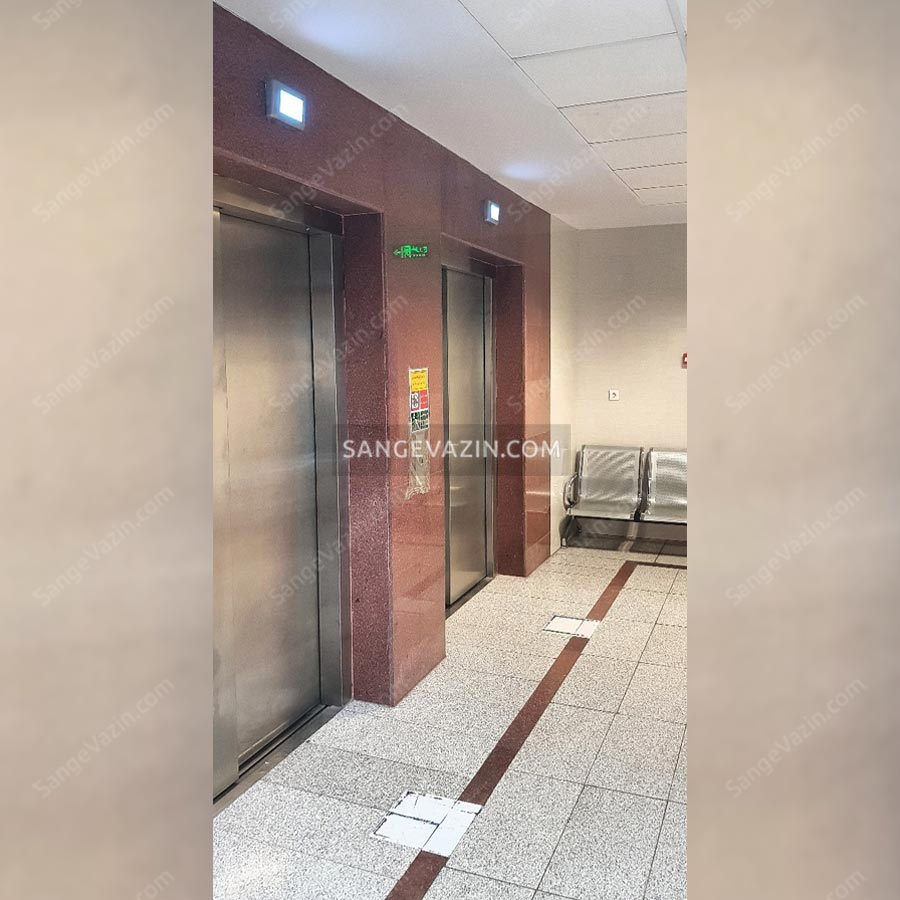
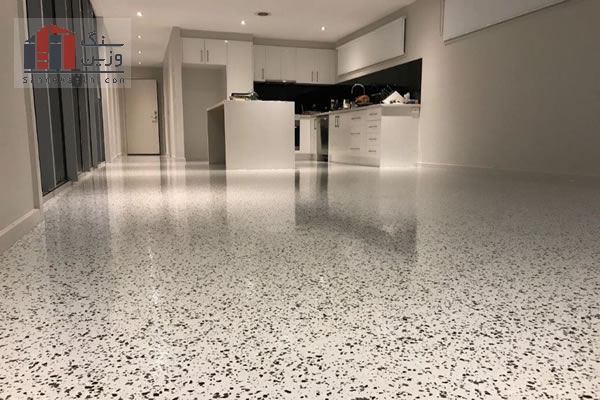
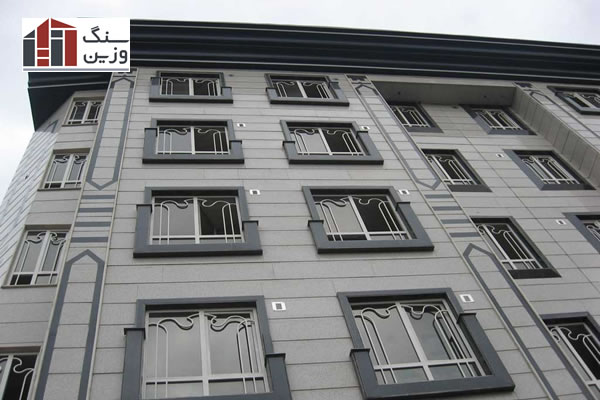
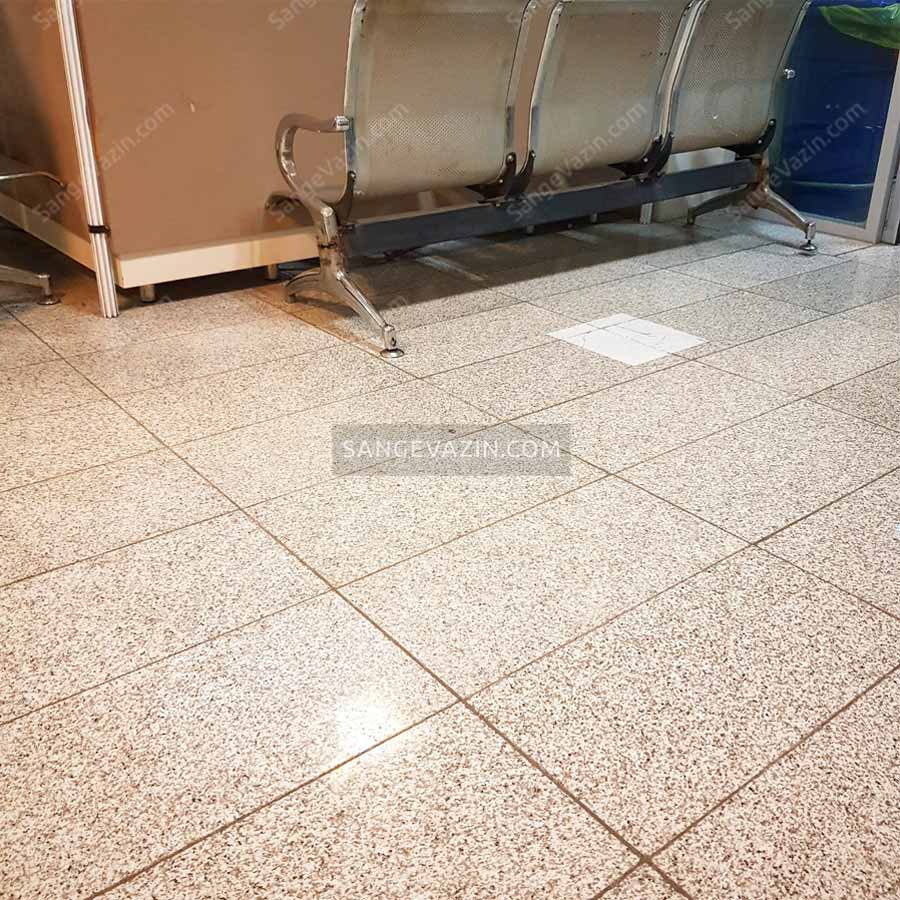
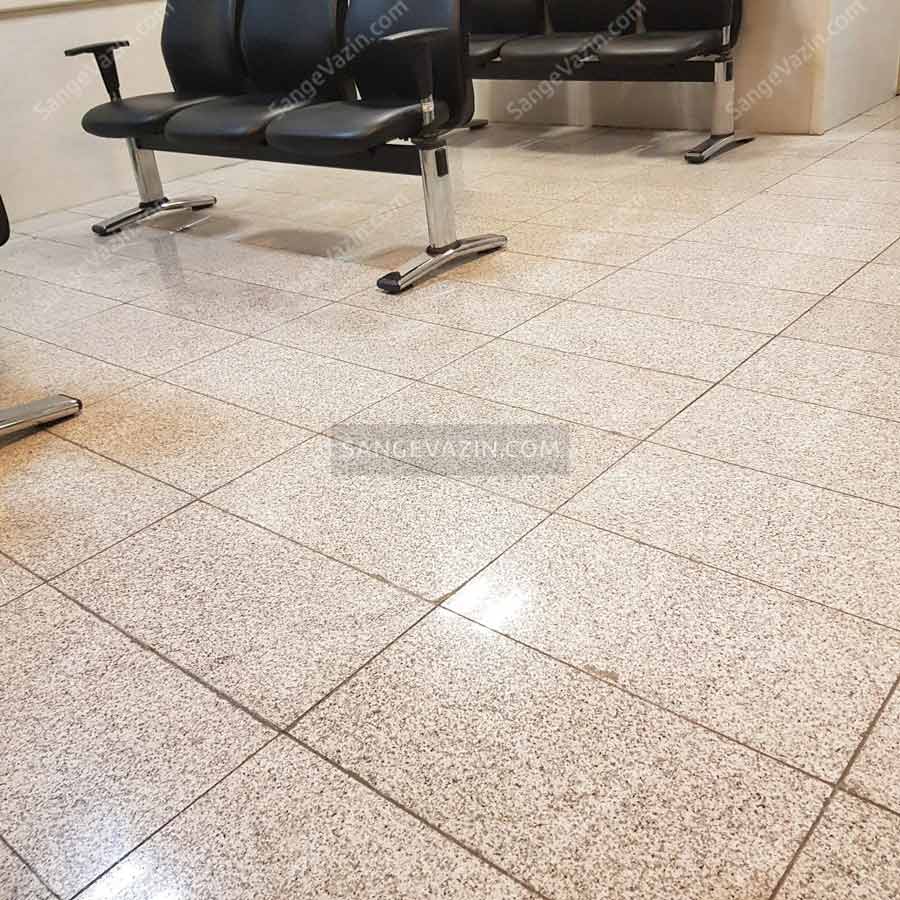
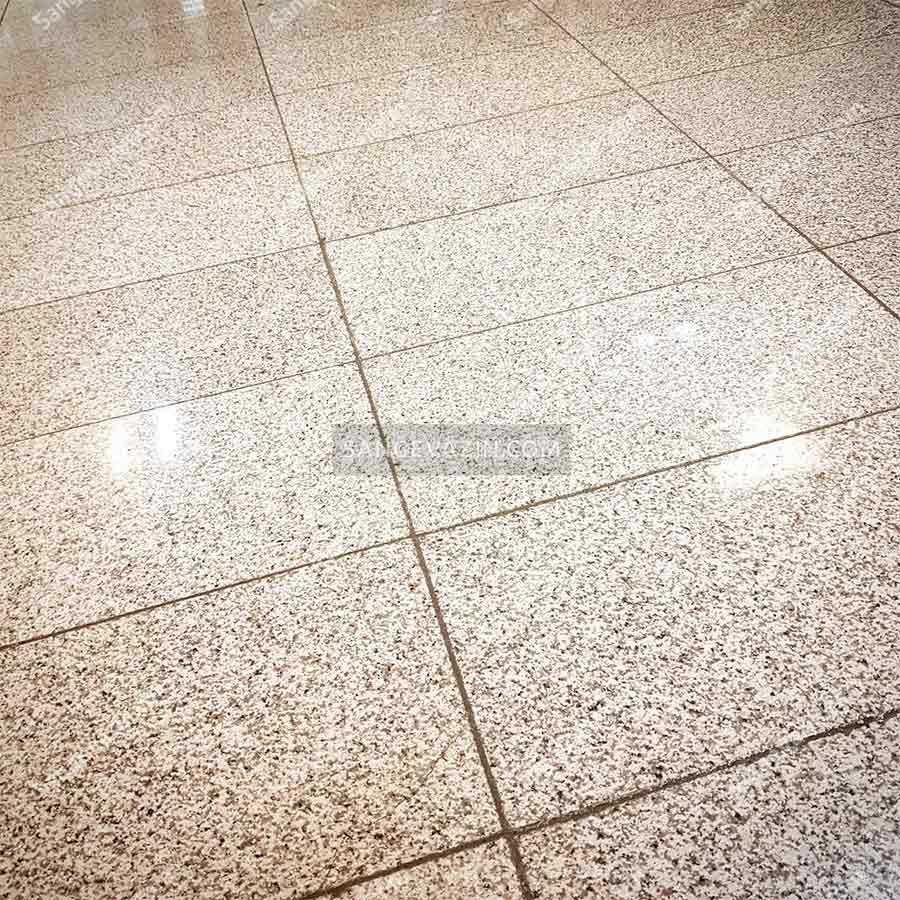
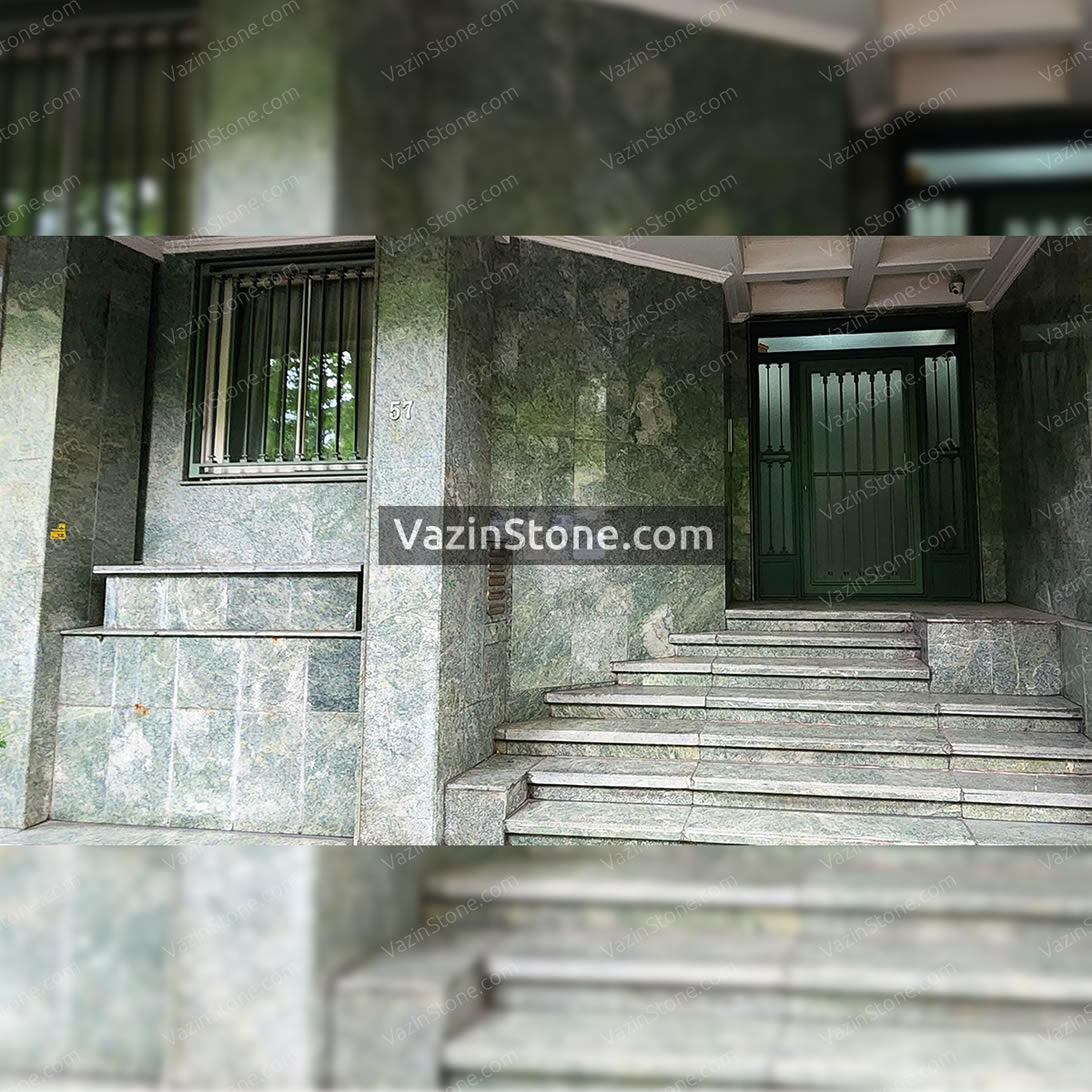
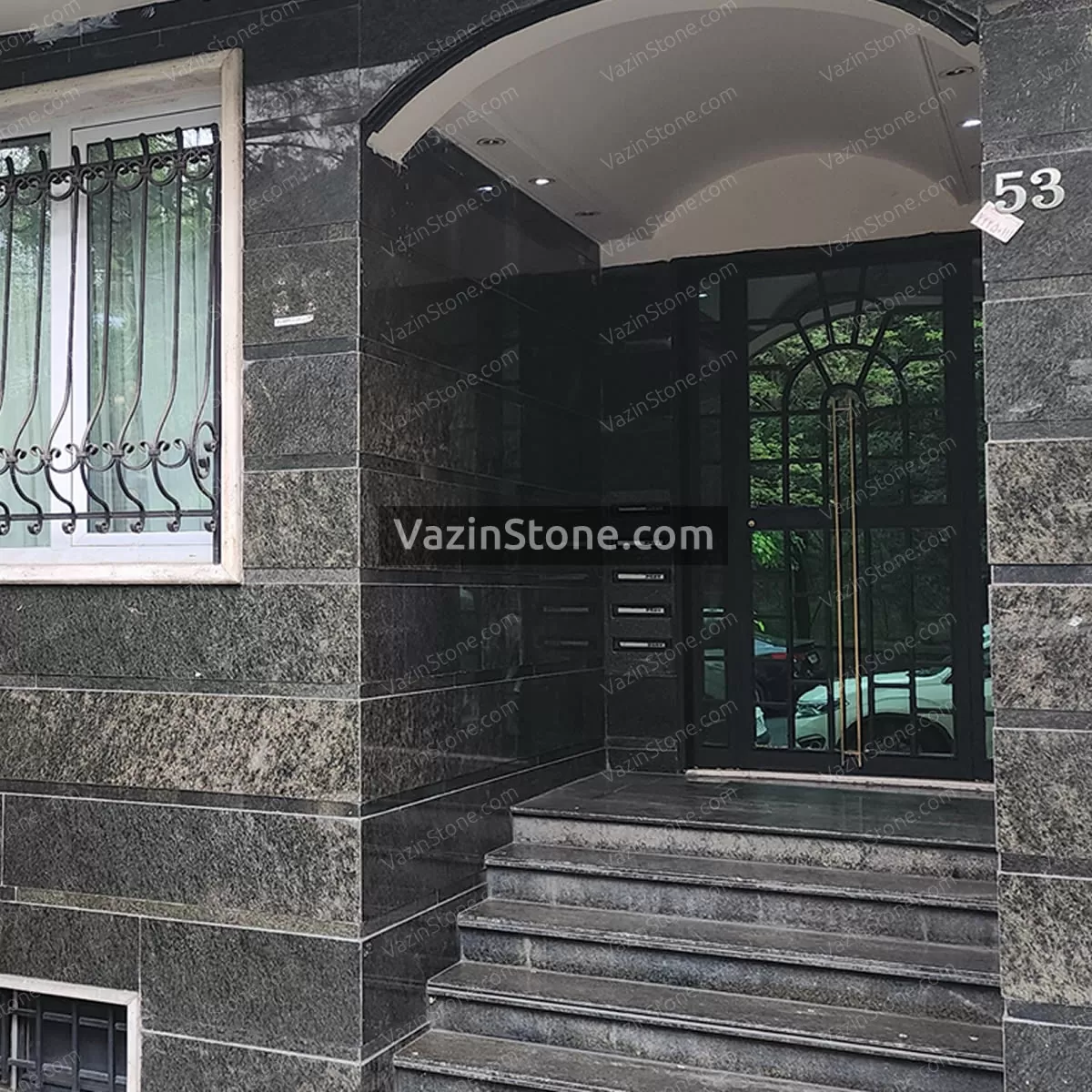
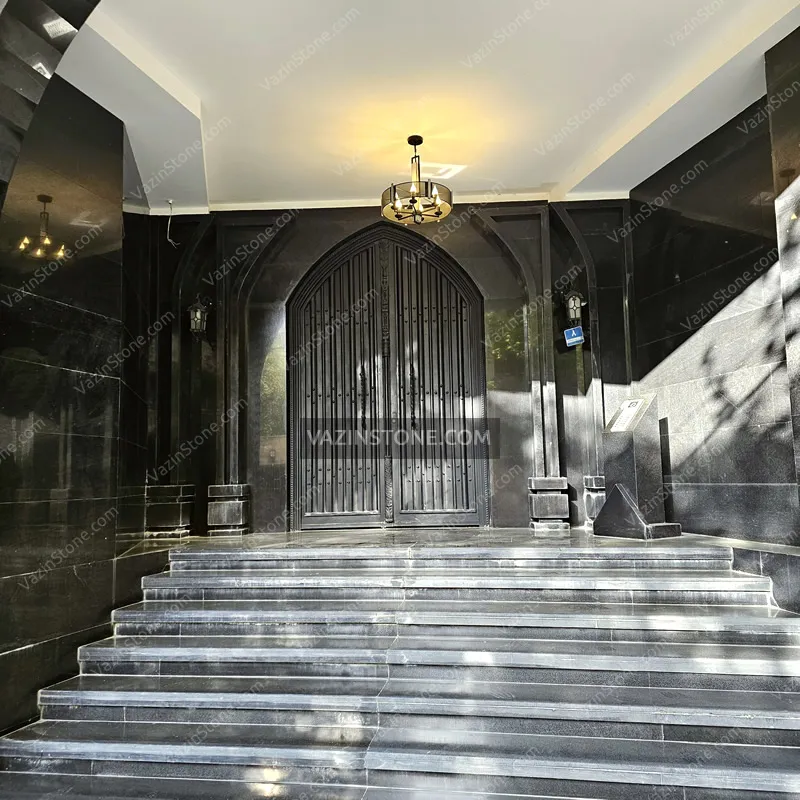
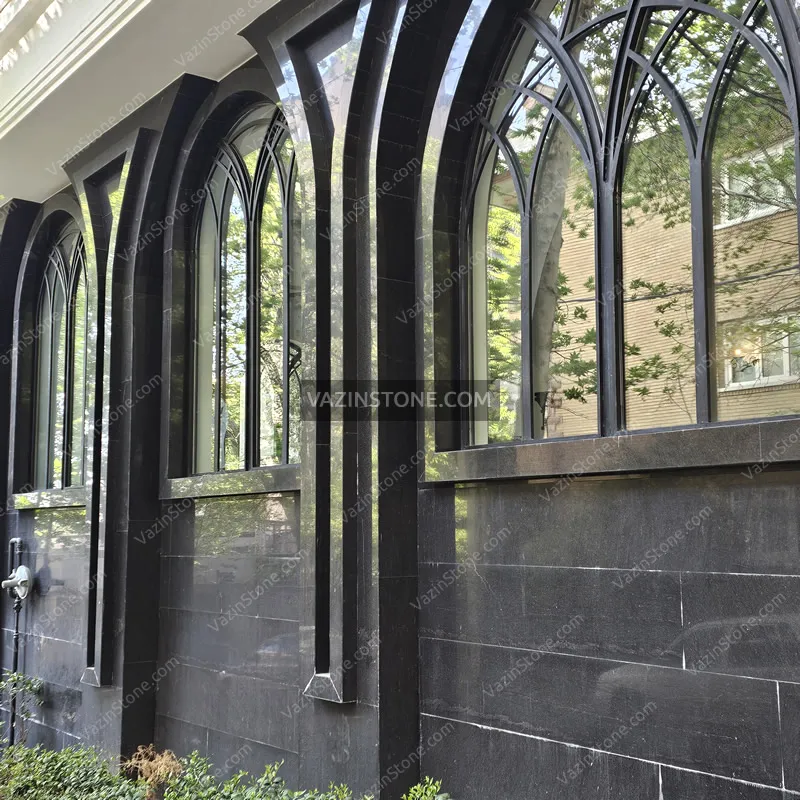
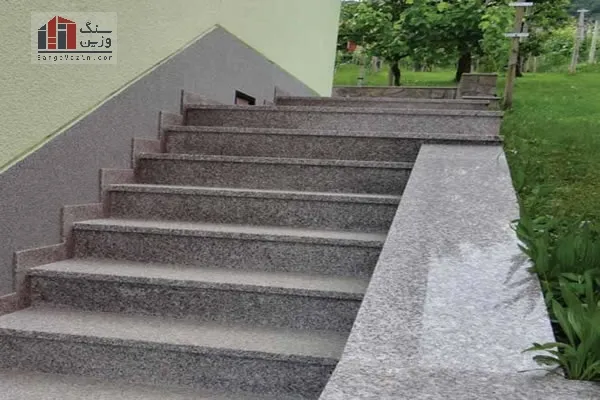
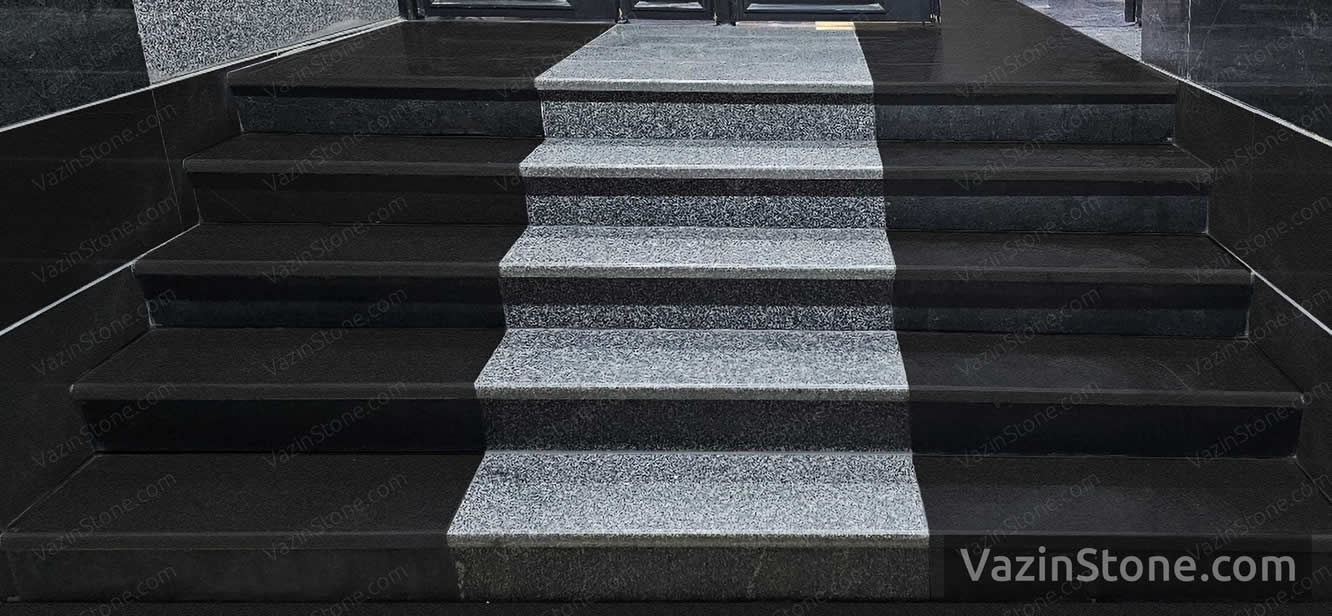
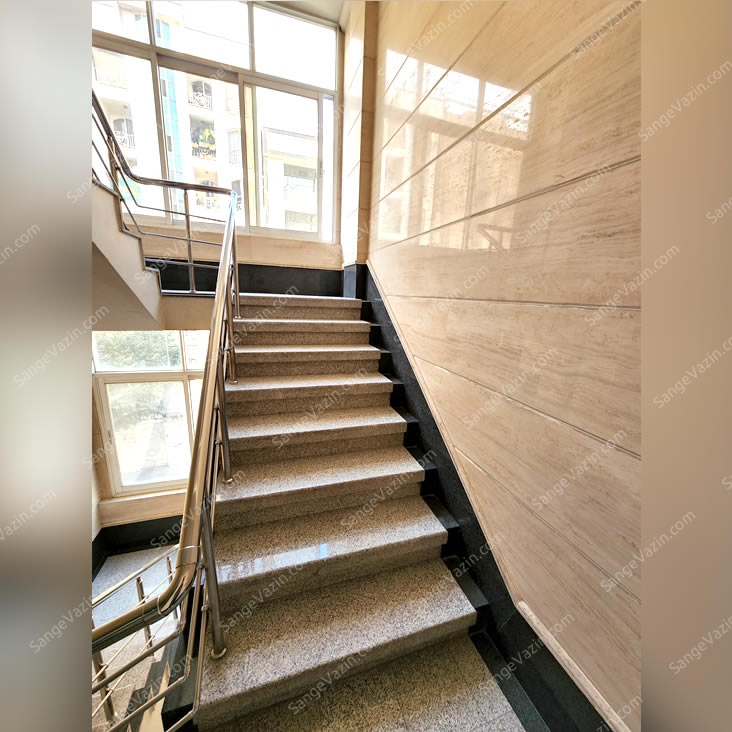
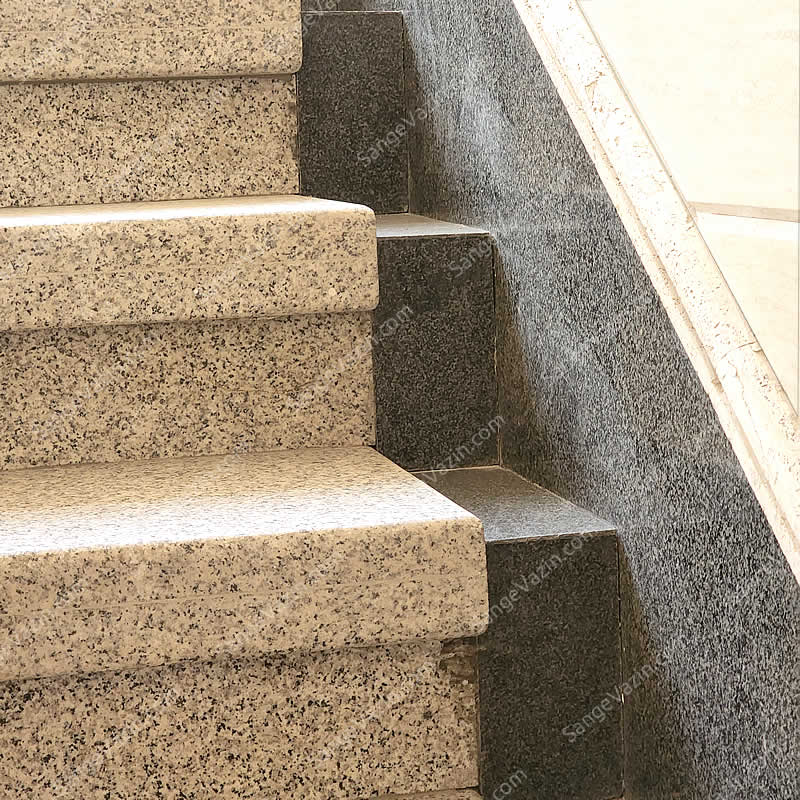
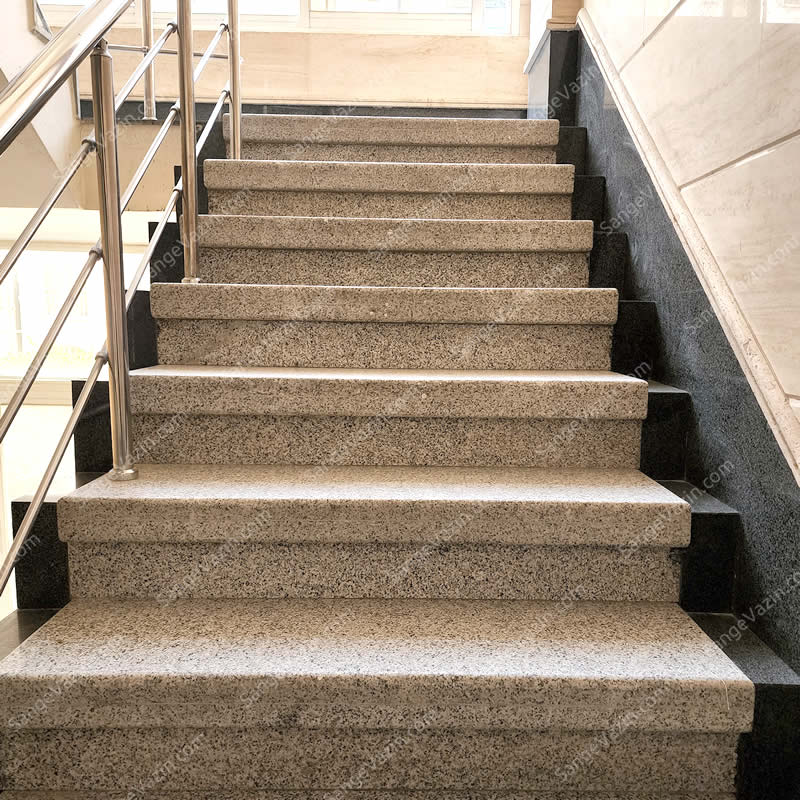
You can see images of granite in various areas of buildings, including the stairs and facade, in the gallery below:

Honesty in Sales Strategy
As part of its strategy of honesty in sales and providing the best advice for making the right choice, Vazin Stone presents the advantages and disadvantages of using different types of granite impartially and fairly. Naturally, every building material has its own strengths and weaknesses, and depending on your circumstances, each may be a more suitable option for you.
Advantages of Granite Stone
- High strength, abrasion resistance, and flexural strength
- Resistance to water and chemicals
- Low water and oil absorption in most sorts
- Beautiful and uniform surface with the lowest level of color contrast
- Without any cracks or breakages
- Reasonable price
High Strength & Durability
As stated, granite, also known as natural stone, is among the strongest and hardest types of stone and is therefore widely used as a building material. It is important to know that this type of stone is a symbol of strength and durability. It does not break easily, and even scratches cannot easily damage its surface. Nevertheless, it can be used in high-traffic areas and demanding applications.
Resistance to Water & Chemicals
Granite also provides excellent resistance to water penetration. However, the water permeability coefficient varies among granites sourced from different quarries. As a result, resistance to corrosion caused by acidic or chemical substances, along with resistance to the penetration of oily substances, is among the other advantages of granite.
Beauty & a Uniform Surface
The appearance of granite stones is generally classified into three categories:
- Granites with a completely uniform pattern, such as speckled granites, solid black granites, or red granites
- Granites with a uniform texture or pattern, featuring lines and subtle veining in limited areas, such as Black Zebra Granite.
- Pattern-free or uniformly patterned granites, completely distinct, such as Birjand granites and some foreign varieties.
 Download Granite Catalog
Disadvantages Of Granite
In addition to its advantages and distinct features, granite also has its disadvantages, which will be discussed below.
1/ Heavy Weight
Granite is approximately 10% heavier than other stones, making it slightly more challenging to transport and adding extra weight to the building (This factor can be overlooked depending on the specific circumstances).
2/ Average Cutting Quality
Most of the granites produced in Iran are similar in thickness, with a few millimeters difference between them. Additionally, the cuts of tiles are not perfectly square either. It should be noted that some factories do not face these problems and consequently charge at least 30% more for the stone.
Granite Stone Colors
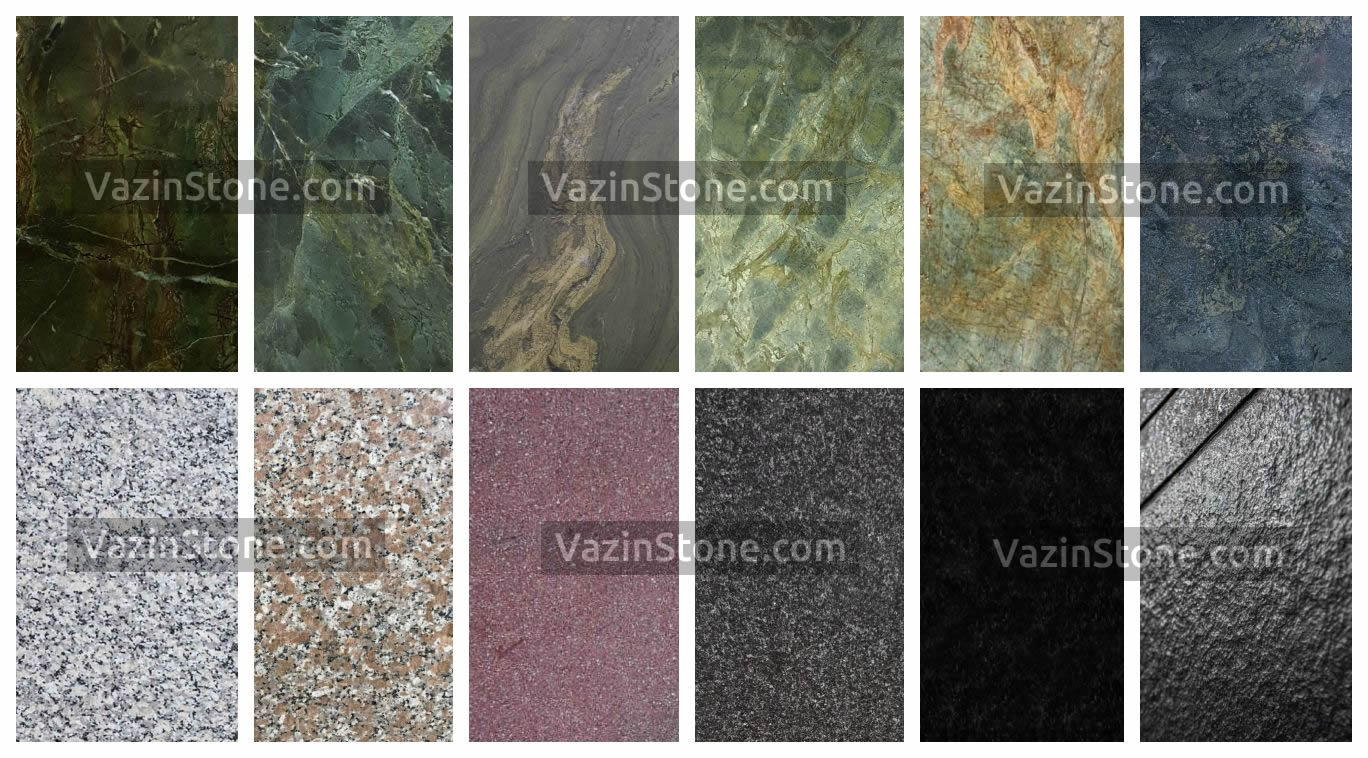
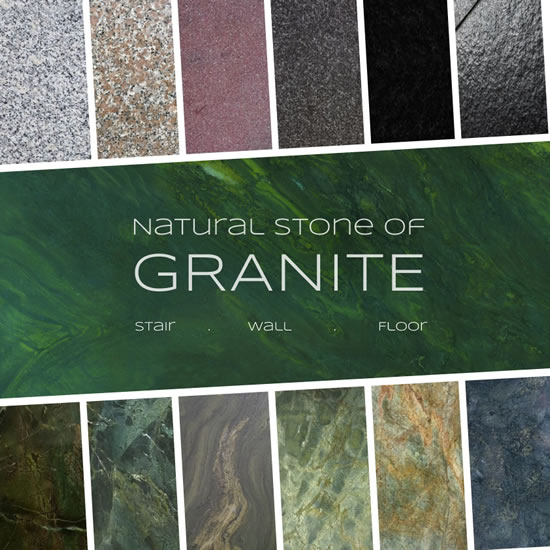
In terms of color, Iranian granites can be divided into four categories: green granite, black granite, red granite, and gray granite. These types can originate from different quarries, each with unique color properties and a range of processing techniques. In the below sections, we will examine the content in the subsequent sections, organized by color.
Black Granite
Black granite stones are extracted from Natanz, Simin, Touyserkan, and Alamout quarries in Iran. These stones are similar in quality, but Touyserkan granite leads in terms of appearance, uniformity, and darkness, making it a preferred choice for tombstones. These stones are comparable to foreign granites and are priced similarly. Natanz black granite is available in different grades and finishes, with Suran granite being the highest-quality option.

Gray Granite
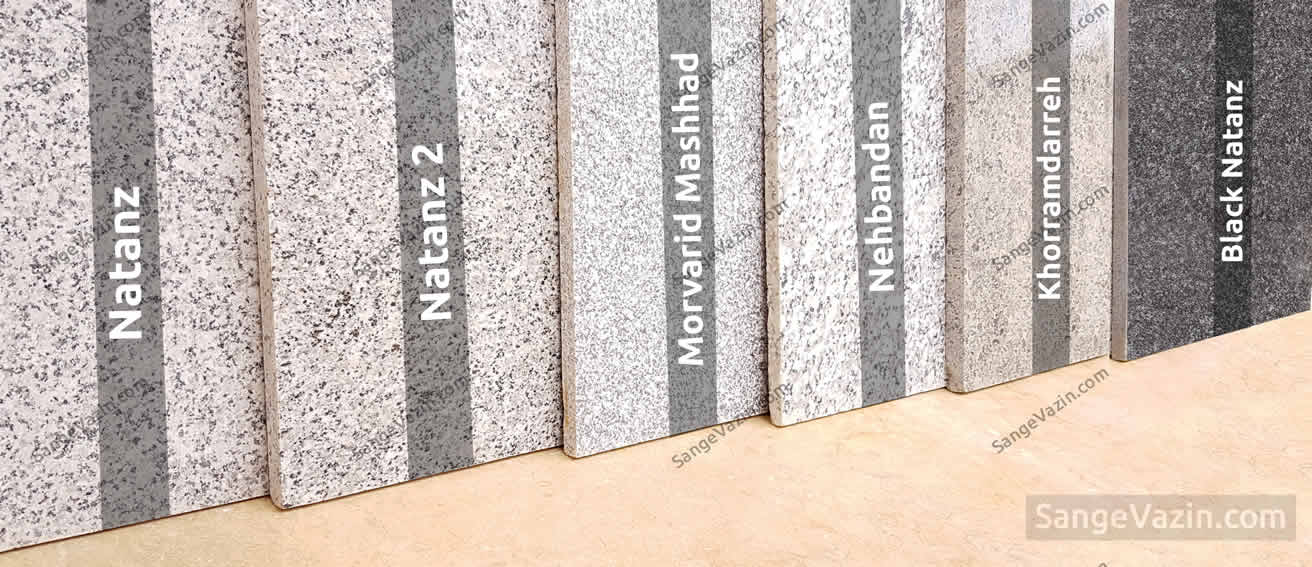
Some examples of gray granite stones (speckled granites) are Natanz granite, Nehbandan granite, Mashhad pearl granite, Zahedan granite, Khorram Darre granite, and Borujerd granite. Out of these, Khorram Darre and Nehbandan granites are notable for their color compared to the other types of granite. These varieties of granite are the least expensive and most affordable compared to other colors.
Green Granite
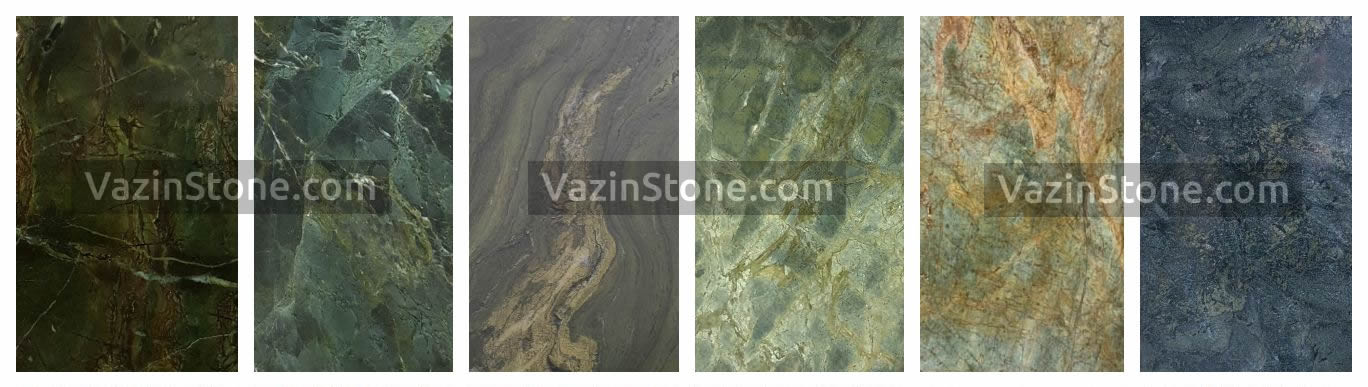
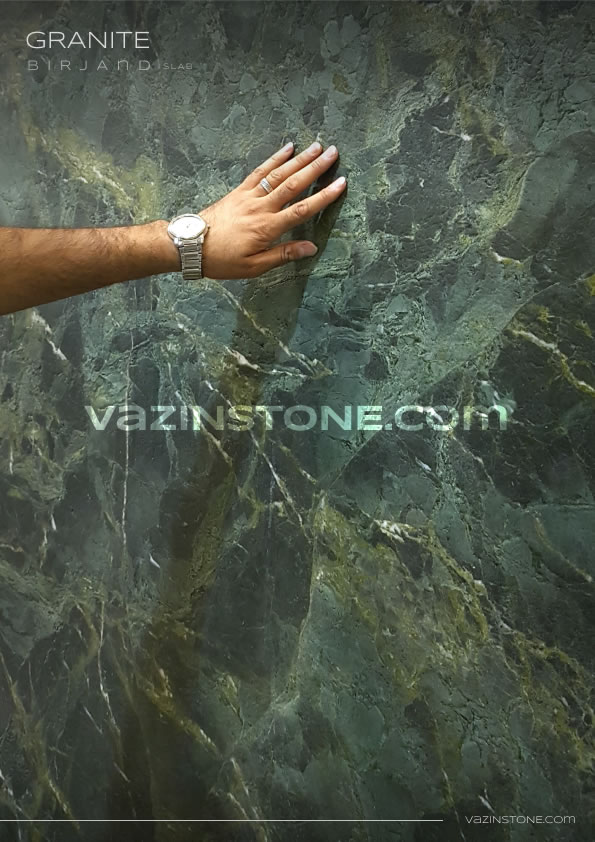
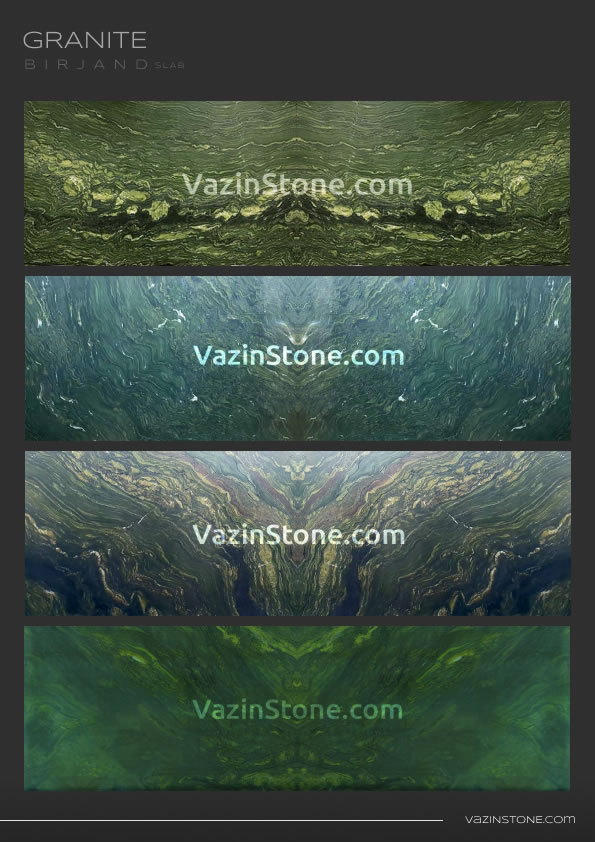
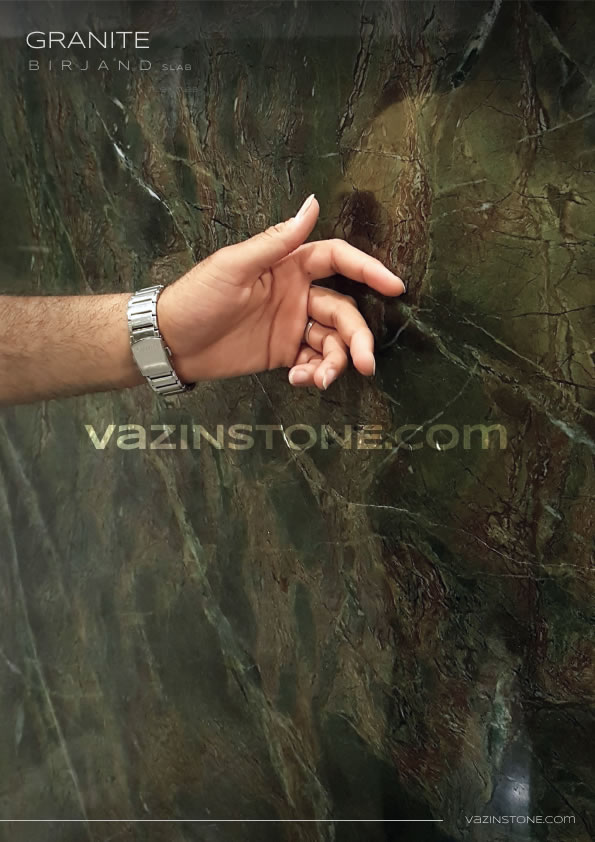
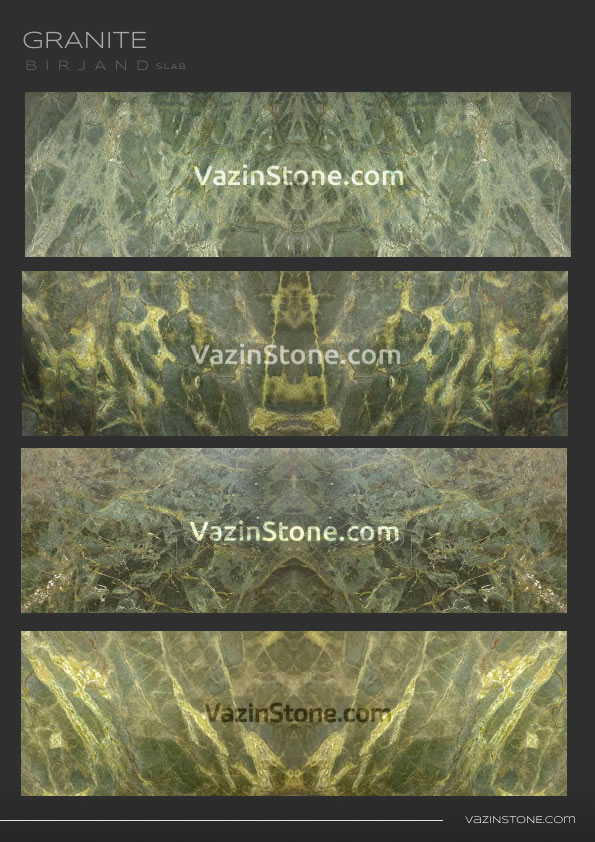
Green granite is undoubtedly the most aesthetically pleasing variety of granite found in Iran. This type of granite is defined by its wide range of surface processes as well as its many different patterns and colors. These granites are frequently found in Birjand quarries. Some of these granites are shown as slabs in the gallery below. Green granite prices are among the highest for Iranian stones.
Red Granite
The Yazd granite quarries are the source of Iran’s red granite, which has a grainy texture similar to other granites and comes in crimson in most types.
Foreign Granite Slab Stones
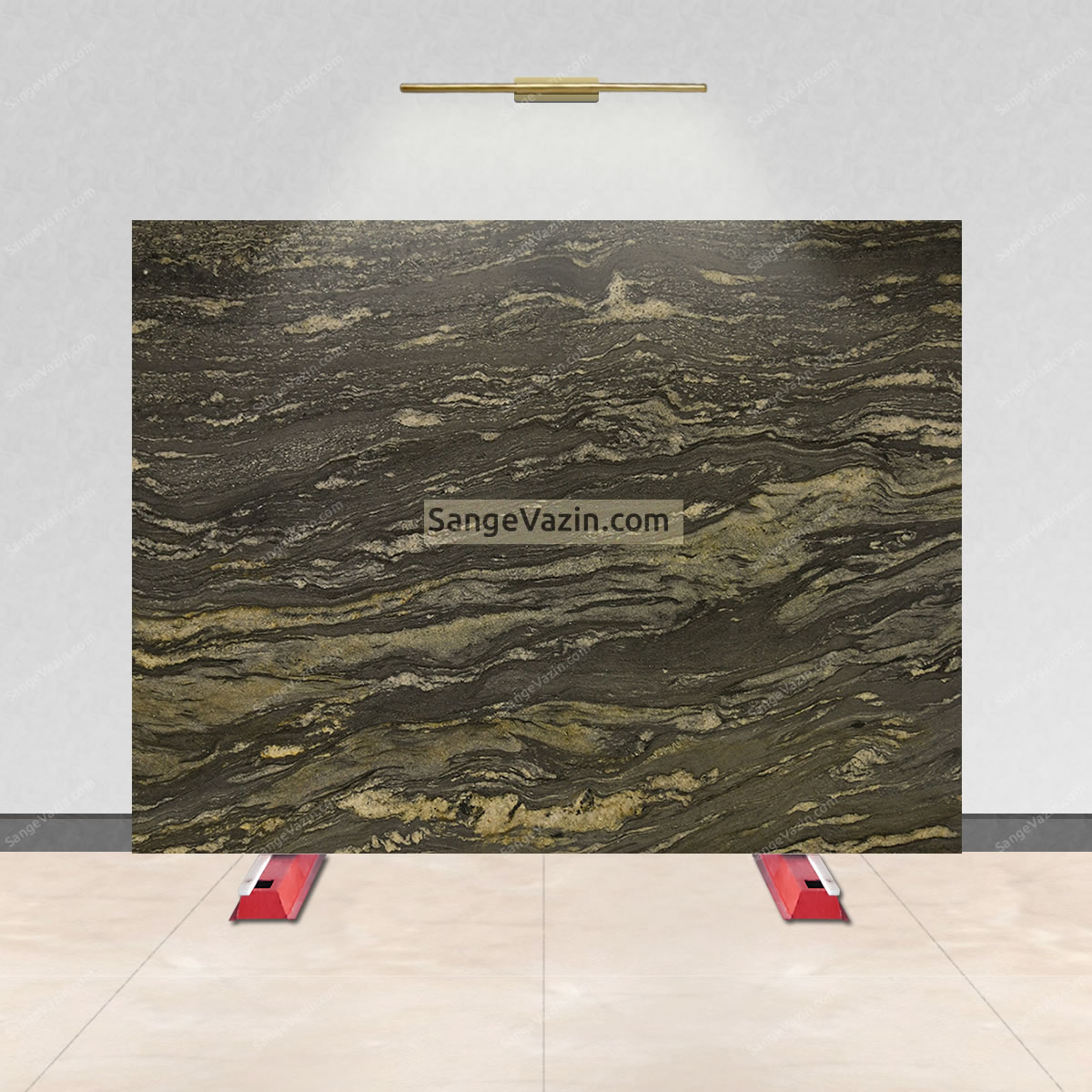
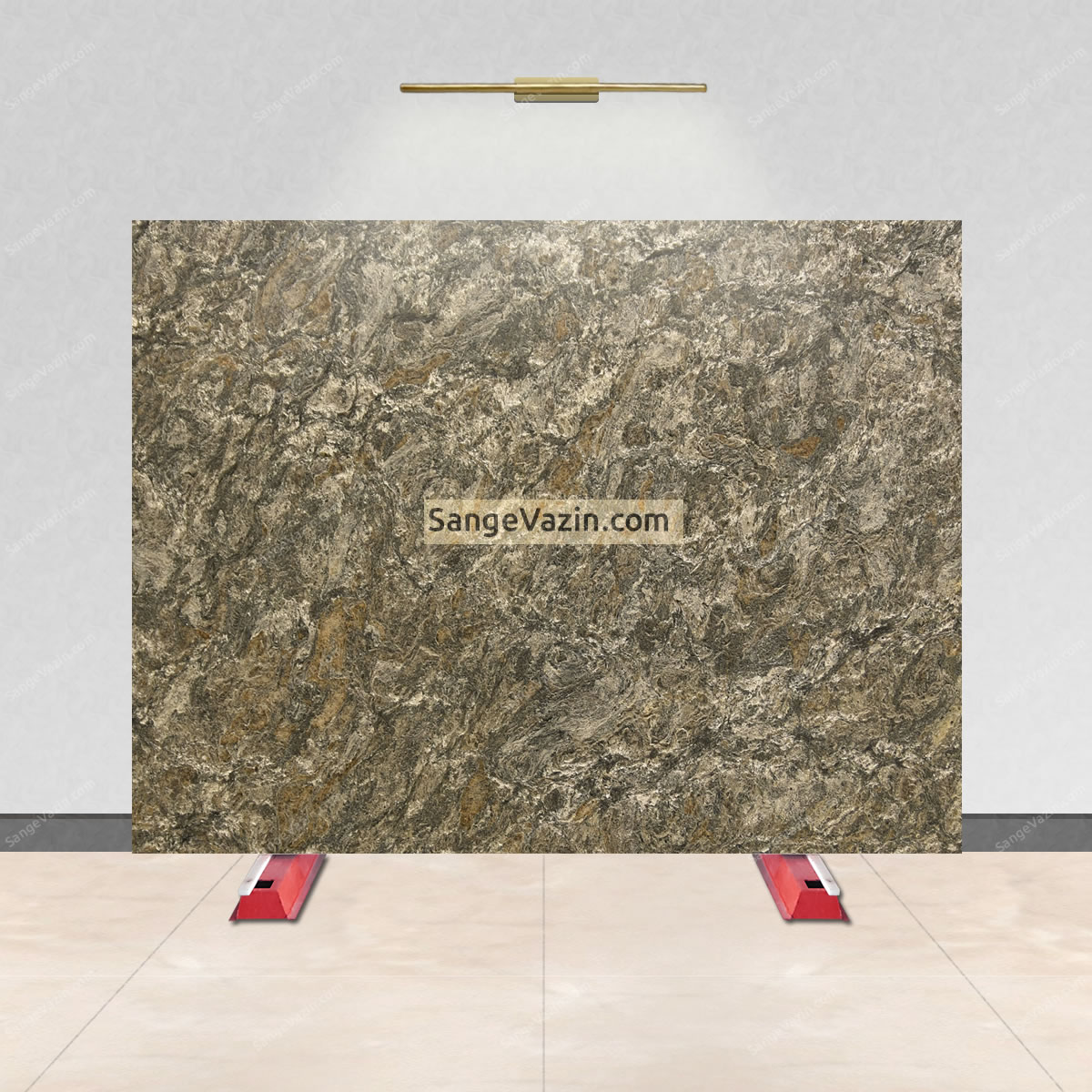
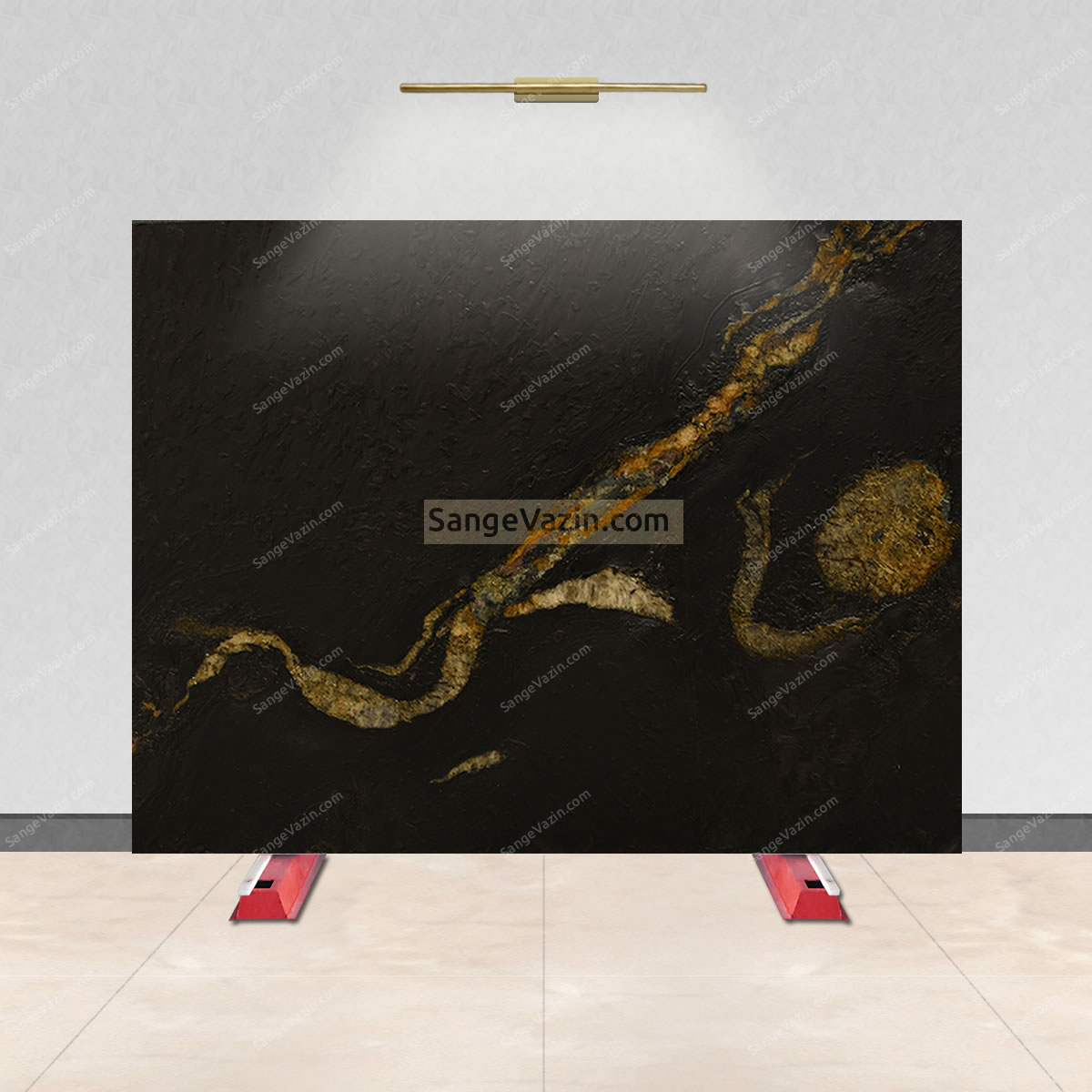
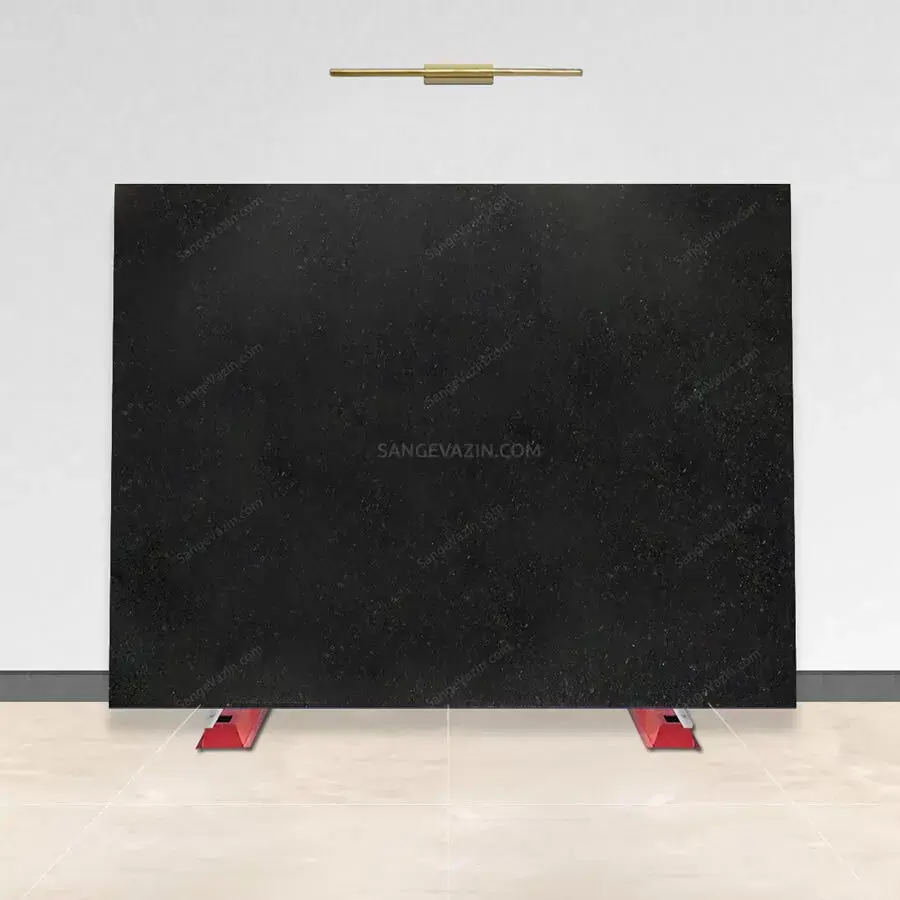
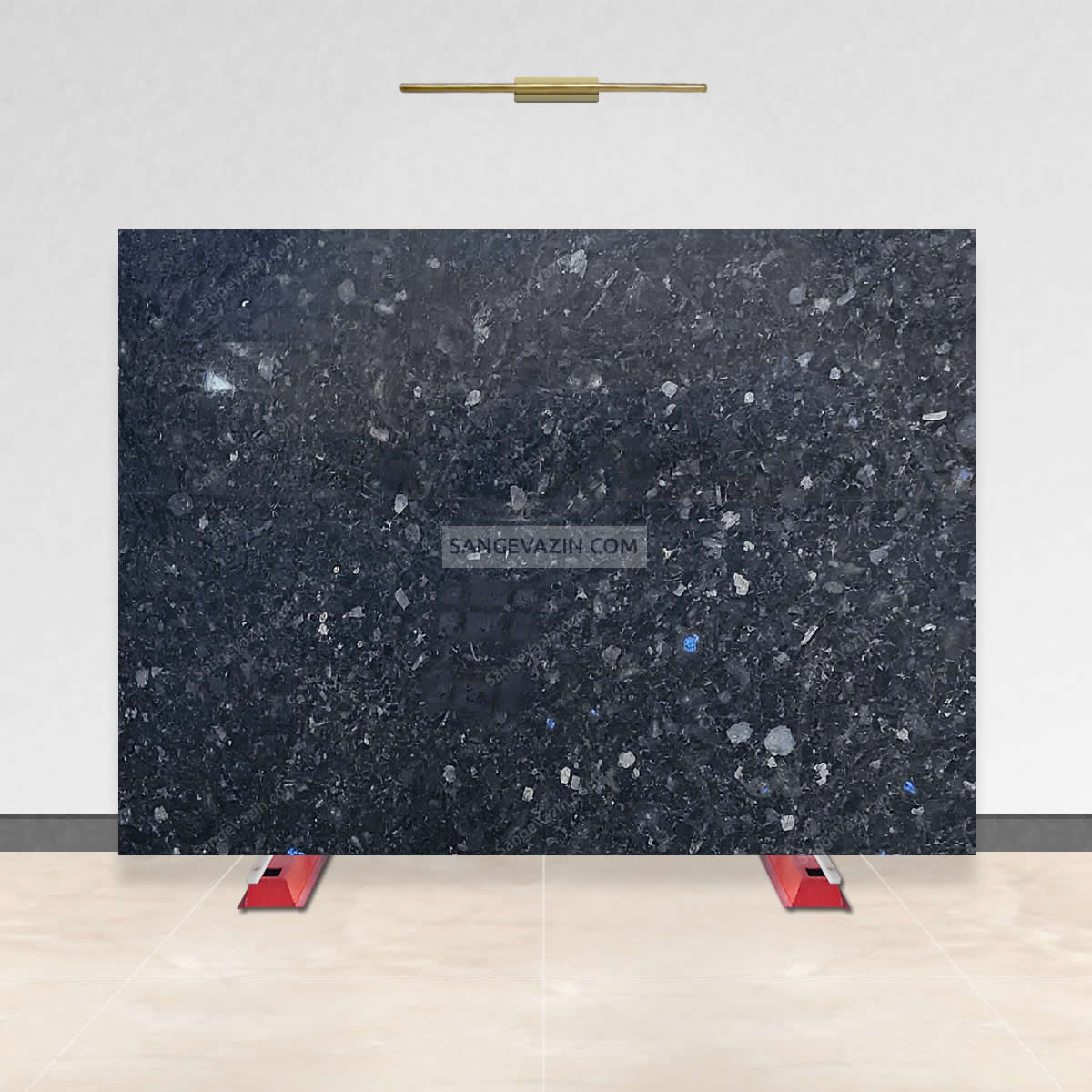
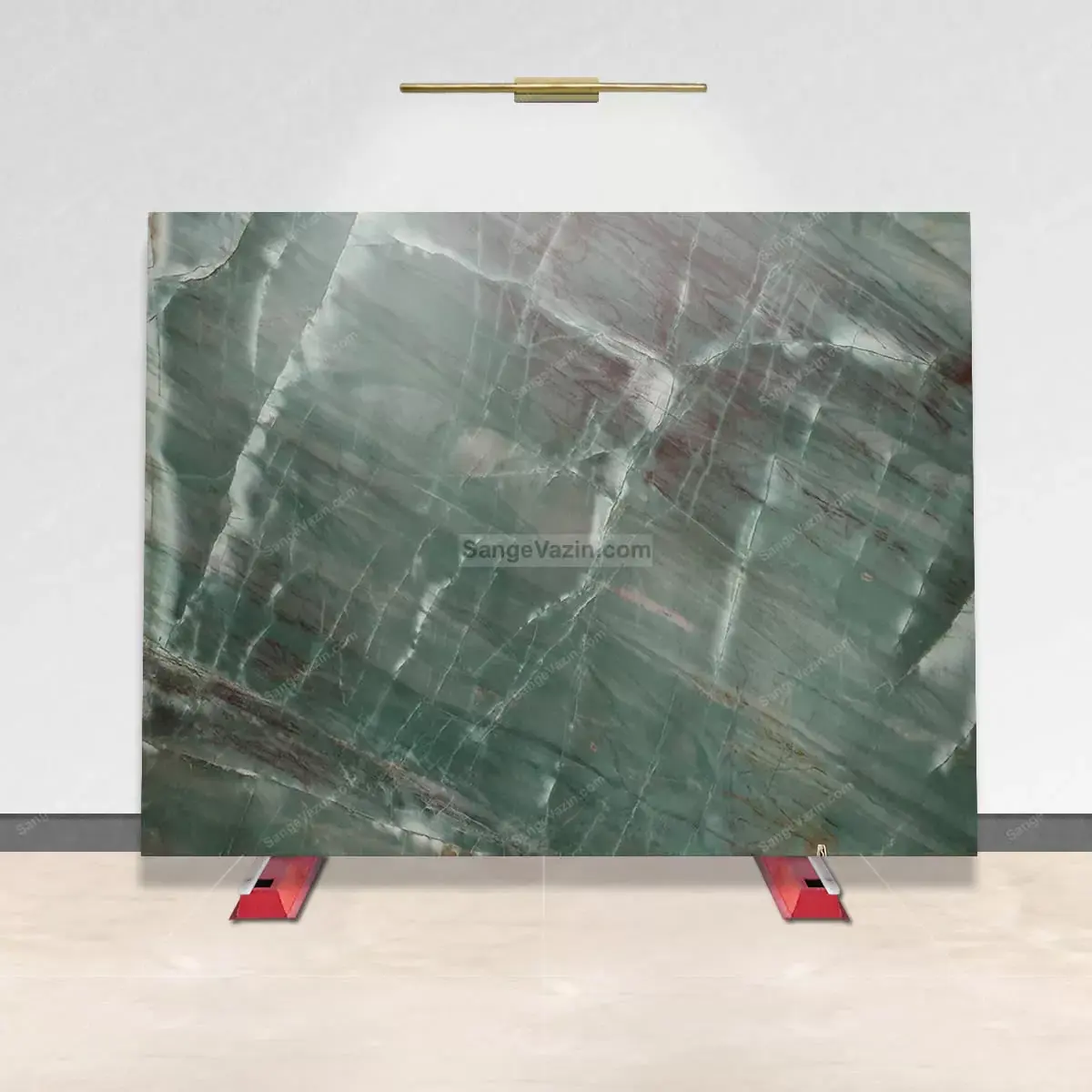
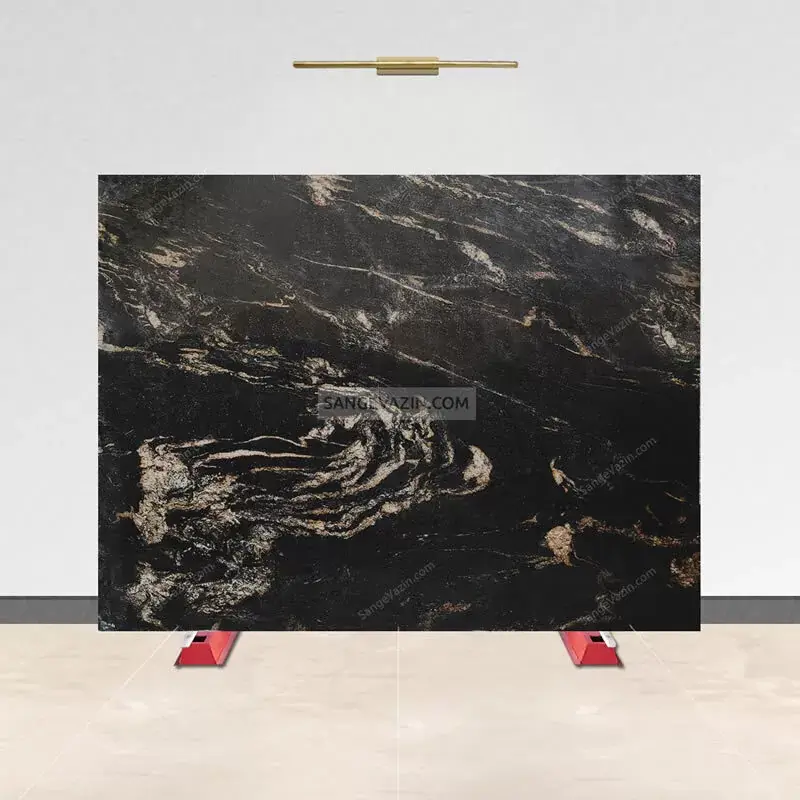
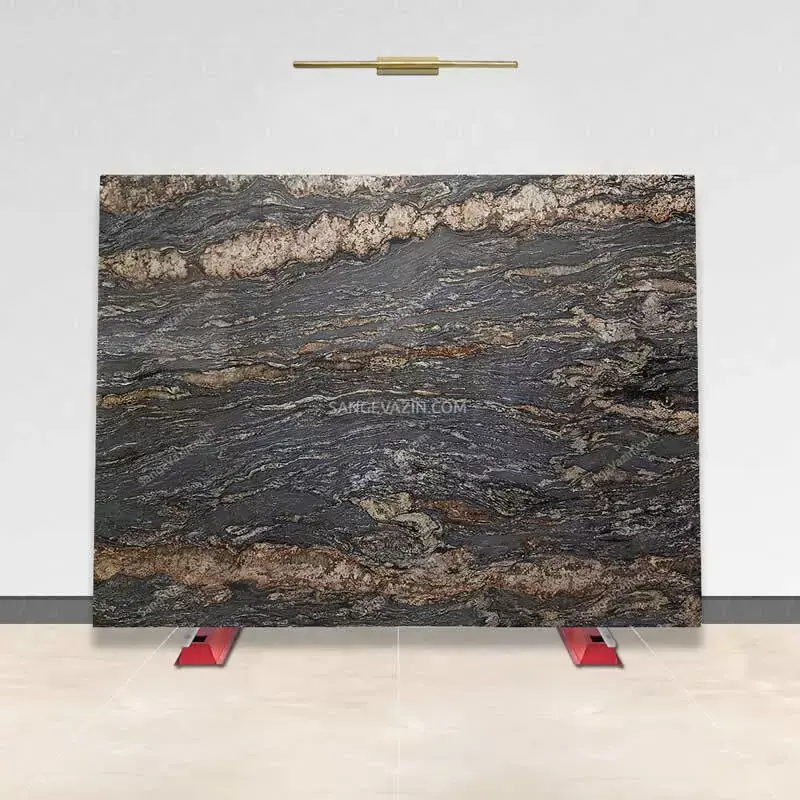
Foreign granite slabs with distinct designs and a range of colors, like shiny black, gray, and even special gold or blue pattern can elevate the look of a space to a sophisticated and luxurious effect.
Foreign granite slabs are typically more expensive than Iranian stones because of their origin and additional expenses related to shipping and customs duties. Many Iranian granite slabs are not only comparable to international varieties in terms of quality and durability, but also offer a diverse range of distinctive designs, making them an ideal choice for various construction projects. Moreover, the price of Iranian granite can provide you with a cost-effective advantage.
You can see samples of foreign granite slabs in the gallery below.
Applications of Granite Stone
Granite stone’s durability and strength make it suitable for use in various areas of a building, both indoors and outdoors.
Nevertheless, some of the most important applications of this type of stone include the following:
- Stairs
- Paving stone (typically in the form of cubic stones)
- Floor stone
- Wall cladding stone
- Landscaping
- Tombstones
- Vanity sink surrounds
- Elevator door frame
- Kitchen countertop
- Stone tops for coffee tables and dining tables
- Fountains
- Curb Stone

Granite in Building Facades
The heavy weight of granite can significantly increase the overall weight of a building, while its low adhesion can also pose a risk of the stone becoming detached and falling from the facade, sometimes necessitating the use of mechanical fasteners such as bolts and screws. For this reason, granite is not considered suitable for use as a building facade stone, and its use for facades has therefore been prohibited.
Granite Stone Processing
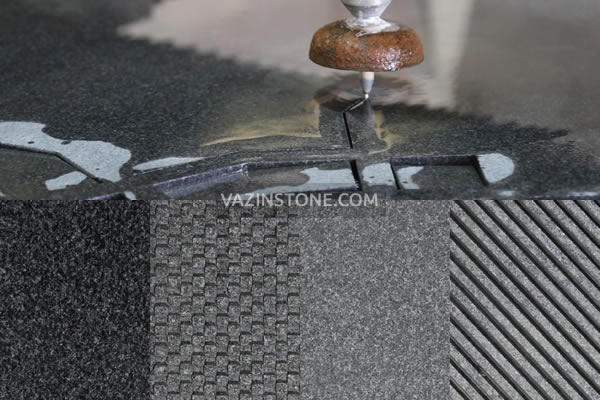
Surface processing of cut stones is a crucial aspect of their production. With different processing methods, stones can be transformed to adapt to changing market preferences, allowing them to be presented freshly and uniquely.
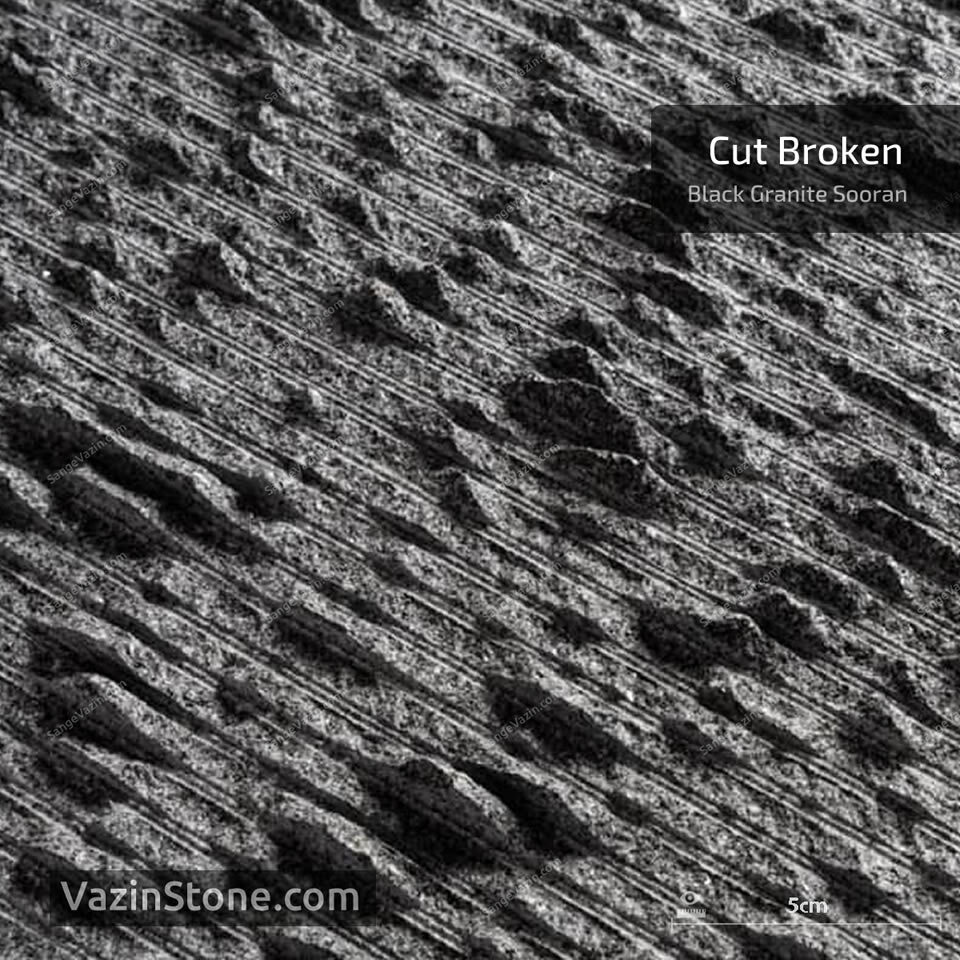
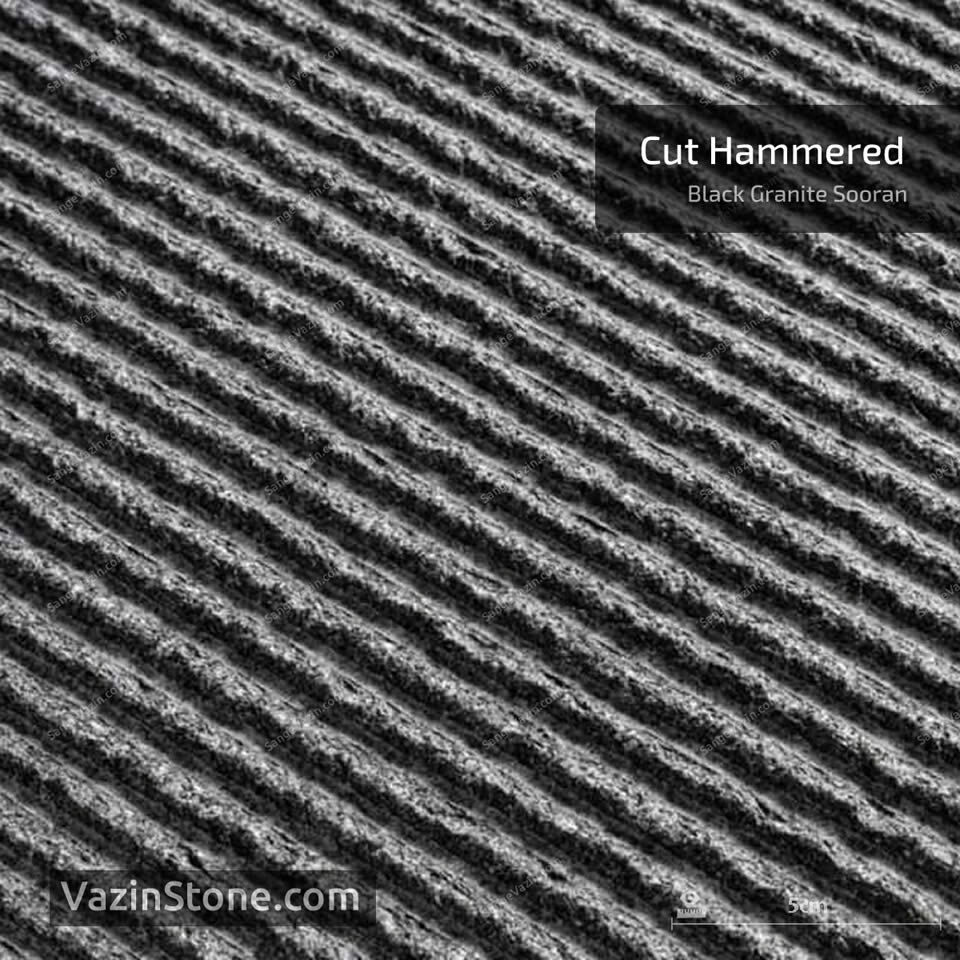
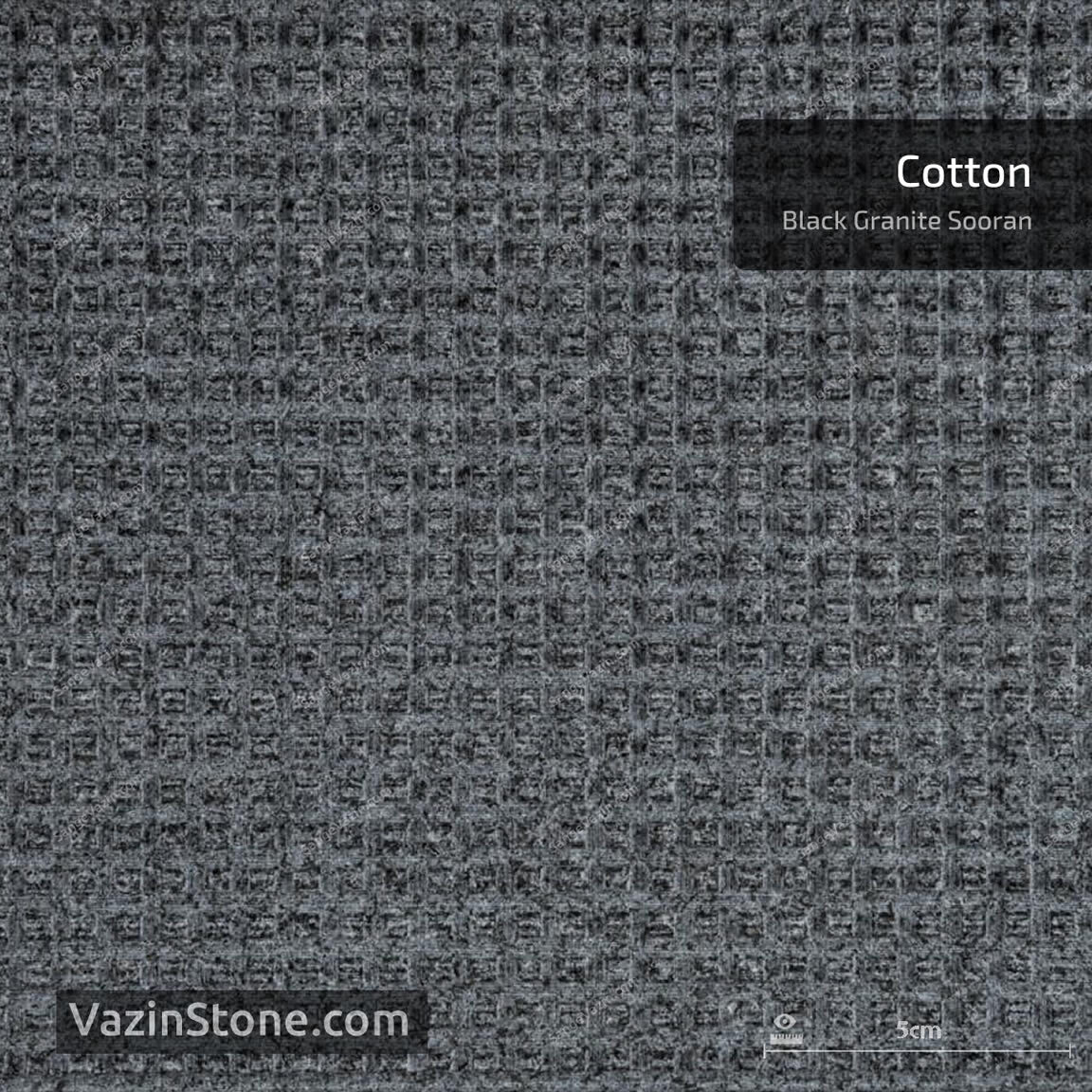


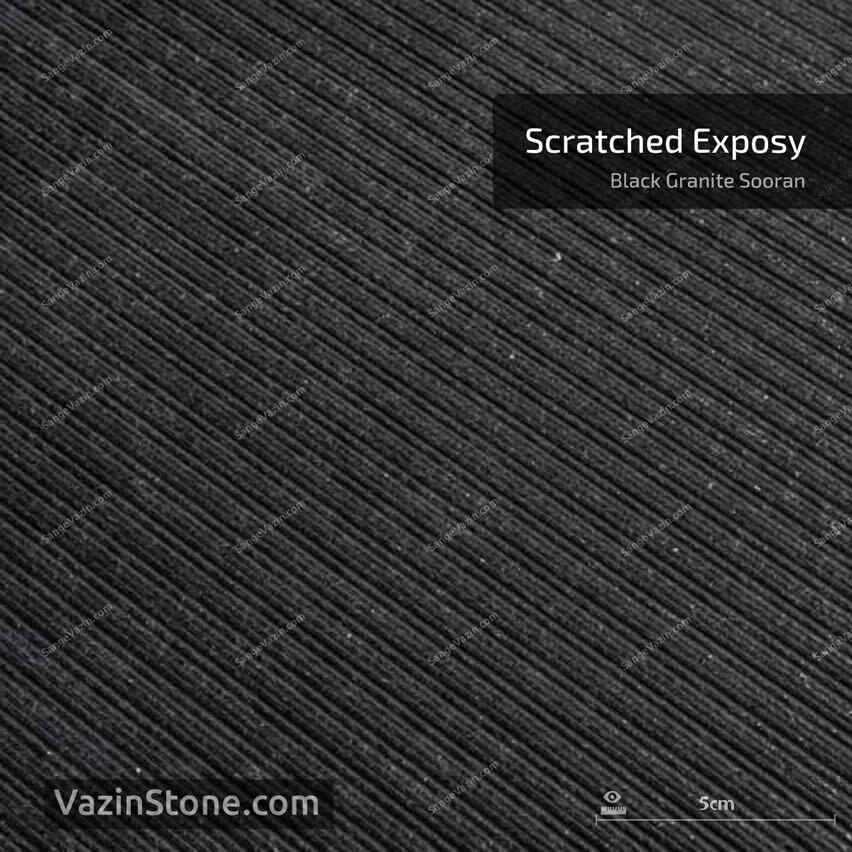
The use of state-of-the-art machinery and technical innovation has enabled a wide range of exceptionally beautiful, diverse, attractive, and remarkable finishes to be achieved on granite, resulting in an extensive variety of cut-to-size natural granite stone products.
These methods, such as scratched, bush – hammered, sandblasted, cut, leathered, flamed, matrix, and cotton, can be combined to create innovative stone effects.
Granite Quarries in Iran
Iran is one of the richest countries in terms of the number of quarries. Various types of building stones are quarried in different cities across the country.
Granite, which is considered one of the valuable natural stones, is found in cities such as Hamadan, Mashhad, Natanz, Gilan, Nehbandan, Yazd, Zanjan, Khorramdarreh, and Tous.
It is worth noting that the color and pattern of granite vary from one region to another. This diversity is considered one of the greatest advantages of Iran’s stone quarries.
The abundance of granite resources has made Iran self-sufficient in this stone, while also providing significant potential for stone exports.
Which Granite Type Should We Buy?
When selecting granite stone, the top priority is color and appearance. Then, it is important to consider physical properties like flexural strength, abrasion resistance, and impermeability to moisture and oil. The price of granite is another particularly important consideration, with the price difference between the least expensive and most expensive types of granite sometimes reaching as much as tenfold.
1/ Choosing Based on Color
The color of granite has a direct impact on the overall aesthetic of a space, and its selection should be based on the type and requirements of the project.
1-1/ Black Iranian Granite
Among Iranian granites, if you are looking for the darkest options, you can choose the following stones in order:
- Tuyserkan Granite
- Simin Granite
- Natanz Granite
Black granite is commonly used in residential and commercial spaces for flooring, walls, and staircases, and is highly popular due to its exceptional durability and elegant appearance.
1-2/ Iranian Colored Granites
- Orange: Taibad, Nehbandan Orange
- Red: Yazd Red Granite
- Green: Birjand Granite
These stones are quarried from Iranian quarries, each featuring a unique pattern and texture.
1-3/ Foreign Granites
For more distinctive colors, such as:
- Blue
- Cream
- Brown
Foreign granites from Brazil and Italy can be used, which are also available in the Iranian market.
2/ Choosing Based On Physical Properties
For projects with demanding and high-pressure conditions, such as:
- Parking
- Ramp
- Yard and outside floor stone
- Industrial halls and factories
Stone selection should be based on high mechanical strength and exceptional durability.
The most popular granite stones for these applications include:
- Nehbandan
- Khoram Darre
- Natanz
- Zahedan
- Mashhad Pearl
Among these, Mashhad Pearl Granite is one of the most affordable granites on the market. Its lower price is due to its higher permeability and greater water absorption compared to other granites.
How To Order Granite Stone
Paying attention to details and following the correct steps when ordering from Vazin Stone can ensure a satisfying experience. At Vazin Stone, we will stand by you every step of the way with expert guidance and assistance, from selecting the perfect stone to completing your order. The process for ordering stones is as follows:
- Dimension calculation: Consult your stonemason to determine the precise or estimated size of the project.
- Selection of stone: Select your preferred stone with the assistance of Vazin Stone consultants, considering color, quality, and price. One of the key factors to consider when purchasing granite is the type of finish applied to the stone.
- Choosing the Stone Finish: Depending on the finishing technique applied, granite can offer enhanced functionality and aesthetics for its intended application. Some of the finishes that can be applied to this stone include grooved, sandblasted, scratched, cotton, rock design, and matrix finishes. In addition to creating attractive visual effects, these finishes improve the stone’s performance under different conditions and for various applications. Therefore, considering the stone finish when ordering granite is an important and essential factor.
- Registering the order and receiving the invoice: After selecting the stone, the invoice will be sent per your preference.
- Completing the order and payment: Once the pre-invoice has been confirmed, the payment method and loading schedule will be decided. Full invoice payment is necessary to finalize and proceed with the final shipment
Price of Granite Stone
The exceptional hardness and durability of granite also affect its cutting and production processes, resulting in higher cutting and processing costs compared to limestone. The price range (Vazin Stone) for granite starts at $7 per square meter and varies up to approximately $39 per square meter (last updated in July 2026). The most affordable option is Mashhad Pearl Granite, while the most expensive is Norway Green Granite Slab.
In general, domestically sourced granite is considerably more affordable than imported granite. Among them, gray speckled granites, such as Mashhad Pearl Granite and Natanz Granite is available at the lowest prices.
What is granite stone, and what are its characteristics?
Granite is an intrusive igneous rock formed by the slow cooling of magma beneath the Earth’s surface. It has a coarse-grained texture and a dense structure. Due to its high hardness, abrasion resistance, and low water absorption, it is widely used in construction projects.
What is the price of granite stone?
Granite stone prices vary depending on type, color, dimensions, and quality. In general, the price range (Vazin Stone) starts at around $7 and goes up to about $39 per square meter. For exact pricing, please contact the Vazin Stone sales team.
What are the common applications of granite stone in construction?
Due to its high durability and attractive appearance, granite is used in various parts of buildings, such as floor stones, stairs, walls, countertops, and outdoor spaces like yards and parking areas.
Is granite suitable for building facades?
The heavy-weight of granite significantly increases the structural load of a building, and its low adhesion can lead to the risk of detachment and falling from the facade, sometimes requiring mechanical fixing with bolts and anchors. For this reason, granite is not considered suitable for use in building facades.
Which type of granite is suitable for floor stone?
For floor stone, particularly in high-traffic areas, granite with a minimum thickness of 3 cm is recommended. In addition, to reduce the risk of slipping, flamed or chiseled finishes are appropriate options.
What is the difference between Iranian granite stones and foreign granite stones?
Iranian granites, such as Natanz, Nehbandan, and Mashhad Pearl granite, are of high quality and are generally more affordable compared to foreign varieties. Some imported slab granites may be more expensive, but this price difference does not necessarily indicate higher quality.