Iran Slab Stone Exports: Opportunities & Challenges
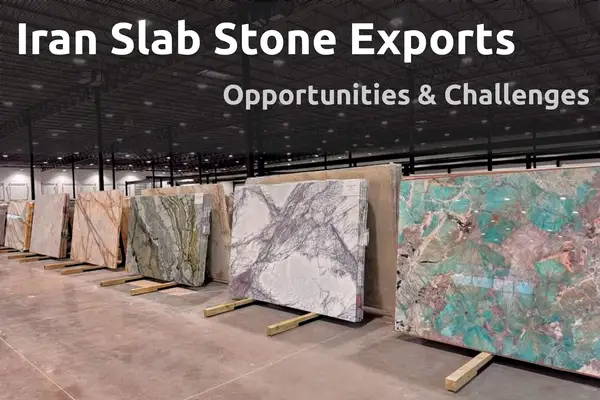
Iran possesses vast reserves of natural stone and strong potential for producing high-quality stone slabs in onyx, travertine, marble, and granite. However, various challenges from export restrictions to limited international branding have hindered the country’s growth and share in the global market. In the following analysis, supported by data, comparisons, and practical insights, we explore the opportunities and challenges of Iran Slab Stone Exports in the global marketplace.
Table Of Contents:
Outlook for Slab Stone Exports
Global Slab Stone Market Growth
The global slab stone market is projected to be valued between USD 48 and 51 billion in 2024, reaching approximately USD 64.5 billion by 2030. The market is expected to grow at a compound annual growth rate (CAGR) of around 4.1 percent, driven by rising construction and renovation activities and an increasing preference for natural materials in interior design.
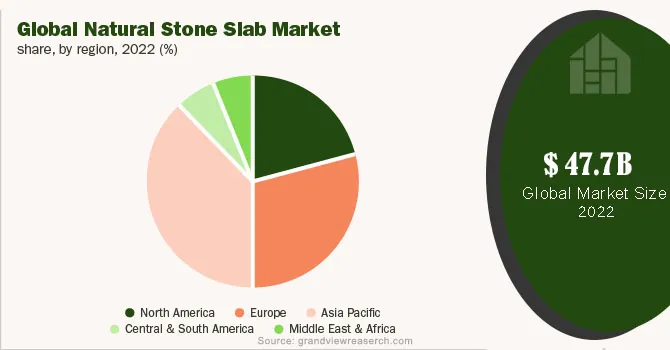
The expansion of construction projects across Asia and the Middle East, coupled with a growing inclination toward sustainable natural materials, represents a major driver of growth in the global slab stone market. According to a report by Mordor Intelligence, stone slabs accounted for approximately 45.52 percent of the total natural stone market in 2024.
The growth in global stone demand is shifting toward high-end, value-added slabs used in premium projects such as hotels and commercial spaces, supported by the adoption of advanced cutting and processing technologies. China remains the world’s largest producer and exporter of slab stones, followed by Italy, which leads in luxury onyx production, and Turkey, which holds a strong position in regional exports.
Iran Slab Stone Exports: Statistics and Trends
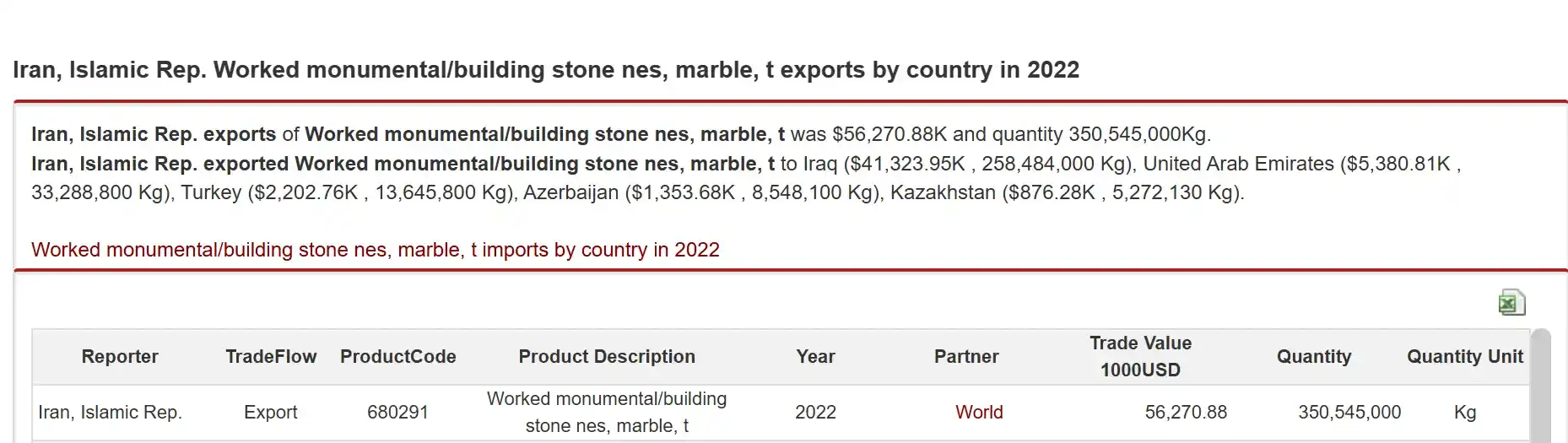
The latest data from the World Integrated Trade Solution (WITS) indicate that Iran’s exports of building stones, specifically onyx and travertine, totaled approximately USD 56.3 million in 2022.
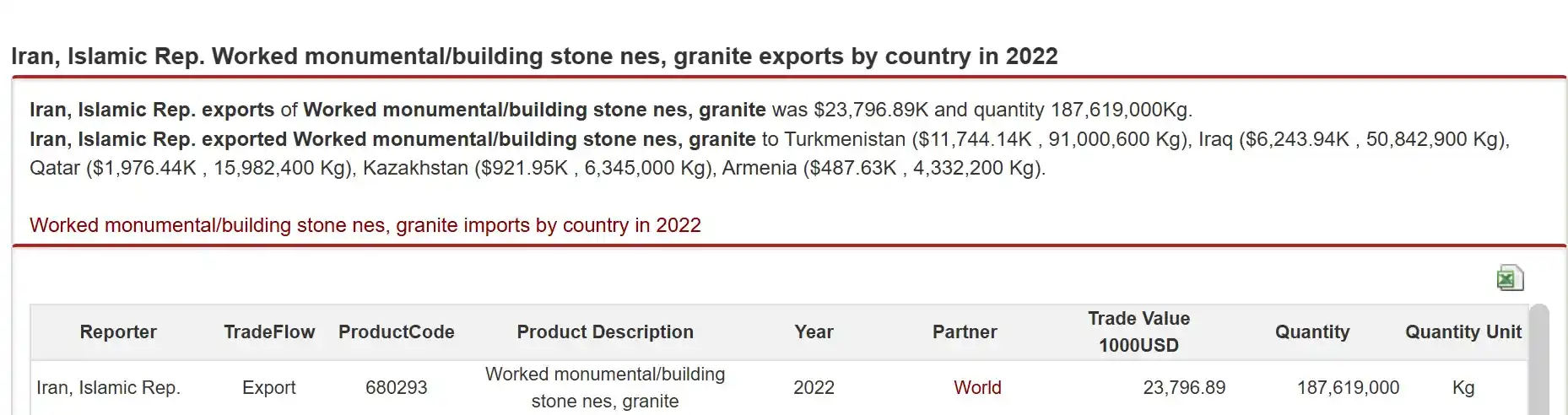
Meanwhile, Iran’s granite exports reached around USD 23.8 million in the same year.
This indicates that despite having significant capacity, Iran Slab Stone Exports have yet to reach their full potential.
Top Destinations for Iran Slab Stone Exports
Due to sanctions and banking limitations, most of Iran’s Slab Stone Exports are directed toward neighboring countries and nearby regions. For instance:
- Iraq: In 2022, Iran exported approximately $41.3 million worth of onyx to this country.
- United Arab Emirates: In 2022, Iran exported approximately $5.38 million worth of onyx to the UAE.
- Turkey: In 2022, Iran exported approximately $2.20 million to Turkey.
Iran in Global Export Rankings
Despite abundant natural resources and strong production capabilities, Iran has yet to achieve a leading position in the global stone market due to sanctions, banking and logistical constraints, and branding challenges. Although its current share of global stone exports remains limited, Iran’s diverse stone varieties, vast mineral reserves, skilled workforce, and strategic location bridging Asian and European markets provide substantial potential for growth.
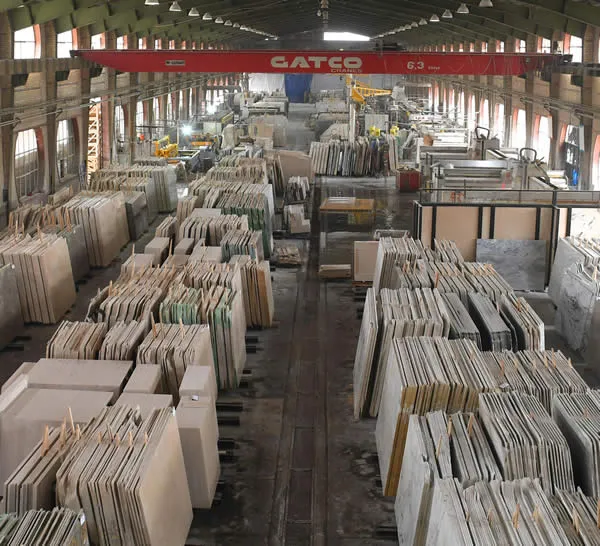
Types Of Iranian Slab Stones
Onyx Slab Stone
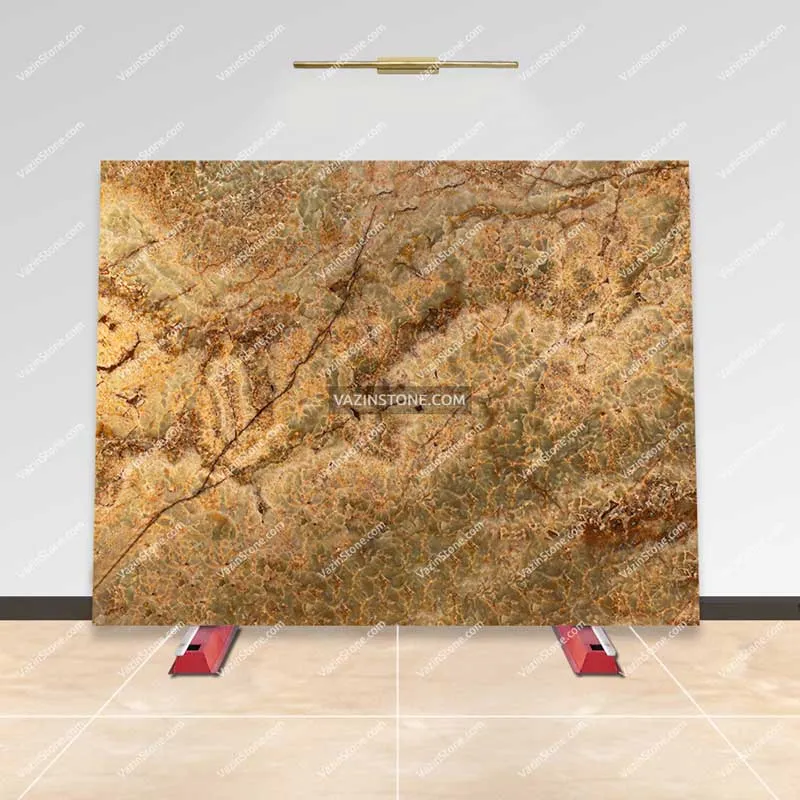
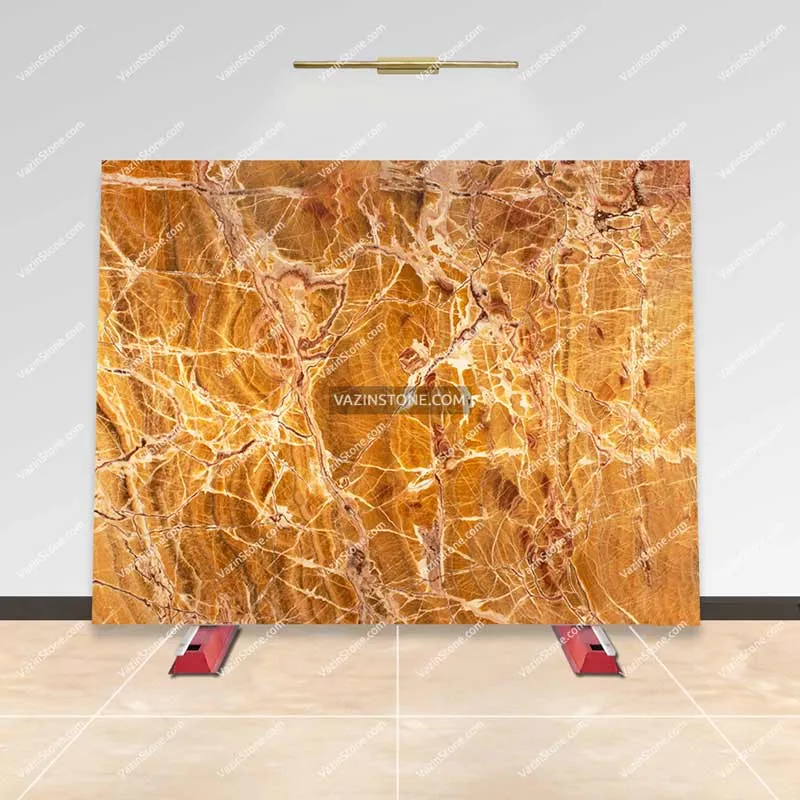
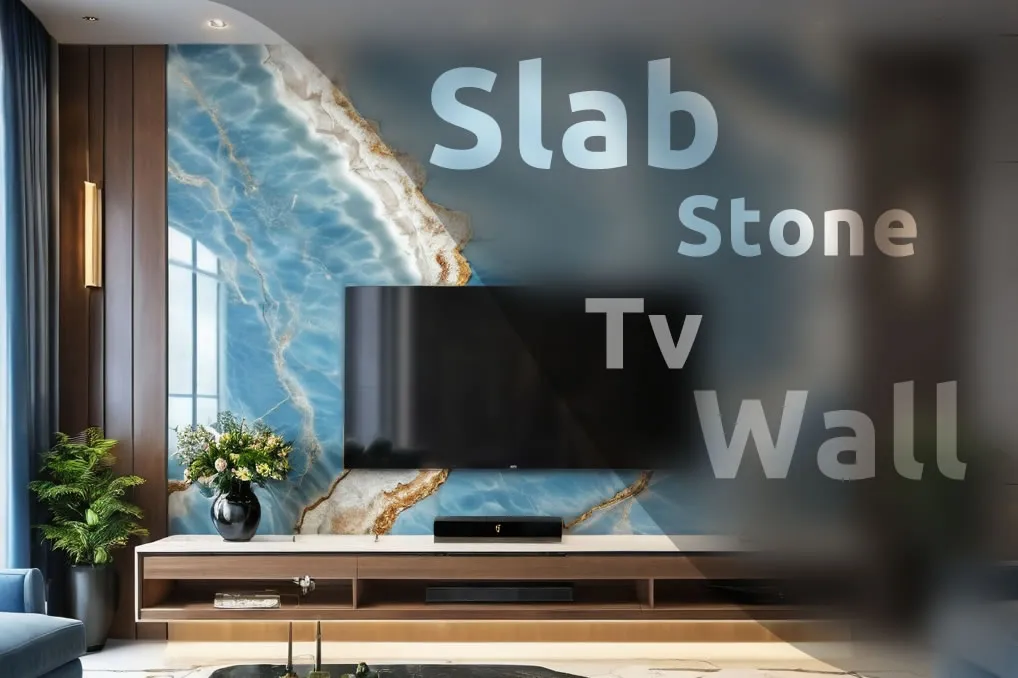
Onyx Stone, with its metamorphic structure and luxurious appearance, is moderately sensitive to scratches and pressure, making it suitable for interior spaces with low to medium foot traffic. It comes in a wide range of colors, such as white, cream, pink, gray, and veined patterns that create an elegant and sophisticated look. The main applications of onyx slabs in interior design include wall cladding, countertops, and tabletops for side and coffee tables.
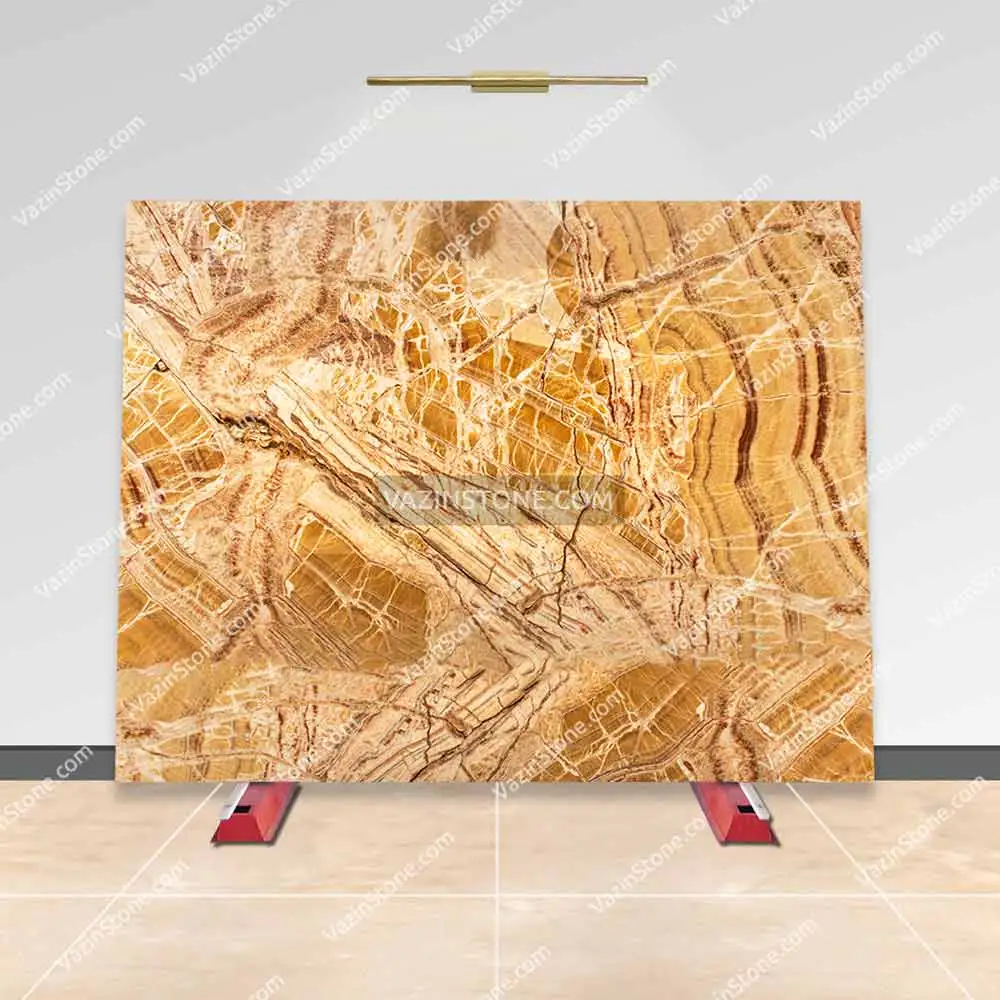
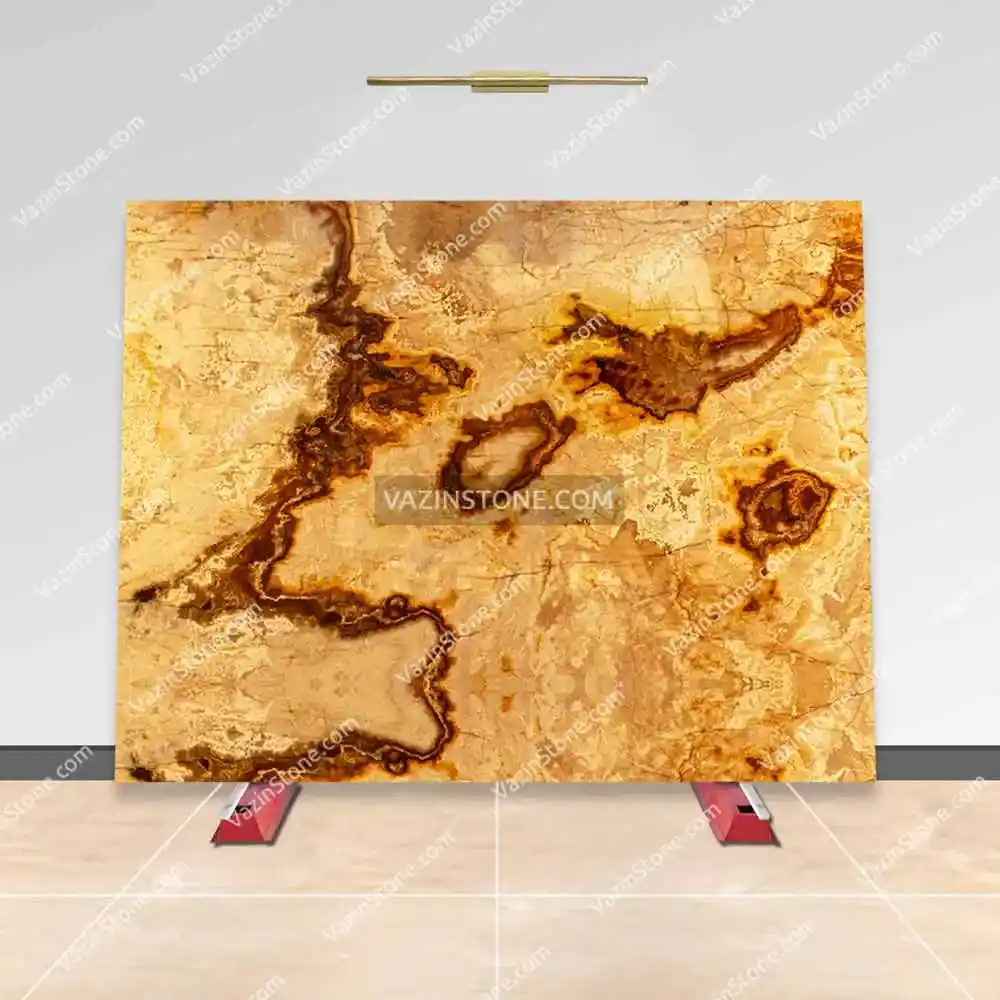
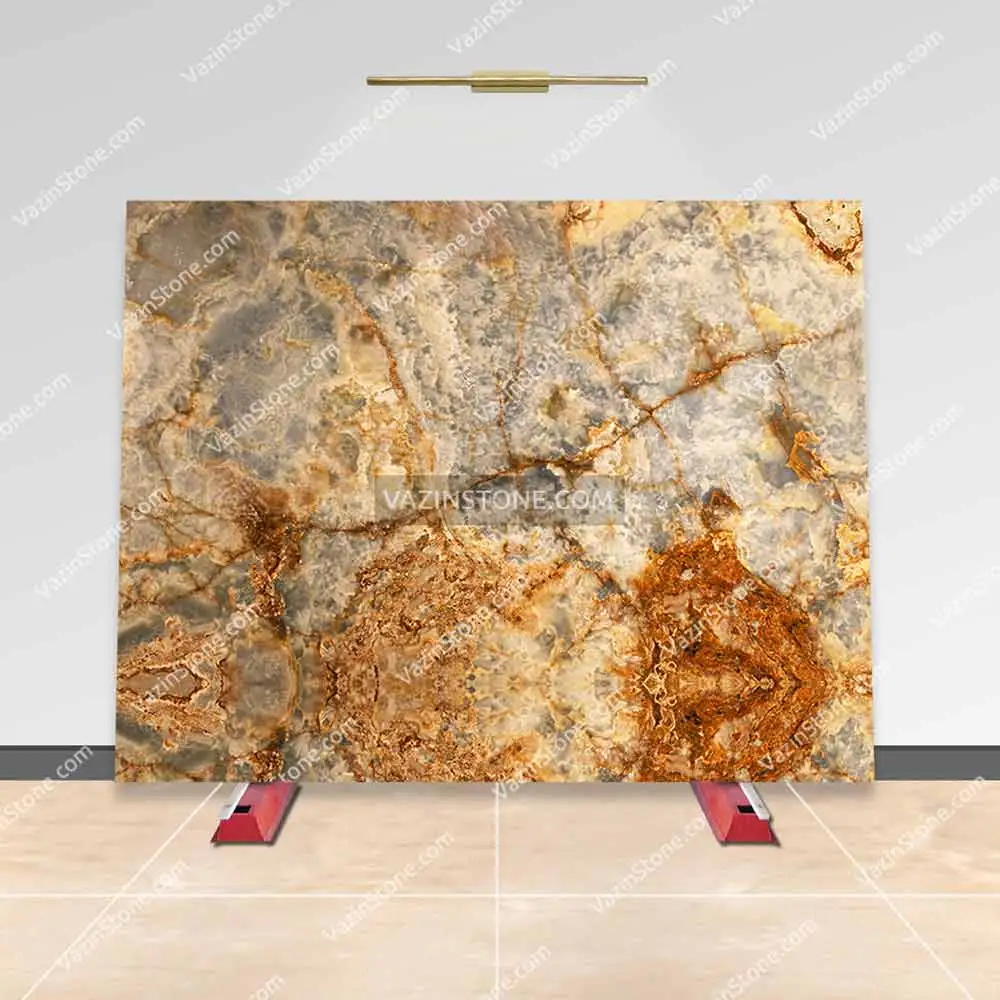
Marble Slab Stone
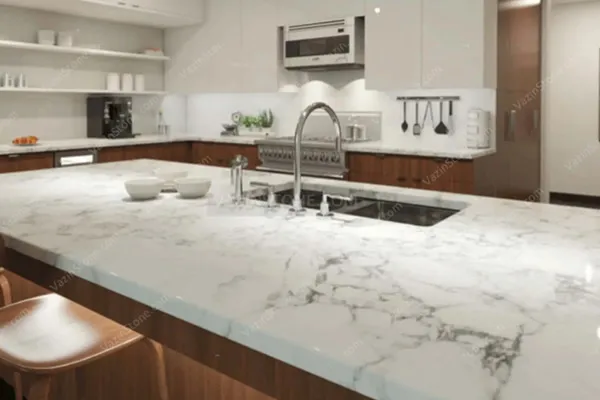
Marble Stone, a metamorphosed limestone with a dense, nearly pore-free texture, offers high aesthetic appeal and a wide range of colors.
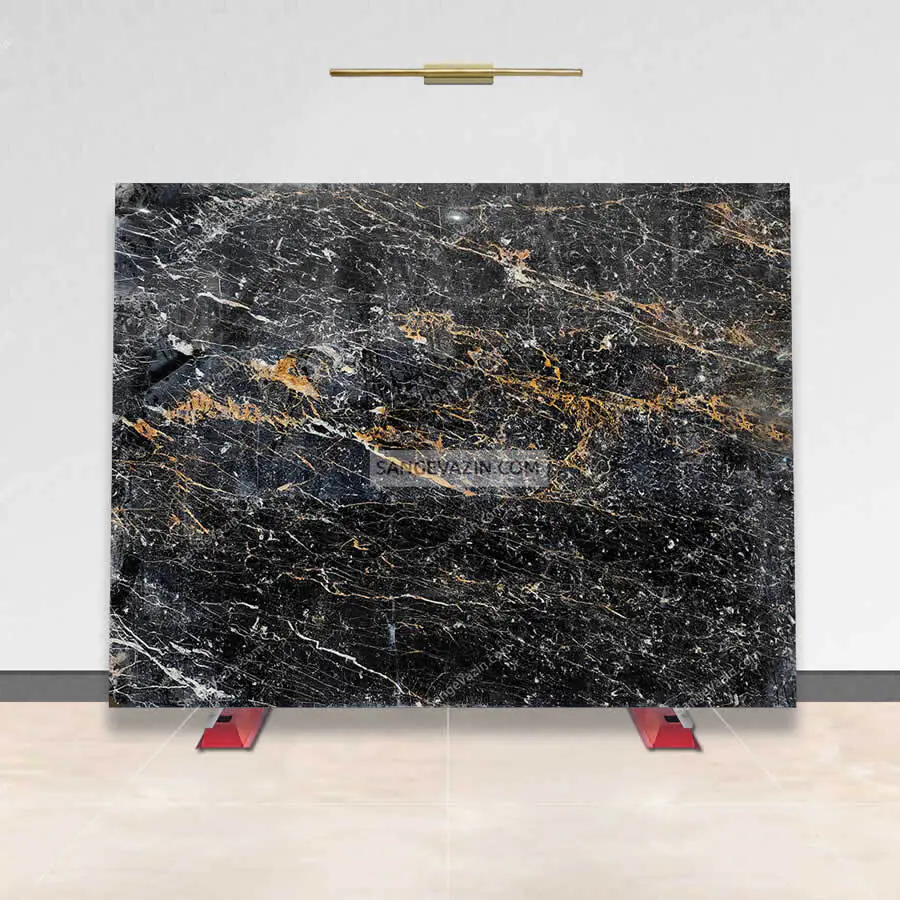
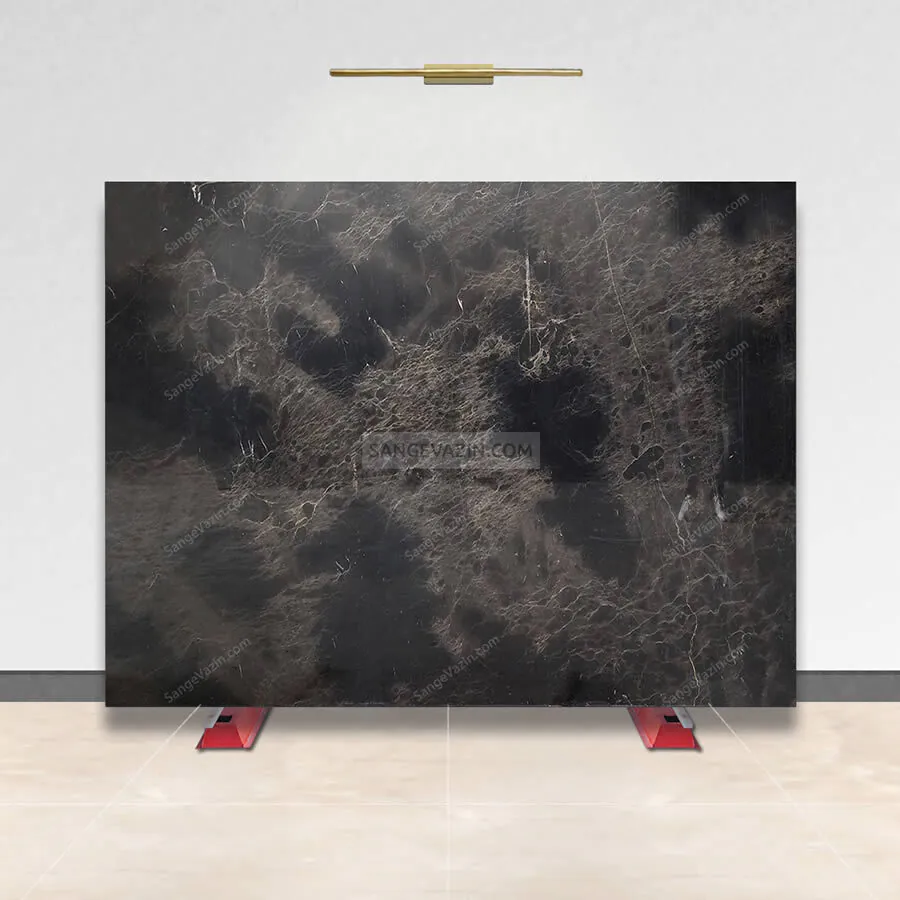
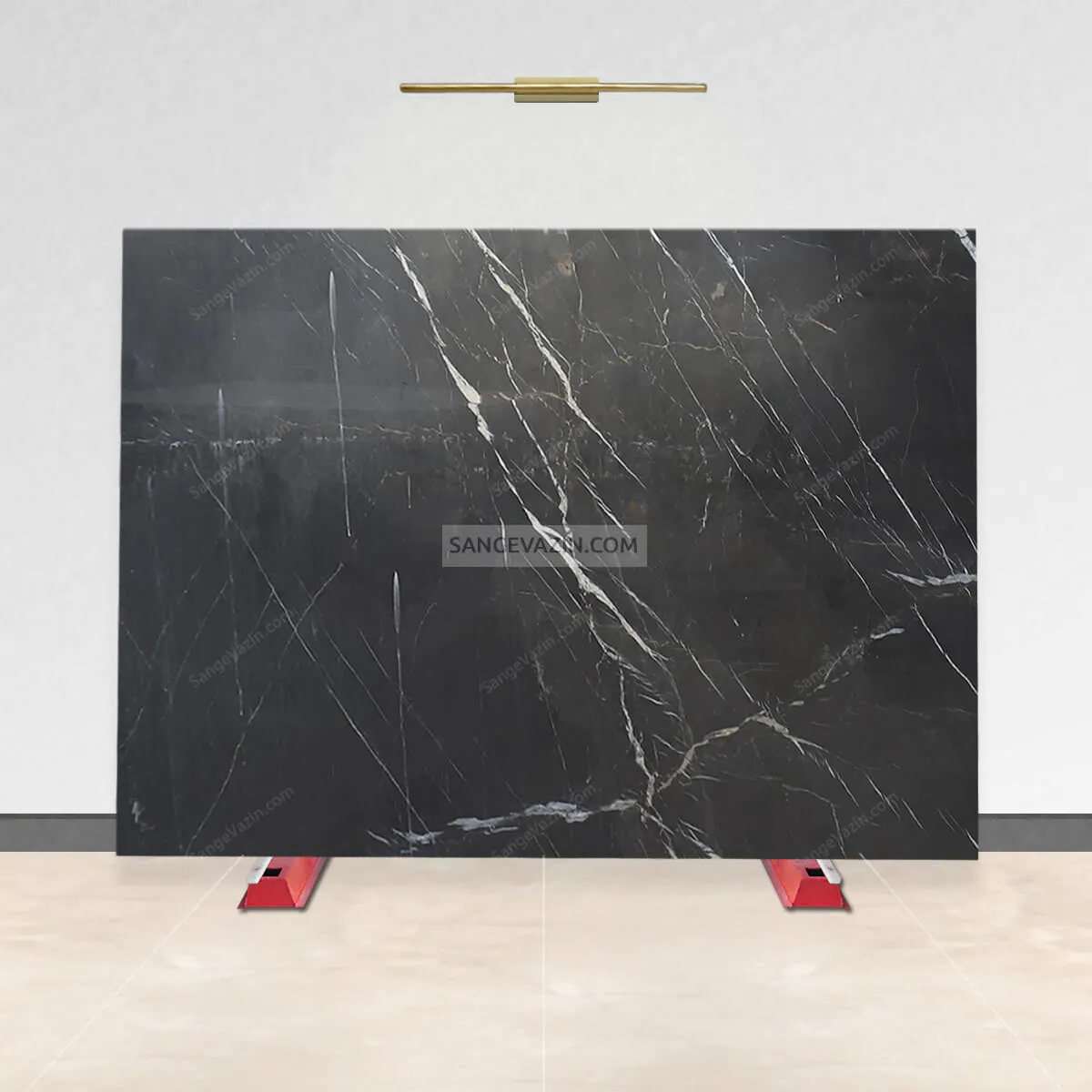
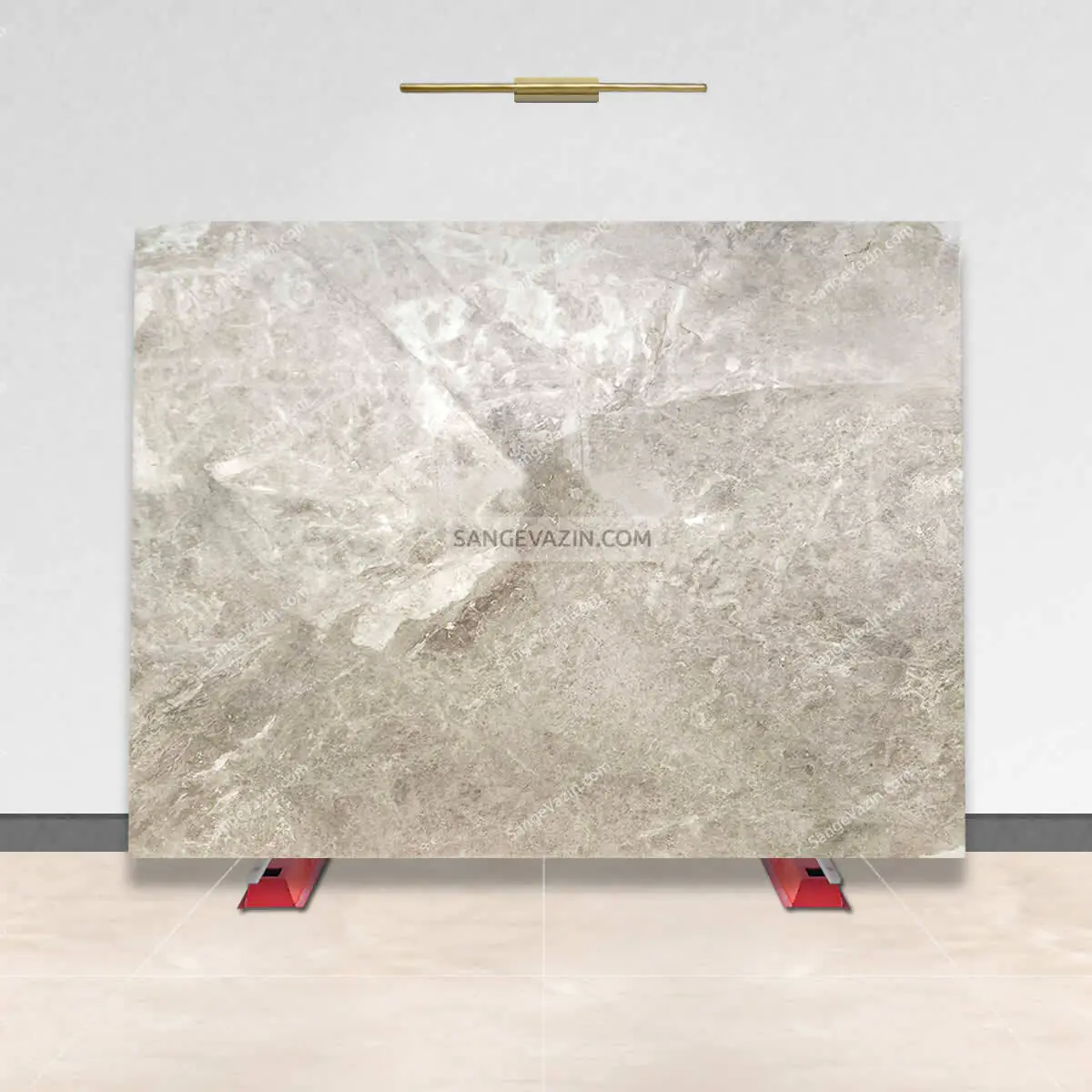
The color range of marble slabs spans cream, white, brown, black, and gray, each showcasing distinctive patterns and veining. Owing to its sensitivity to environmental factors, marble is predominantly suited for interior applications, including flooring, wall cladding, and crafted stone elements such as fountains and dining tables, while its use in exterior settings is generally not recommended.
-
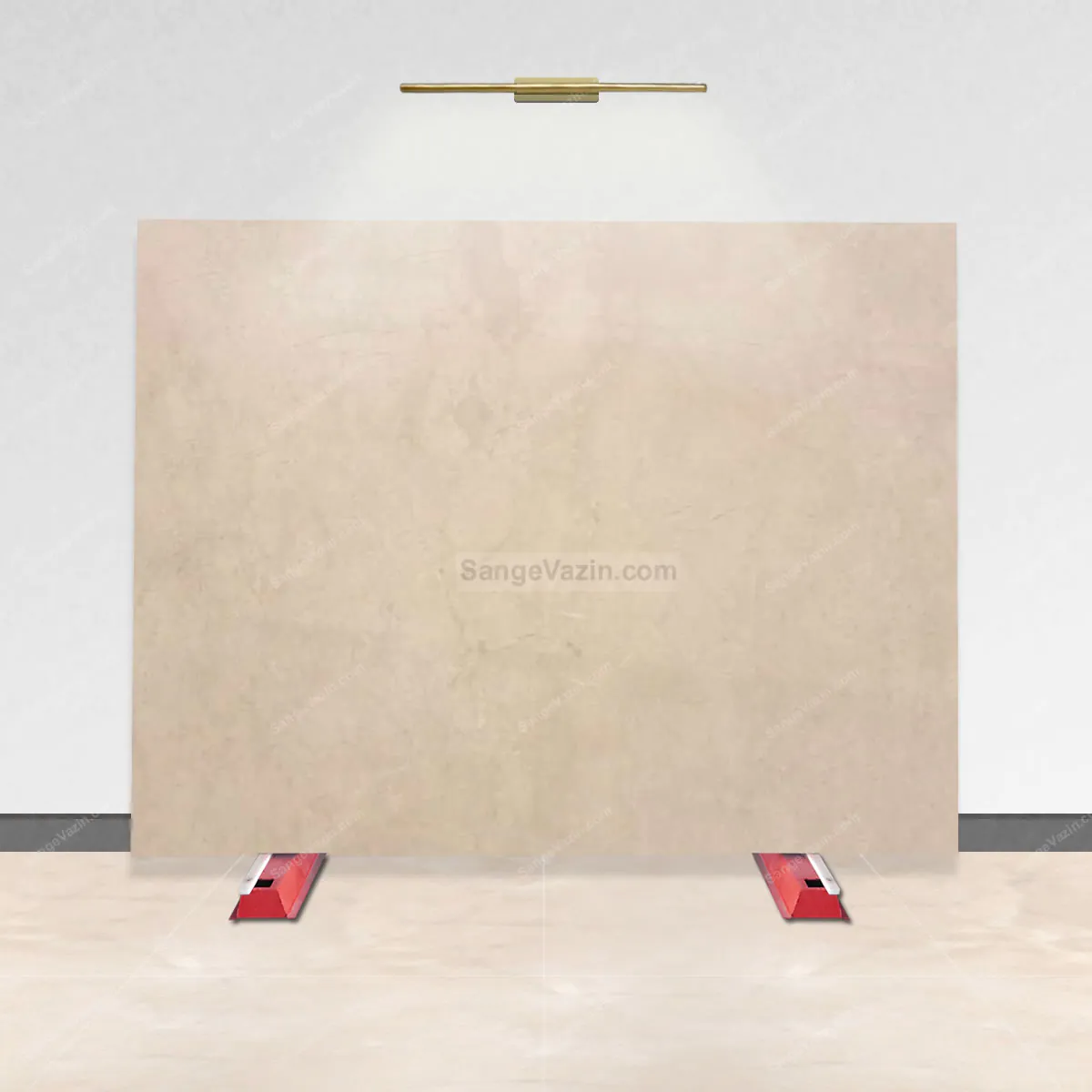 Crema Marfil Marble Stone SlabPrice range: $55 through $75
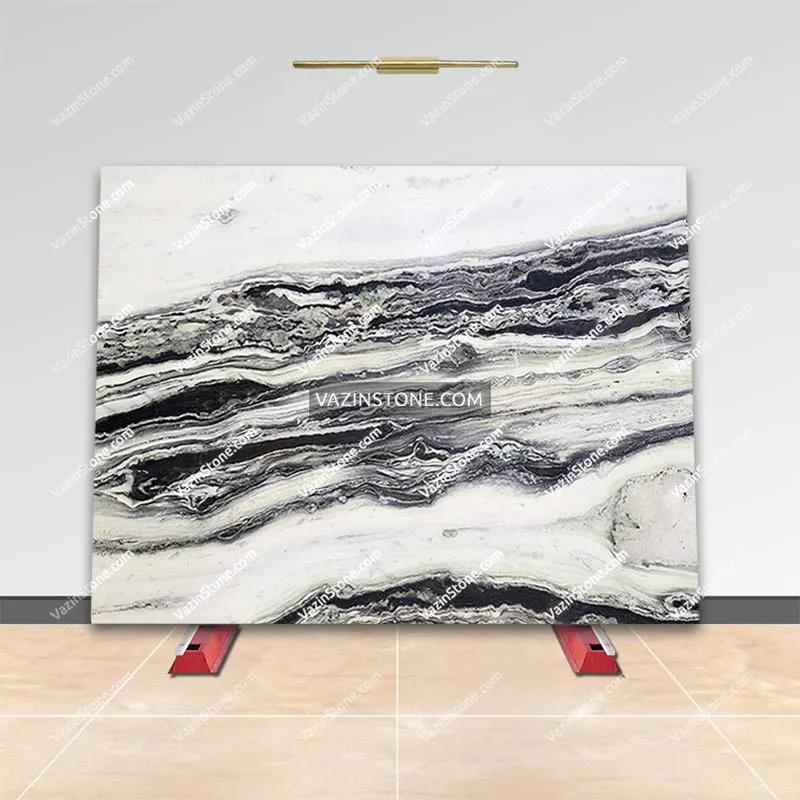
Crystal Marble Slab Stone
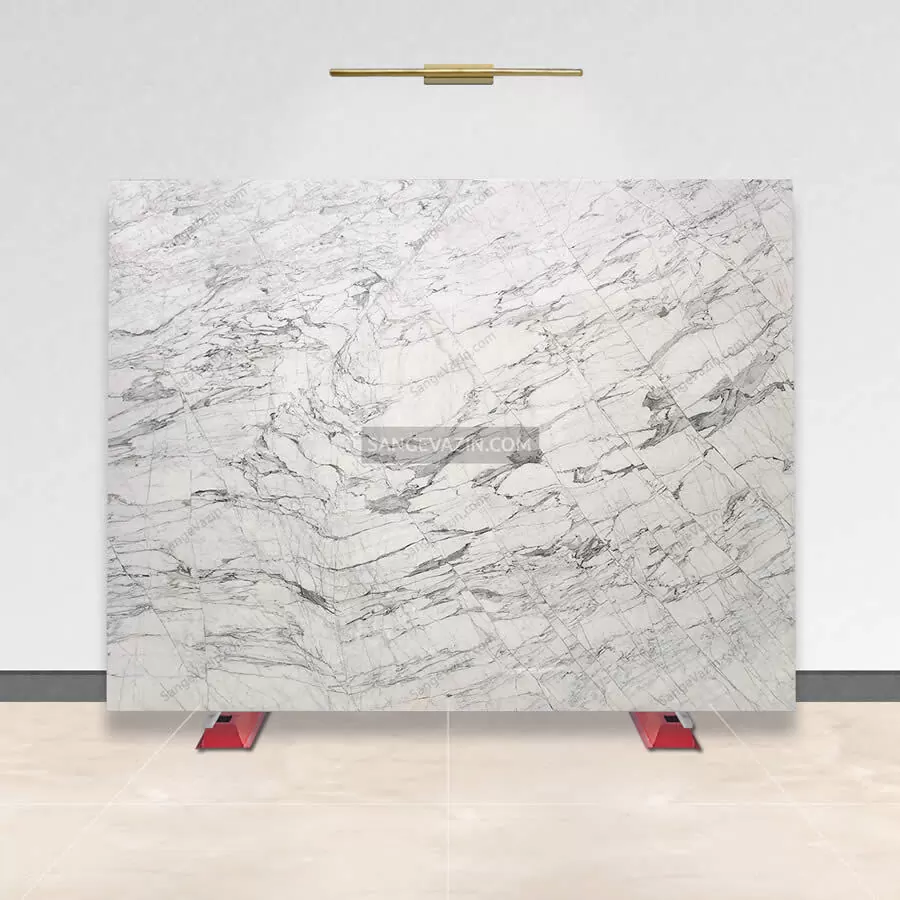
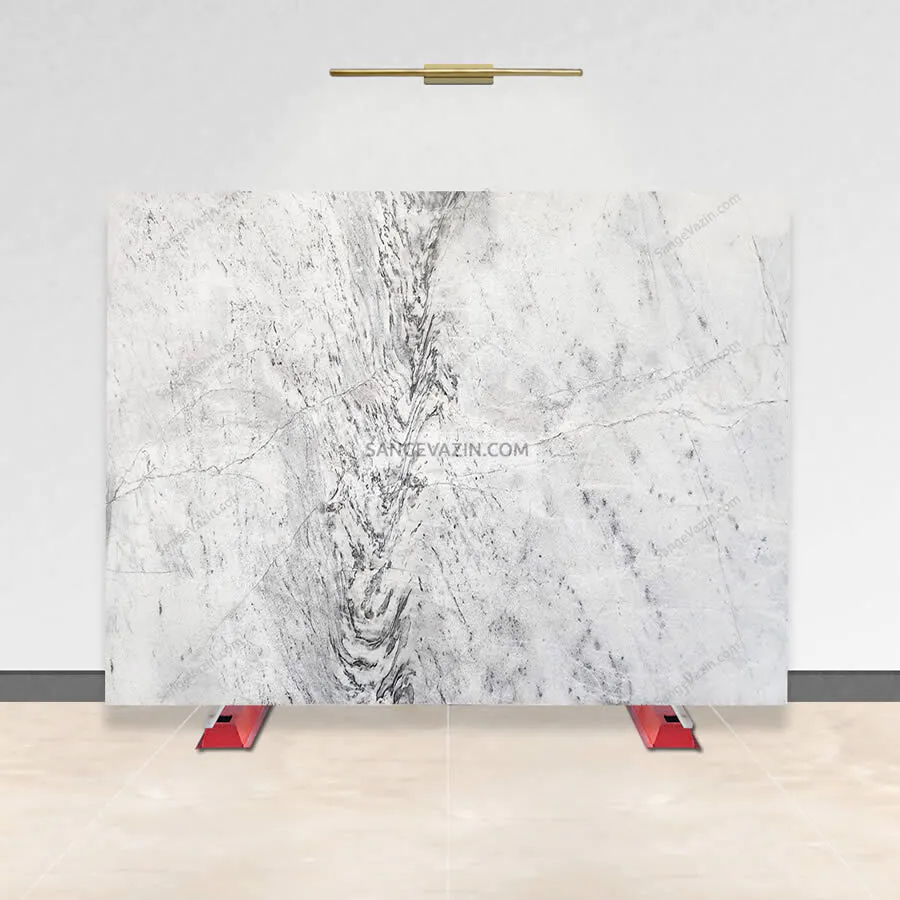
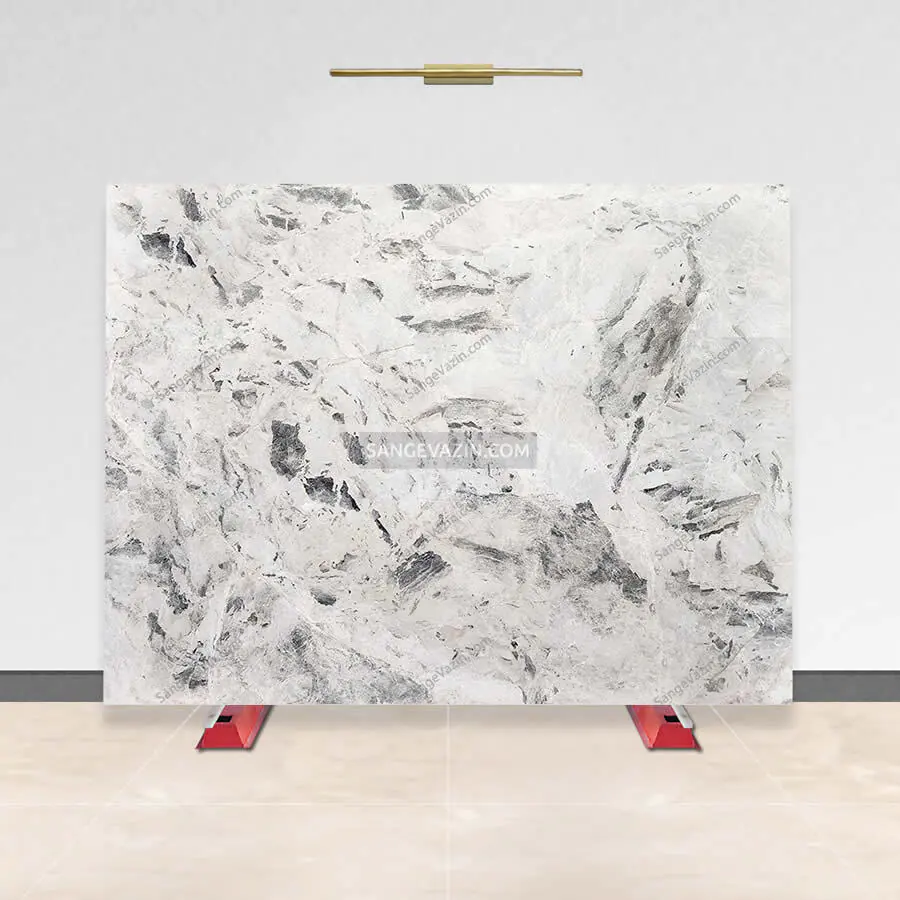
Crystal marble features large, translucent crystals and is typically white with gray veining that indicates the presence of carbonaceous materials. Combining refined, contemporary patterns with excellent durability, crystal marble slabs are widely favored for use in high-end interior spaces.
Granite Slab Stone
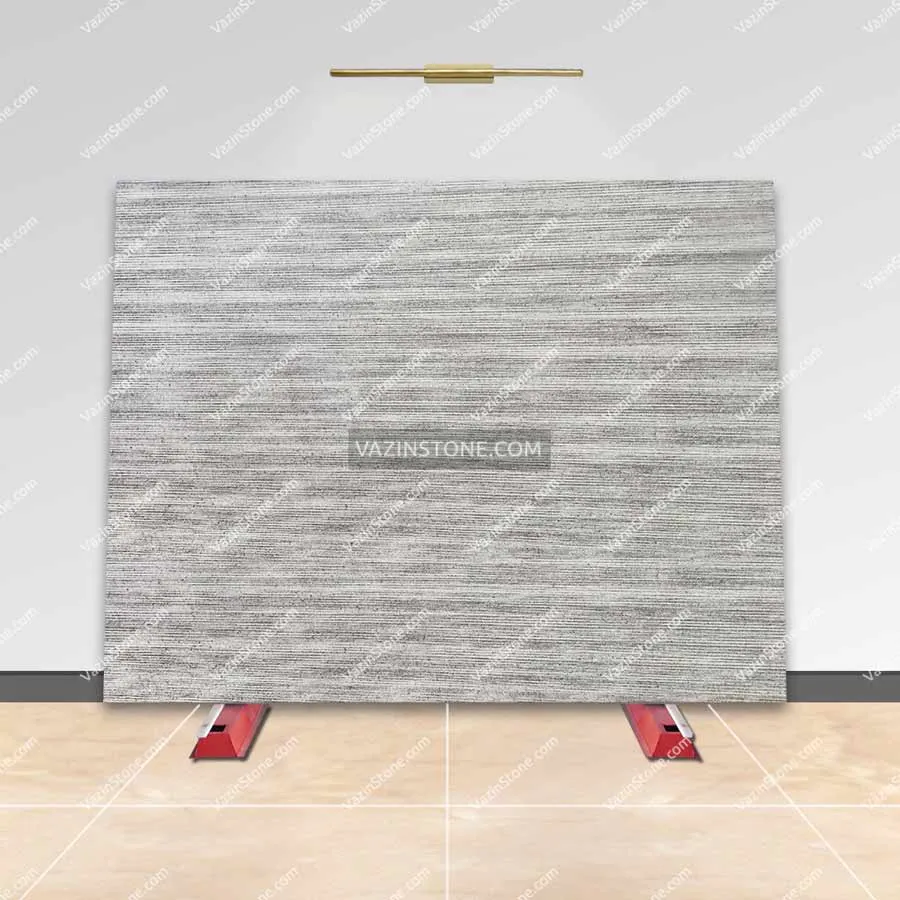
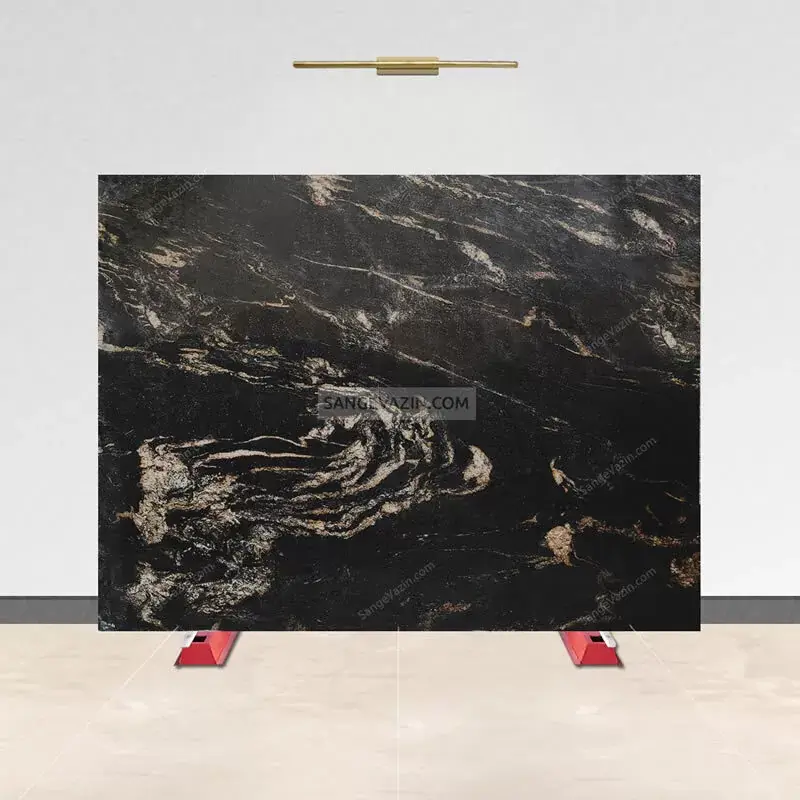
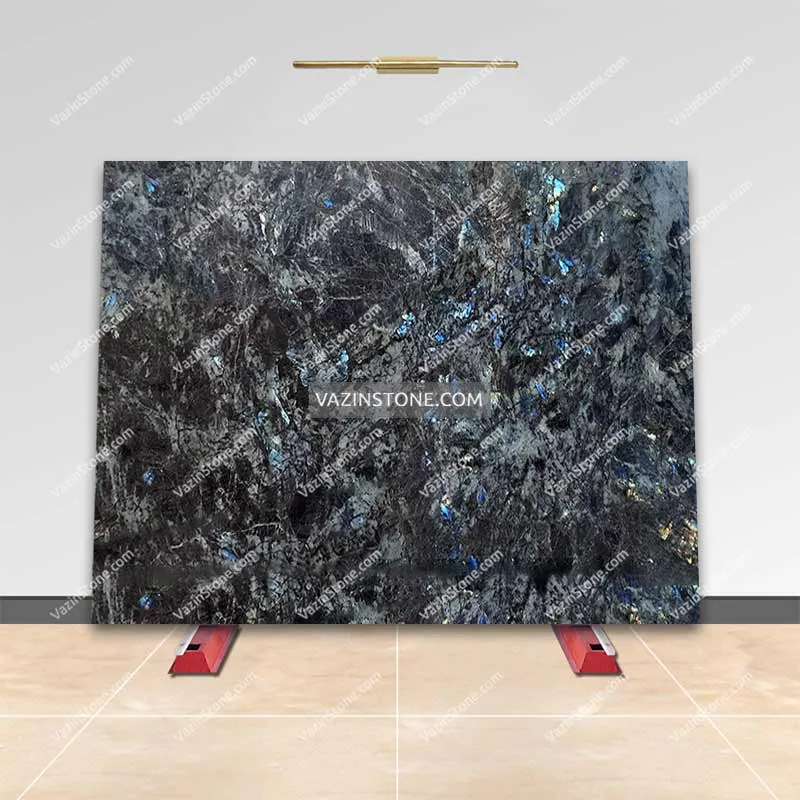
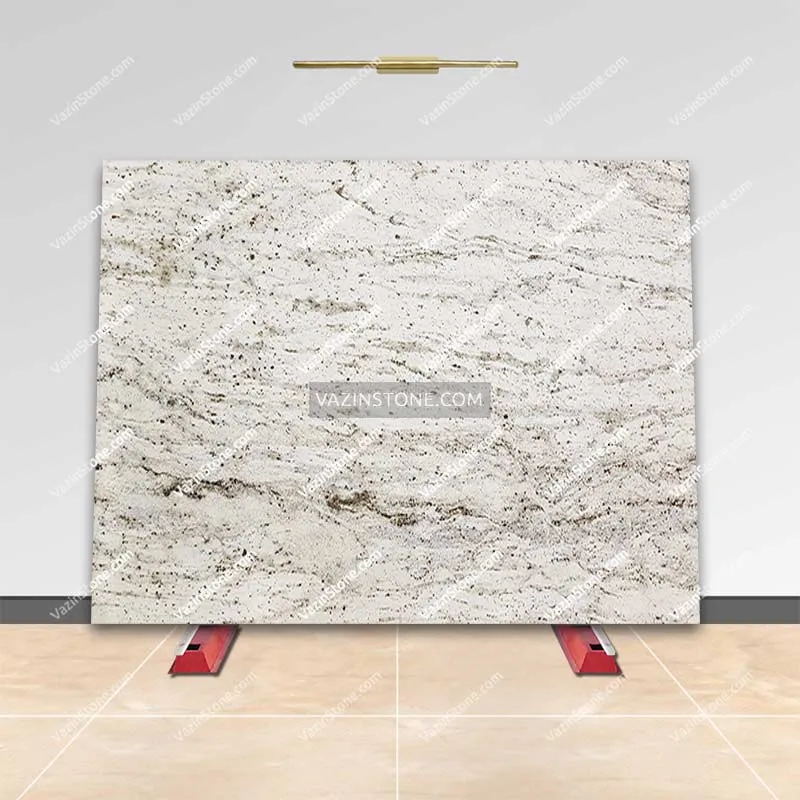
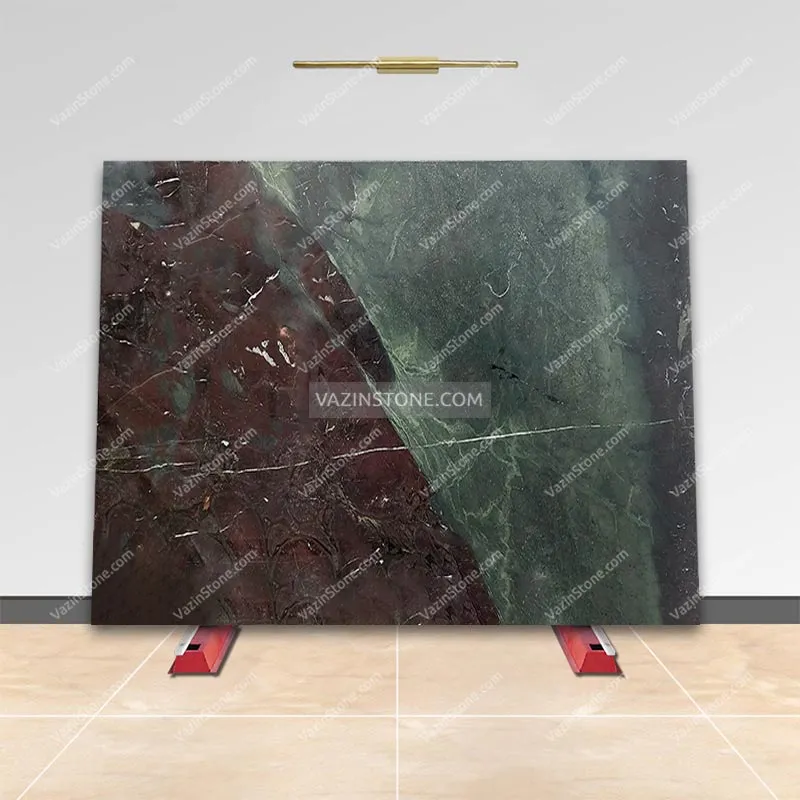
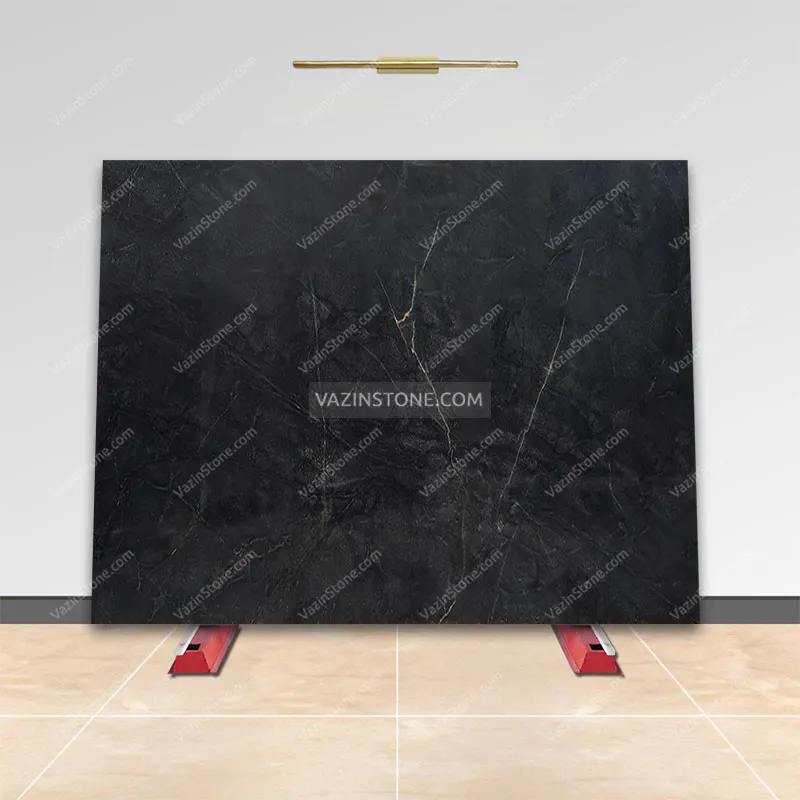
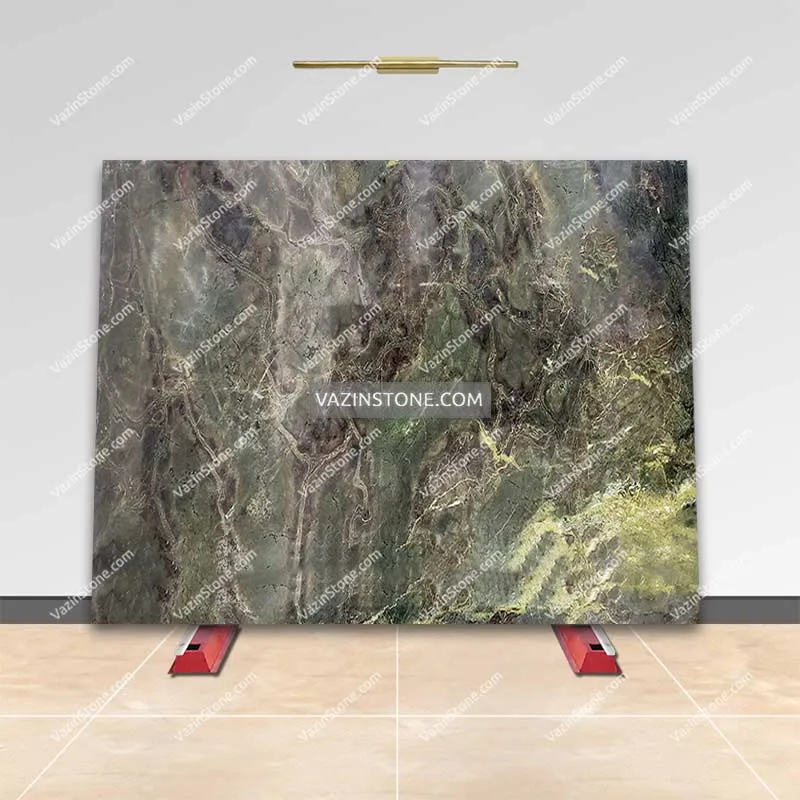
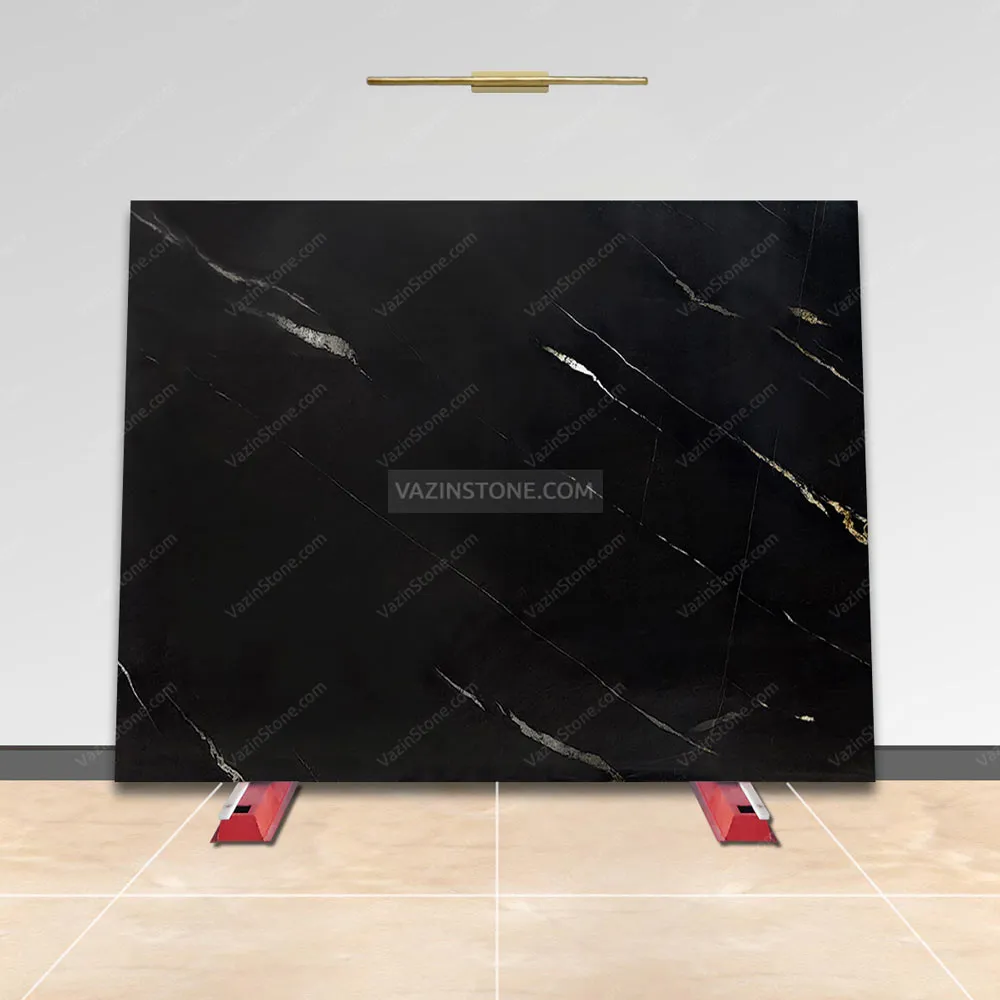
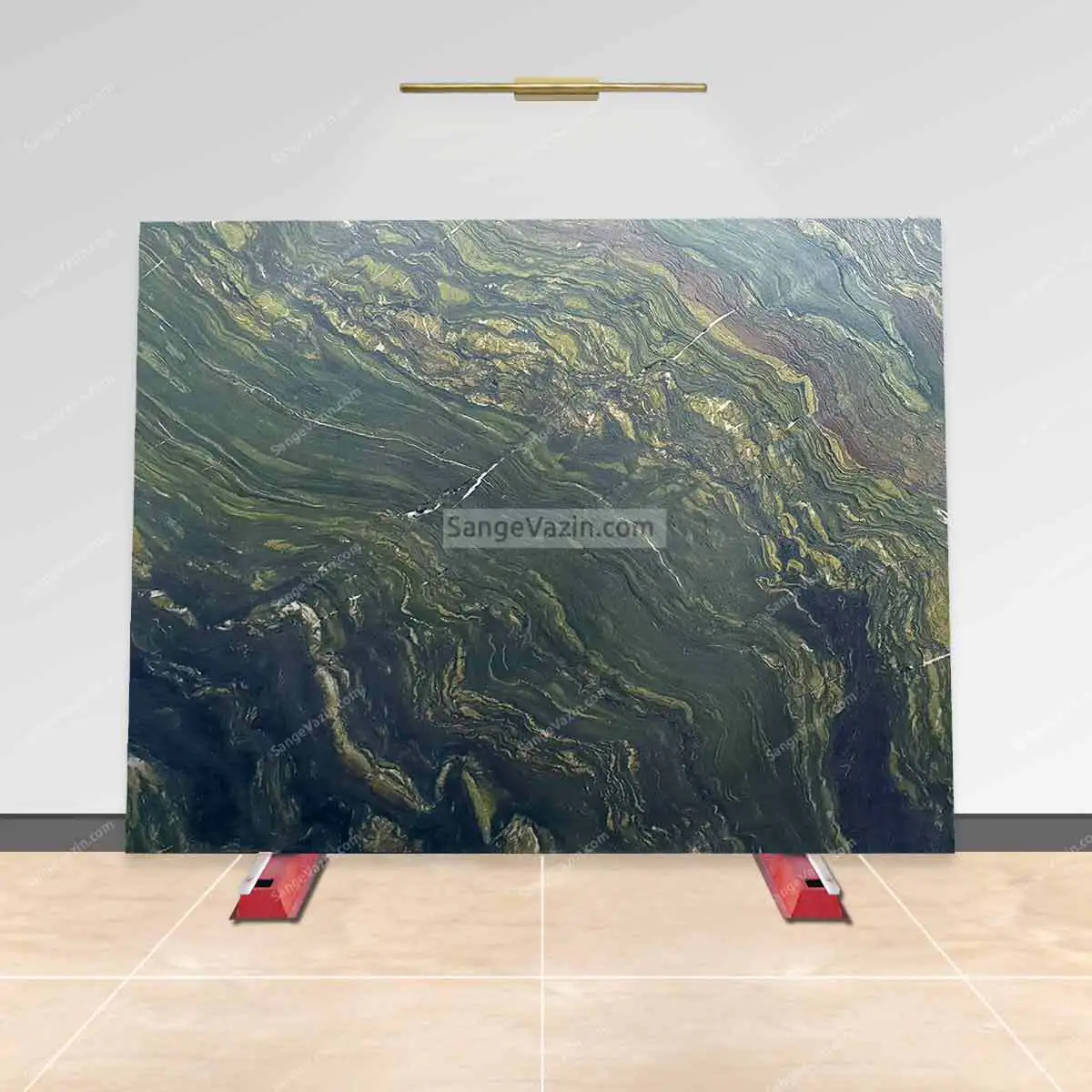
Granite is highly resistant to pressure, scratches, and environmental conditions, making it ideal for both interior and exterior high-traffic areas. It is available in a variety of colors, including black, gray, red, and green, with both solid and veined patterns. The exceptional properties of granite slabs make them suitable for use in public flooring, kitchen countertops, building facades, high-traffic zones, and even for crafting certain stone furnishings.
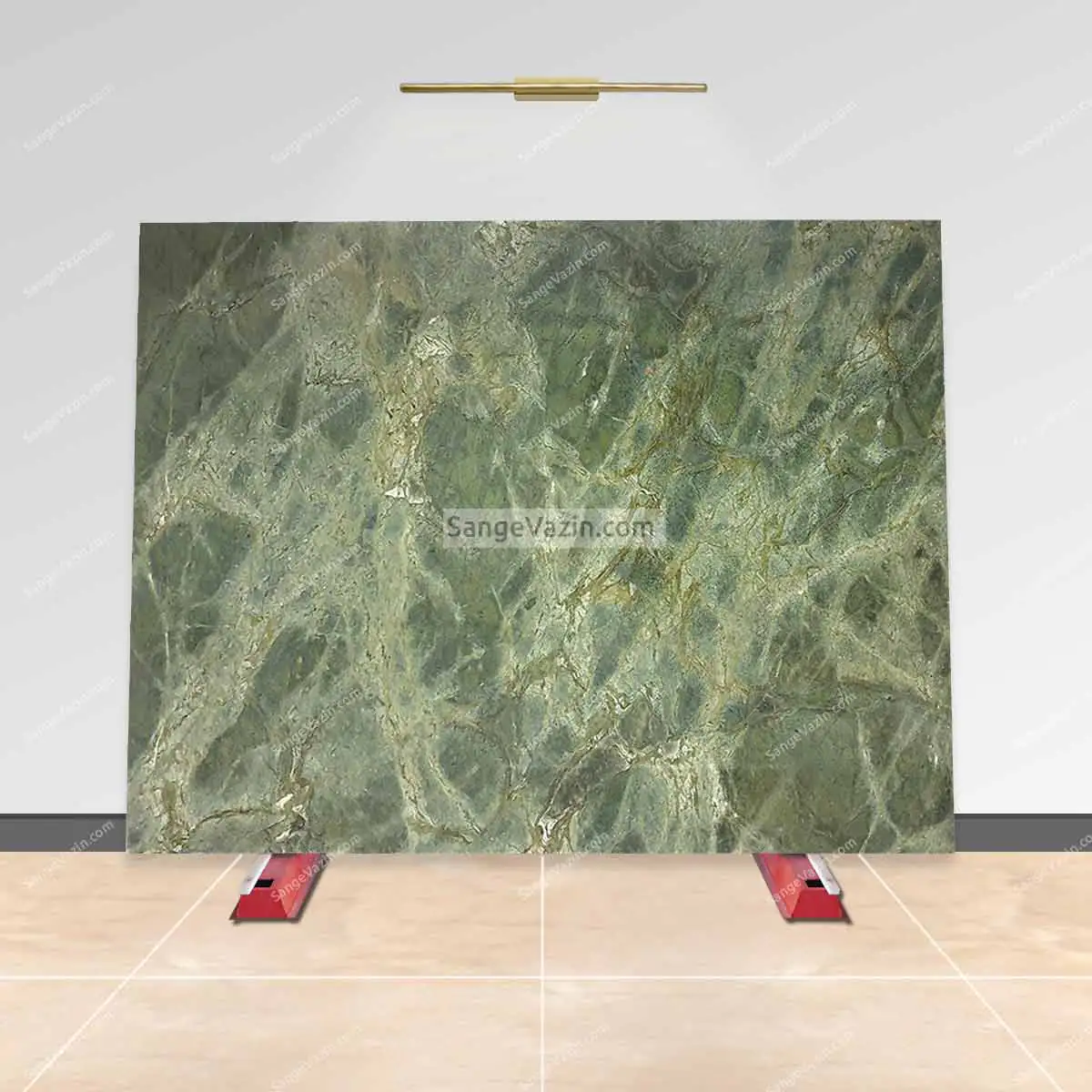
Iranian Slab Stones: Global Competitive Edge
- Competitive Pricing: Iran’s relatively low extraction and production costs give its slab stones a strong price advantage in international markets.
- Quality and Color Variety: Iranian slab stones are renowned for their excellent quality, unique textures, and wide range of colors, making them highly attractive to luxury and high-end market segments.
- Access to Rich Resources: Iran has numerous mines that, with proper management and adherence to standards, can provide an adequate supply volume.
Challenges & Limitations of Iran Slab Stone Exports
1/ International Standards and Required Certifications: For exporting slab stones, obtaining quality and technical certifications such as ISO, ASTM, or CE is essential to demonstrate that the stone’s durability, water absorption, and polishability comply with global standards. International markets and luxury projects, particularly in Europe and the United States, typically require these certifications, and stones without them are generally not accepted.
In contrast, neighboring countries typically impose less rigorous certification requirements, with transactions often guided by sample evaluation and visual quality. Consequently, these certifications are not an absolute global mandate but serve as a strategic advantage and a key criterion for accessing highly regulated international markets.
2/ Transportation and Risk of Damage in Exports: Stone slabs are sizable and heavy, demanding meticulous handling during packaging, loading, transit, and unloading. Damage during transit, such as breakage or cracking, increases export costs and undermines buyer confidence.
3/ Challenges in Competing with Established International Brands: International buyers often favor brands or countries with long-standing experience. Iran, in this competition, needs to establish not only its products but also its name.
4/ International Marketing and Branding Challenges: Many Iranian companies lack sufficient focus on digital marketing, participation in international exhibitions, the creation of professional catalogs, foreign samples, and sales networks. Consequently, the technical strengths and competitive pricing of Iranian slab stones often remain unrecognized in export markets.
Opportunities of Iran Slab Stone Exports
1/ Expansion Of Digital Export Markets & Online Sales Of Slab Stones
With the rise of e-commerce and international B2B platforms, Iranian producers can sell slab stones directly to foreign clients and construction projects. This approach minimizes intermediary costs while opening access to emerging markets and small to medium-sized buyers.
By utilizing high-quality images, detailed online technical information, and sample shipments, it is possible to build trust with international customers and increase Iran’s share in the global slab stone export market without relying on traditional export networks.
This approach also enables targeted marketing and international branding for small and medium-sized producers, contributing to the sustainable growth of exports.
2/ Strengthening The Iranian Brand & International Marketing
Through strategic investment in branding, active participation in international stone and architecture exhibitions, and the development of multilingual catalogs, Iran can elevate its presence in the global slab stone export market. Furthermore, enhancing packaging quality and after-sales services can help build stronger loyalty among international customers.
3/ Participation In International Luxury Projects
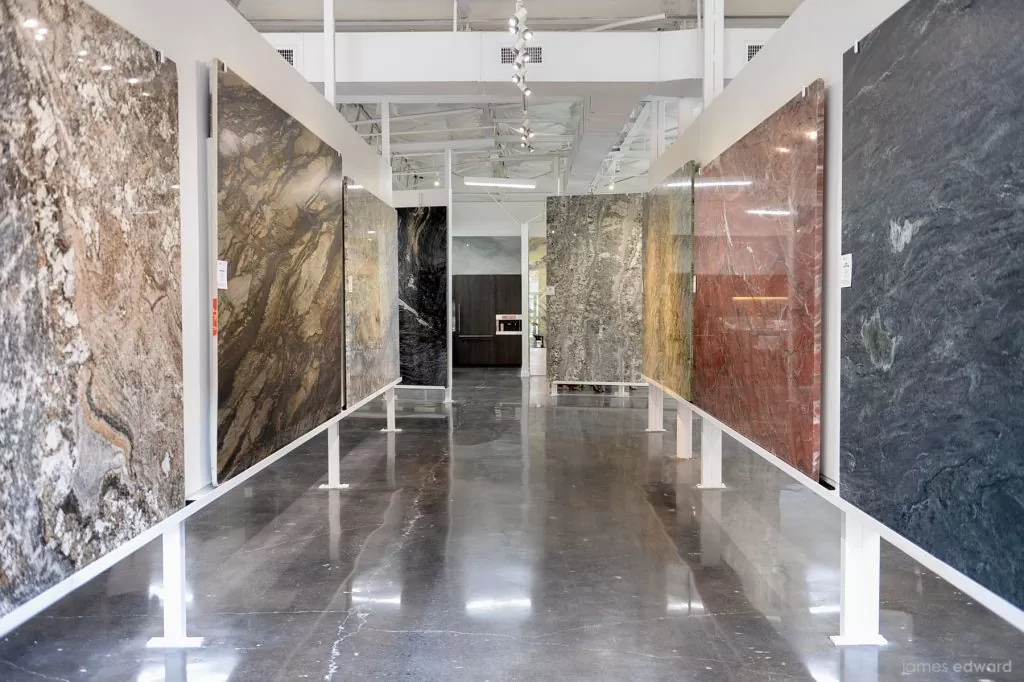
Iranian producers can gain a foothold in luxury hotel, villa, and office projects across Europe, the Middle East, and Asia by focusing on high-quality, unique designs and providing standard certifications.
Providing bespoke samples, design consultation, and comprehensive technical support cultivates trust with foreign contractors and architects, facilitating direct project sales.
This strategy not only expands Iran’s presence in the slab stone export market but also strengthens its international brand and positions Iranian stones within the luxury segment.
Publish on:
November 4, 2025
Updated on:
November 10, 2025