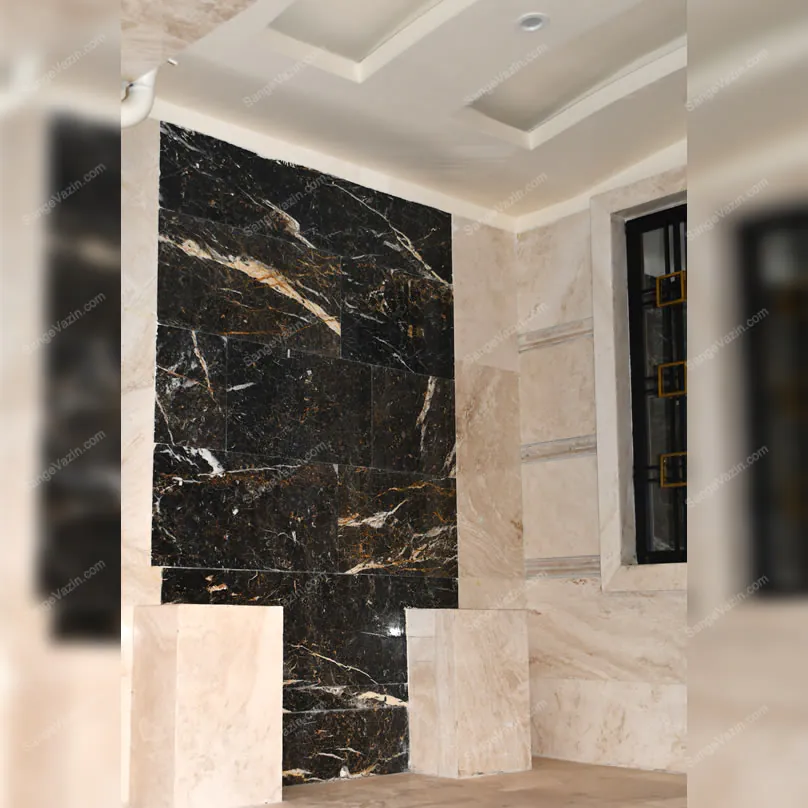
Wall Stone
Opting for natural stone for interior and exterior walls is a stunning, distinctive, long-lasting, and attractive choice that enhances the overall aesthetic appeal of the structure. Wall stone is classified into two general categories, interior and exterior stone, depending on the type and location of the wall.
According to this category, you will read the following headlines on this page:
Table of Contents
Application of Exterior Wall Stone
Choosing the right stone for outdoor walls, such as courtyard walls, exterior building facades, and parking garage walls, is particularly important. These stones should not only complement the overall architectural style and design of the building and enhance its visual appeal, but also demonstrate high resistance to various weather conditions, including rain, snow, wind, and direct sunlight. Making a precise and informed stone selection can play a decisive role in preserving the beauty and durability of exterior walls. In the following sections, outdoor wall stones will be examined and categorized accordingly.
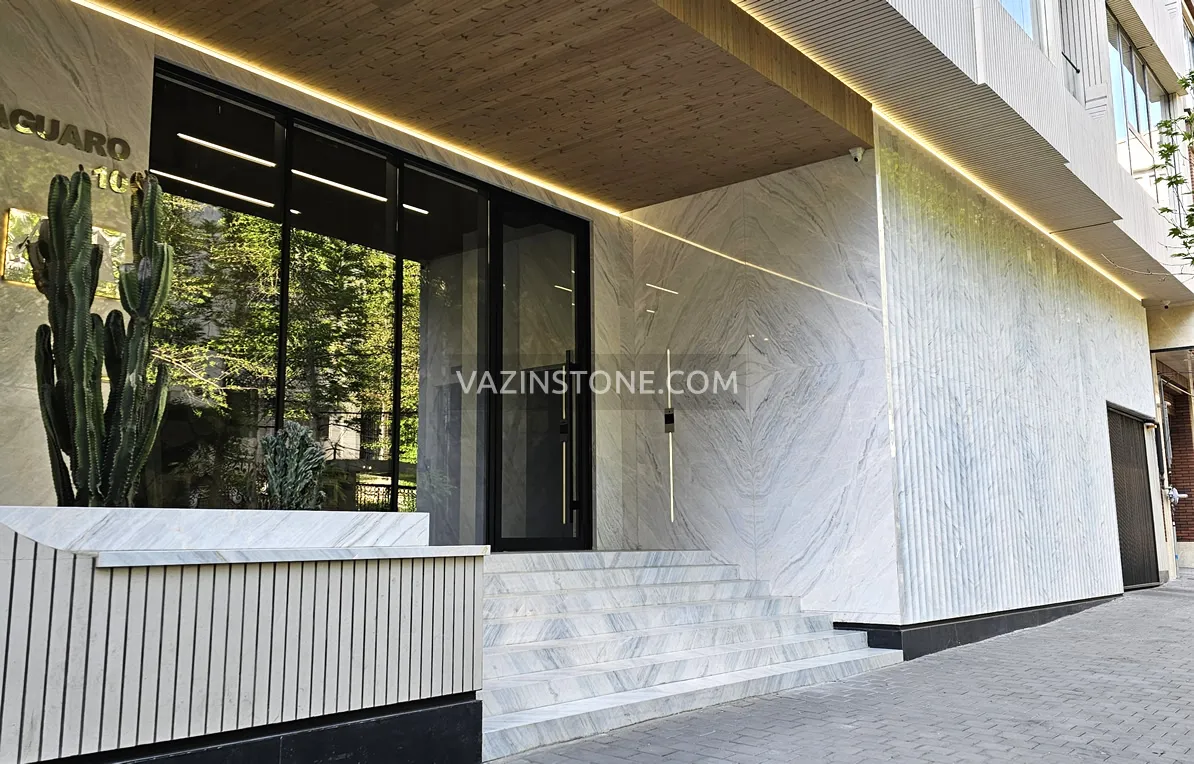
Stone Walls Of Yard & Building Facade
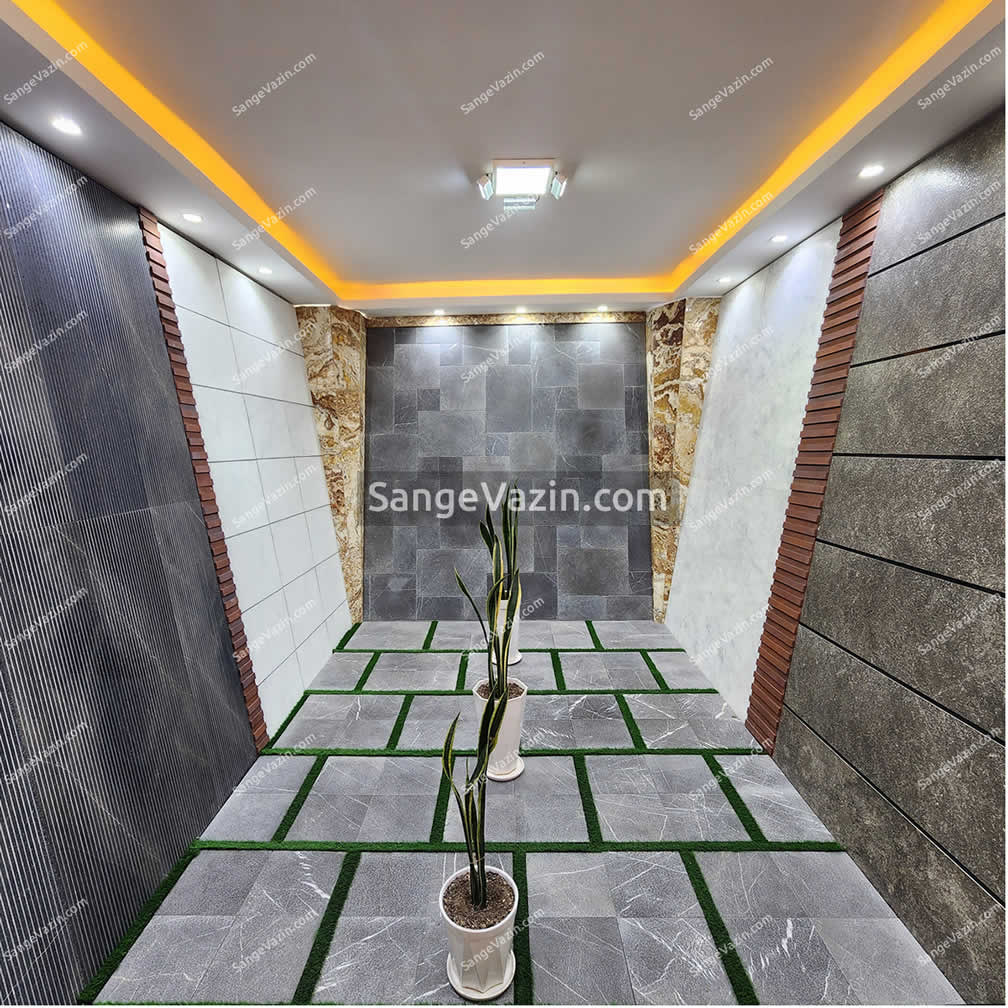
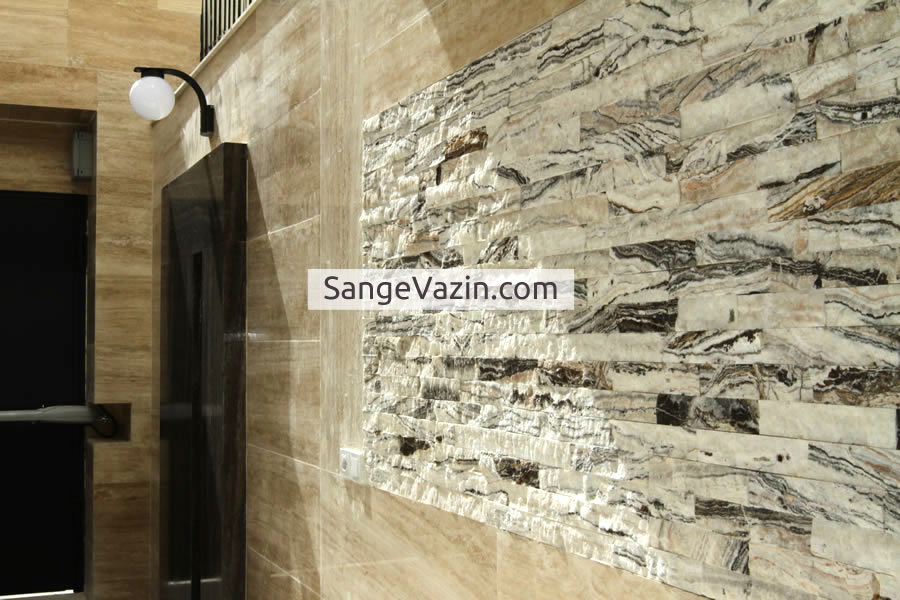
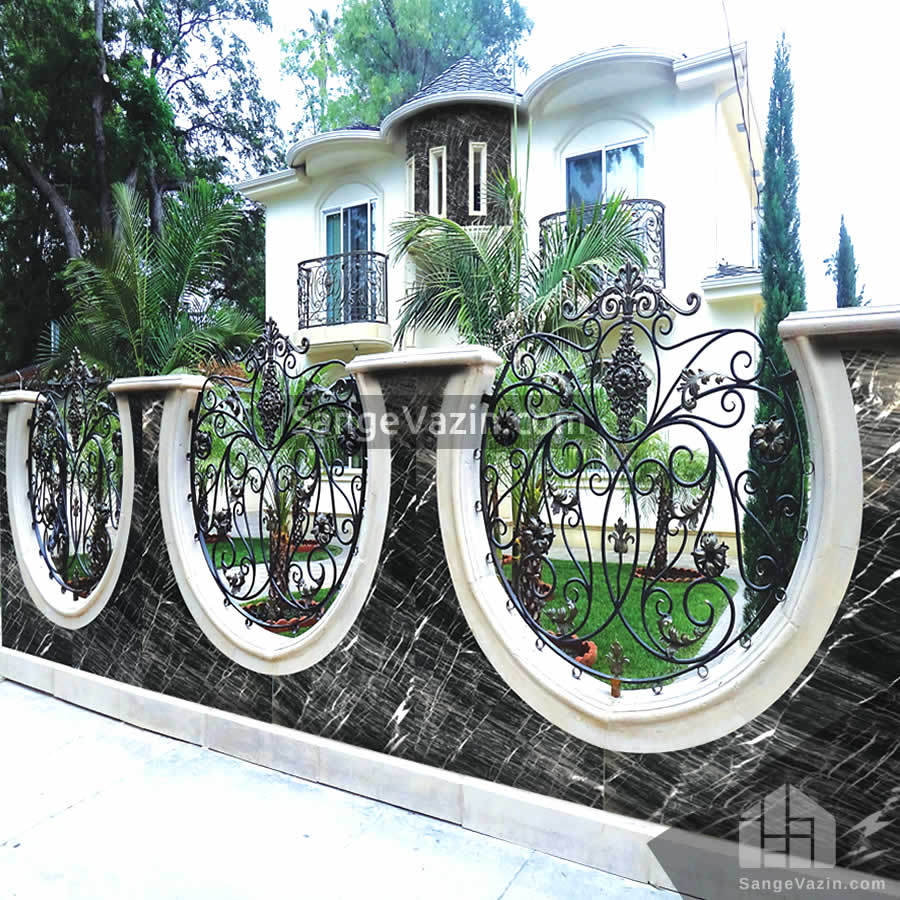
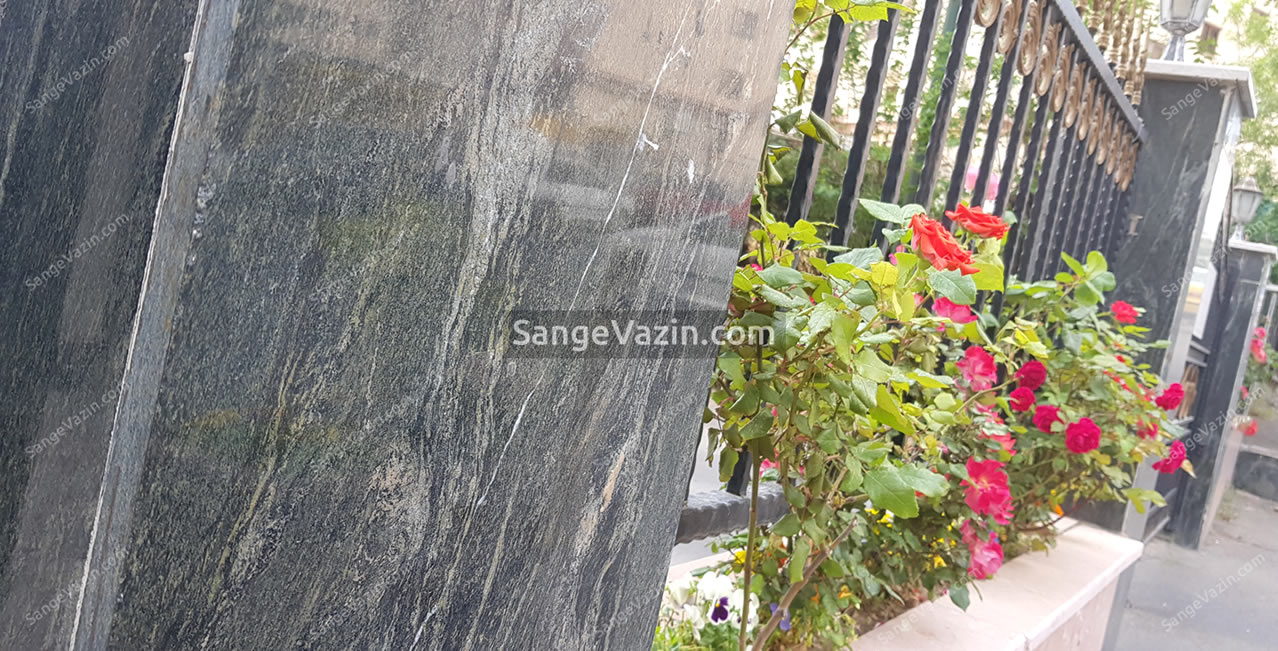
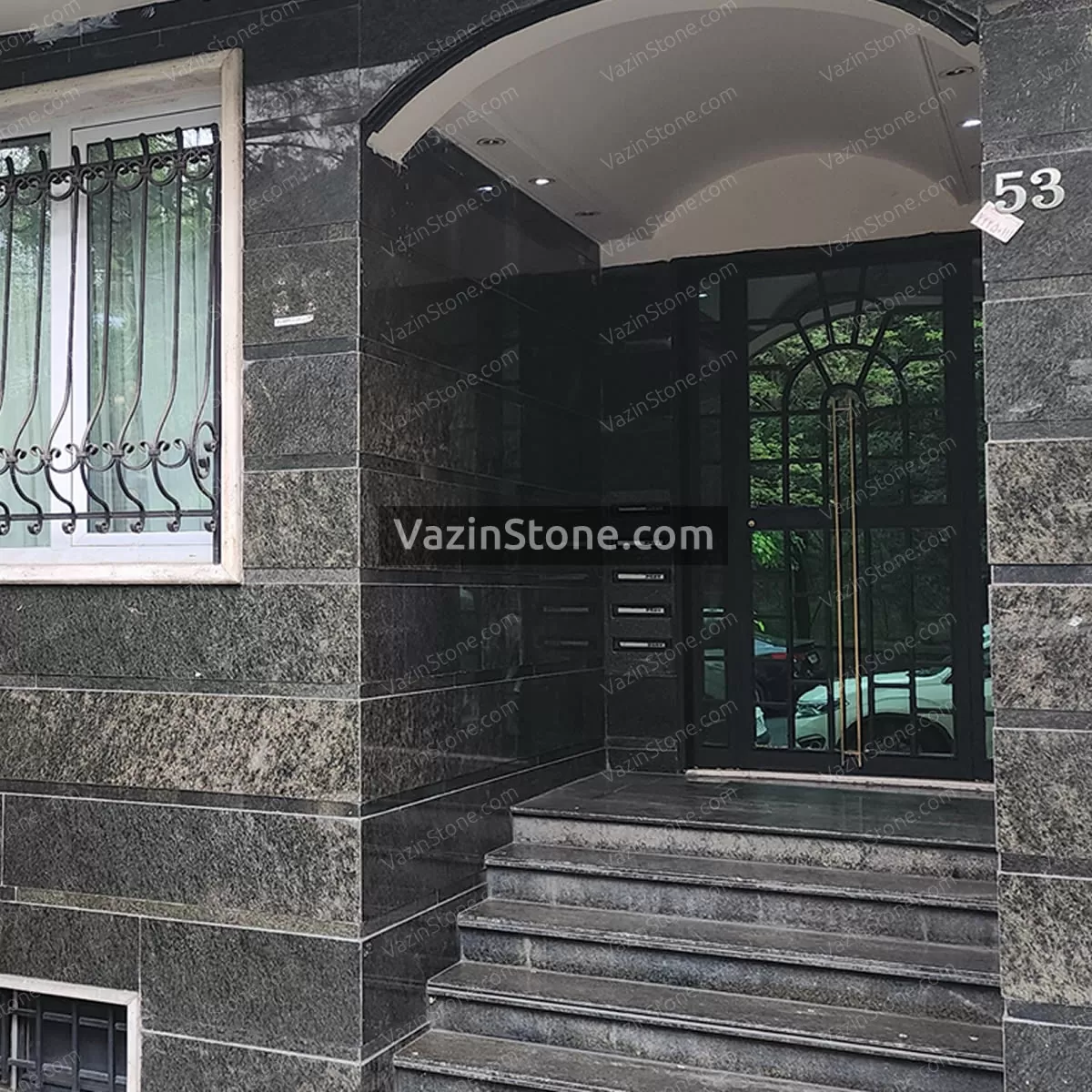
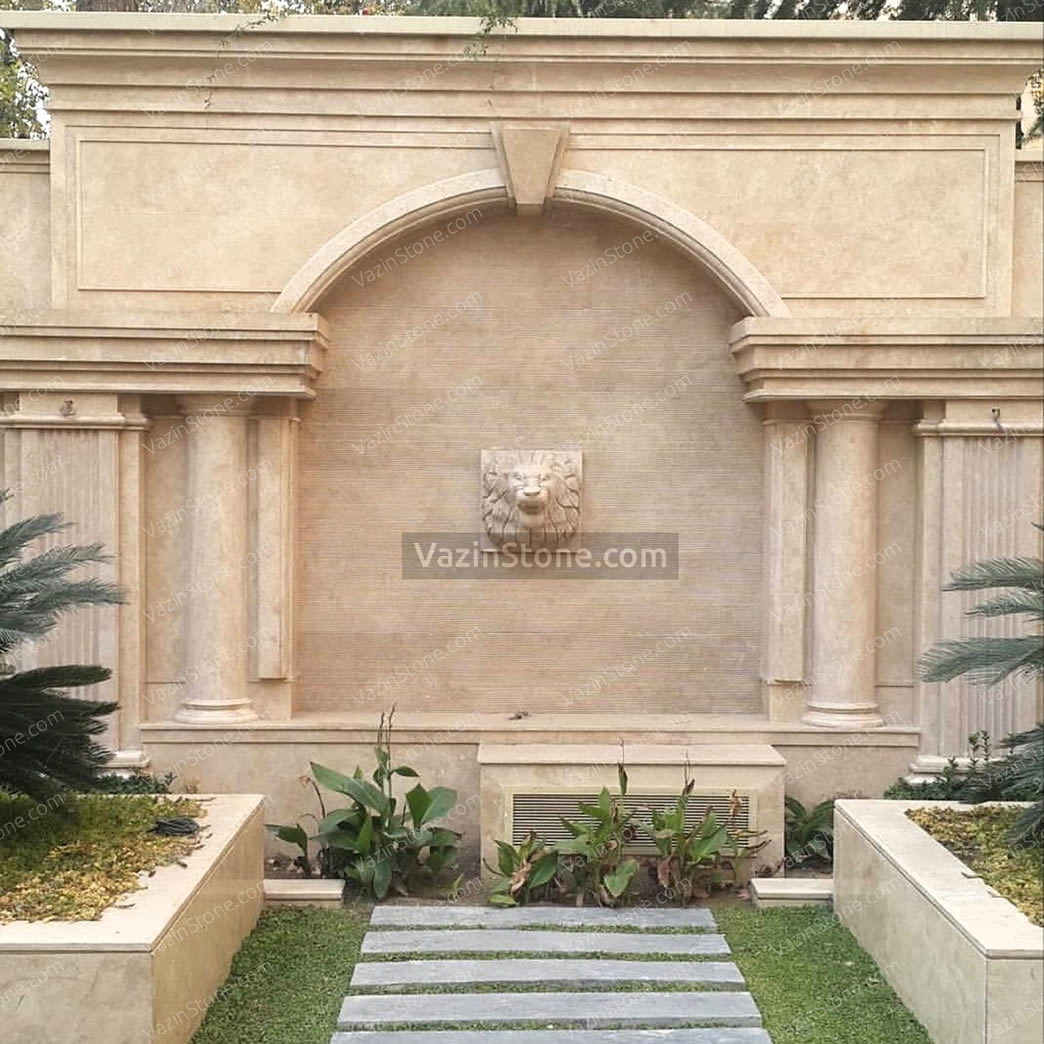
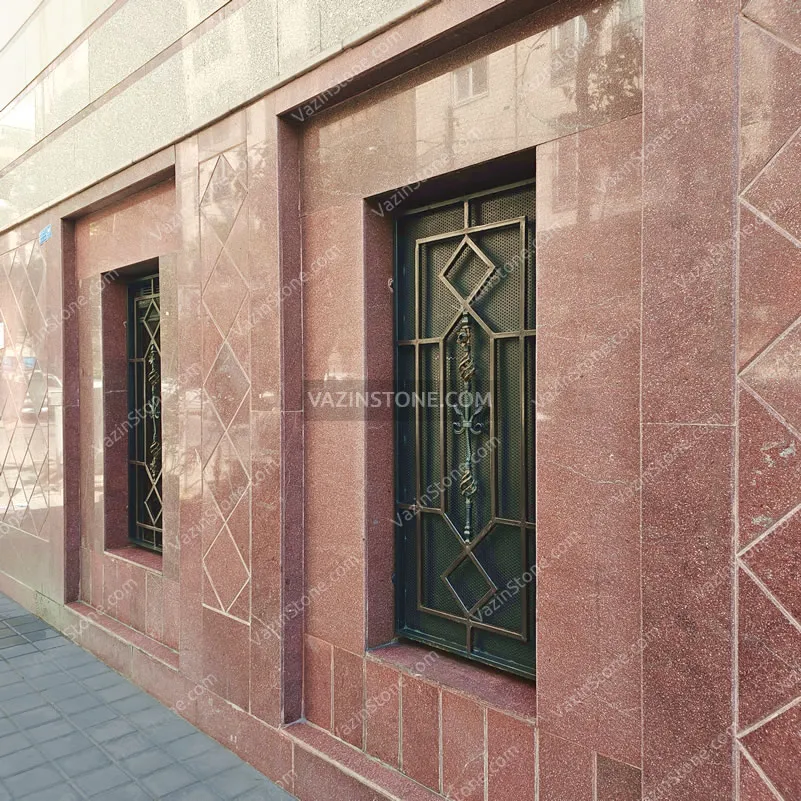
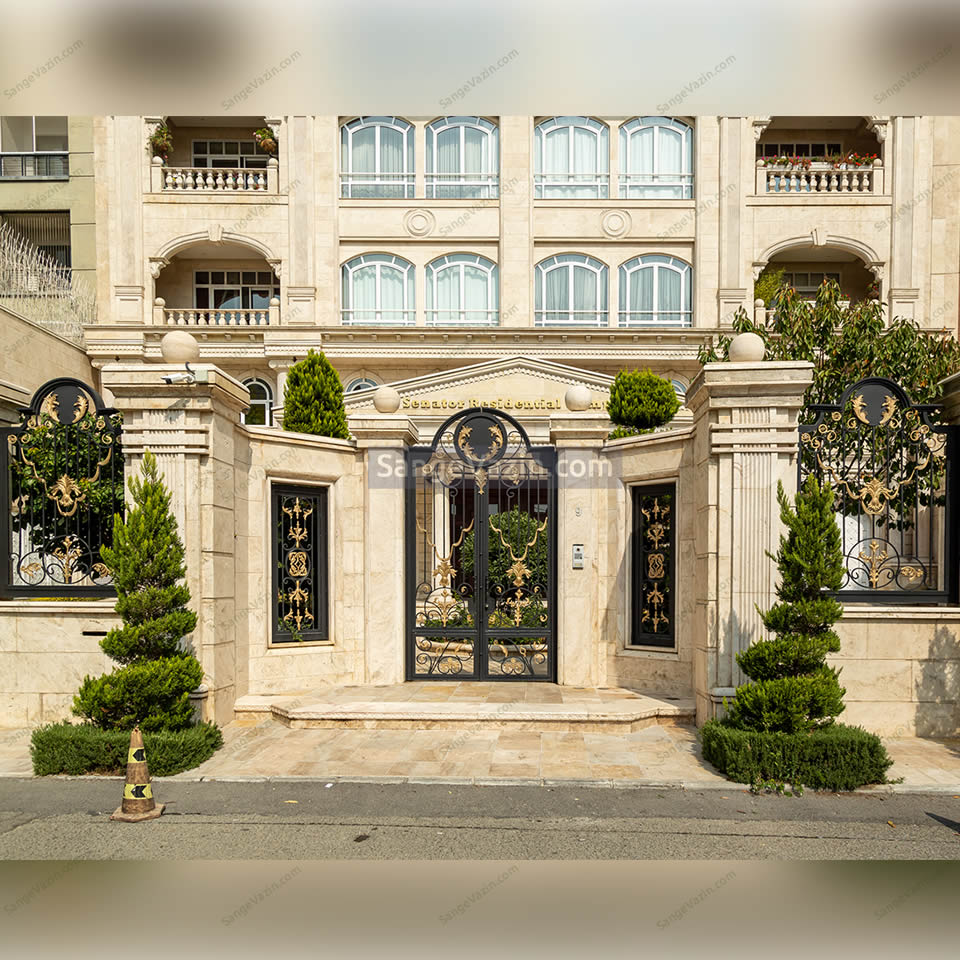
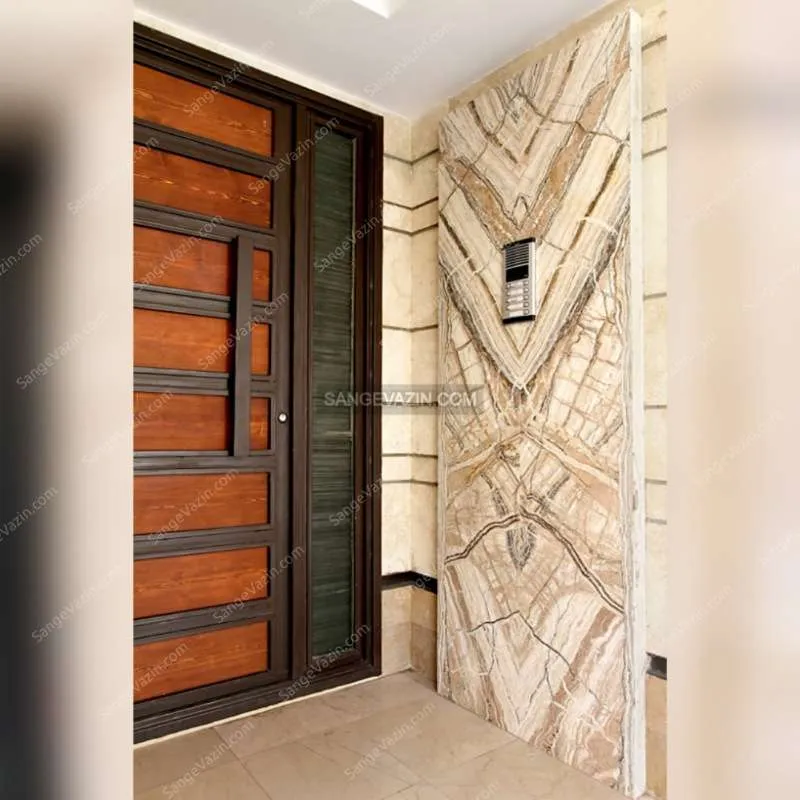
The selection of stone for yard walls and exterior walls in buildings, apartments, gardens, and villas requires careful consideration of its durability and performance under environmental conditions, including temperature fluctuations (heat and cold), oxidation, weathering, and humidity. Various types of stones can be used, including travertine, crystal marble, granite, slate stone, or malon stone.
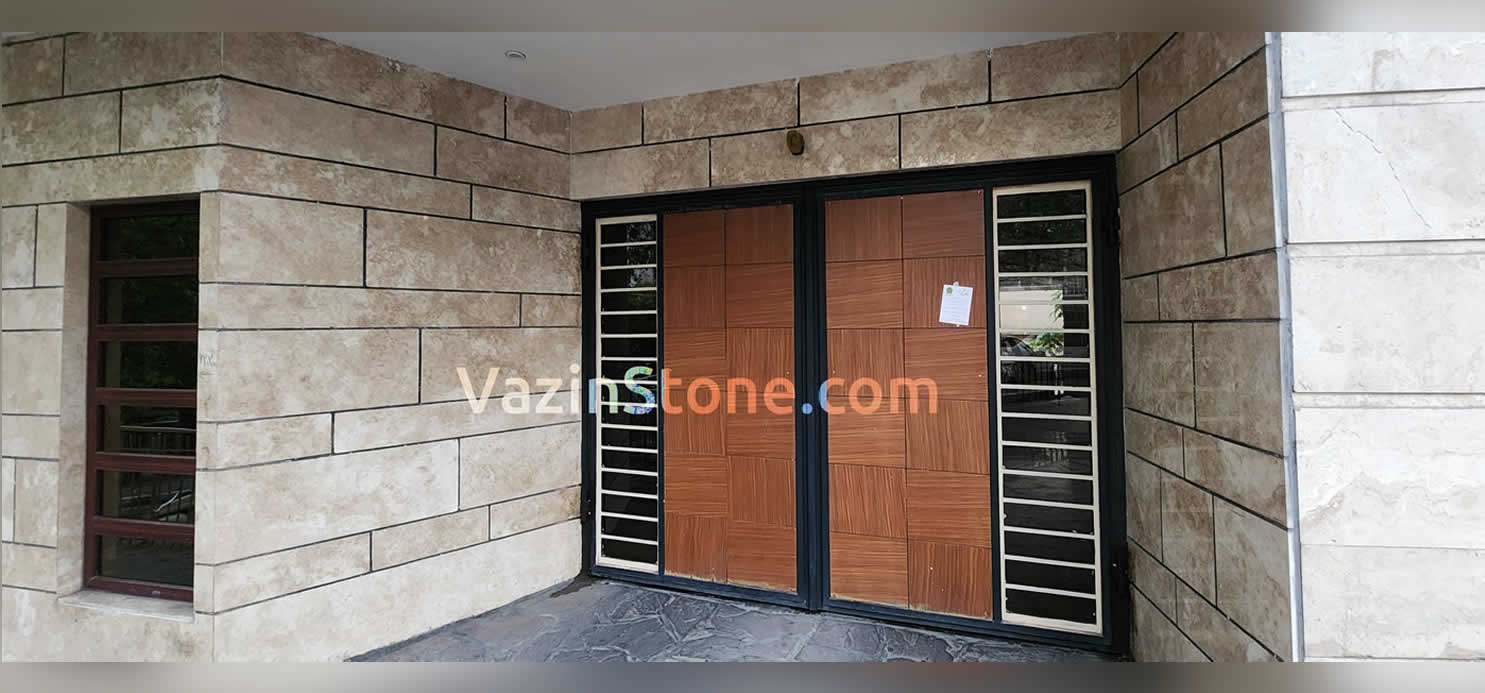
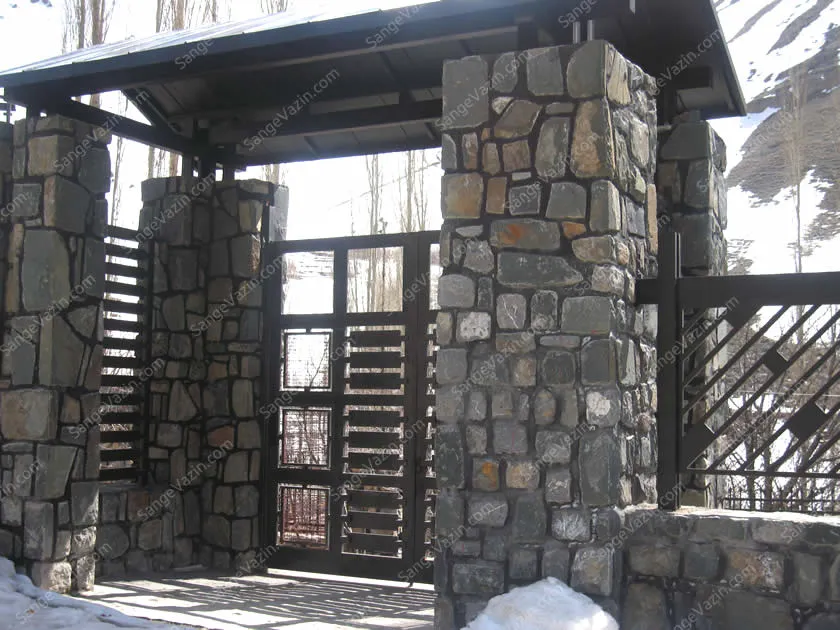
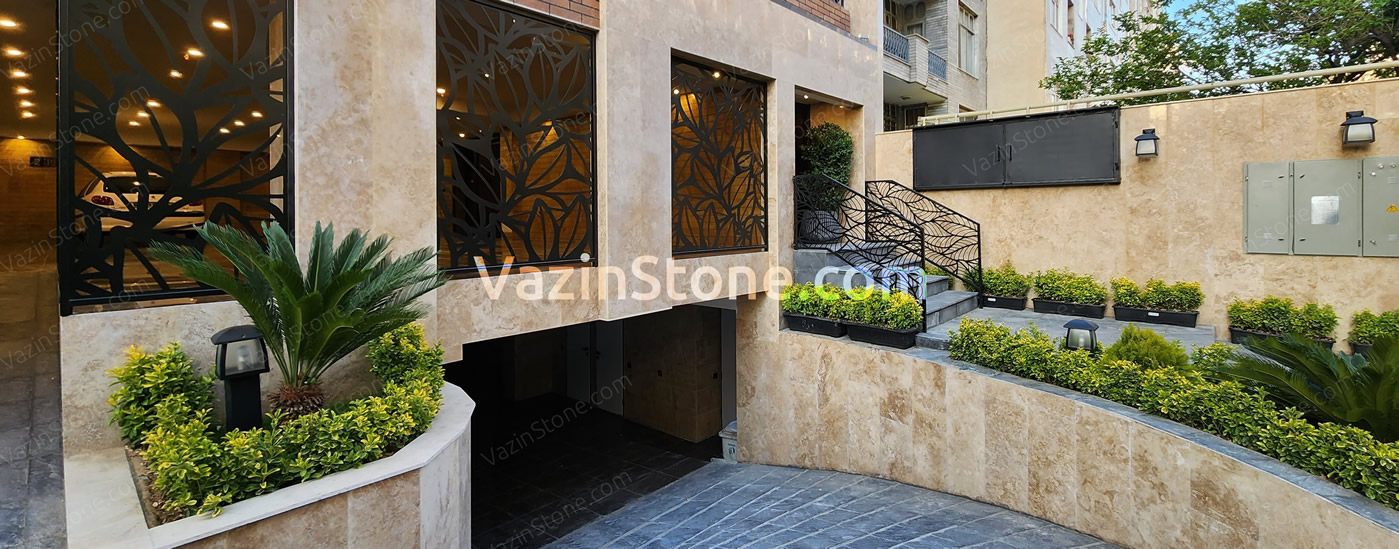
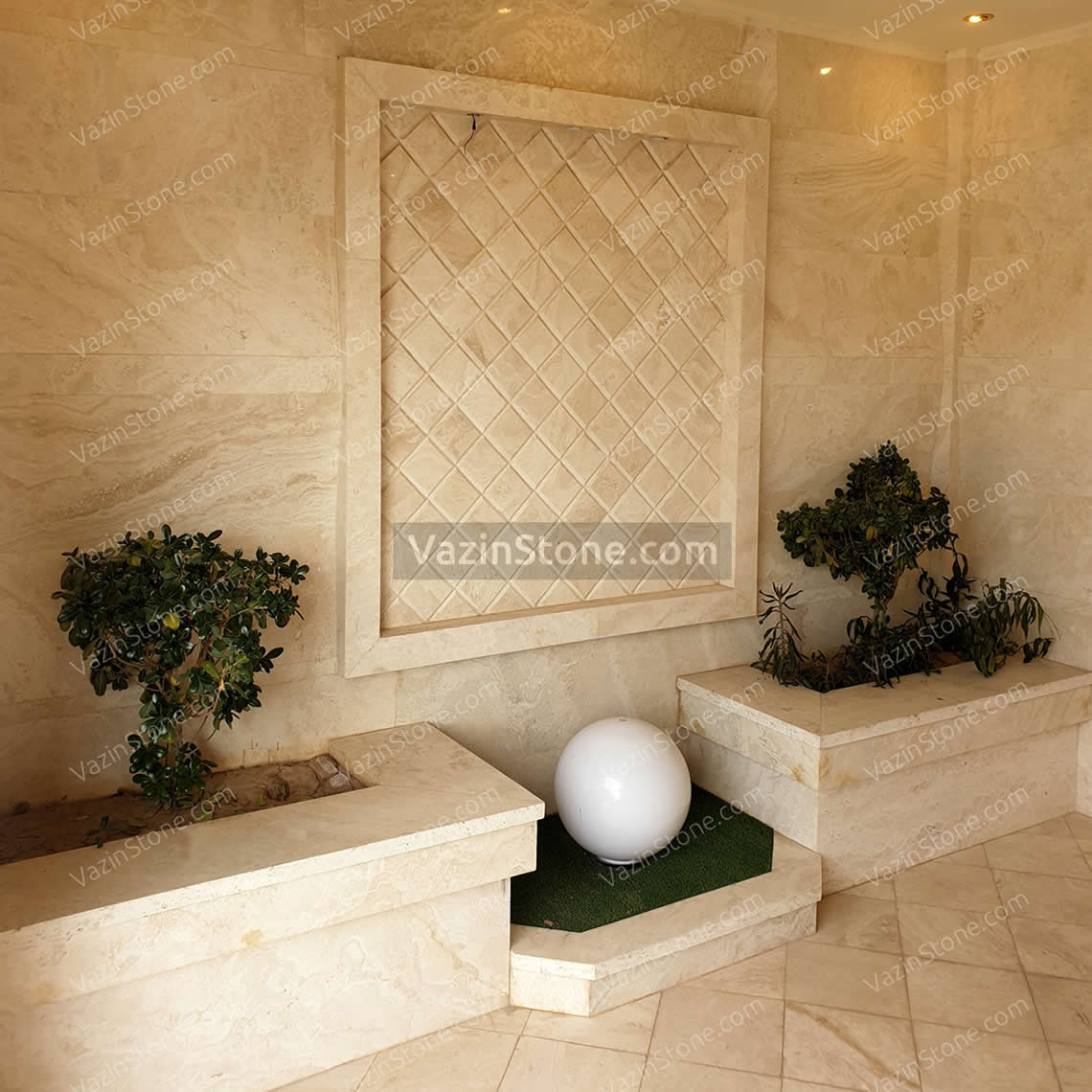
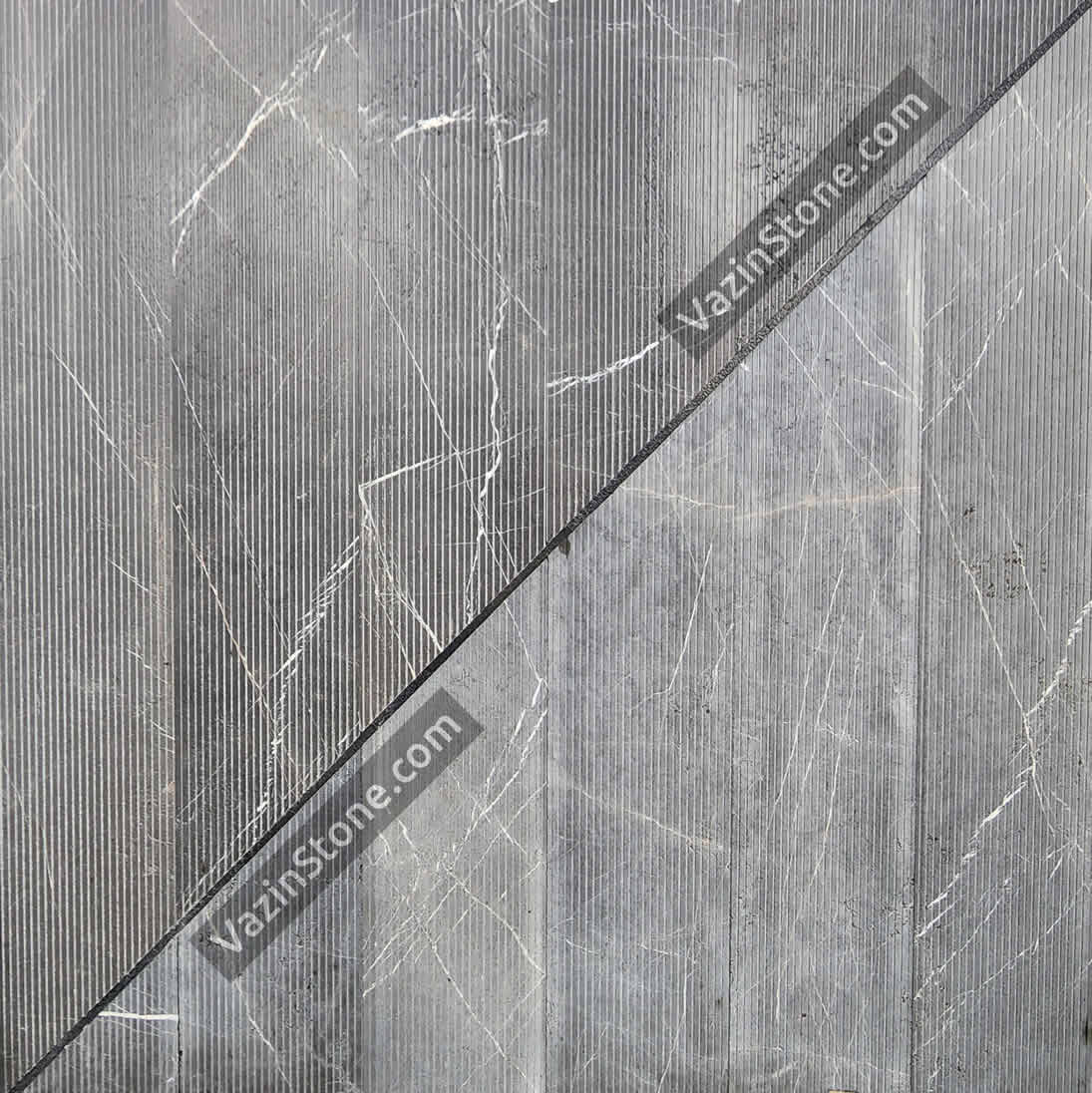
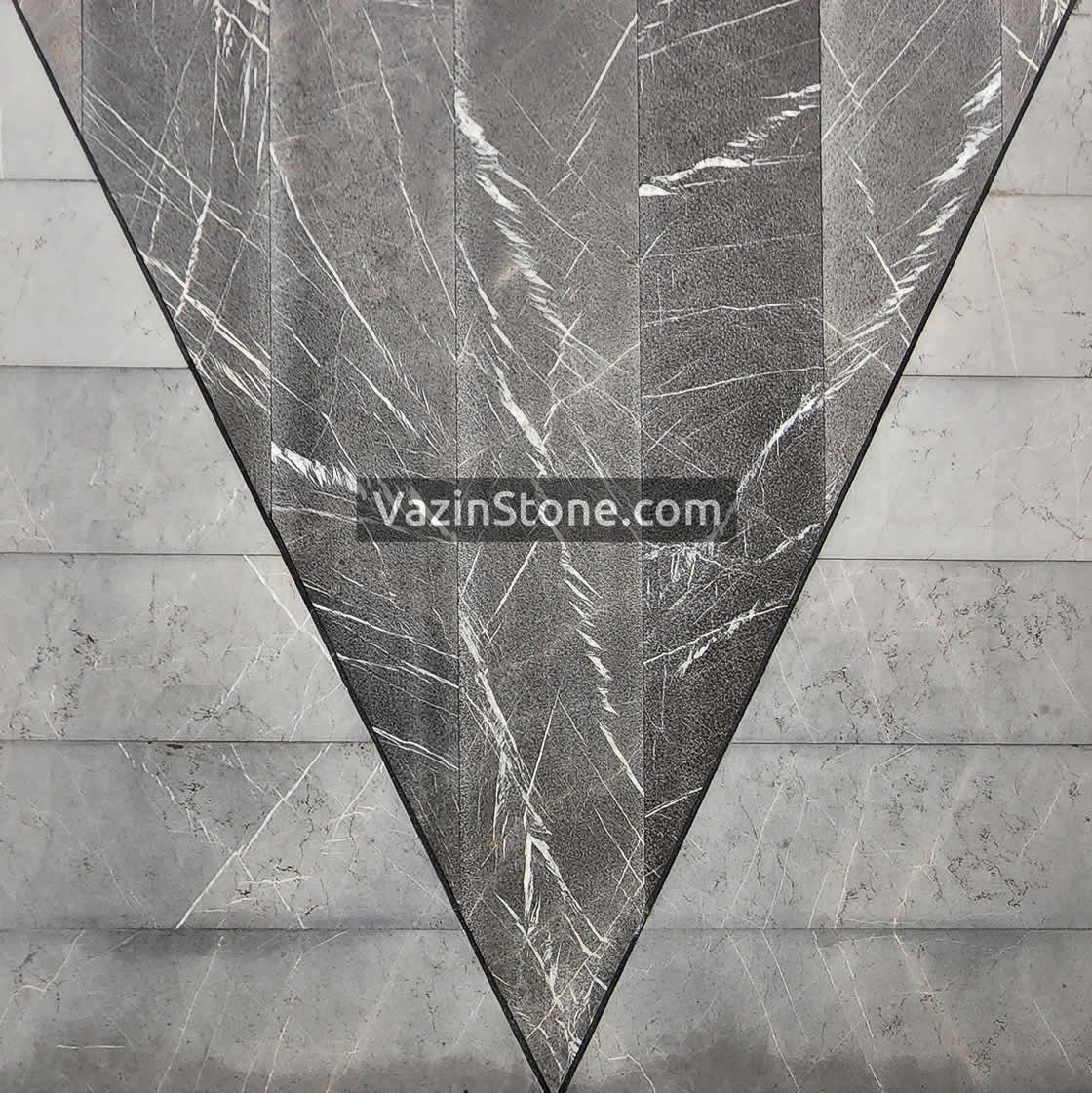
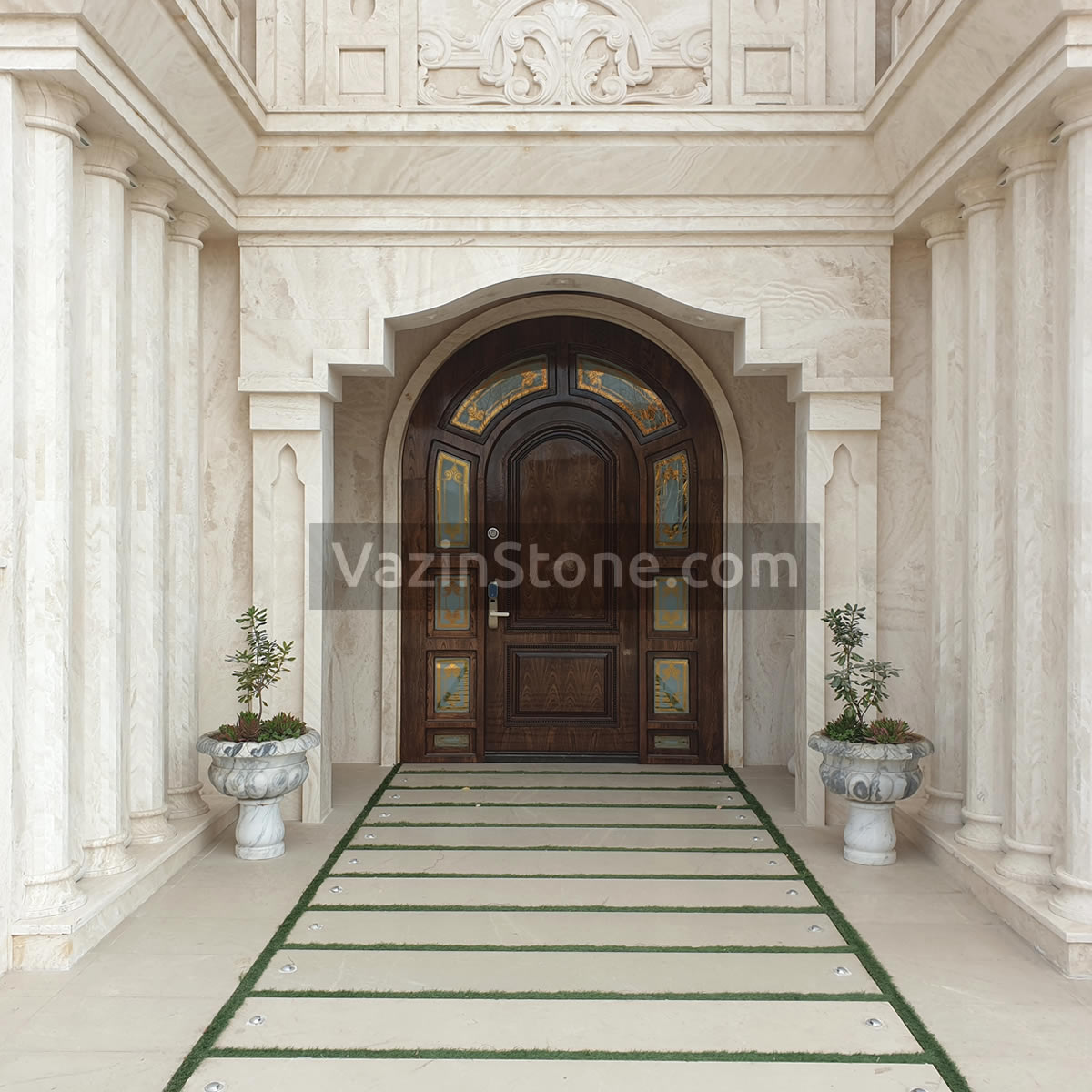
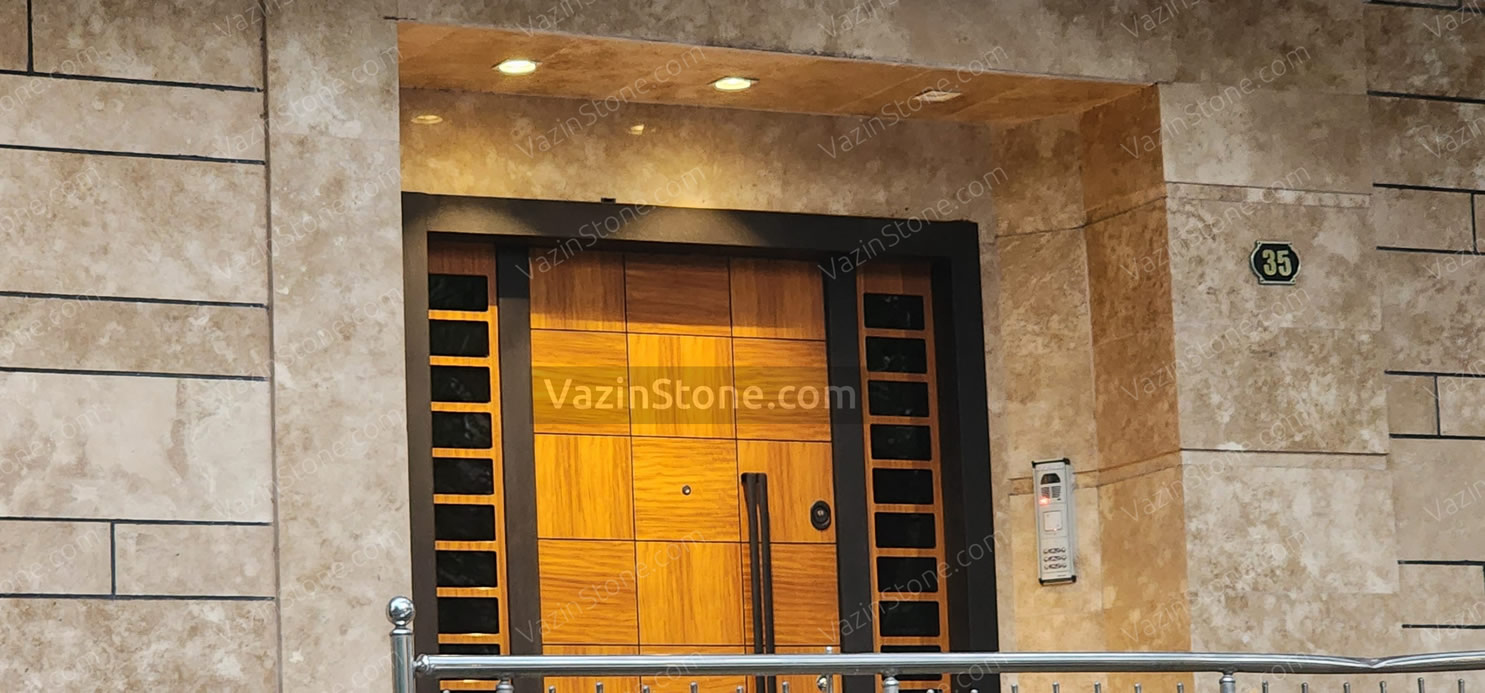
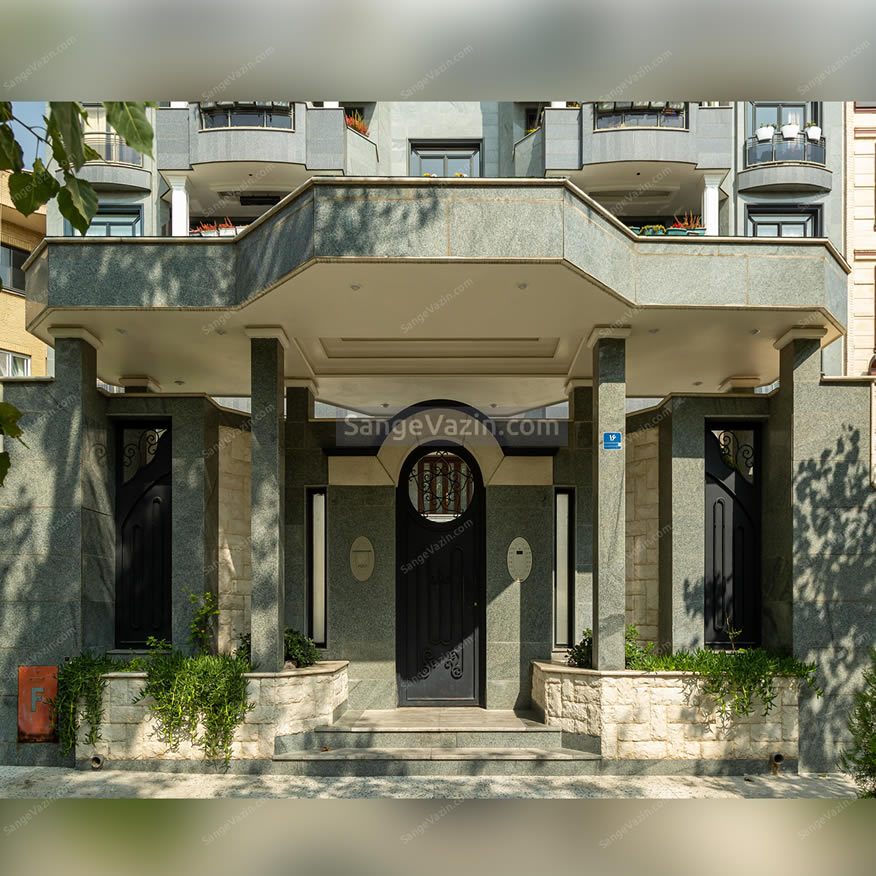
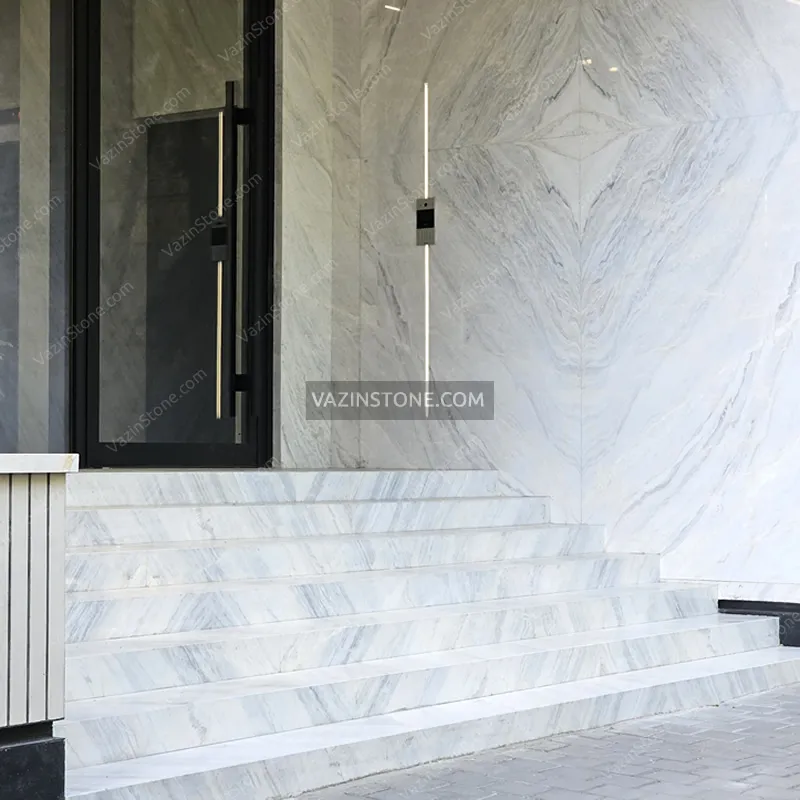
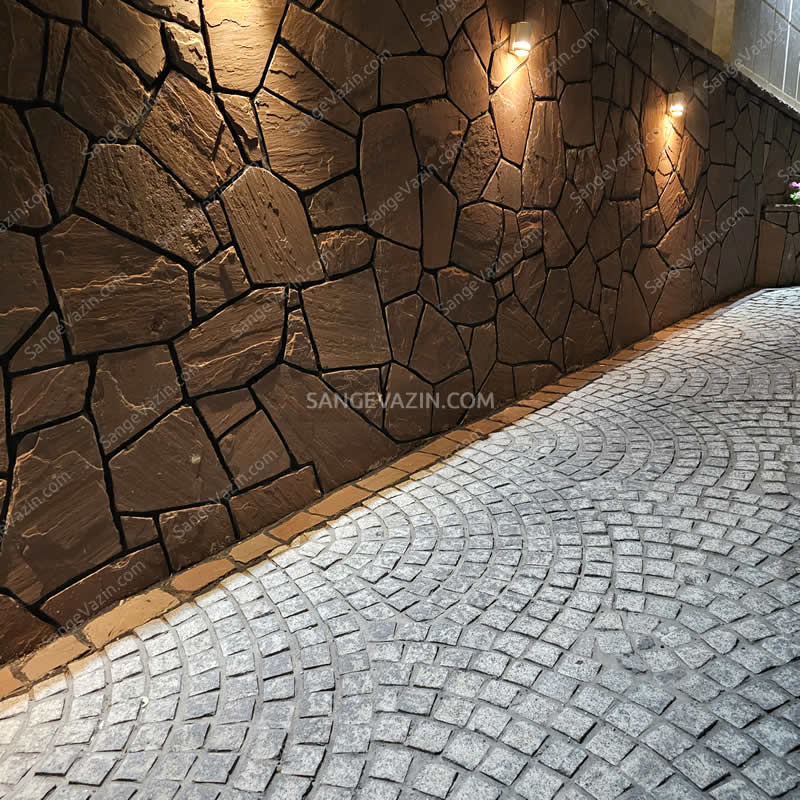
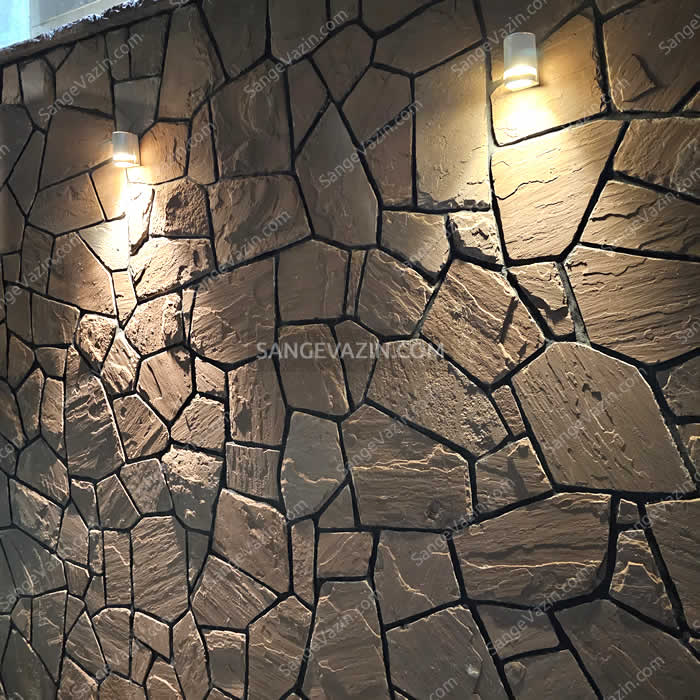
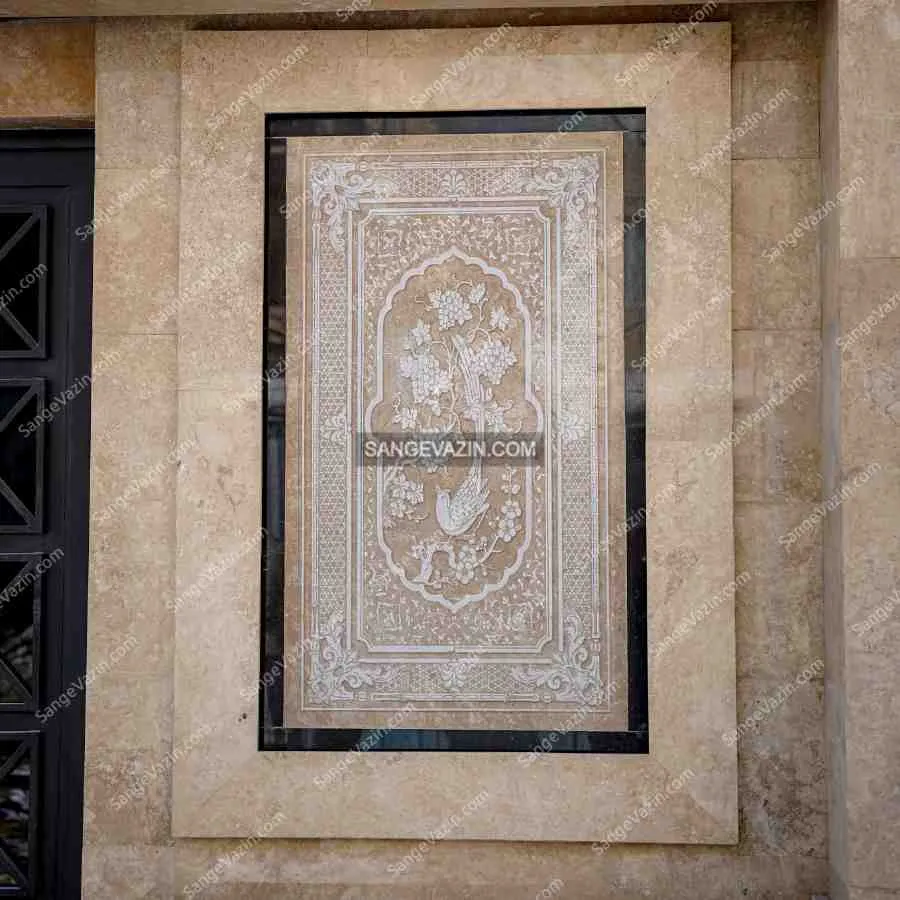
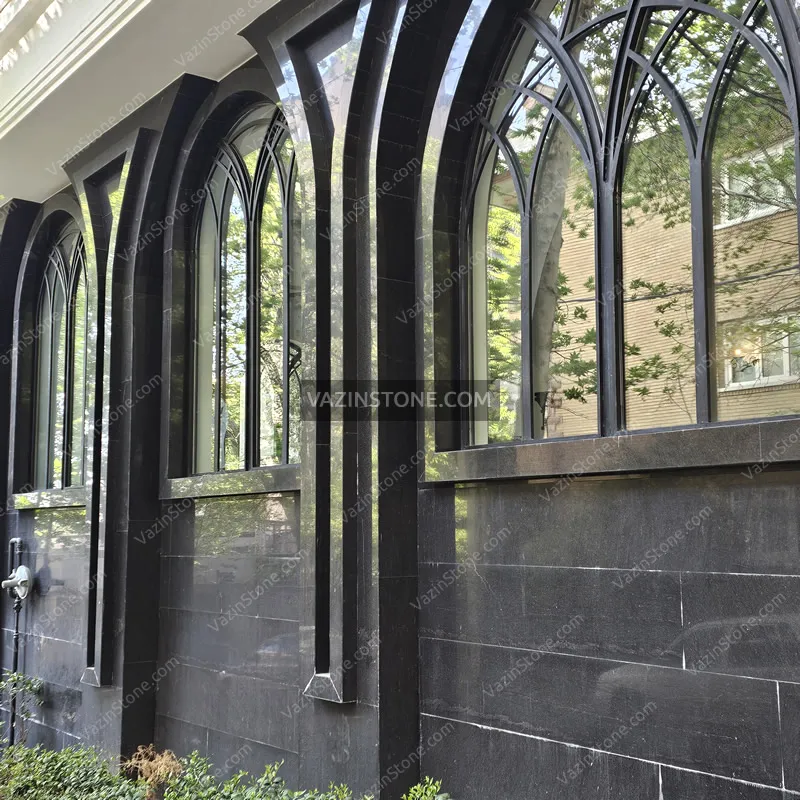
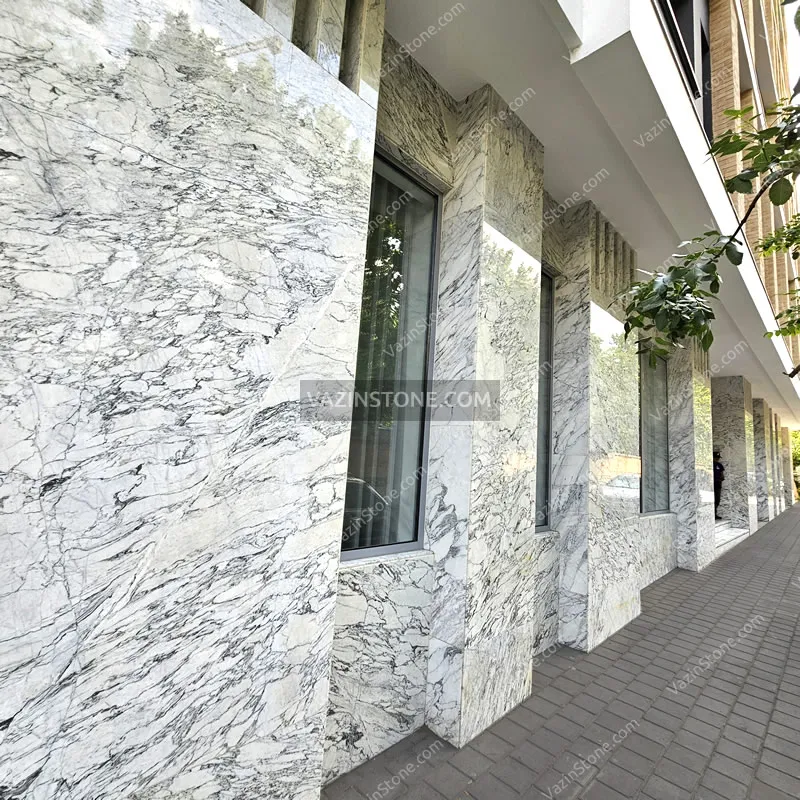
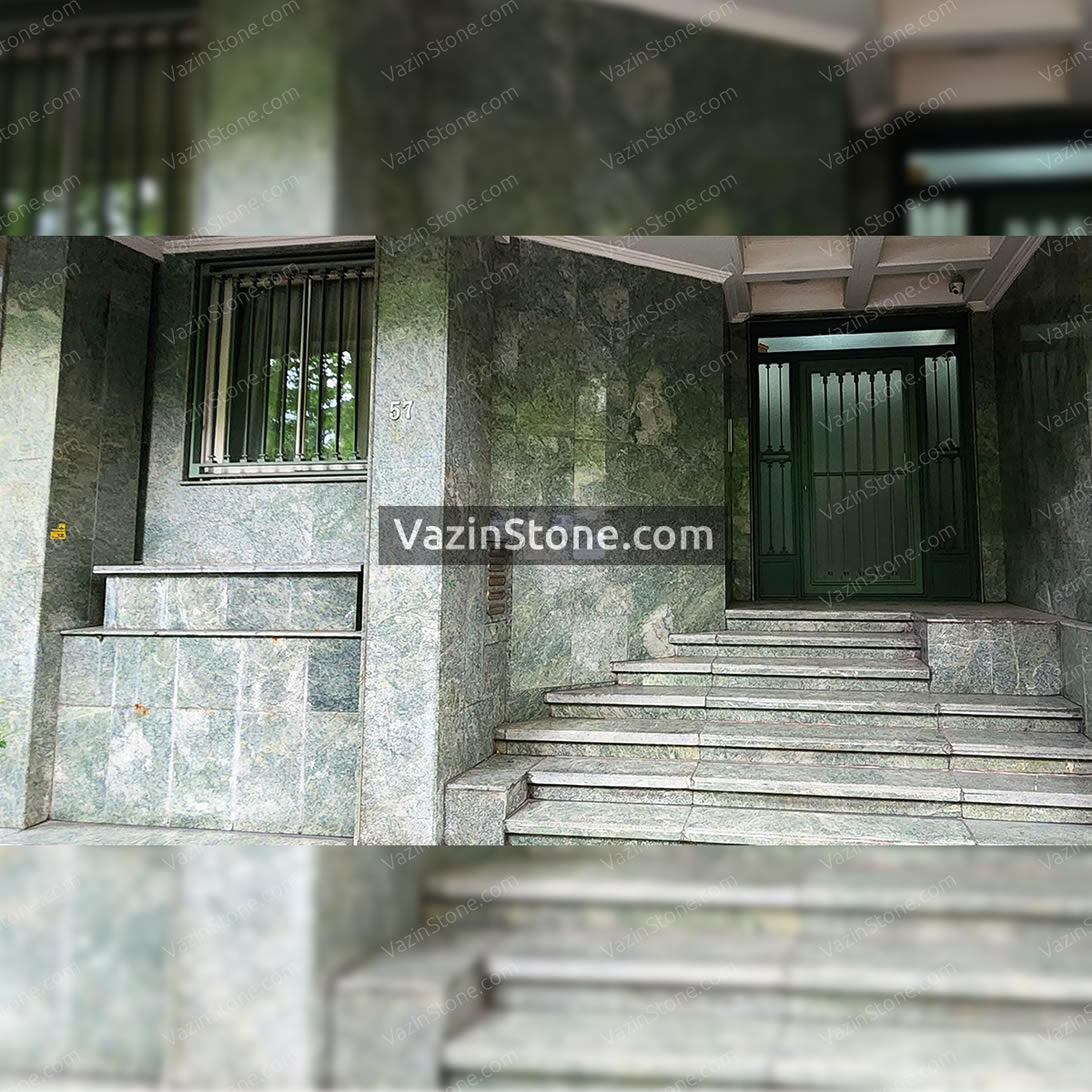
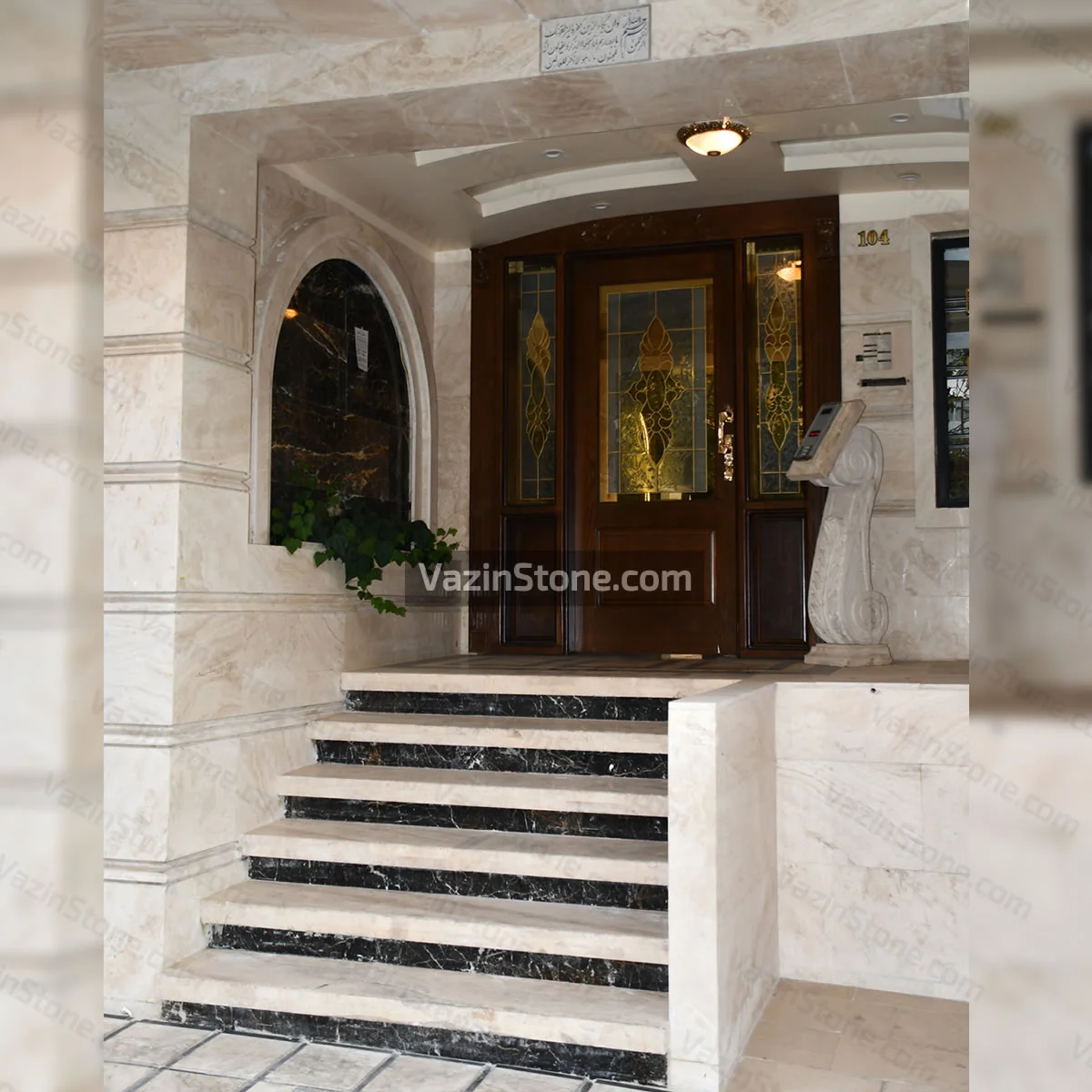
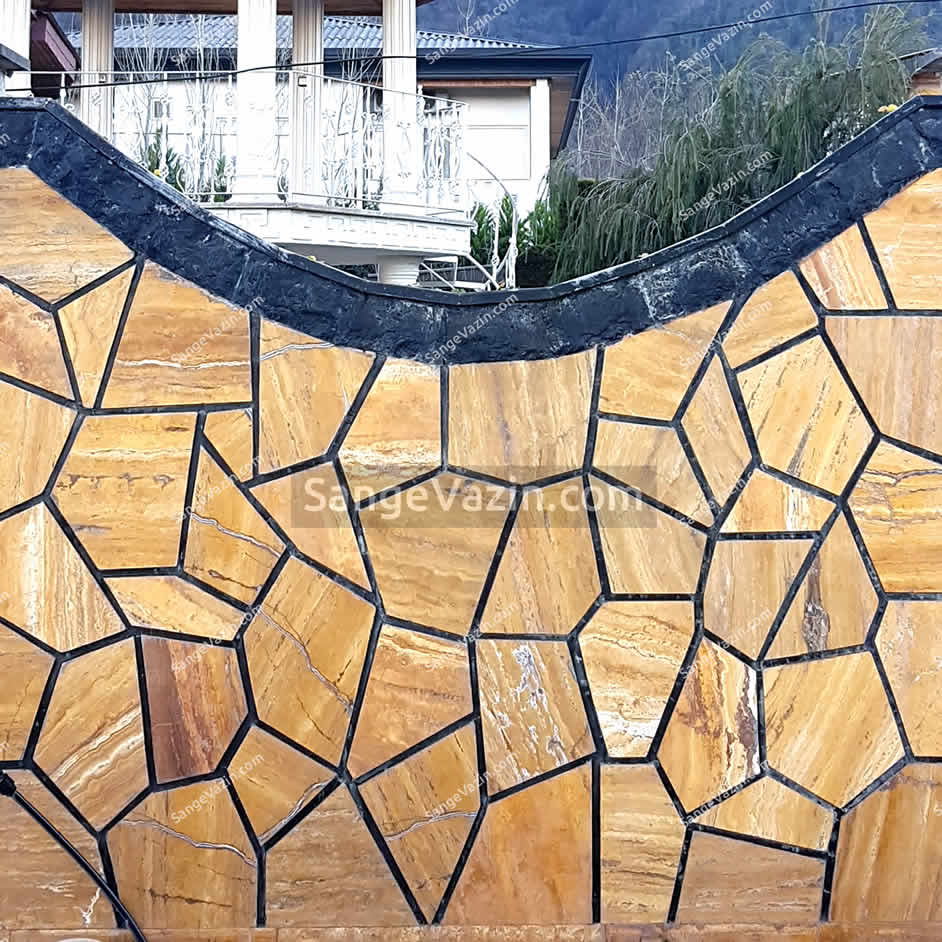
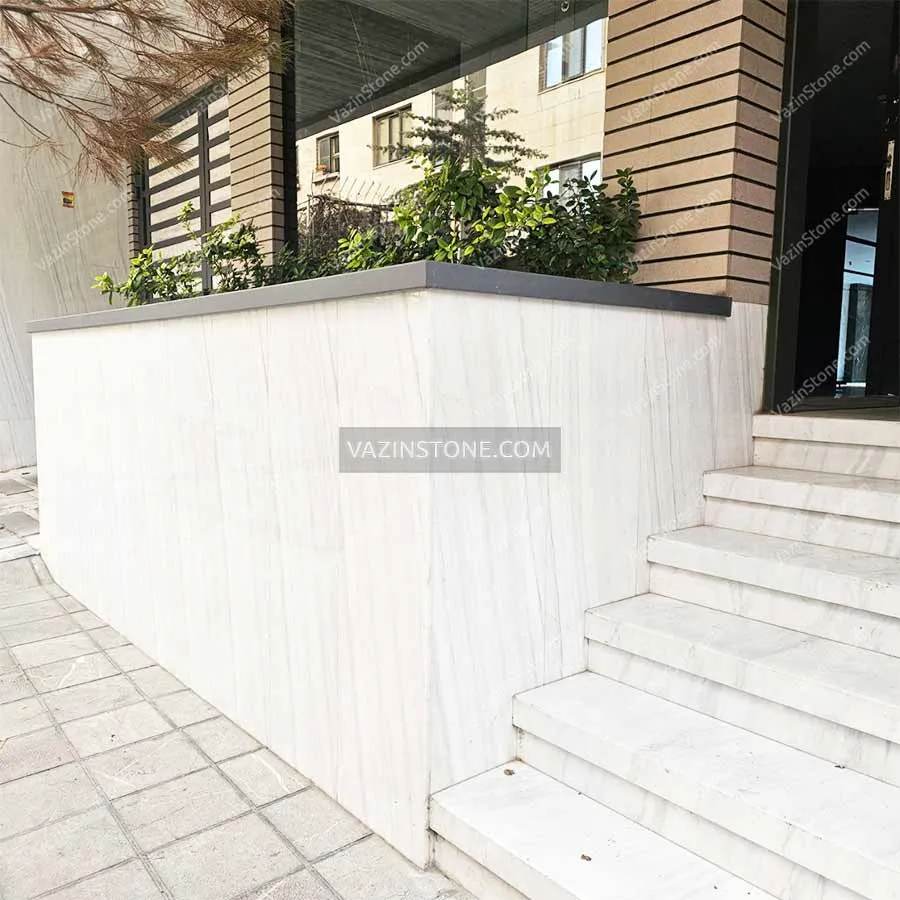
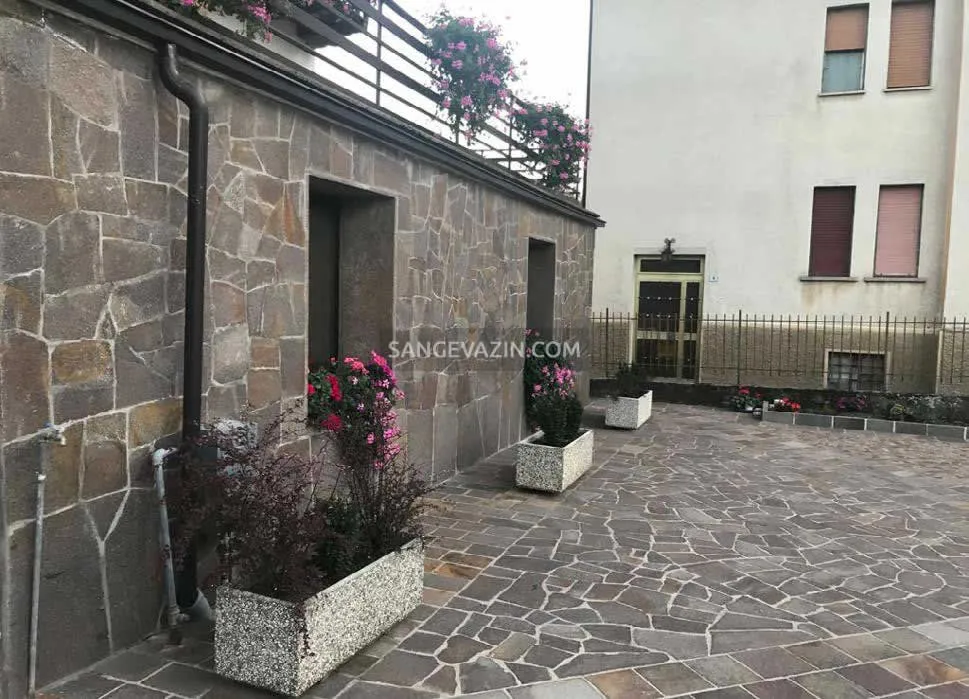
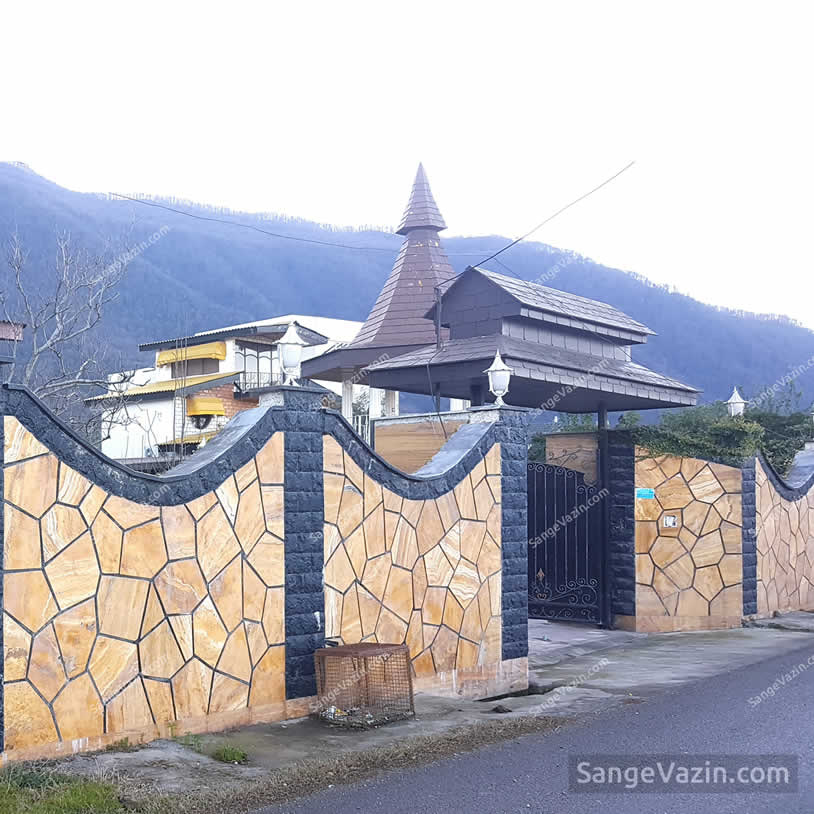
Onyx & Marble Are Not Standard for Exterior Walls
Onyx and marble are generally not suitable options for outdoor applications, as the elements that make up these stones have limited resistance to outdoor conditions. Over time, they lose their natural luster and become subject to weathering and erosion.
Wall Stone of Parking
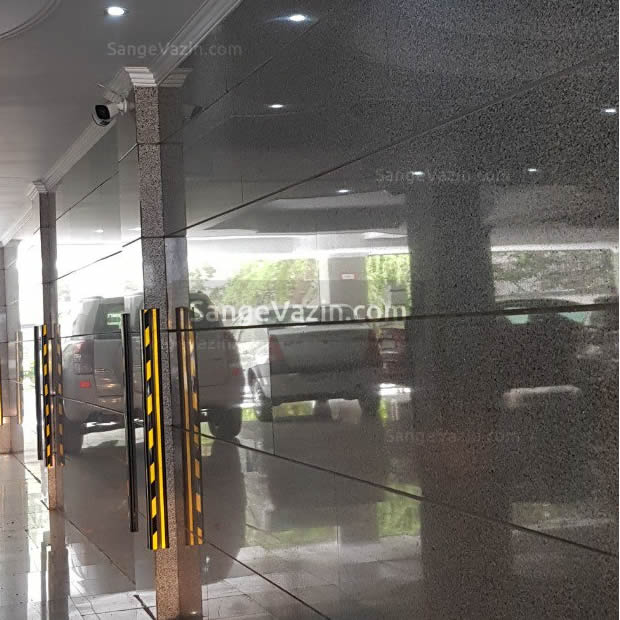
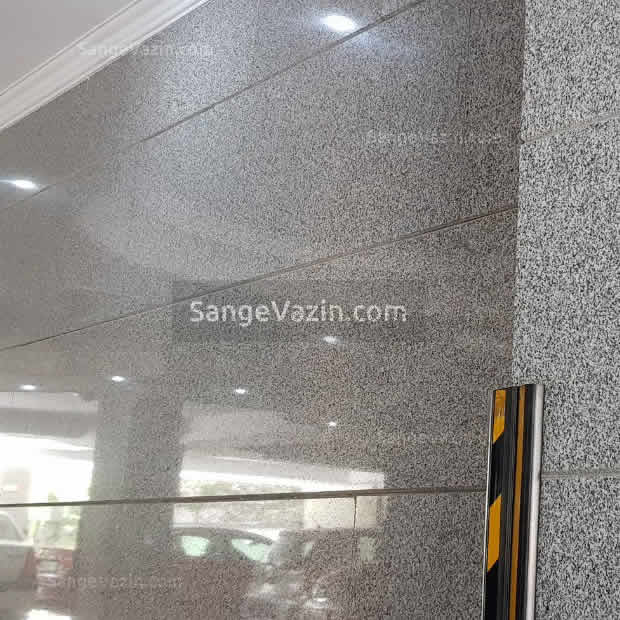
When selecting and ordering stones for parking lot walls, it is crucial to determine whether they will be exposed to sunlight, snow, or rain. If the parking area is enclosed (which is usually the case), you can use any type of stone without limitation.
Best Stone Color for Parking Walls
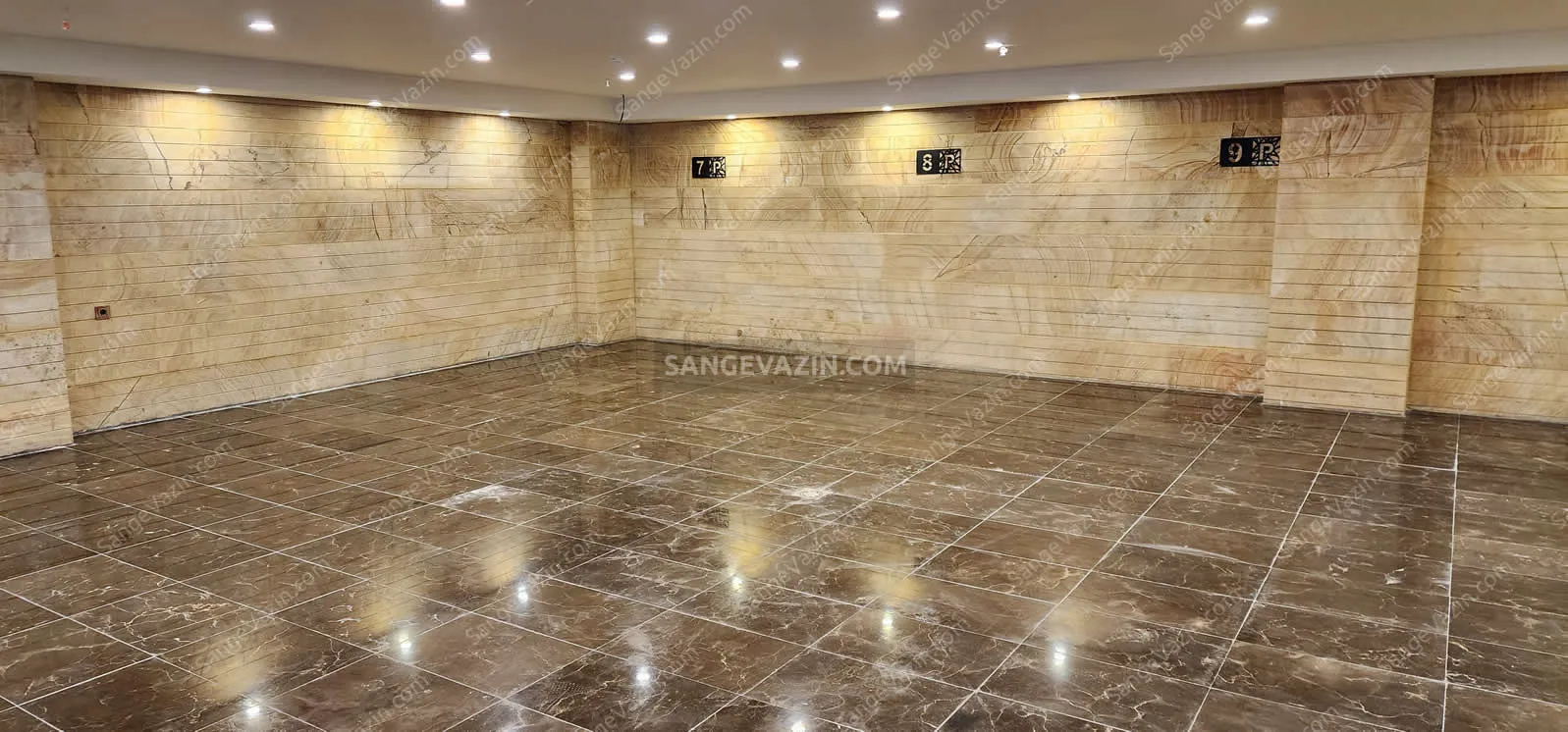
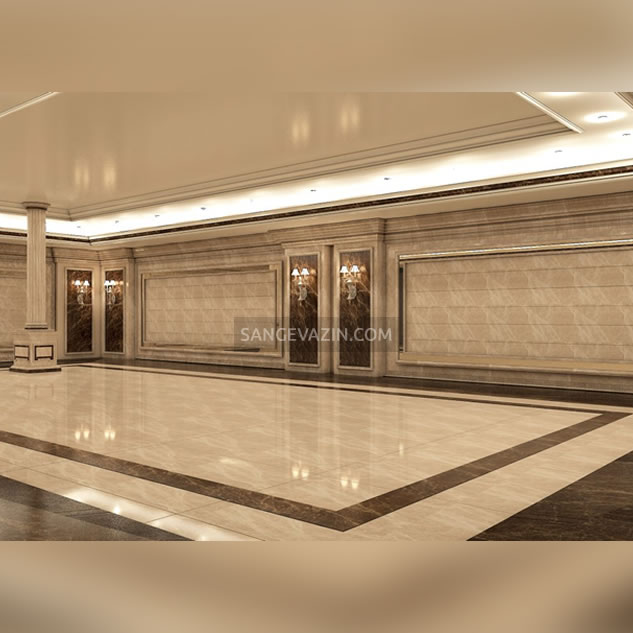
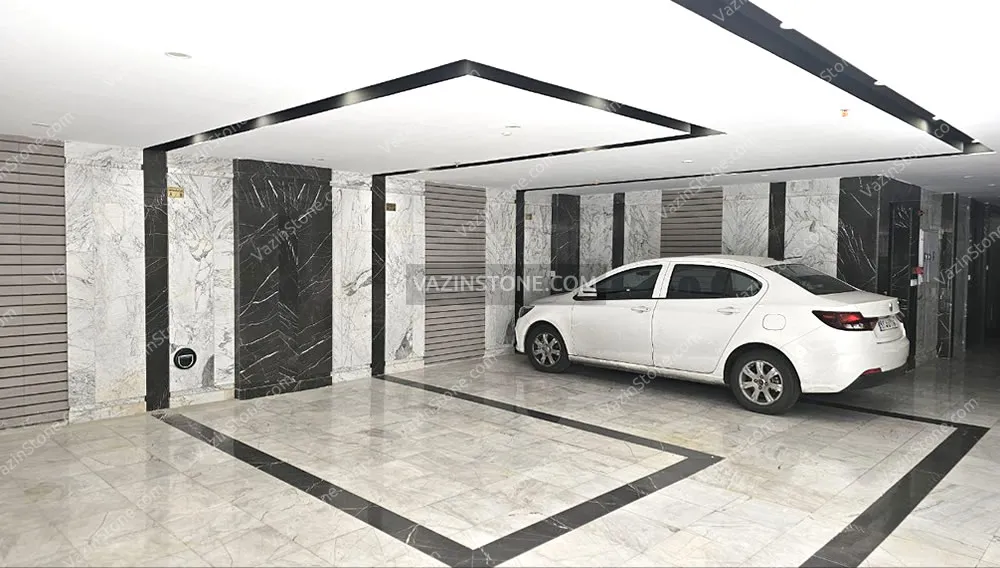
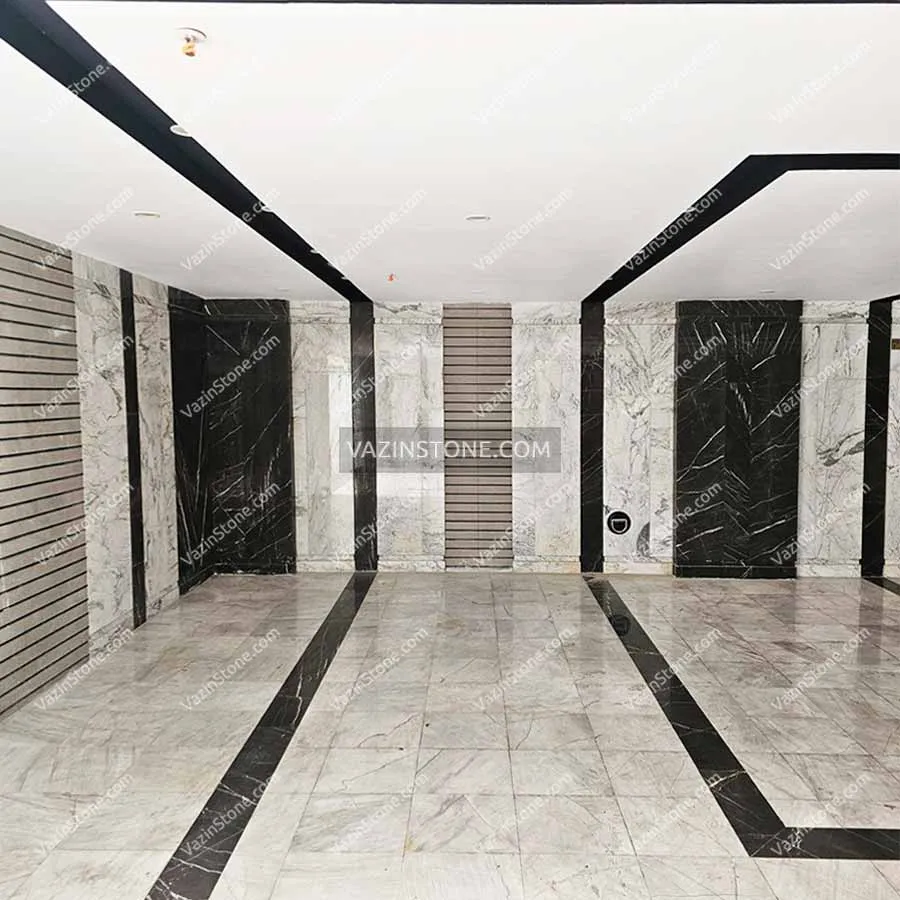
It is strongly recommended to consider light-colored stone for parking areas. Parking spaces usually have low ceilings and poor lighting. Choosing light colors makes the area appear larger, and collisions between cars and walls or columns during parking and movement are significantly reduced.
Parking Wall Stone Gallery
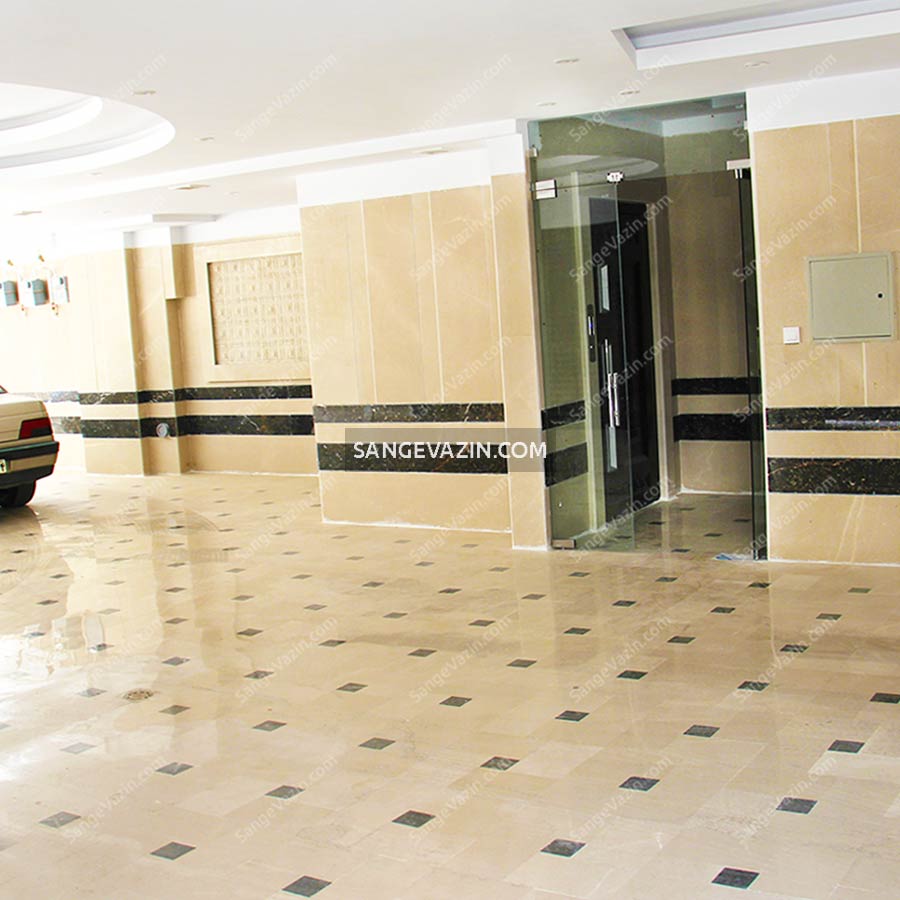
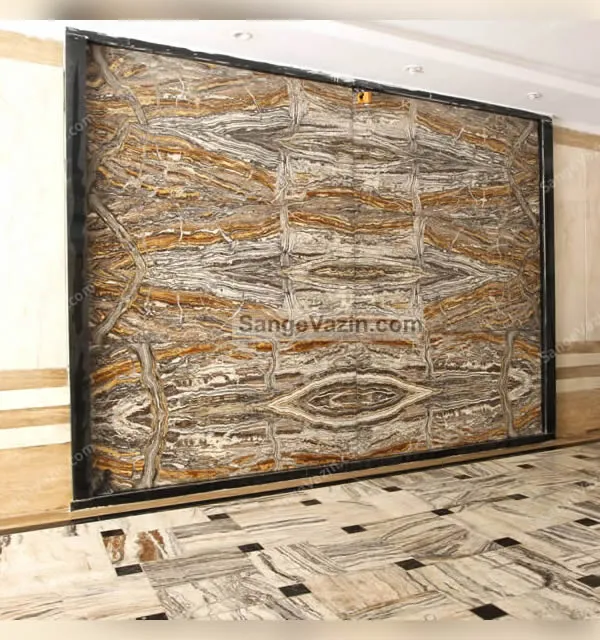
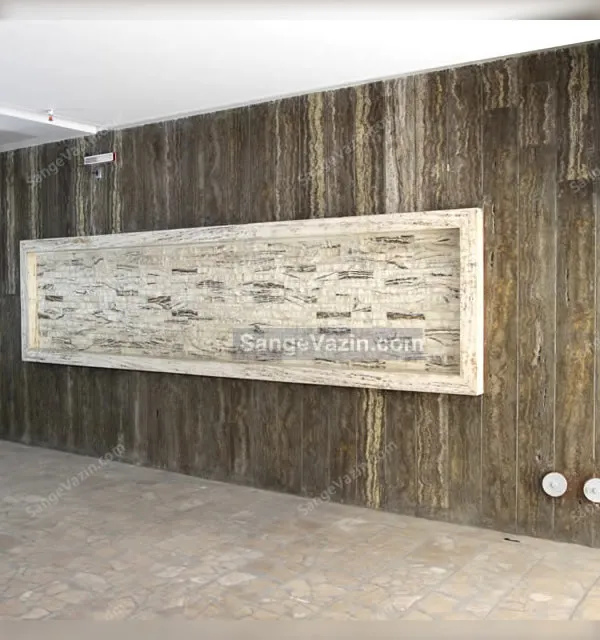
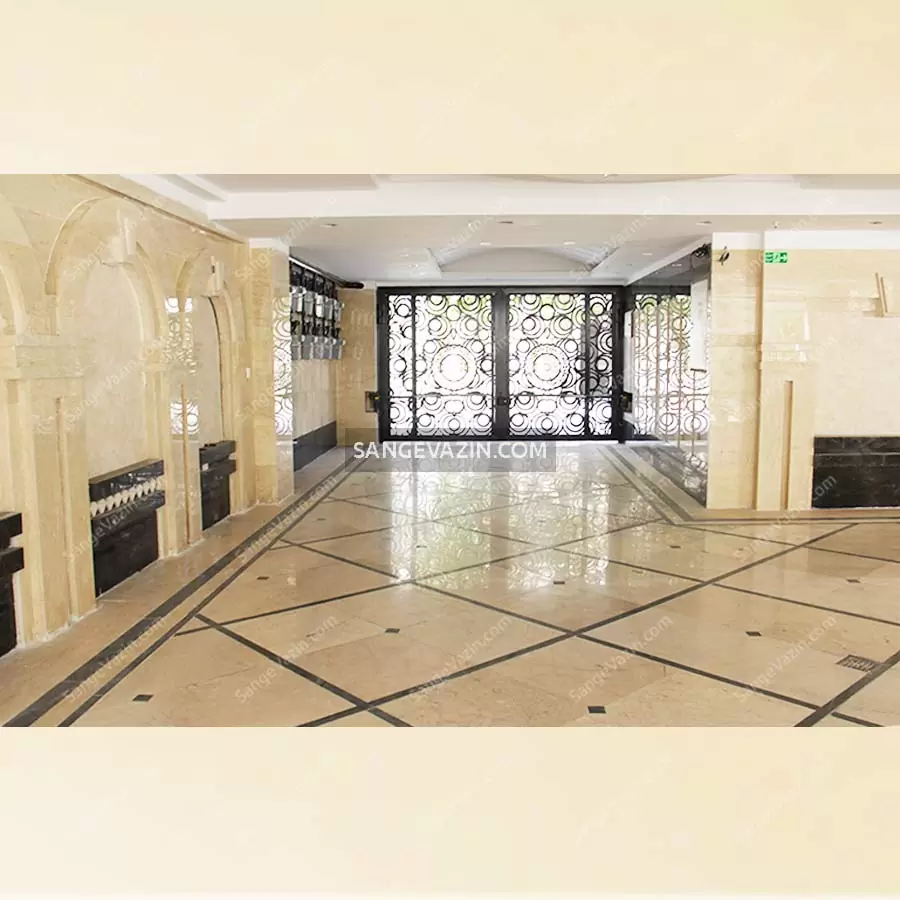
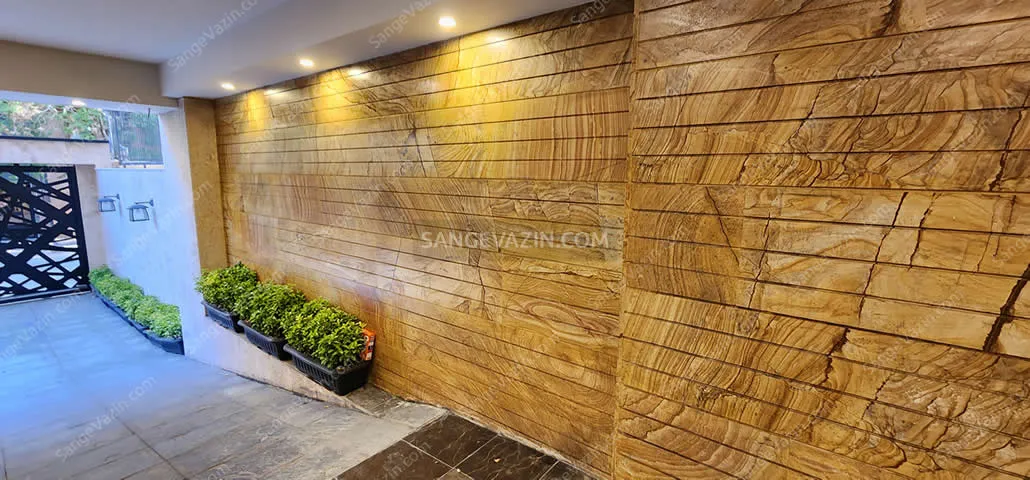
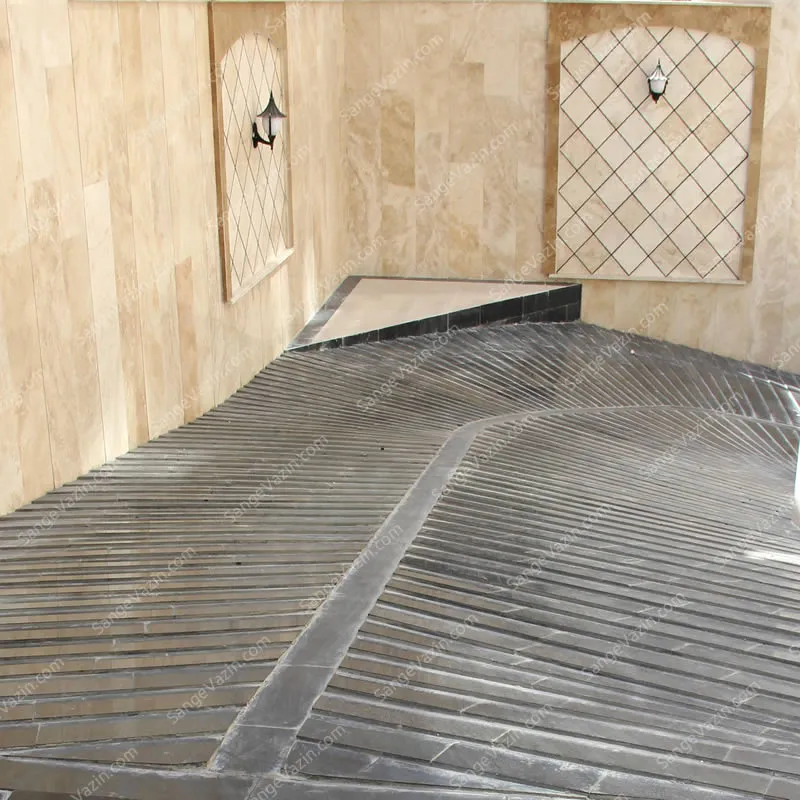
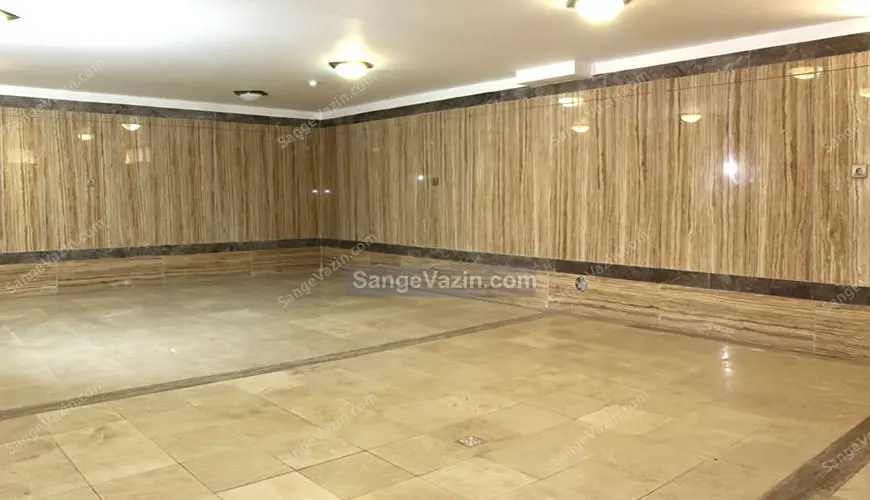
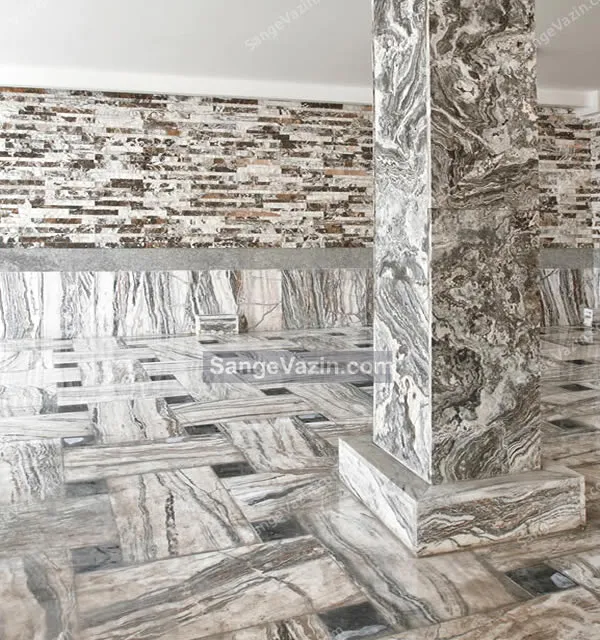
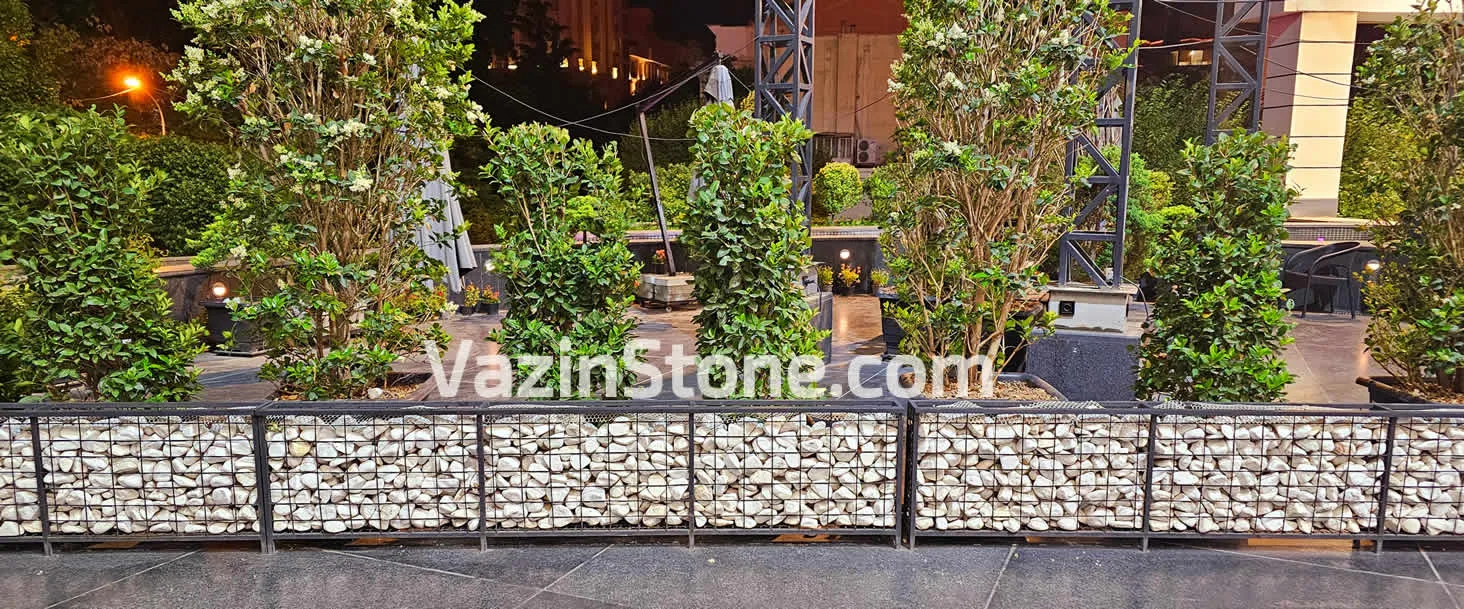
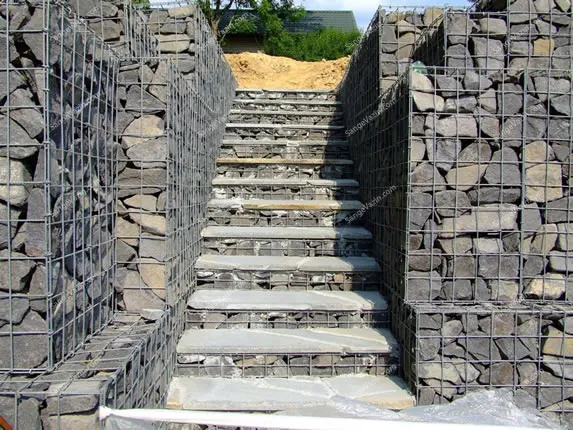
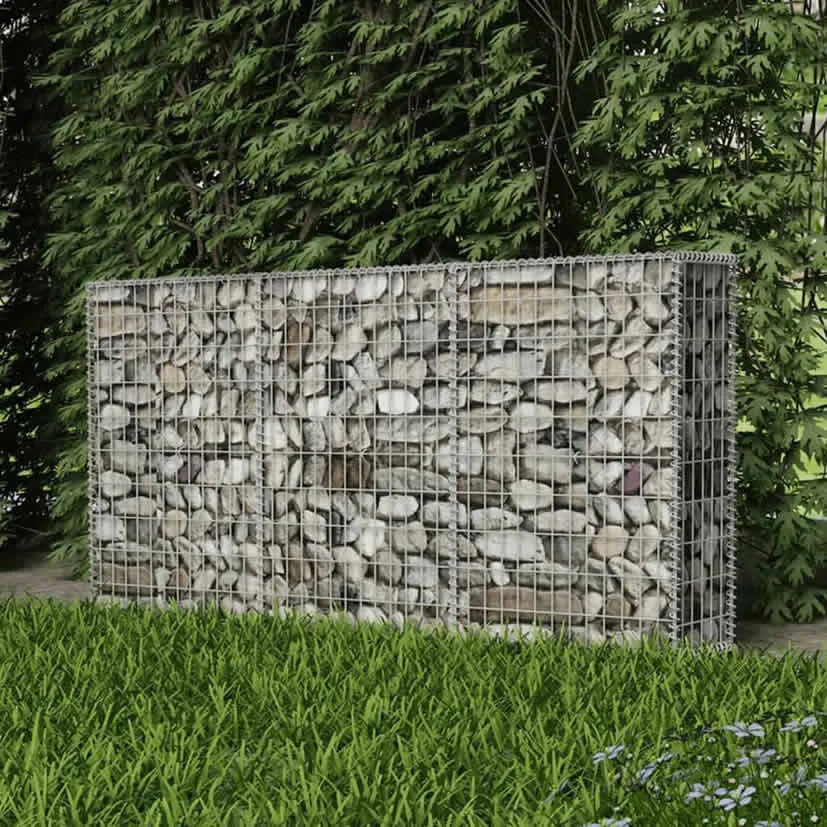
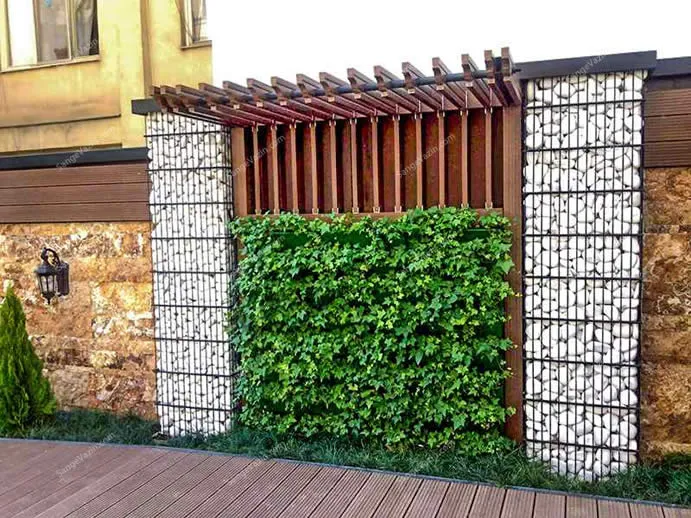
Gabion or Wall Stone
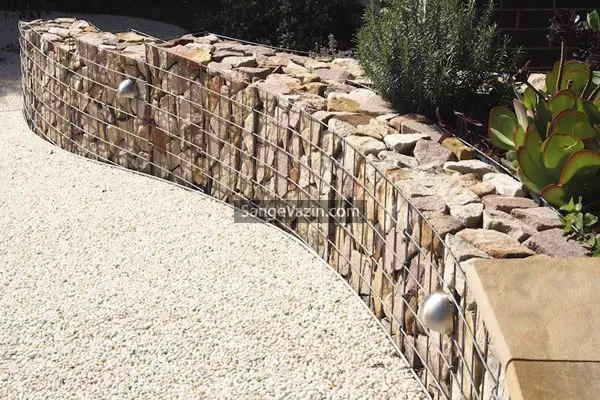
A Gabion wall consists of metal mesh, typically shaped in hexagons or rectangles, filled with stones like slate or pebble stones. These walls are commonly utilized for interior design or outdoor landscaping around buildings, offering a budget-friendly and economical solution.
Interior Wall Stone
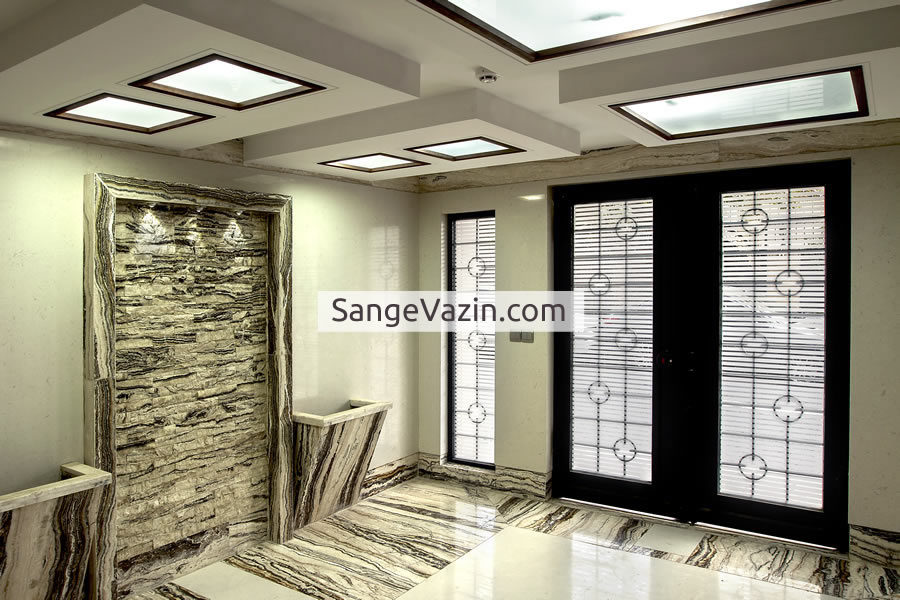
In the interior, including lobbies, corridors, stairs, residential complexes, halls, restaurants, hotels, and commercial and office buildings, various types of marble, crystal marble, onyx, travertine, granite, and limestone can be used as wall cladding stone.
Lobby Wall Stone
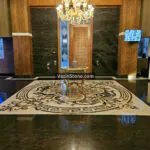
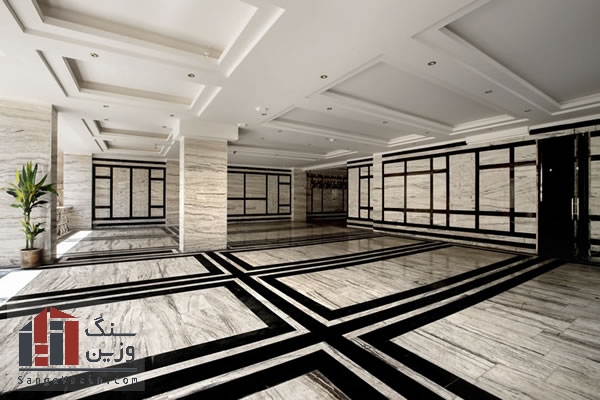
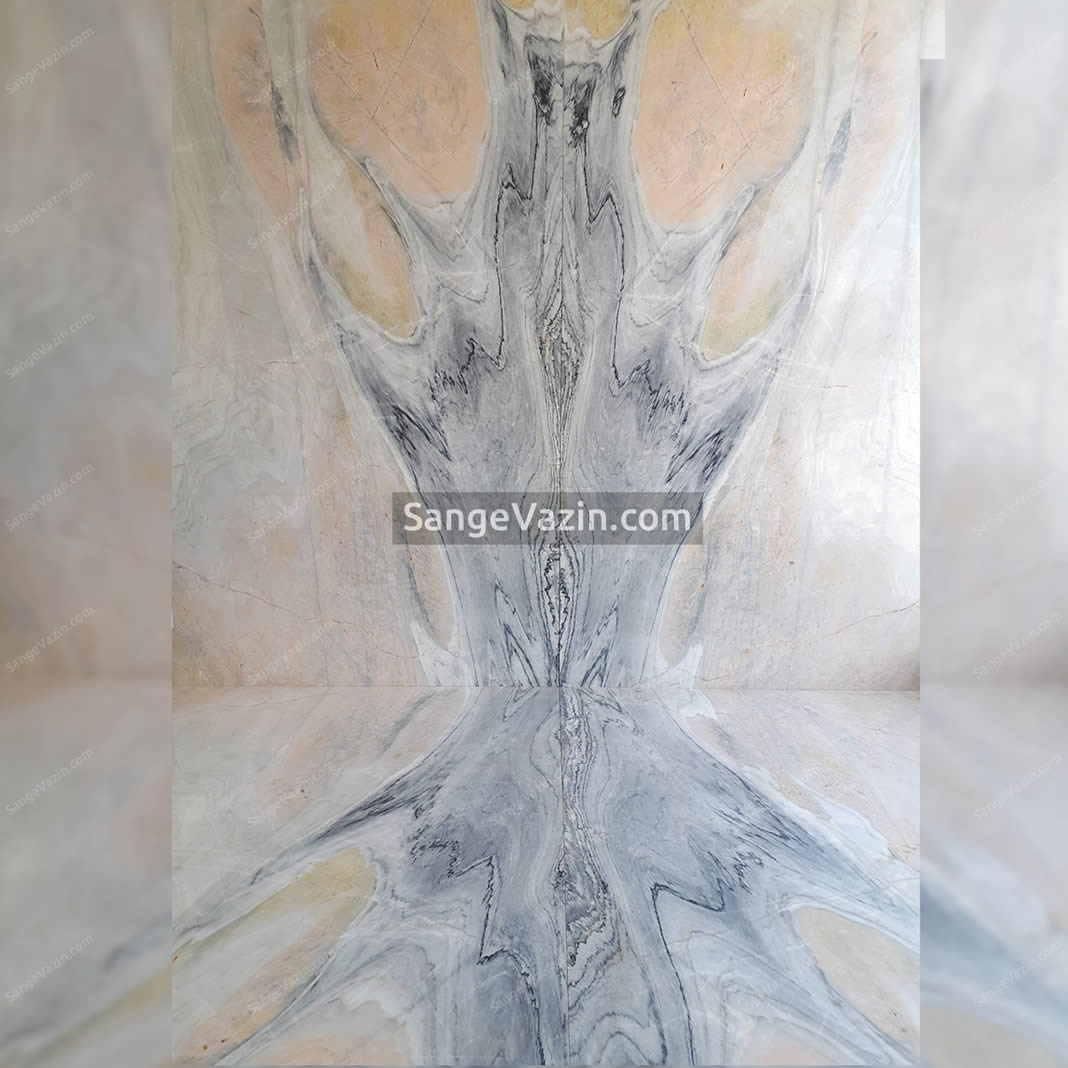
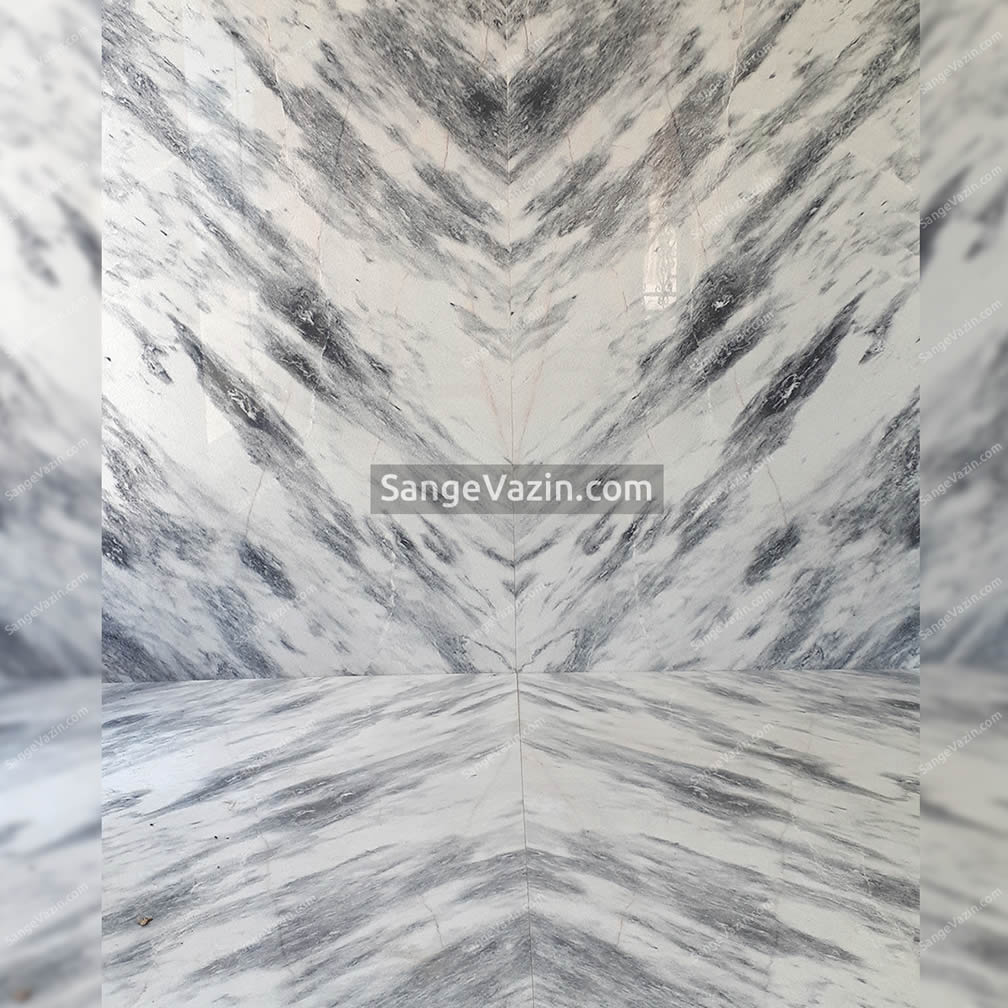
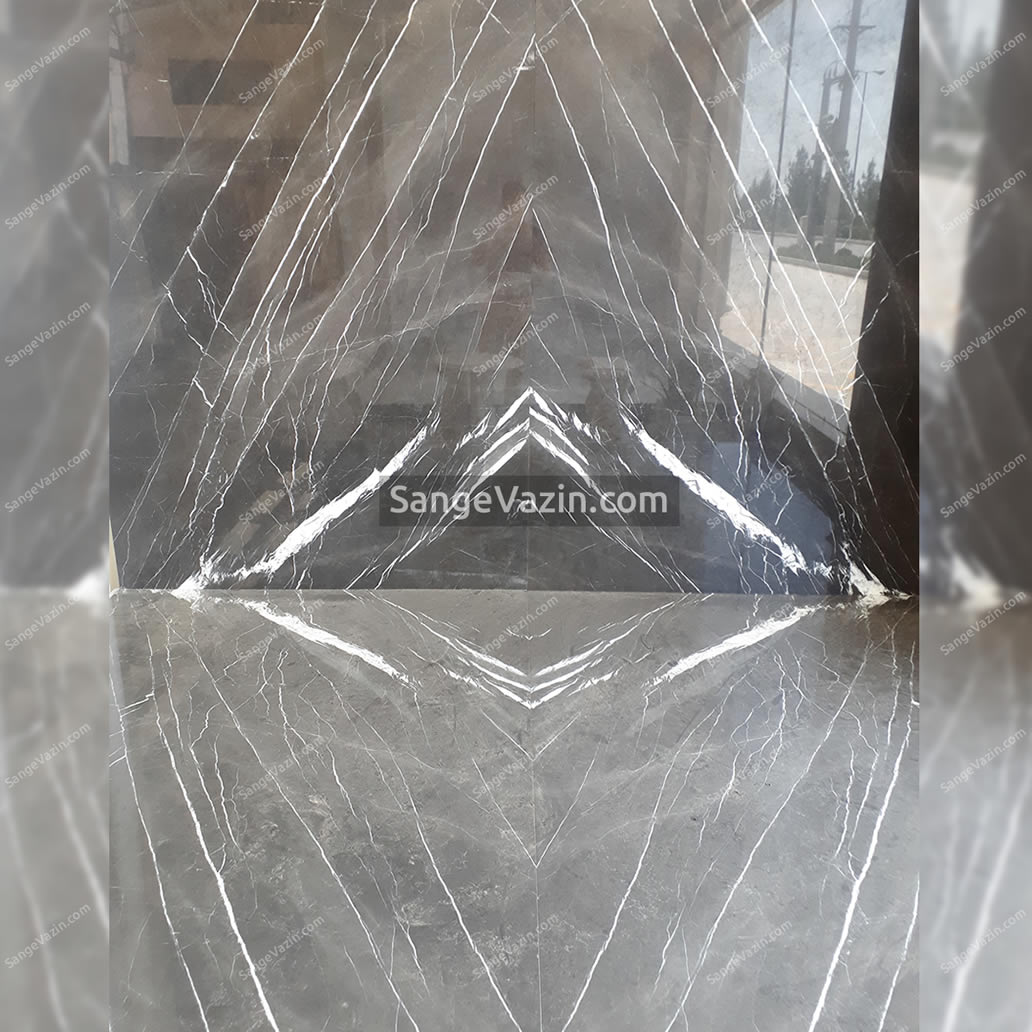
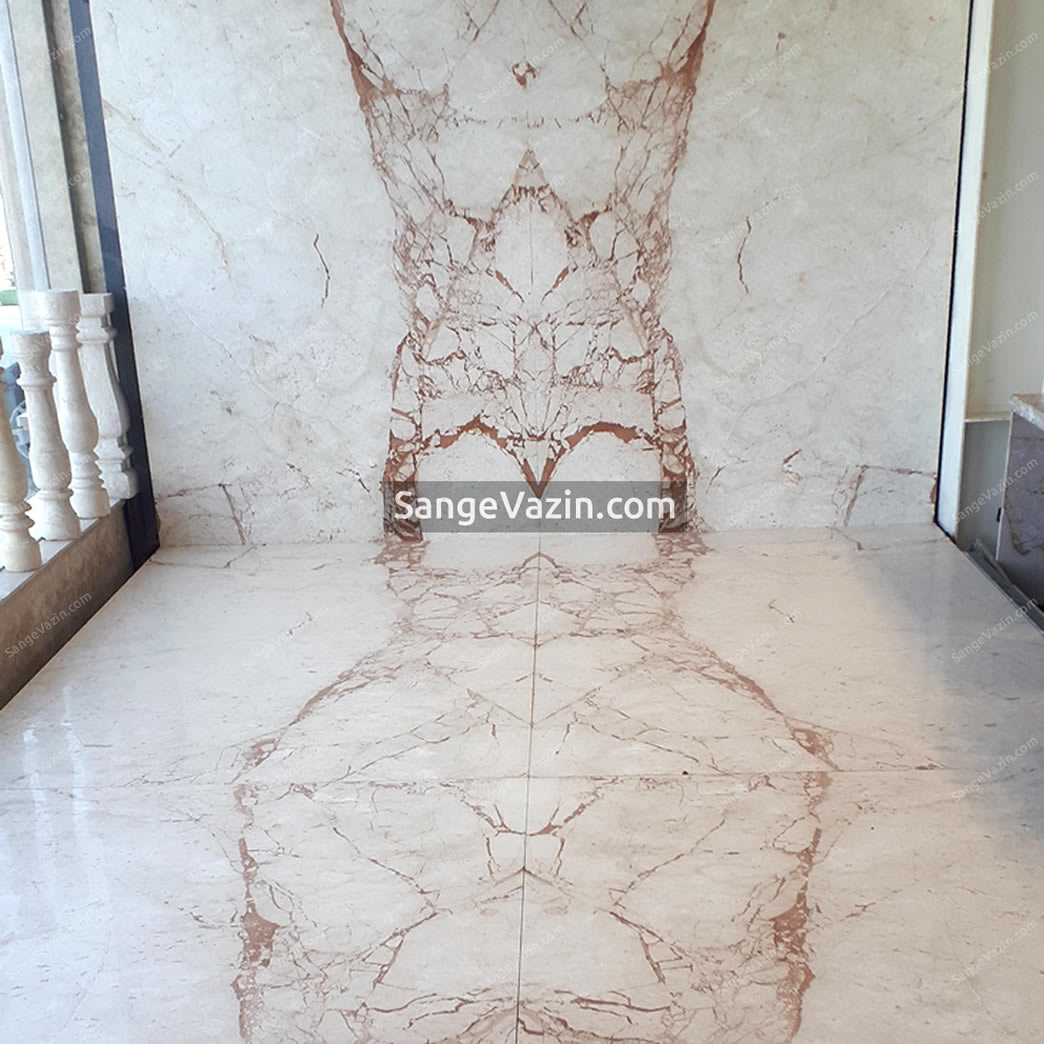
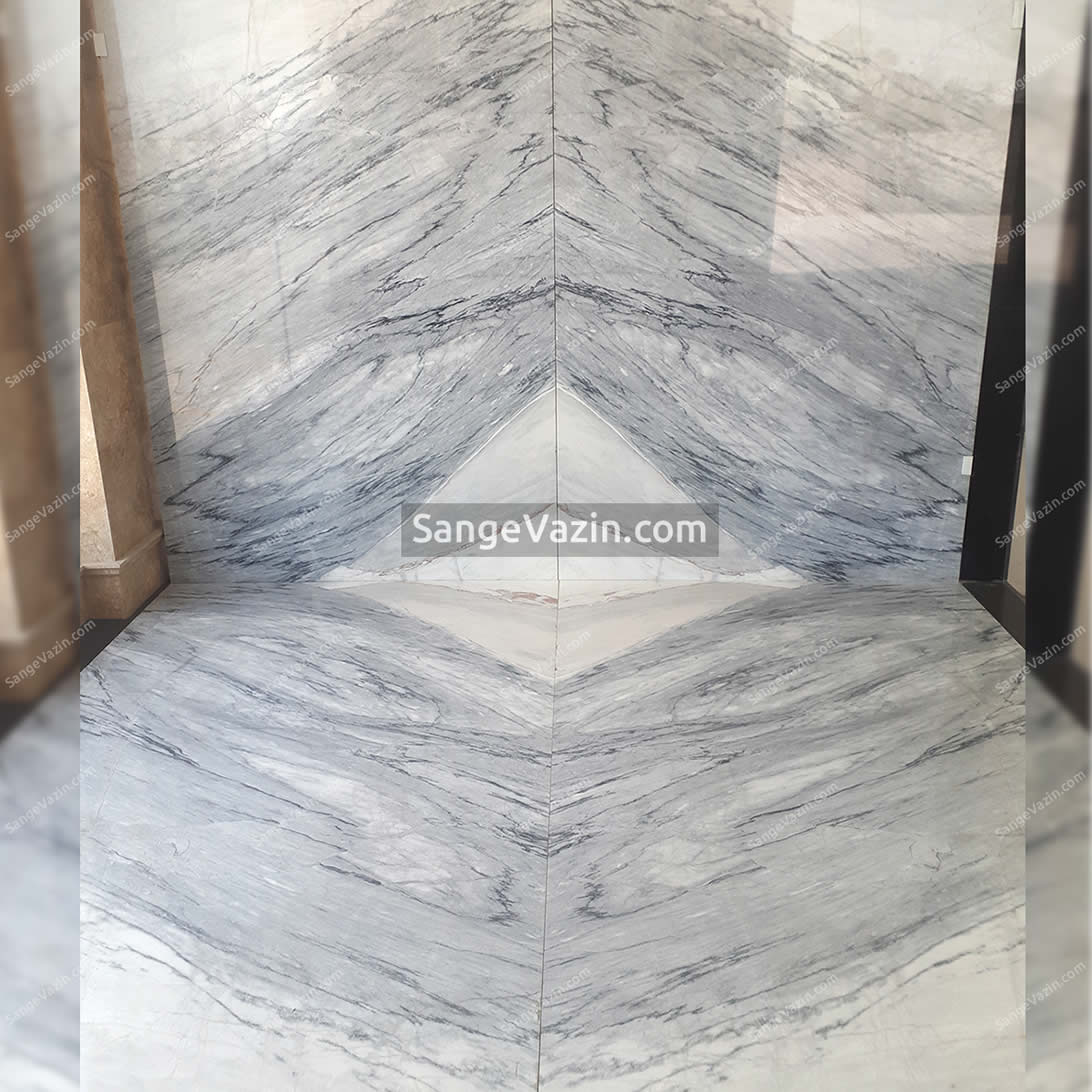
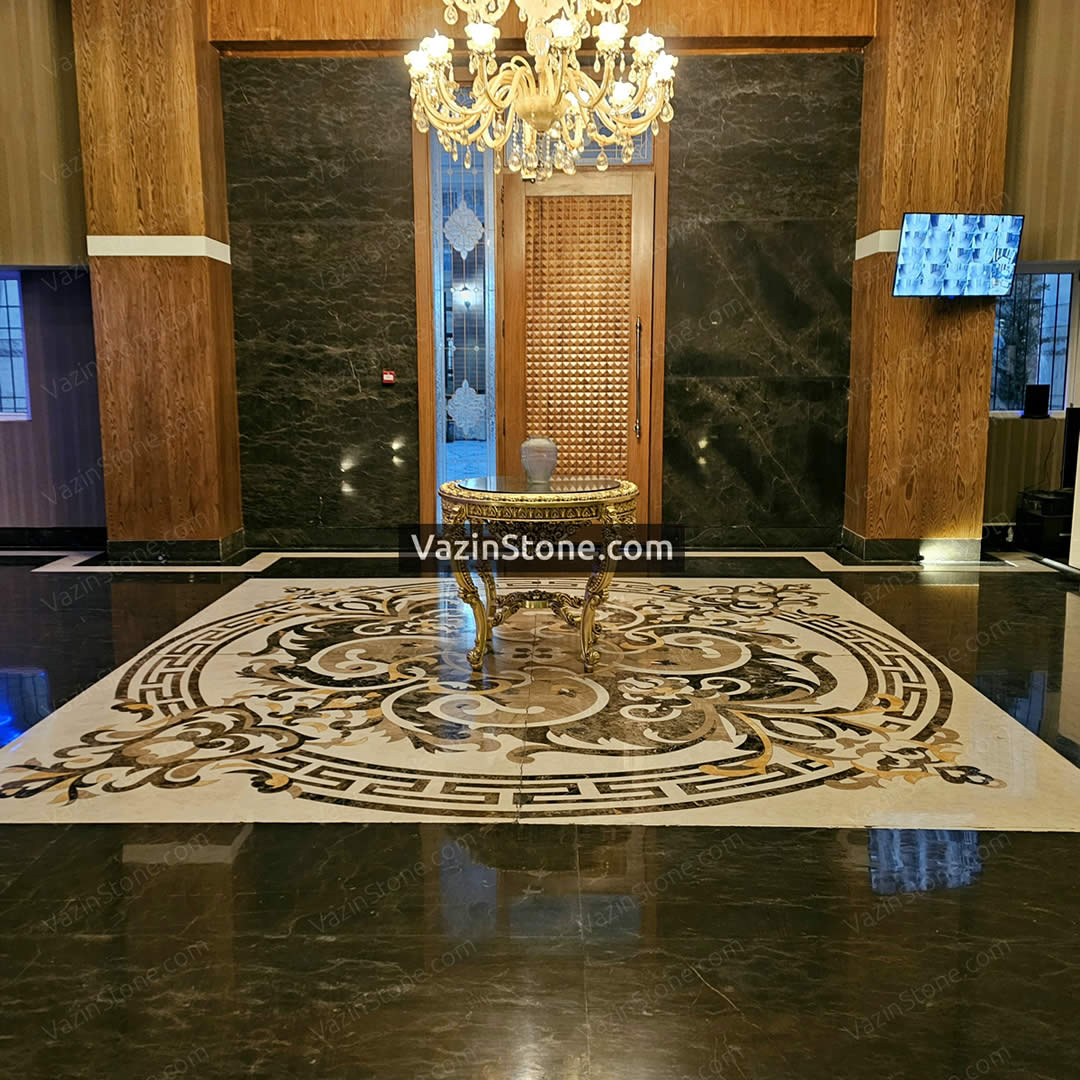
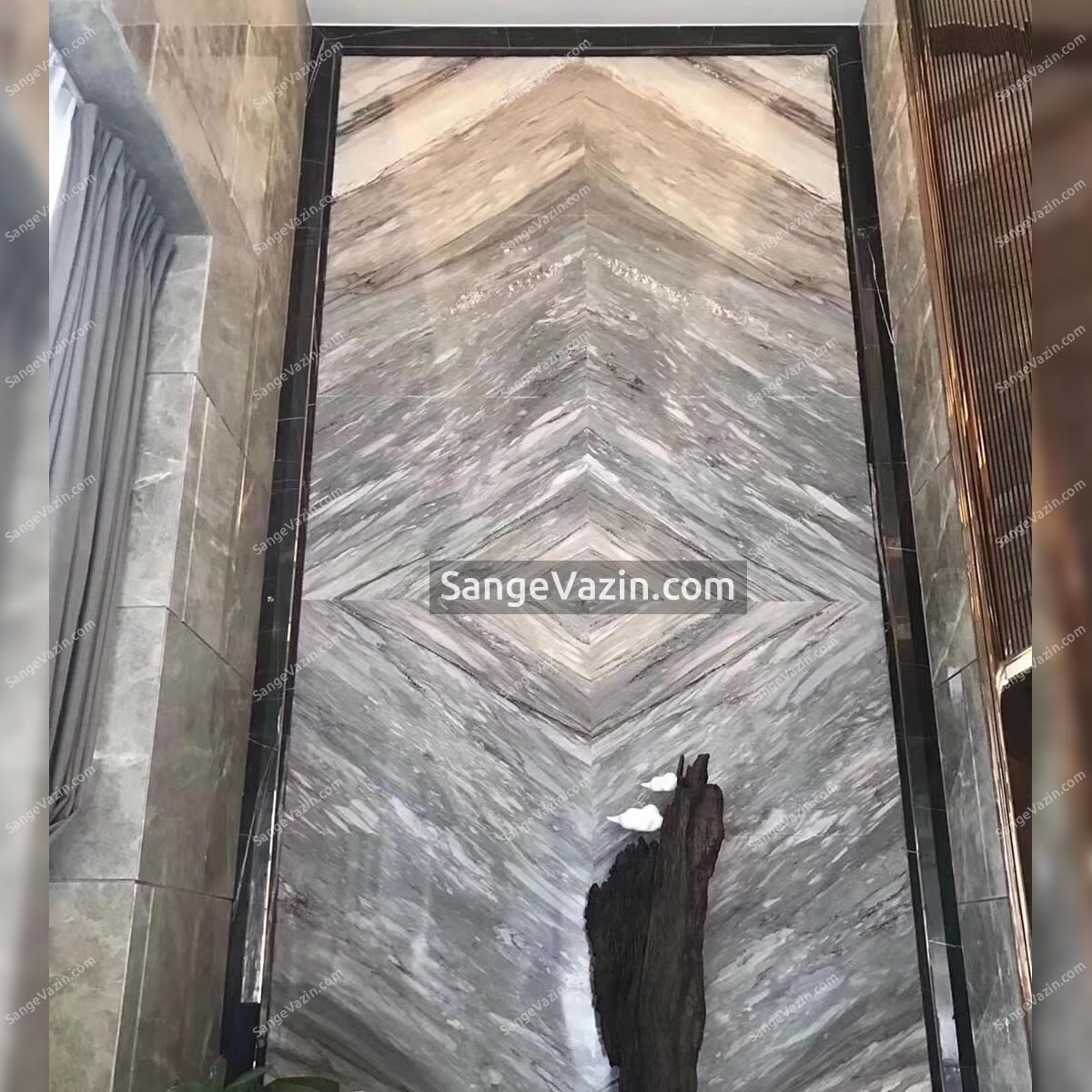
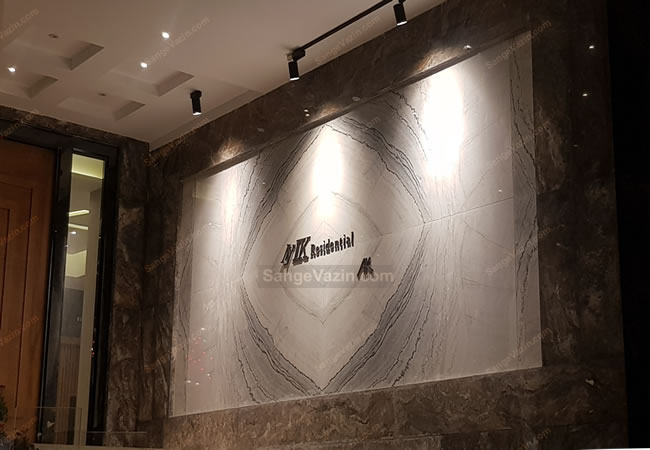
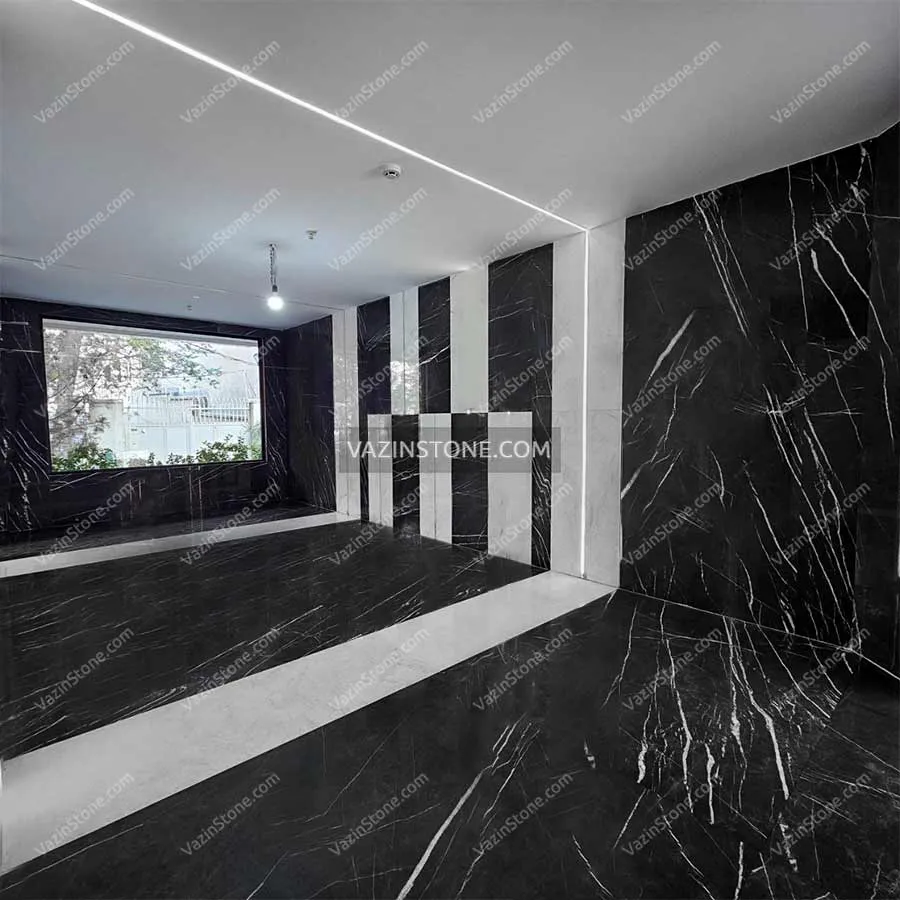
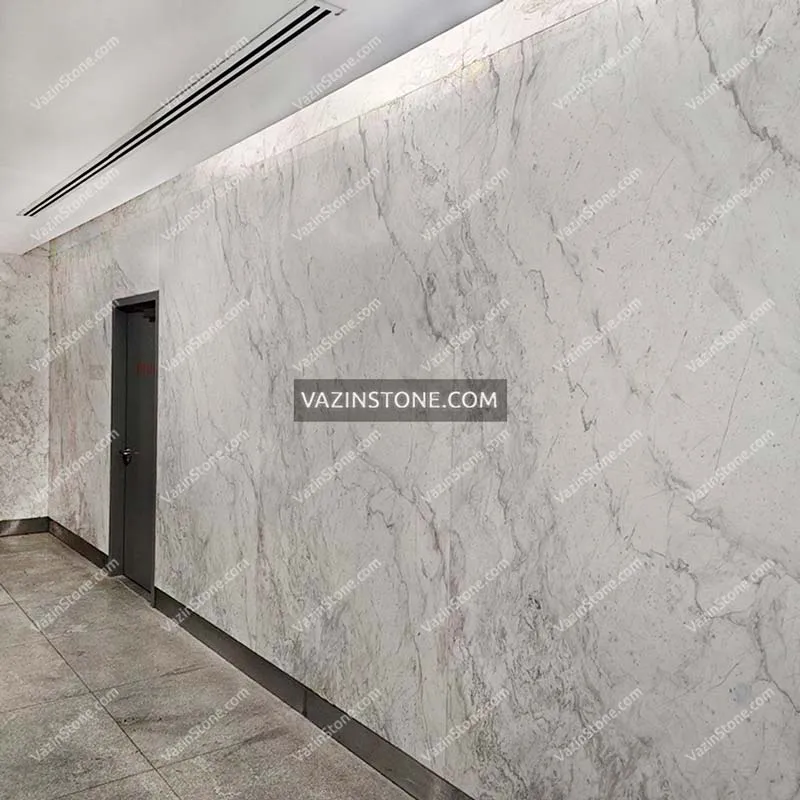
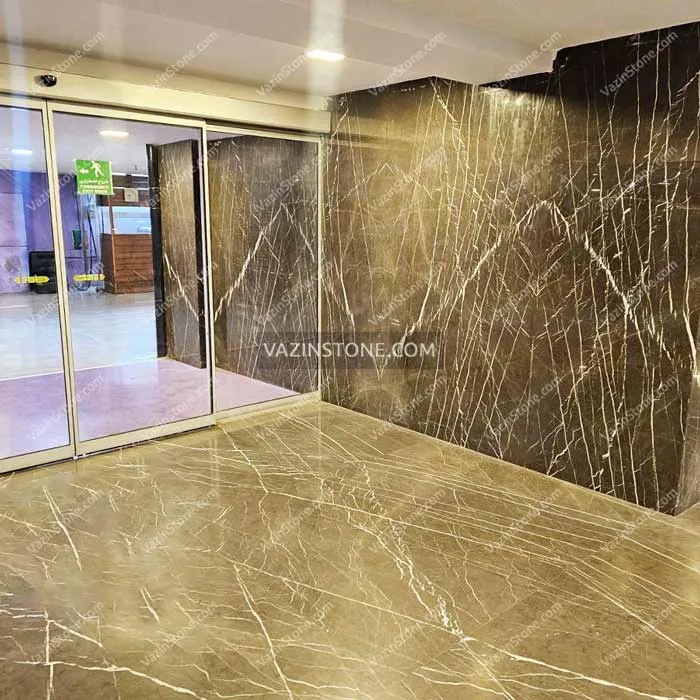
The wall covering lobbies in residential or commercial complexes or hotels is significant due to its location in the first part of the building. Therefore, the best type of stone for these parts should be considered. The best and most beautiful stone for the wall is undoubtedly slab stones. With its large dimensions, slab stone accentuates the natural beauty of its veins and texture, presenting a stunning work of nature’s artistry. Its aesthetic appeal can be enhanced through techniques like book-matched and four-matched, or backlit.
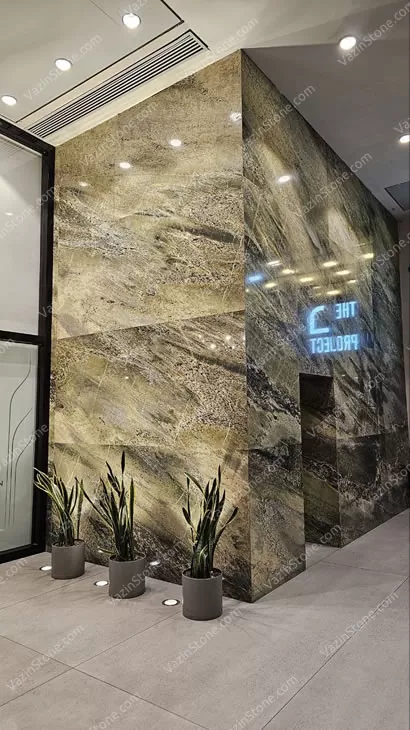
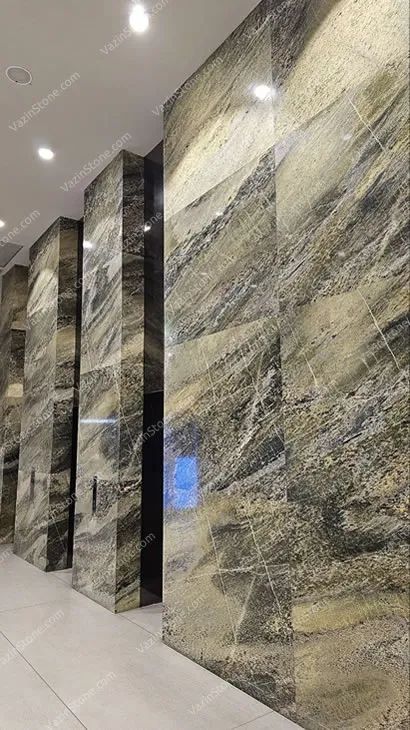
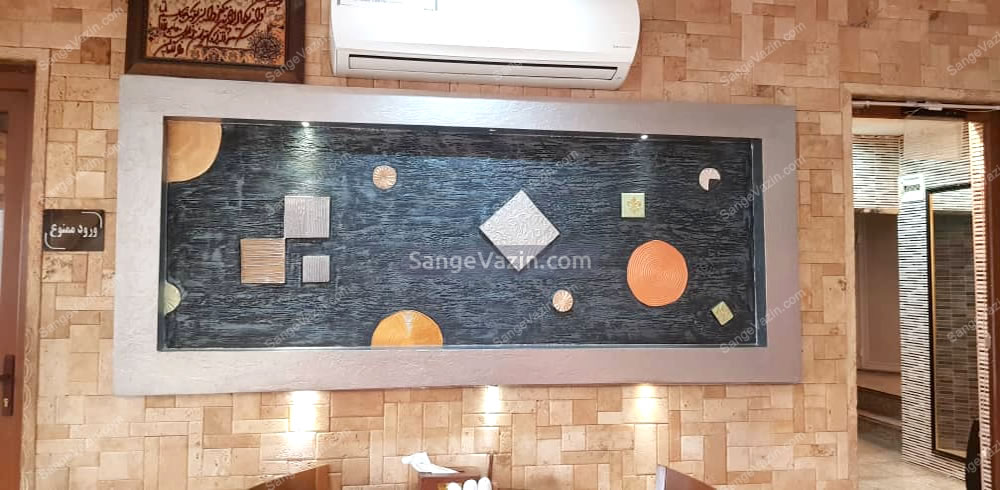
Lobby Wall Stone Gallery
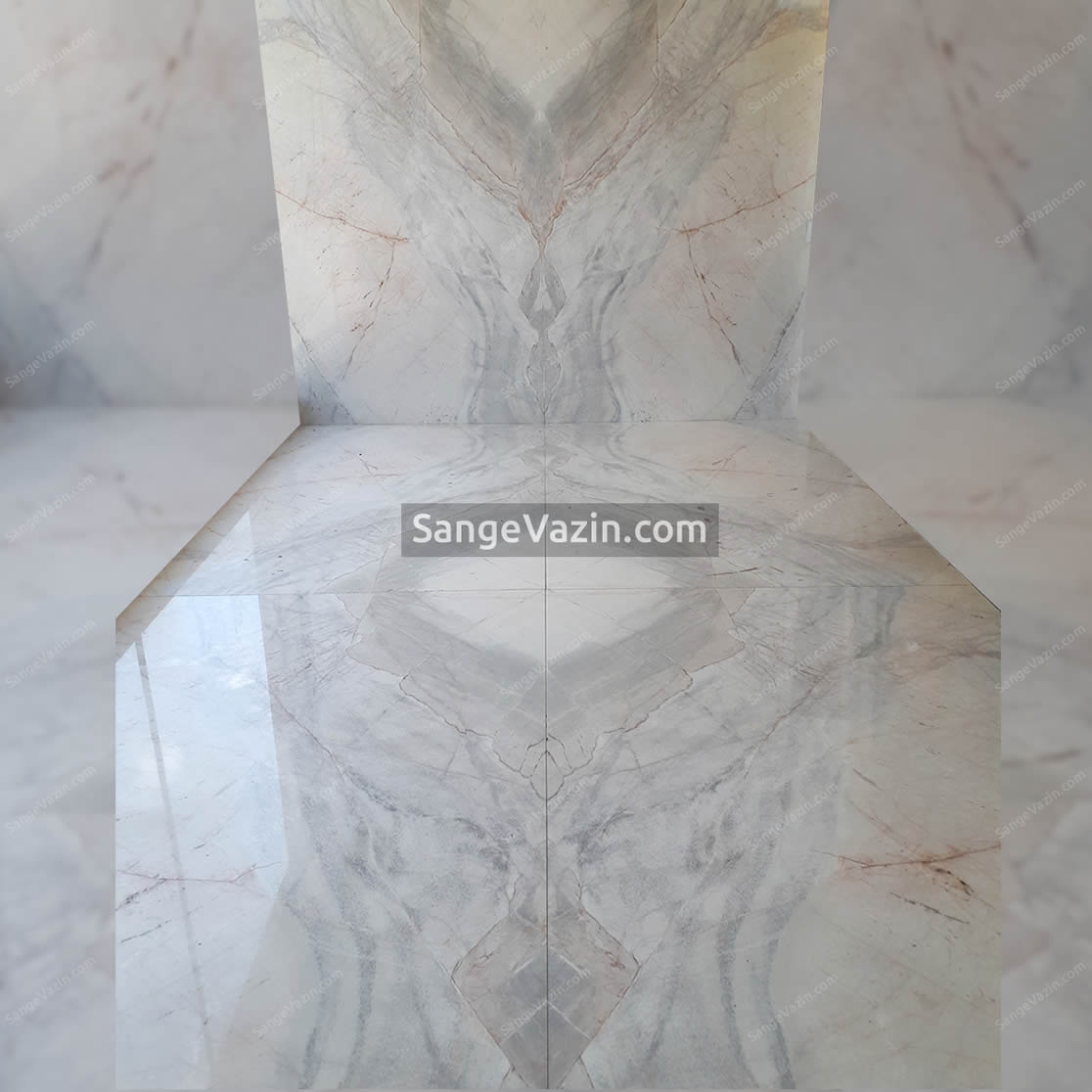
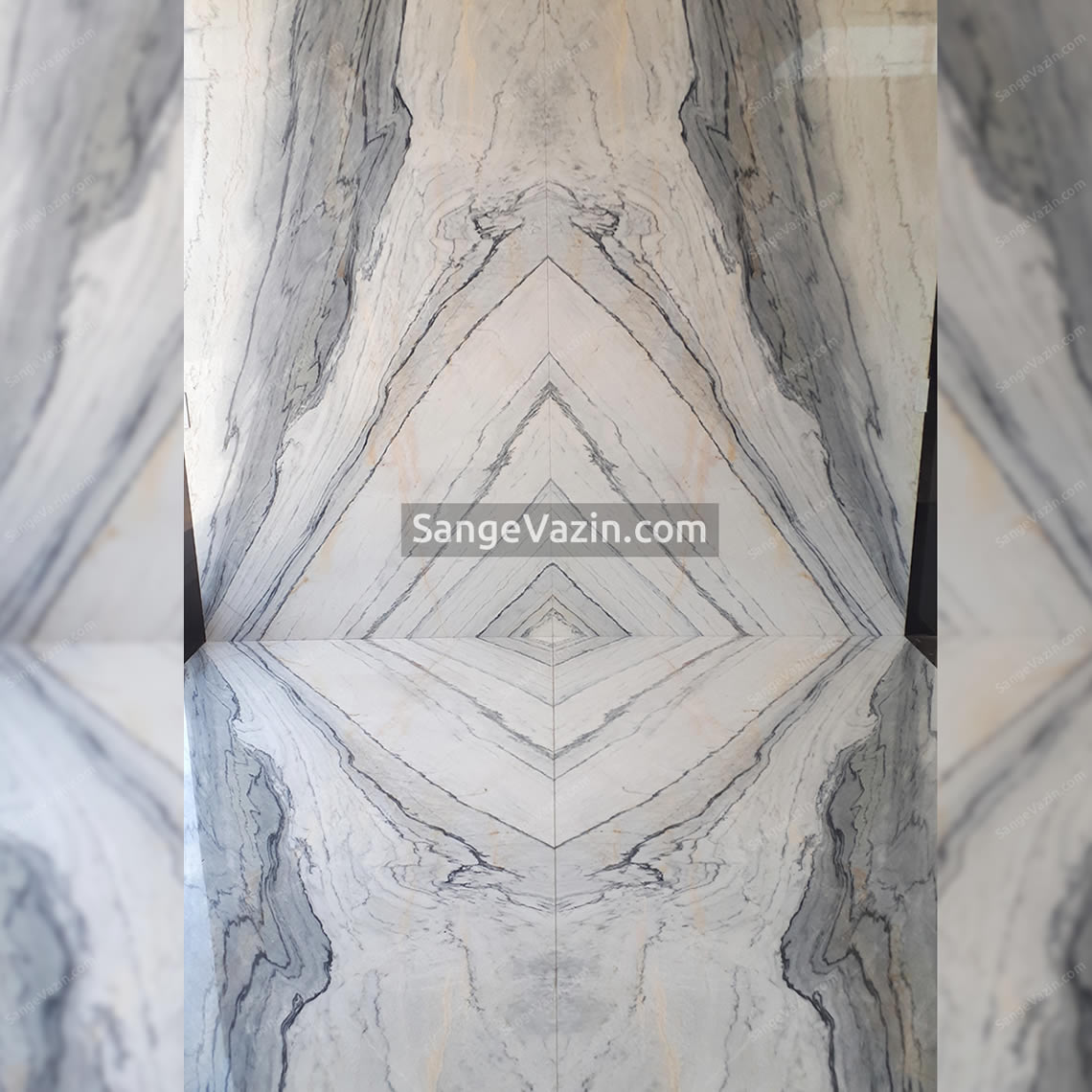
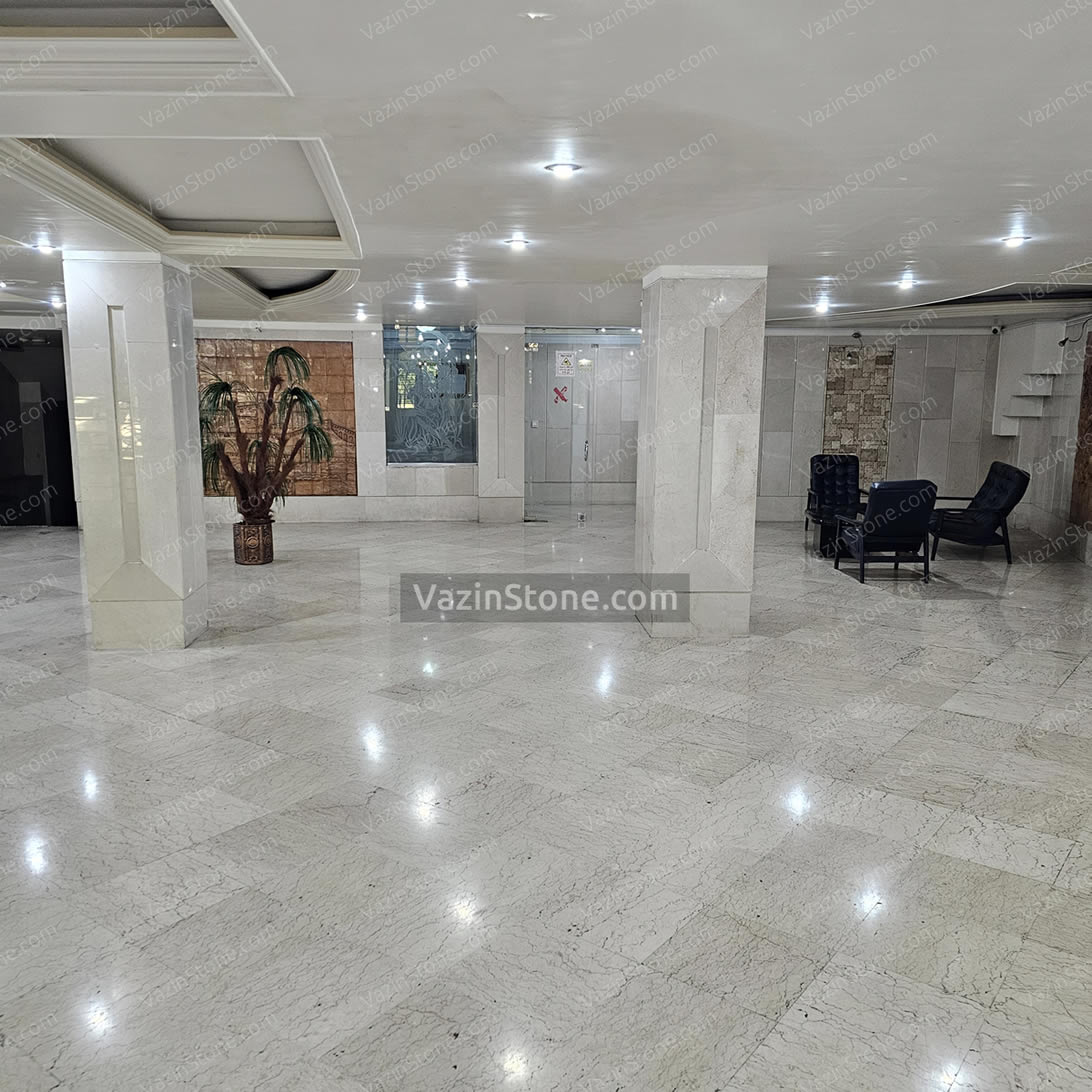
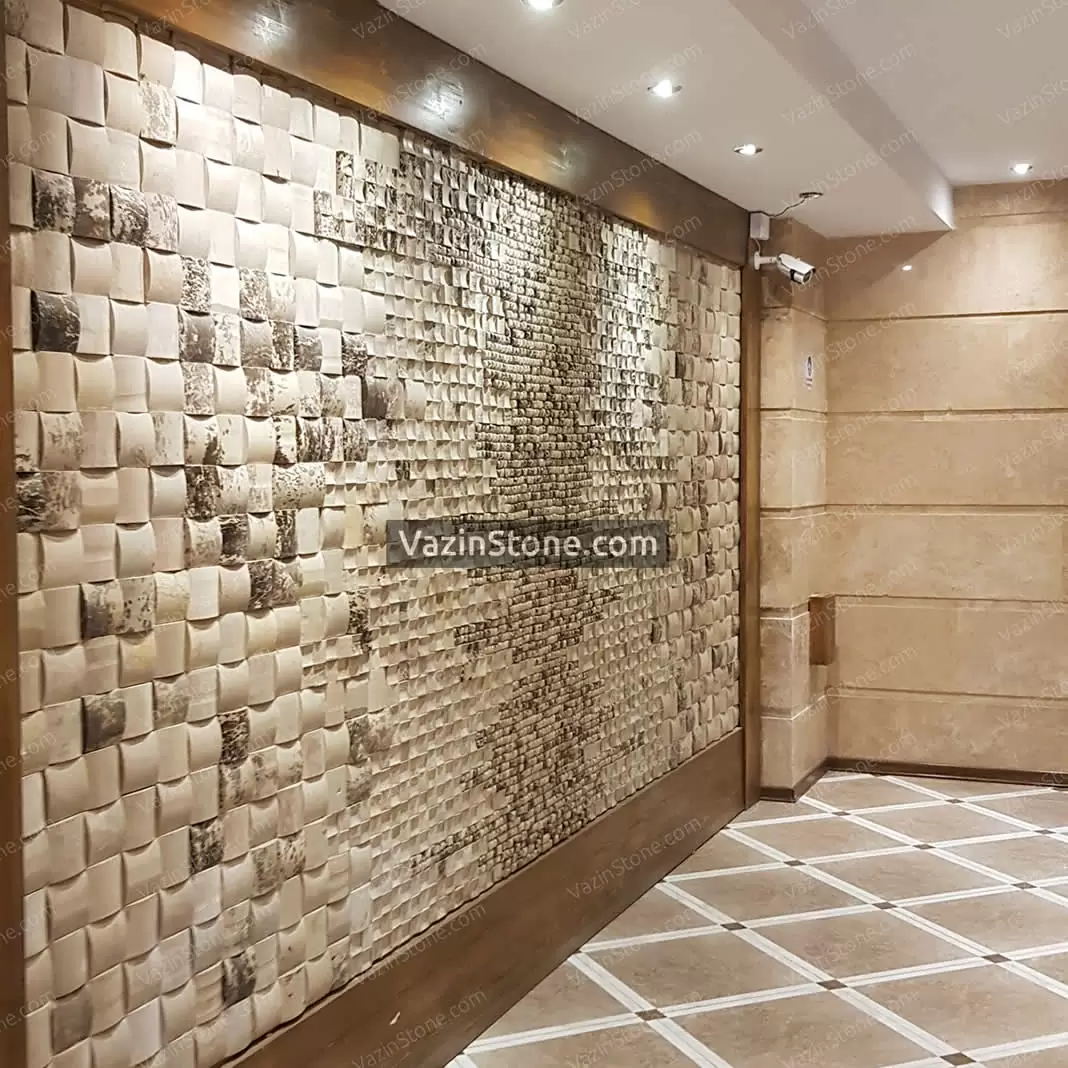
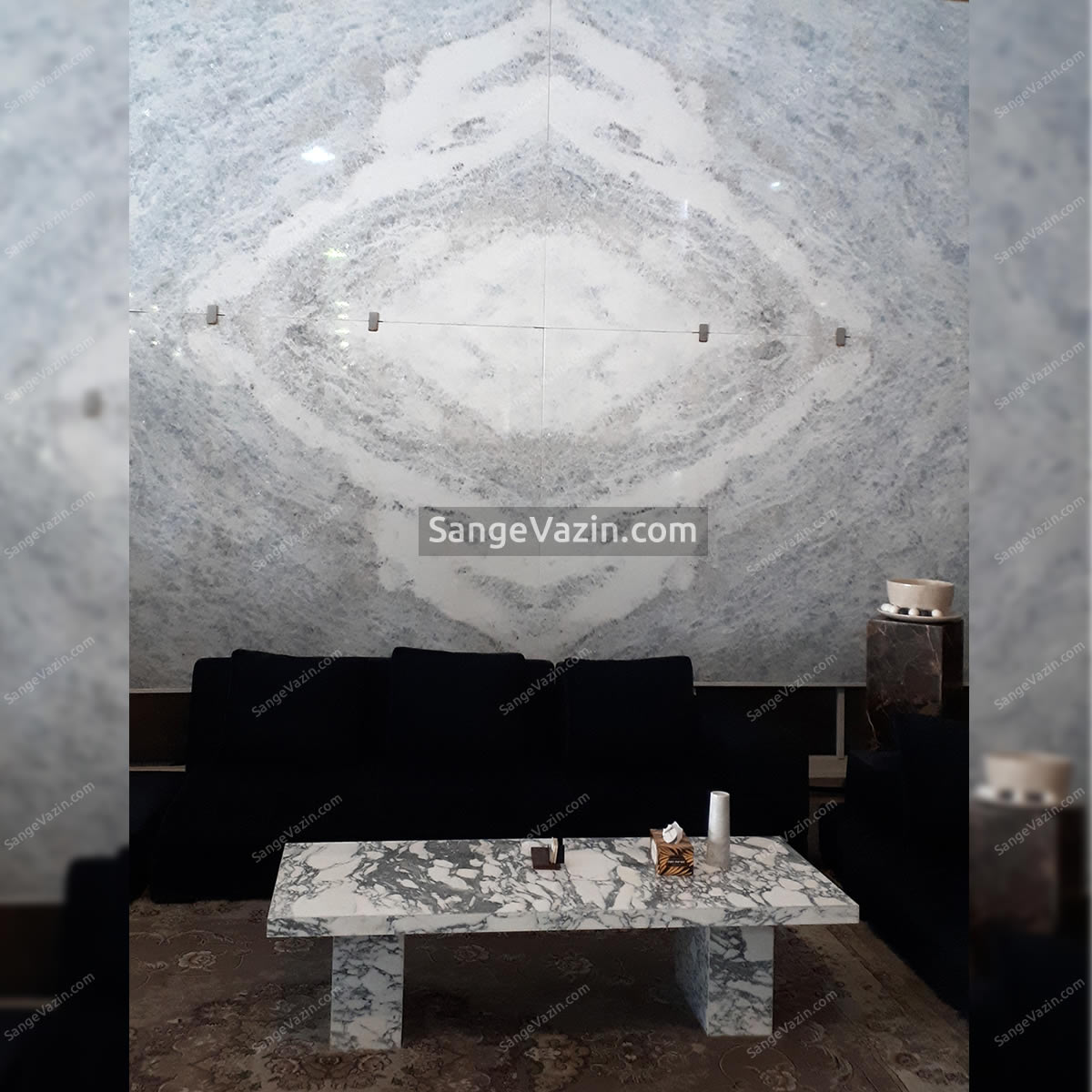
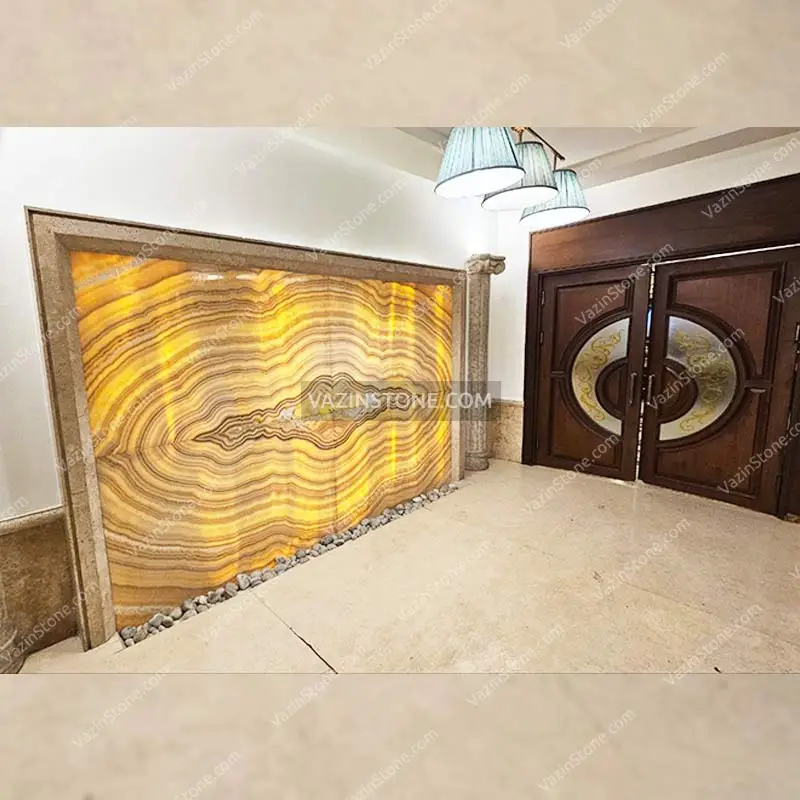
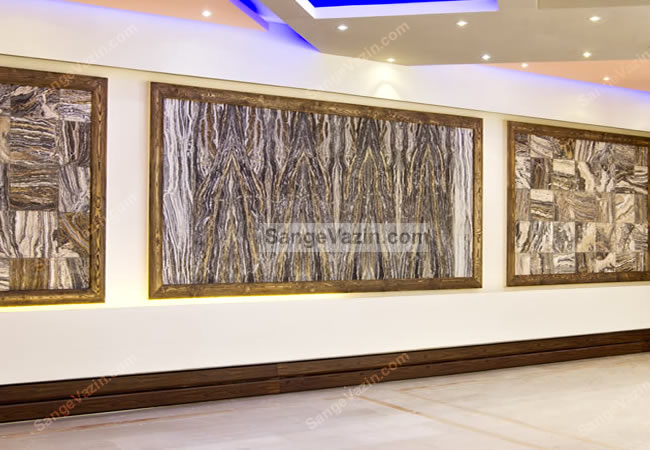
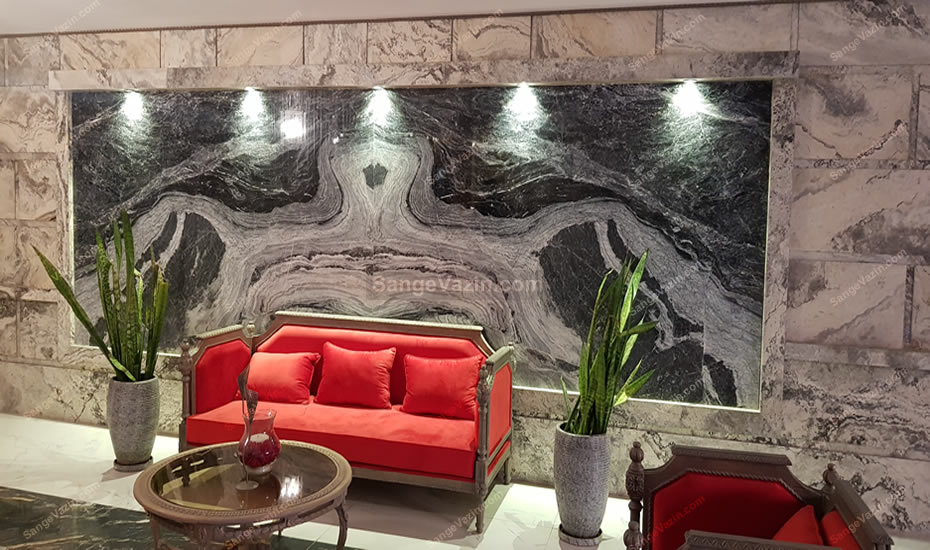
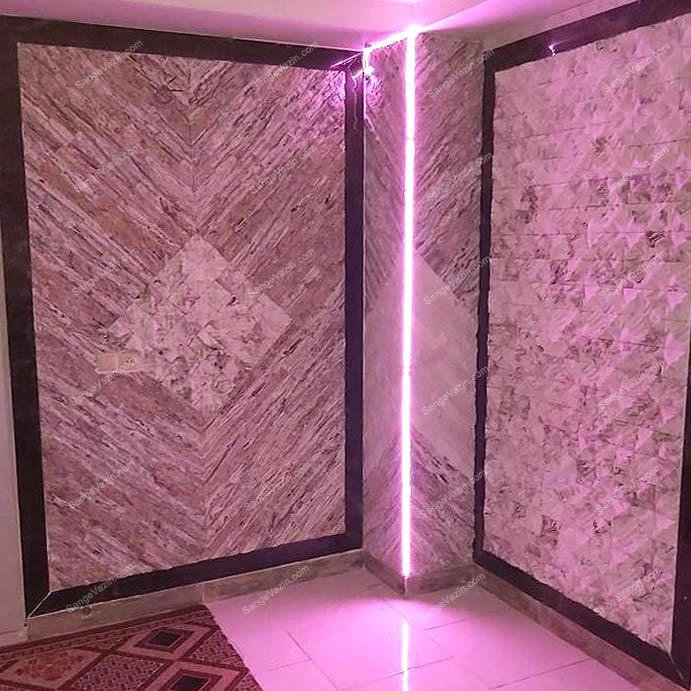
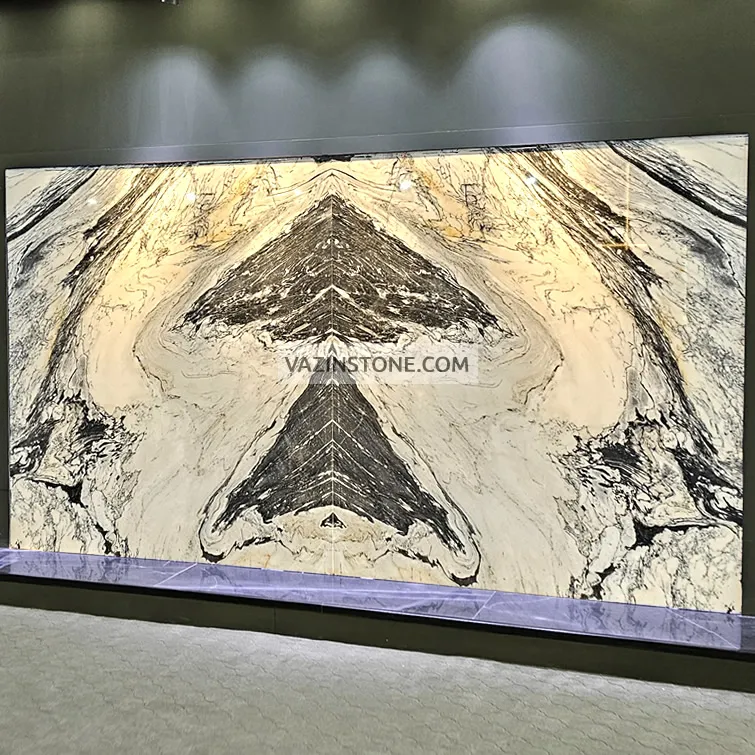
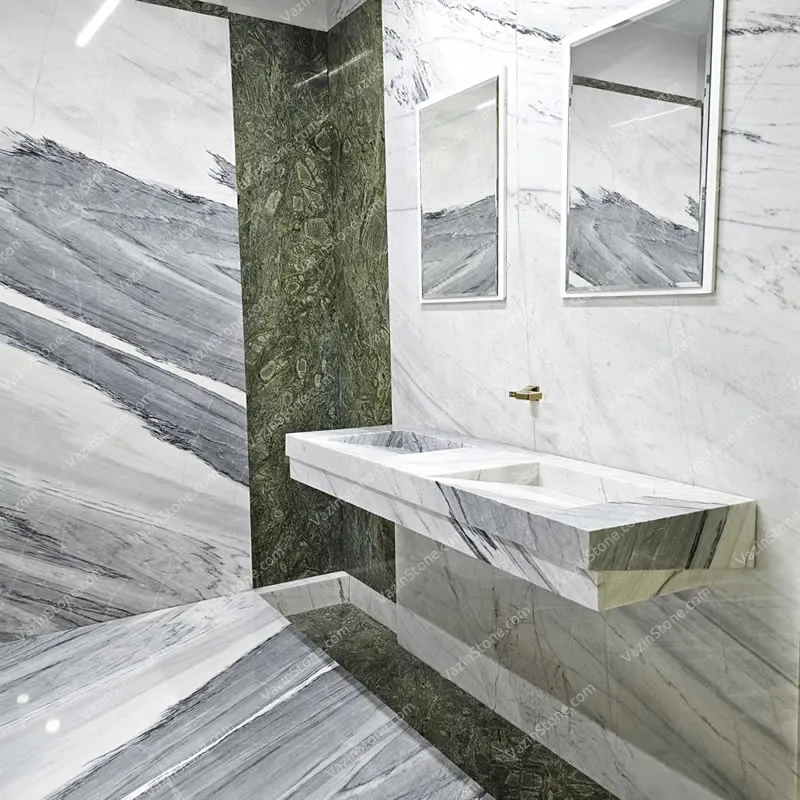
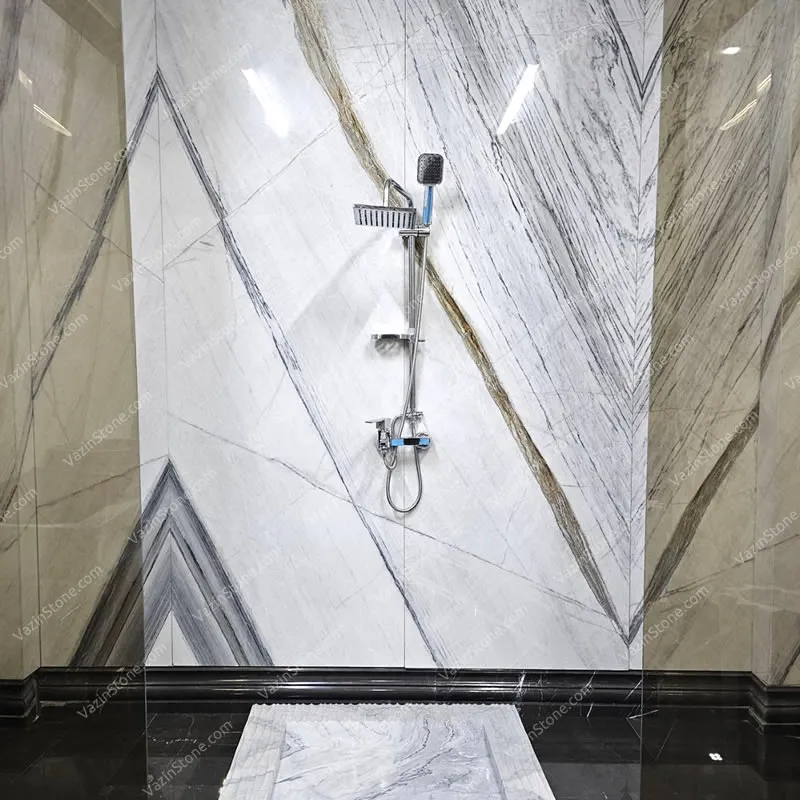
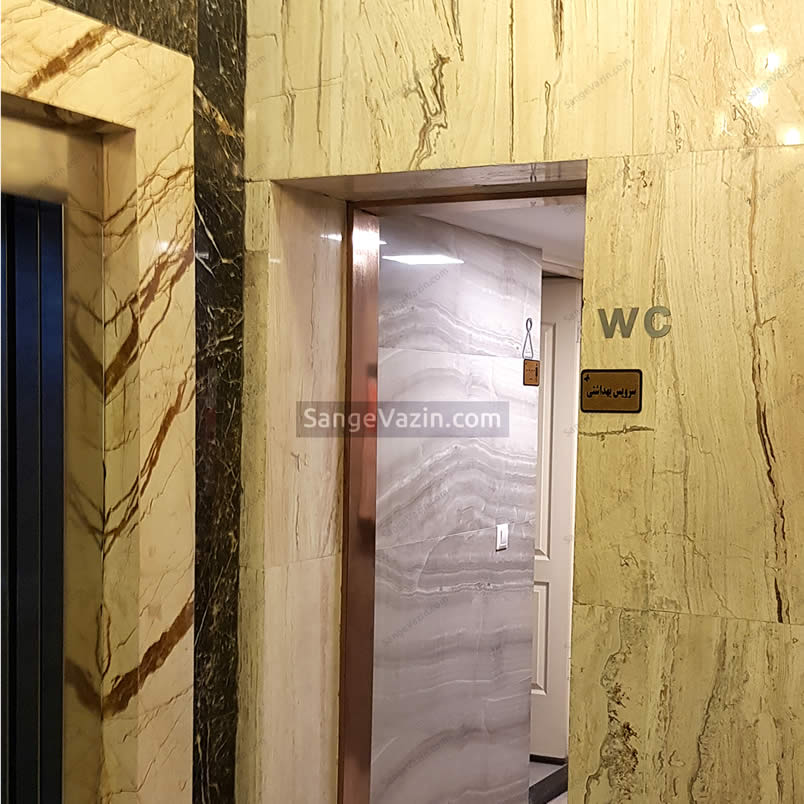
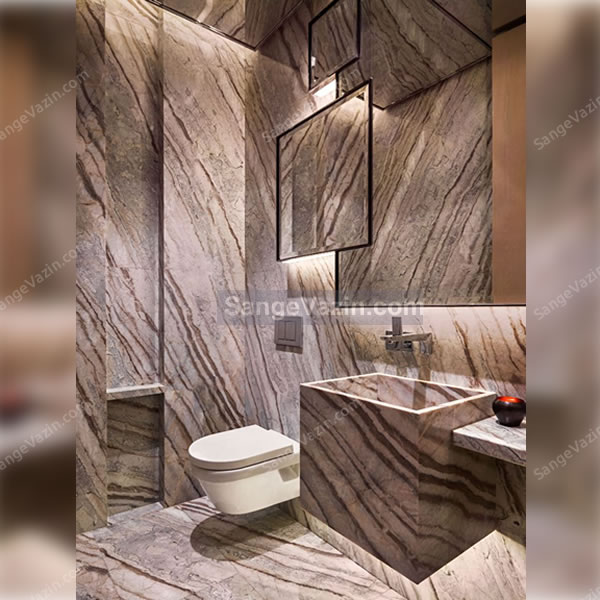
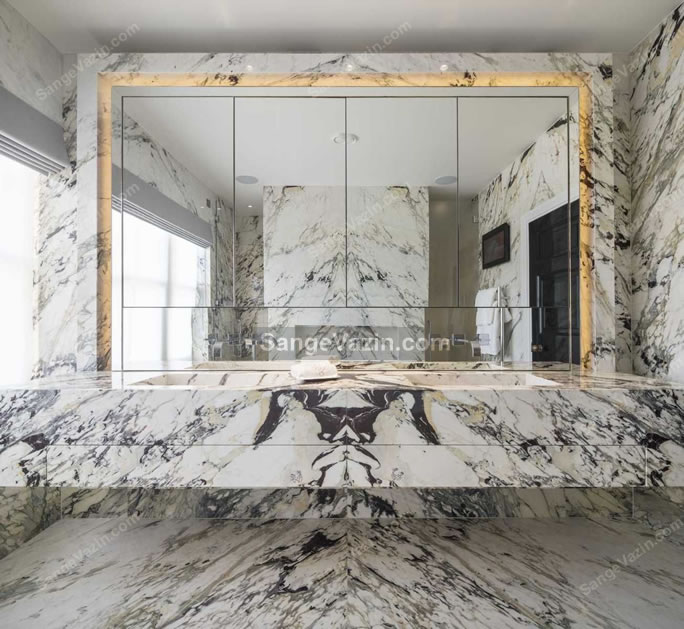
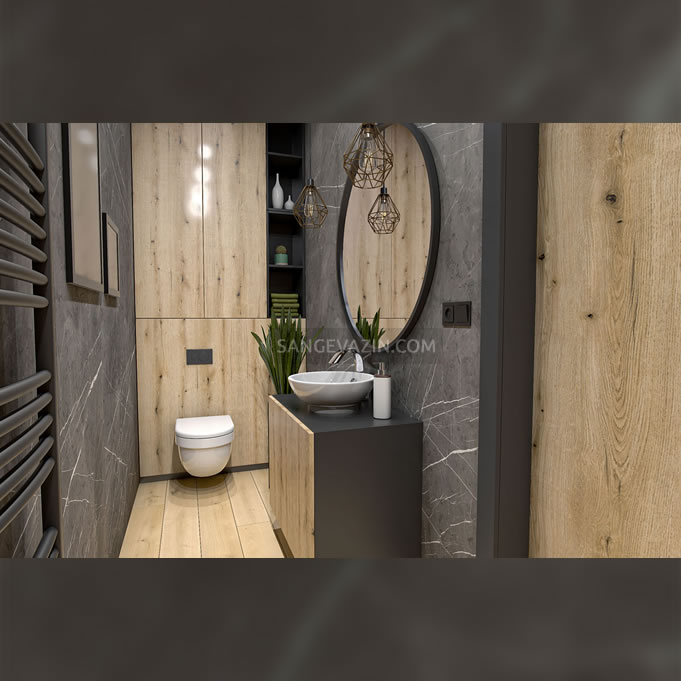
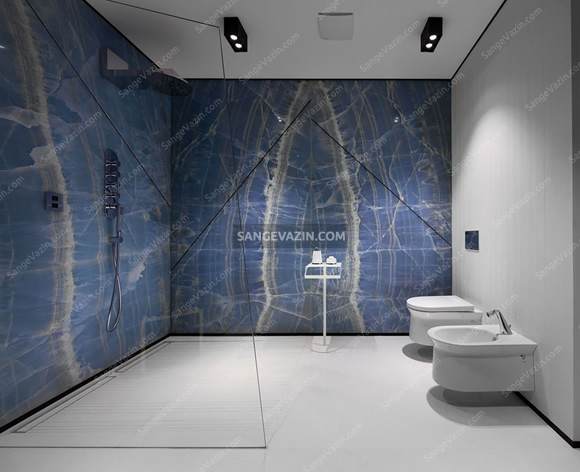
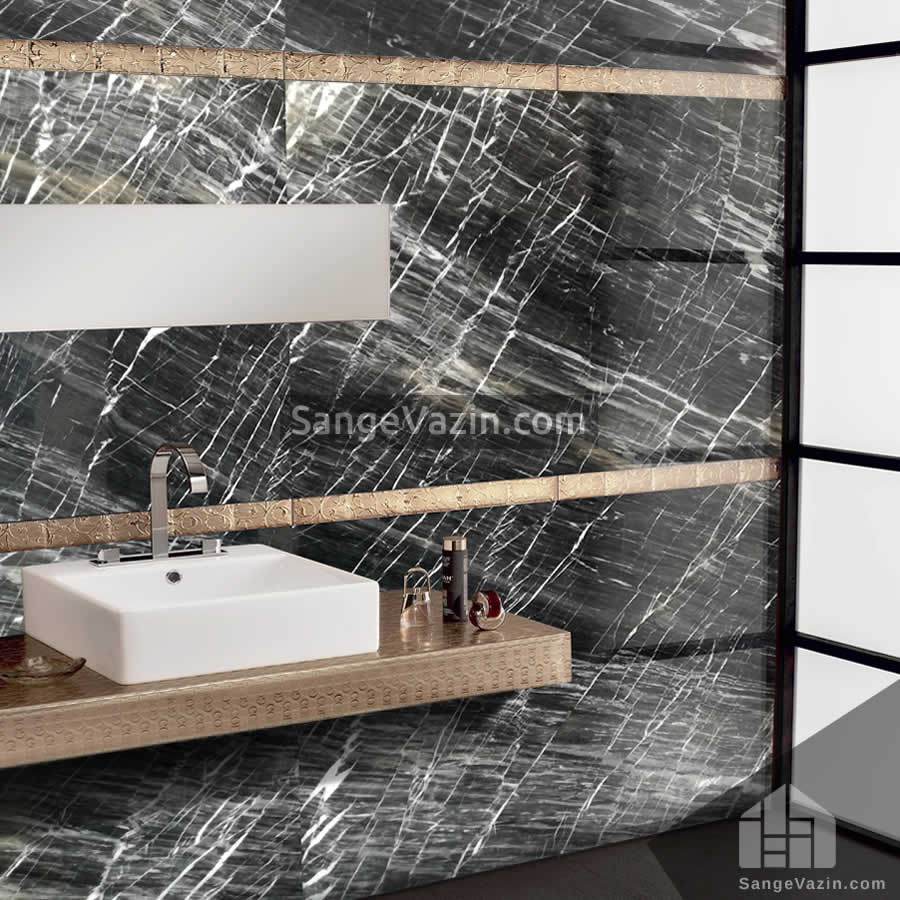
Bathroom Wall Stone
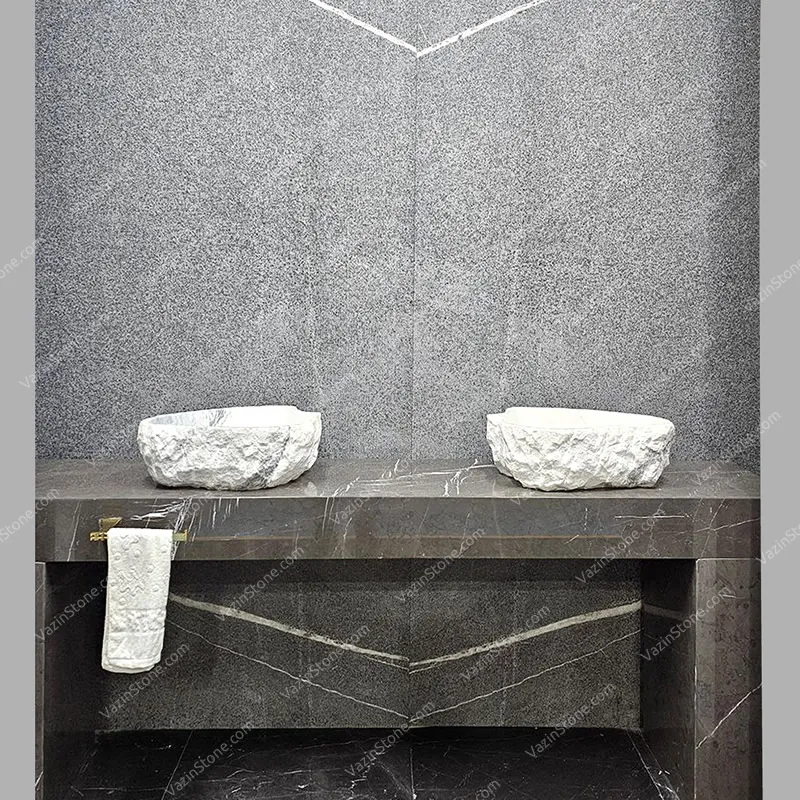
In recent years, the use of stone in bathrooms and restrooms has declined considerably. This can be attributed to the benefits offered by ceramic stone. Ceramics have outperformed stones, offering a superior choice due to their extensive range of patterns, vibrant color options, and economic viability. Nevertheless, the natural beauty of stone, with its unique patterns, striking colors, and customizable dimensions, remains unmatched.
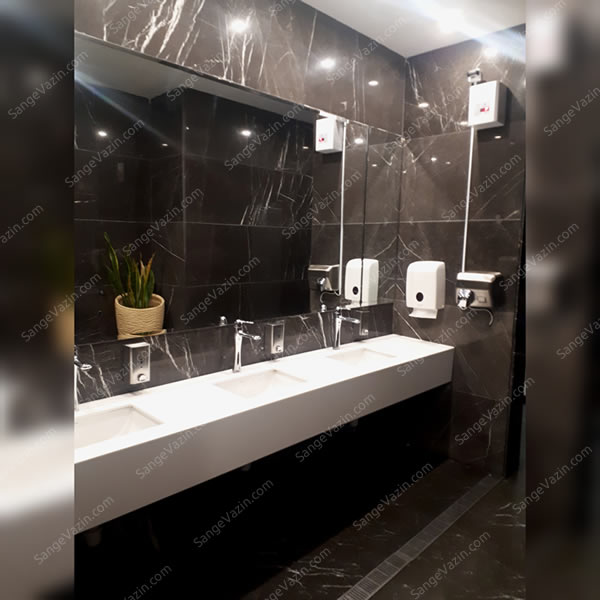
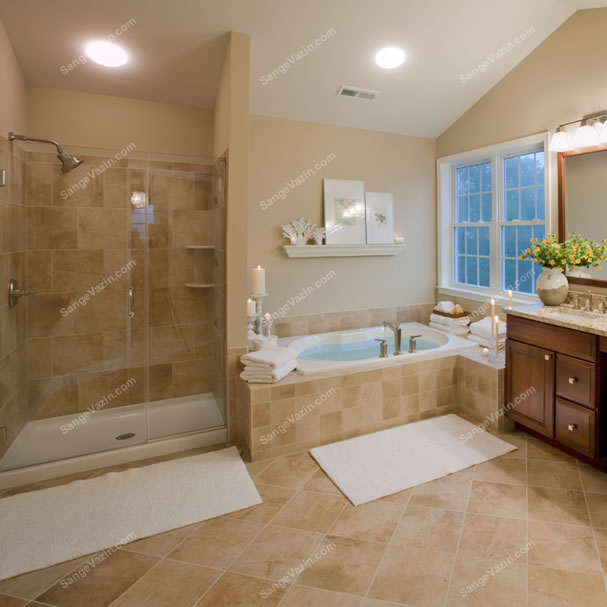
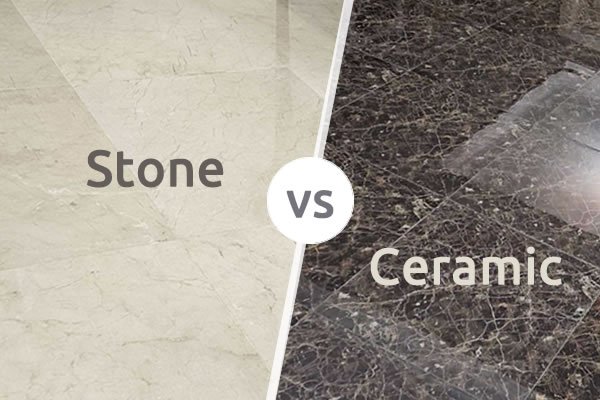
Read the following article:
Staircase Wall Stone
Staircases in buildings are considered part of the interior space. Therefore, since they are not exposed to outdoor conditions, weather changes, and other environmental factors, a wider range of stones can be used for staircases. Among the most popular options are marble and crystal marble stones. With their excellent polishability, glossy and almost uniform surface, and wide range of colors, marble and Crystal marble stones are an excellent choice for use on staircase walls.
Travertine stone also offers similar advantages, except for the wide variety of colors and patterns found in marble, and its surface is not as uniform in color as marble. Its advantage over marble is its lighter weight, which is due to its higher porosity.
Light-colored limestone is a cost-effective choice for use on stairway walls. However, it is important to note that it should not be exposed to moisture.
Basalt is also a suitable option for stairway walls in both interior and exterior spaces. Thanks to its distinctive characteristics and exposed-concrete-like appearance, this stone has recently gained considerable attention among builders and architects.
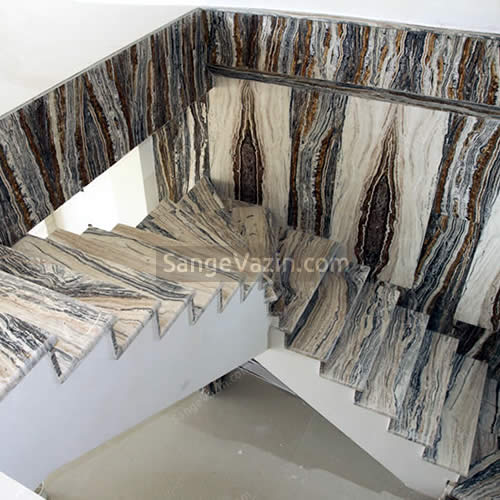
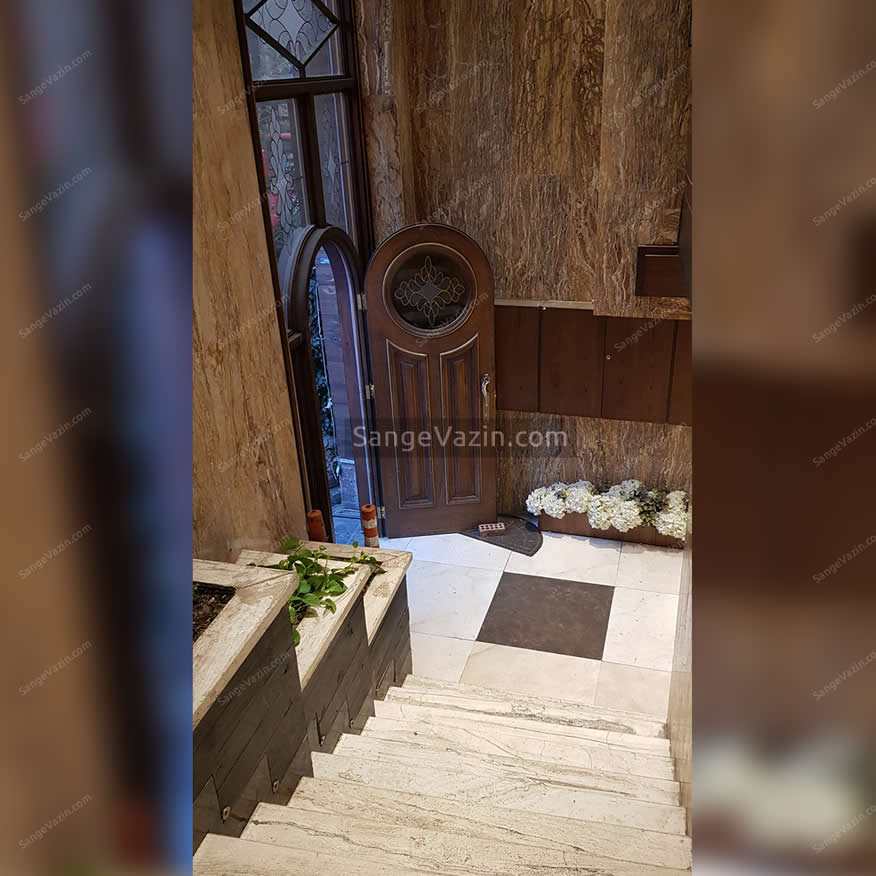
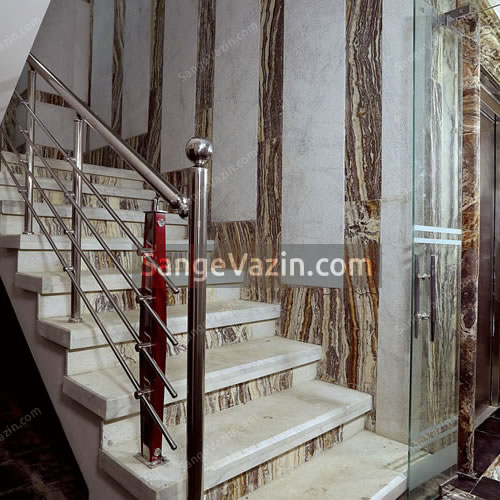
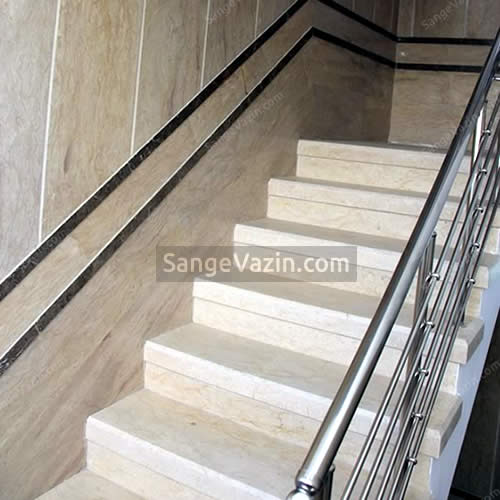
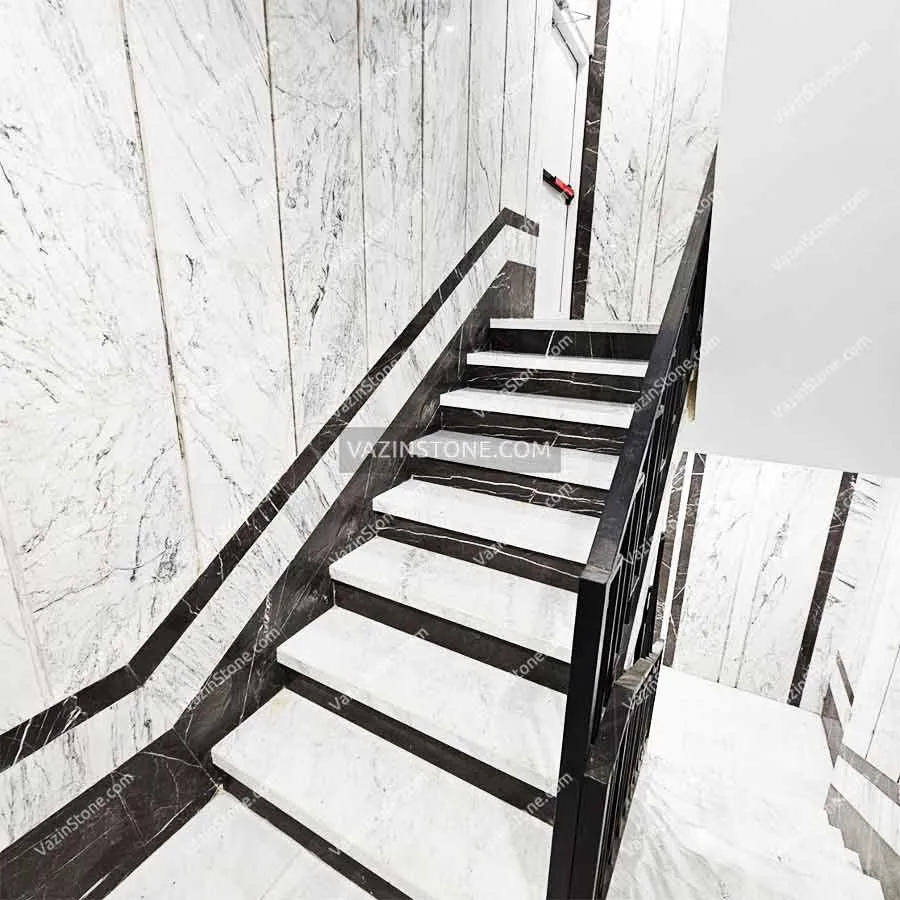
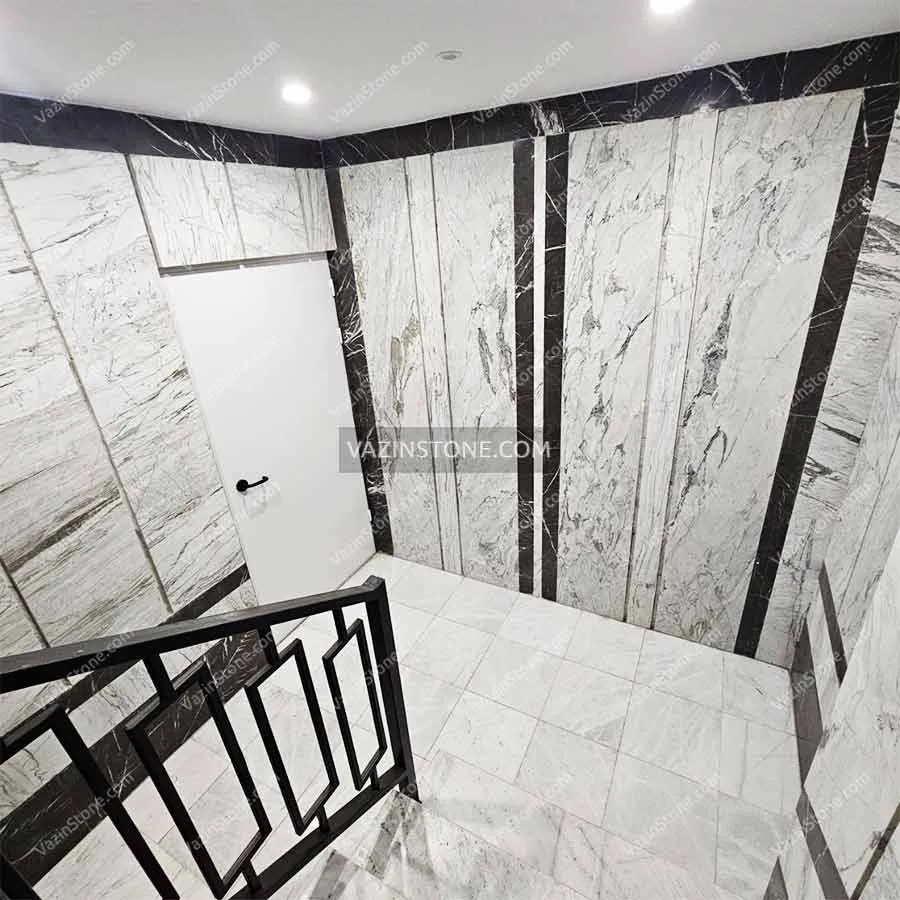
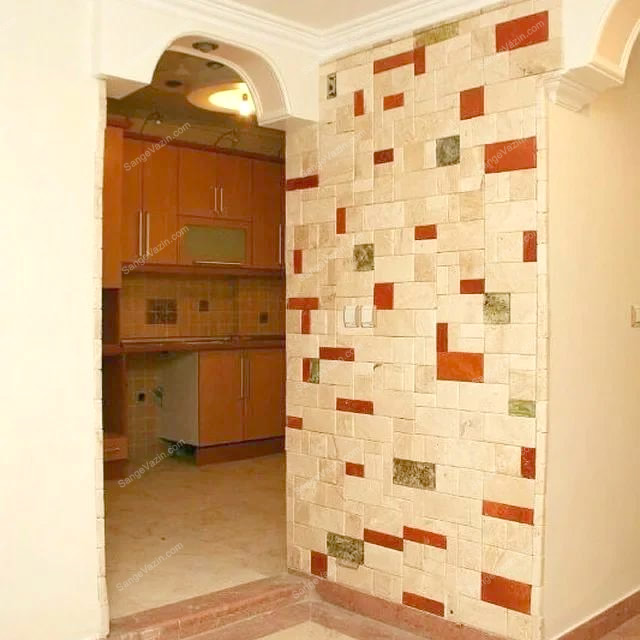
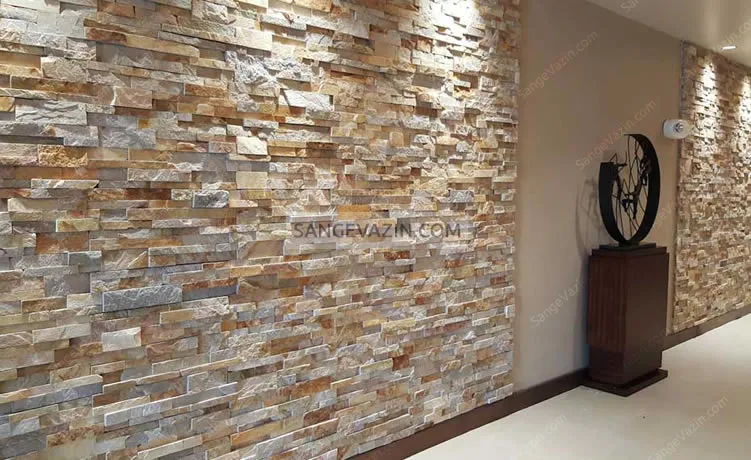
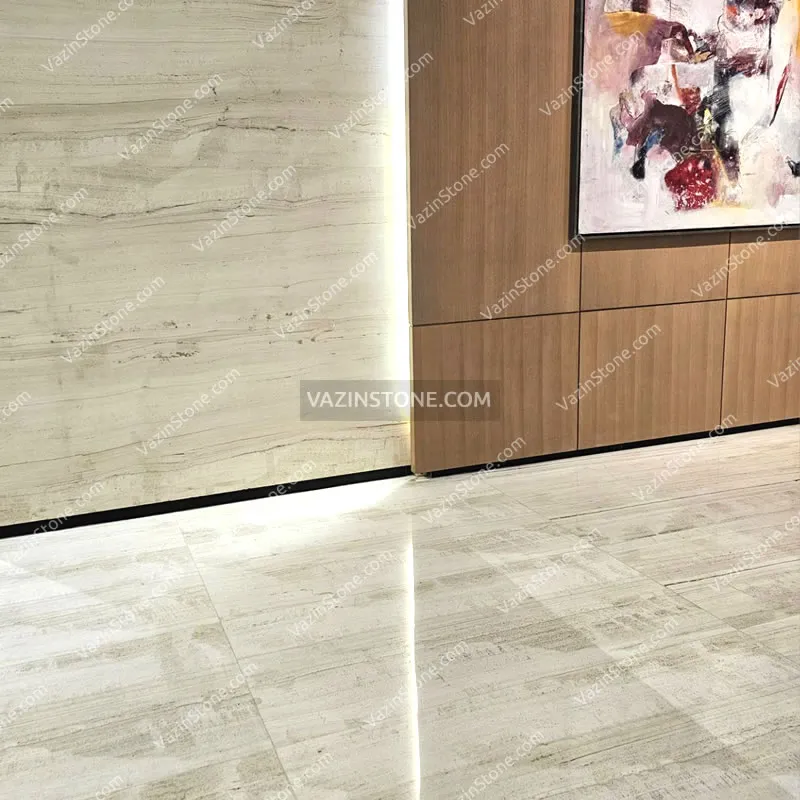
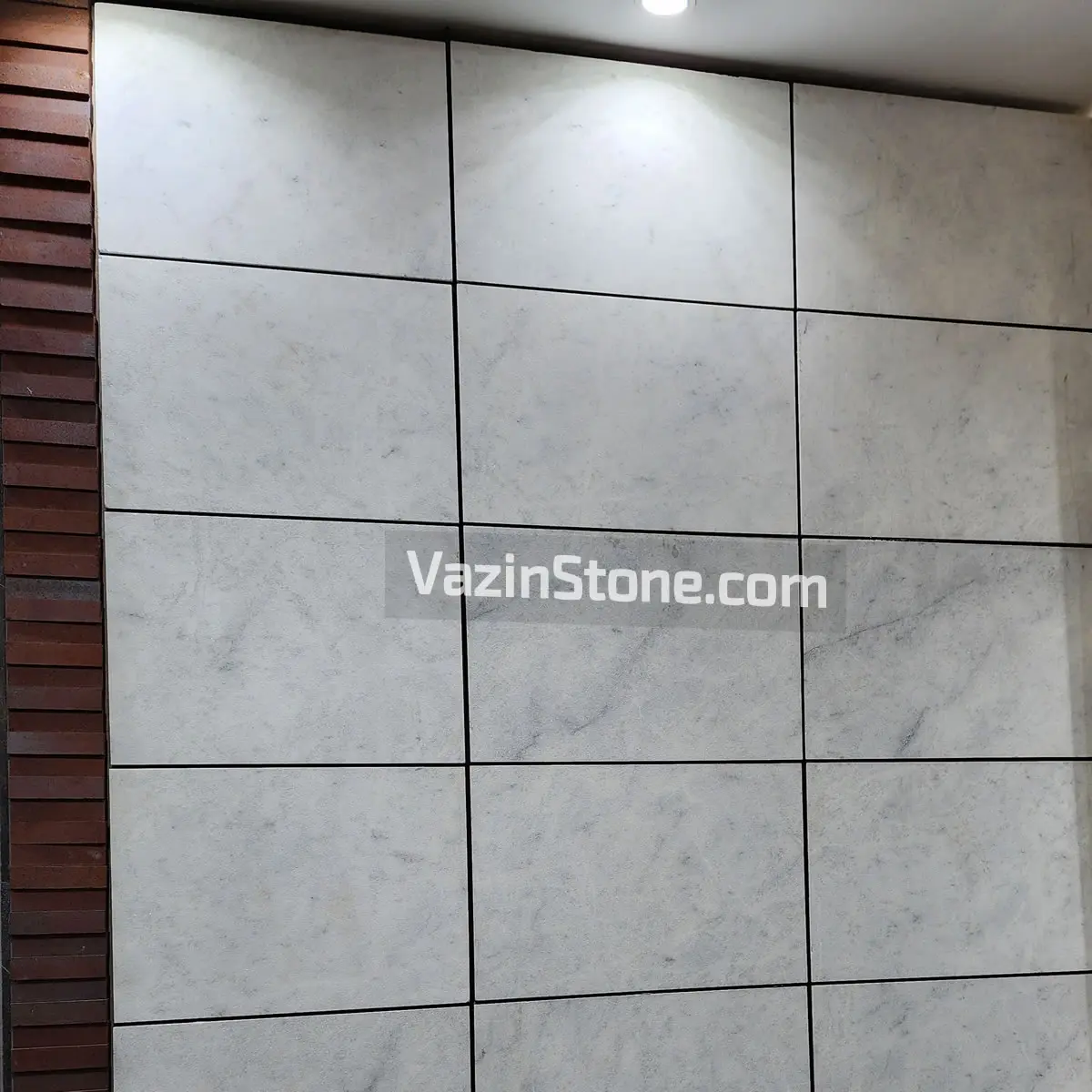
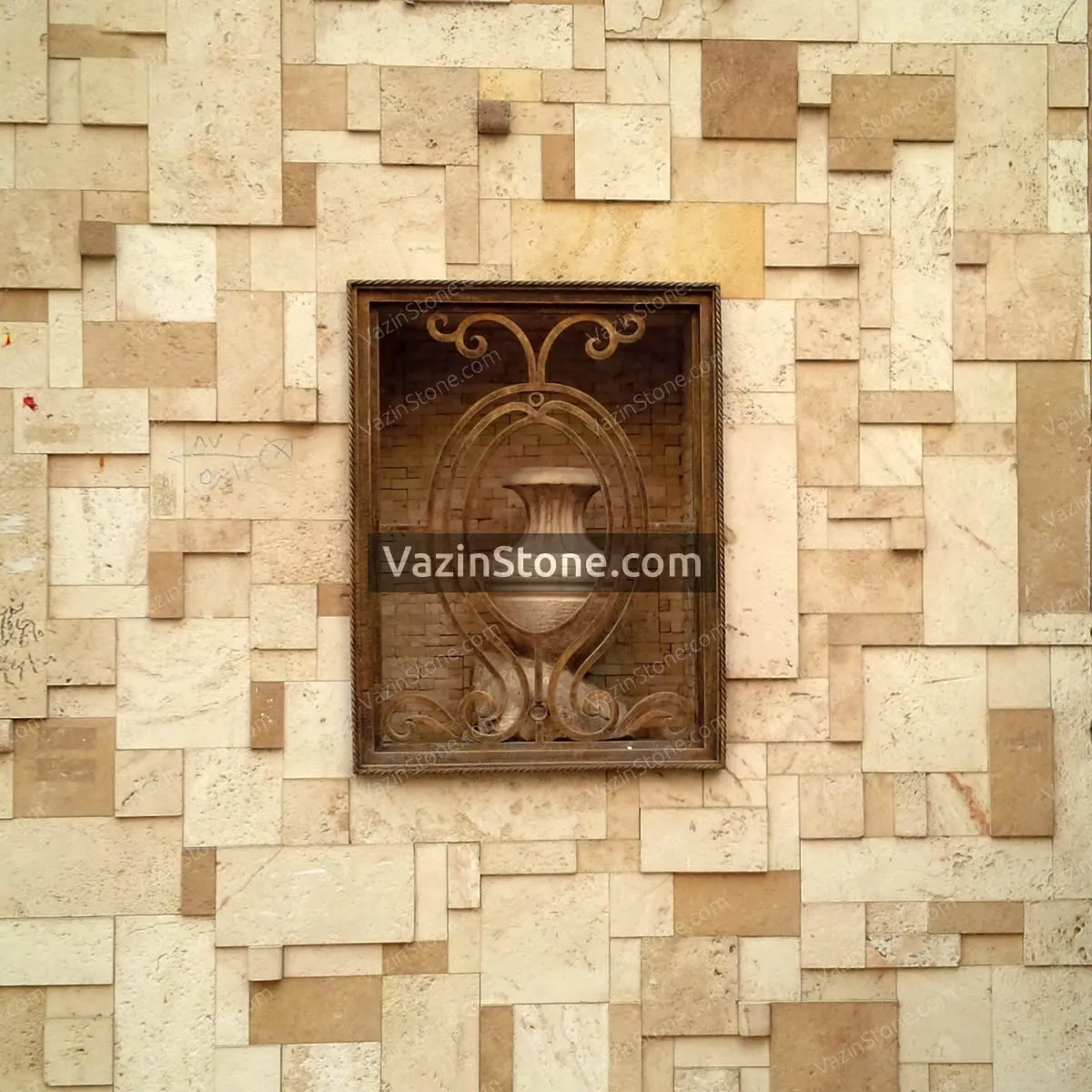
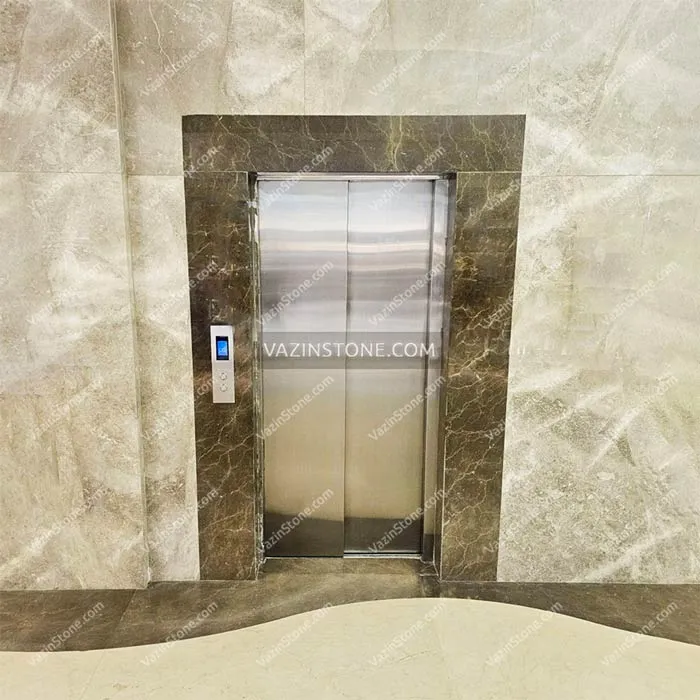
Interior Wall Stone Gallery
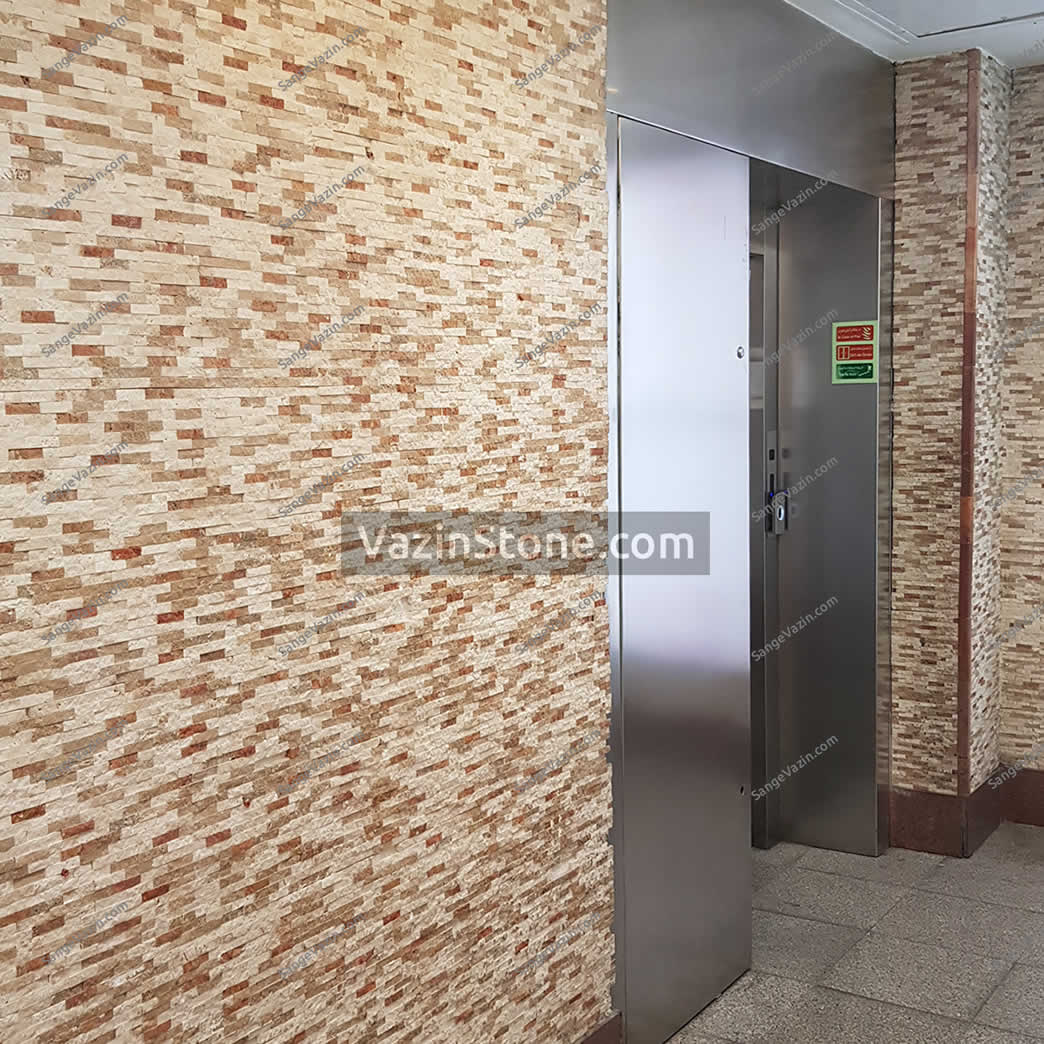
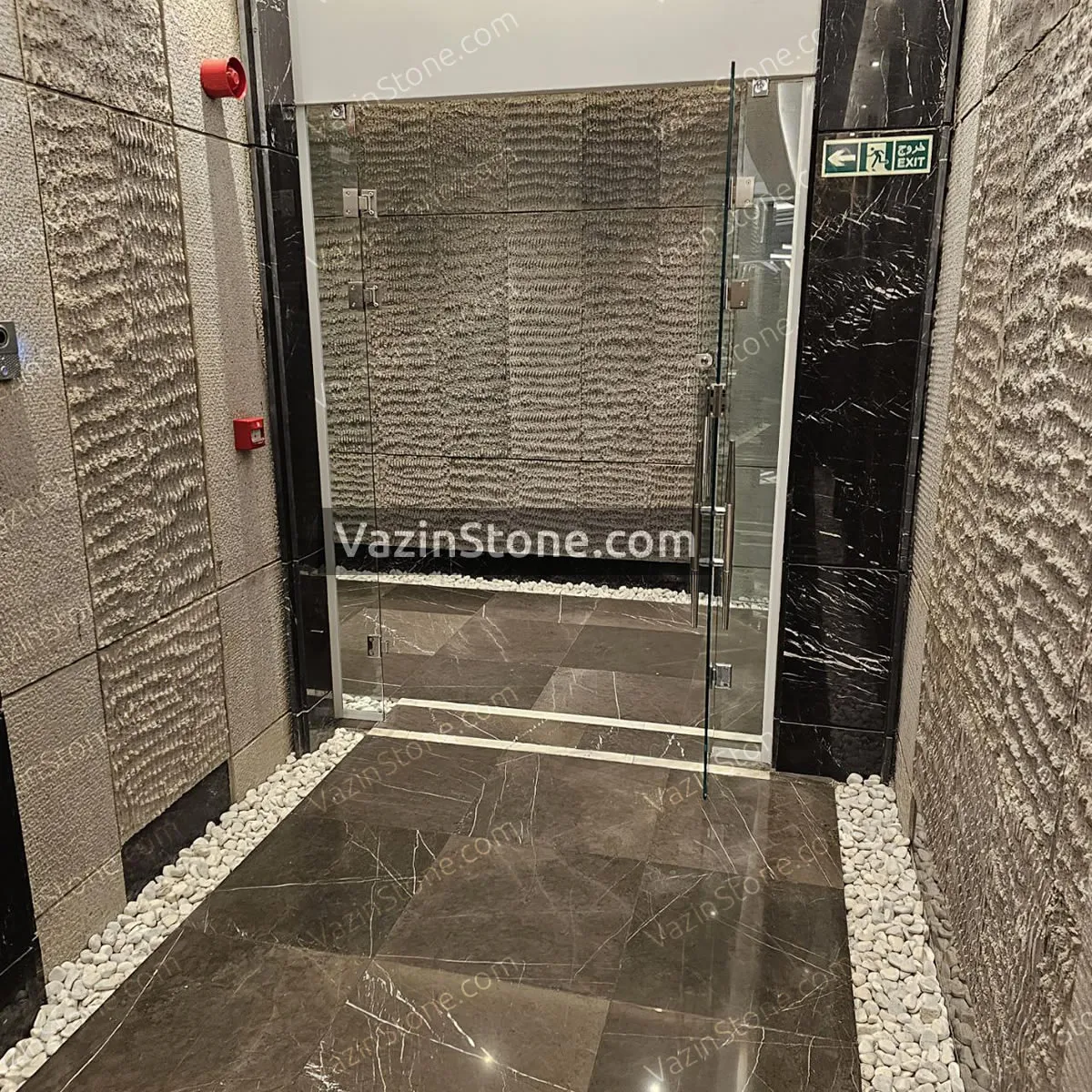
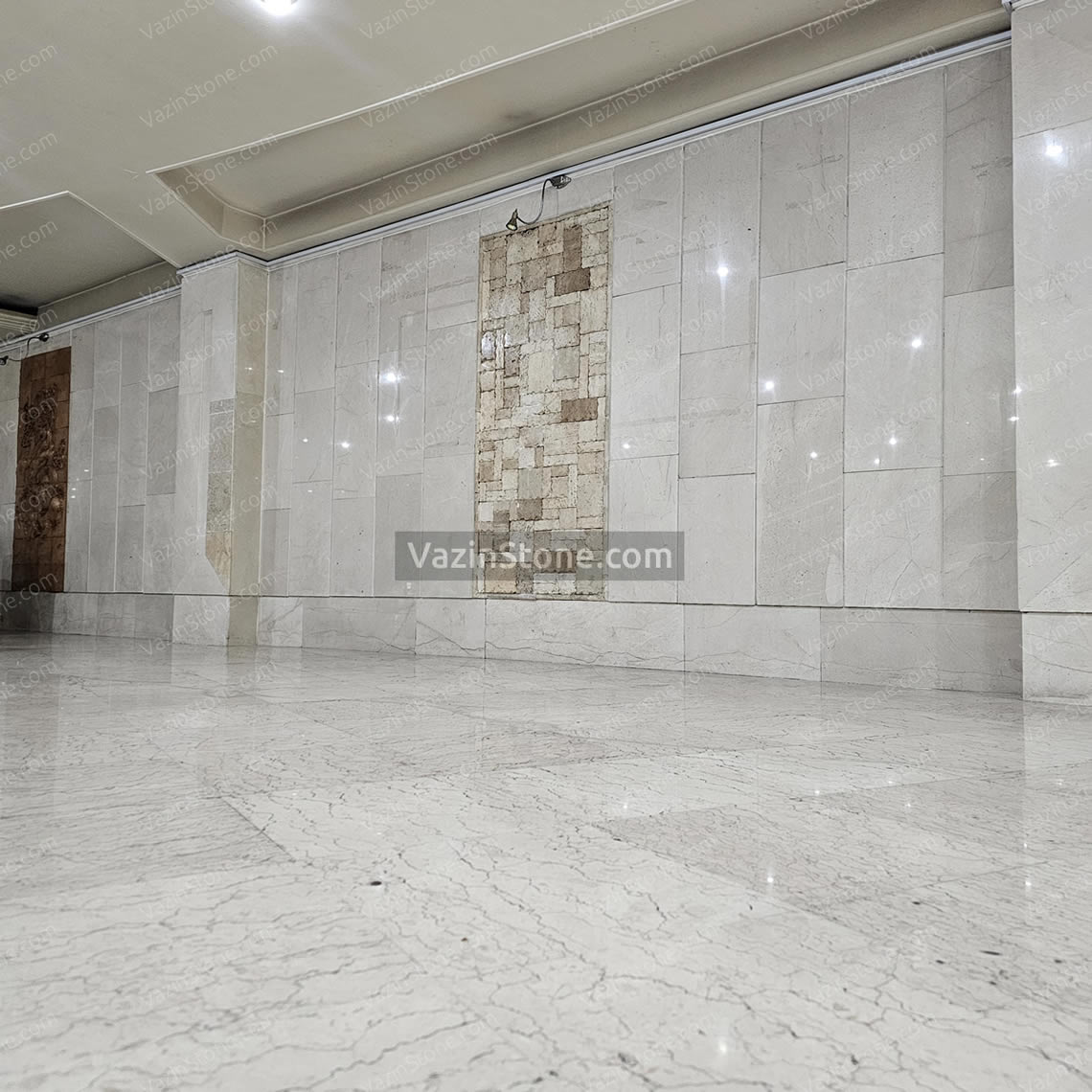
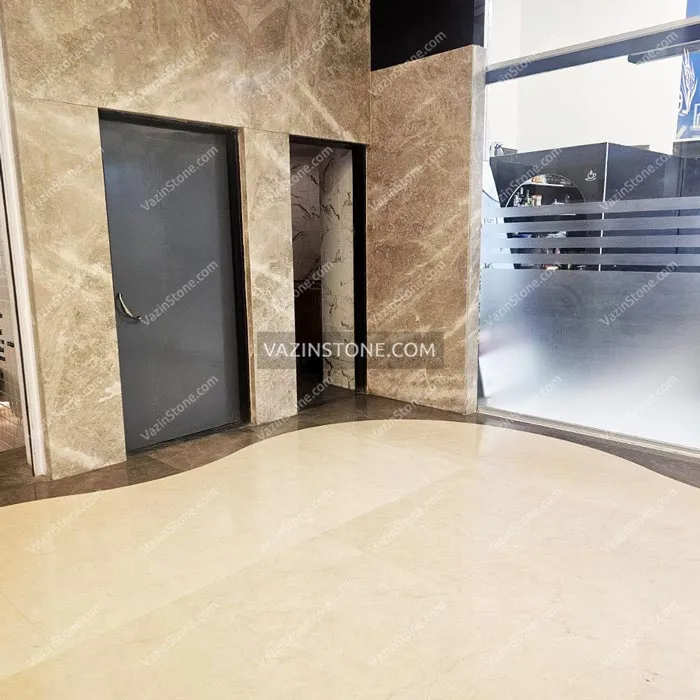
Decorative Interior Wall Stone
1/ Inexpensive decorative wall stone: Stacked stones can be placed on the walls of the living room, near the fireplace, or in between cabinets to create a stylish look when paired with a plain wall. These stones feature a rough surface in small rectangular forms and are available in various colors. Due to its affordability in comparison to other options, this stone has become a popular choice for decorative interior walls. Alternatively, if you’re seeking a cost-effective material that replicates the appearance of stone for wall decoration, PVC wall coverings (marble sheets) can also be utilized.
2/ Affordable decorative wall stone: Furthermore, choosing marble in a variety of patterns and colors, like book-matched and four-matched slabs, can result in a stunning aesthetic effect at a relatively affordable cost.
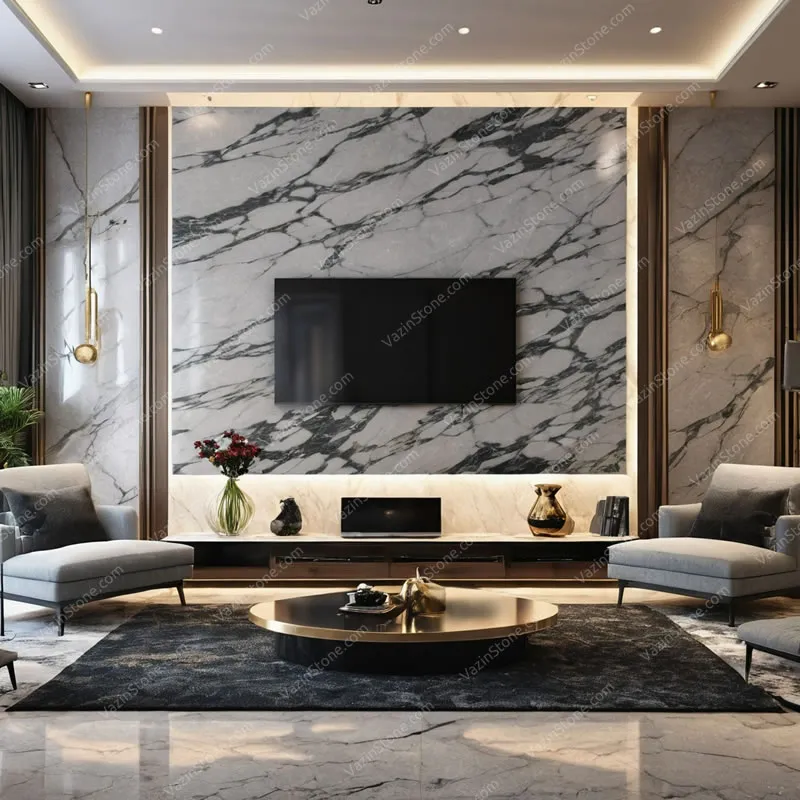
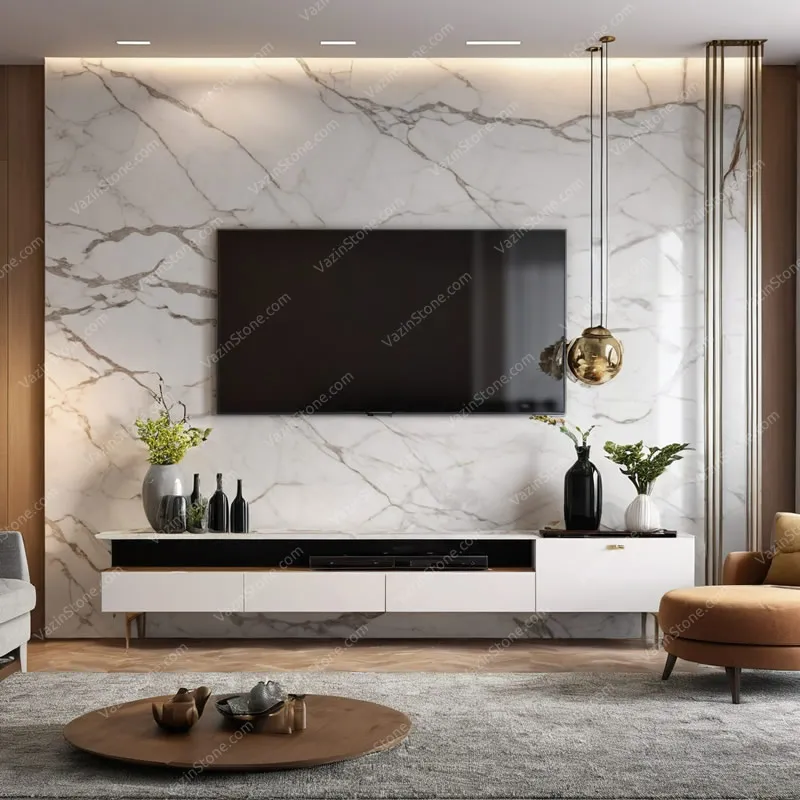
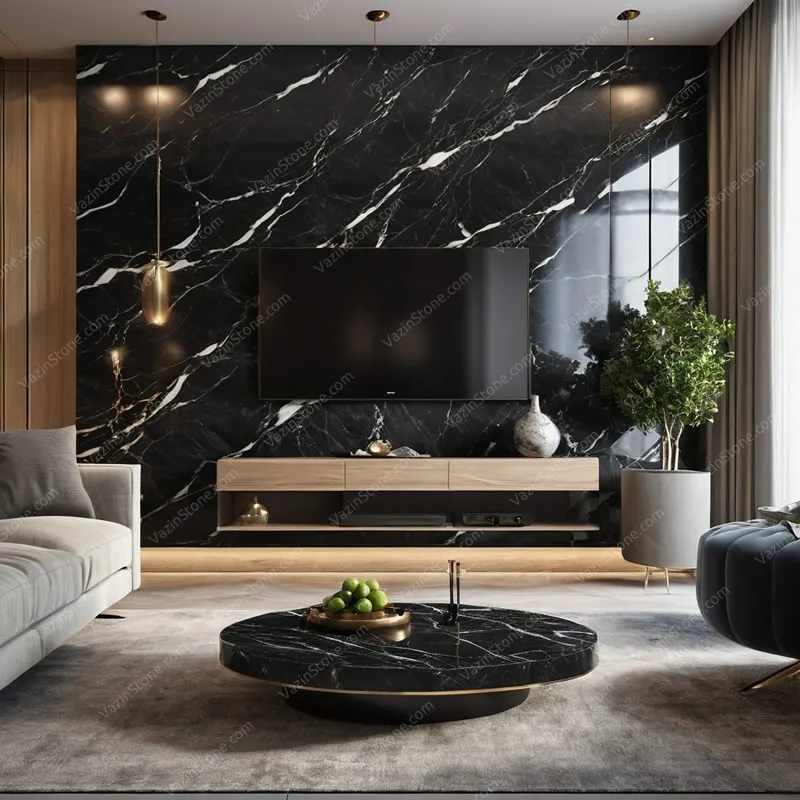
3/ Expensive decorative wall stone: Onyx, various types of foreign granite, and other natural stones with unique and innovative finishes are highly stylish and luxurious options for decorative interior walls in homes. Using marble on the living room wall behind the television (TV wall), or as the main wall covering in a symmetrical book-matched design, can create a truly stunning visual effect.
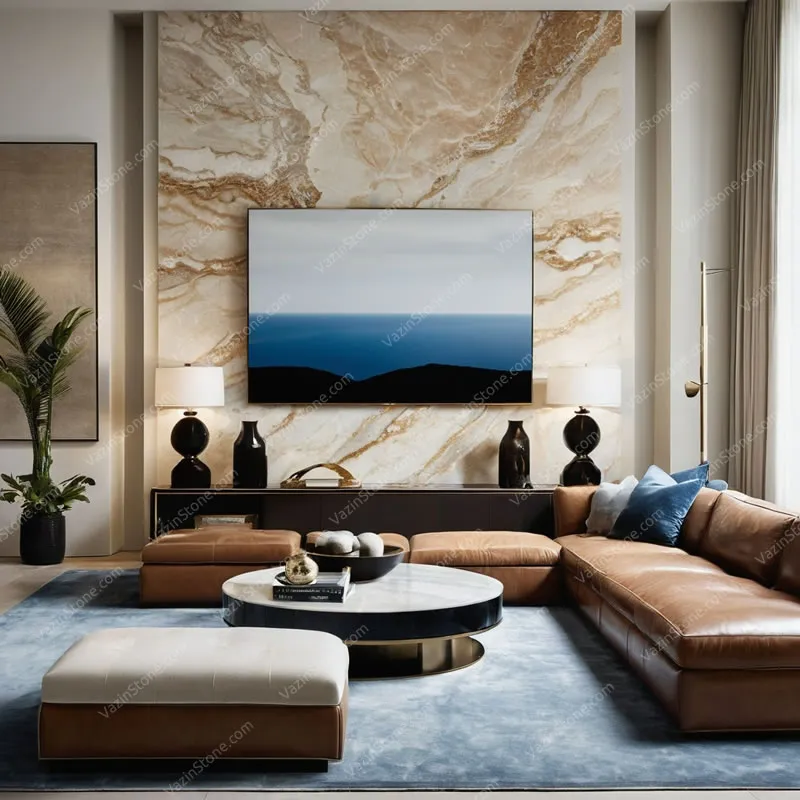
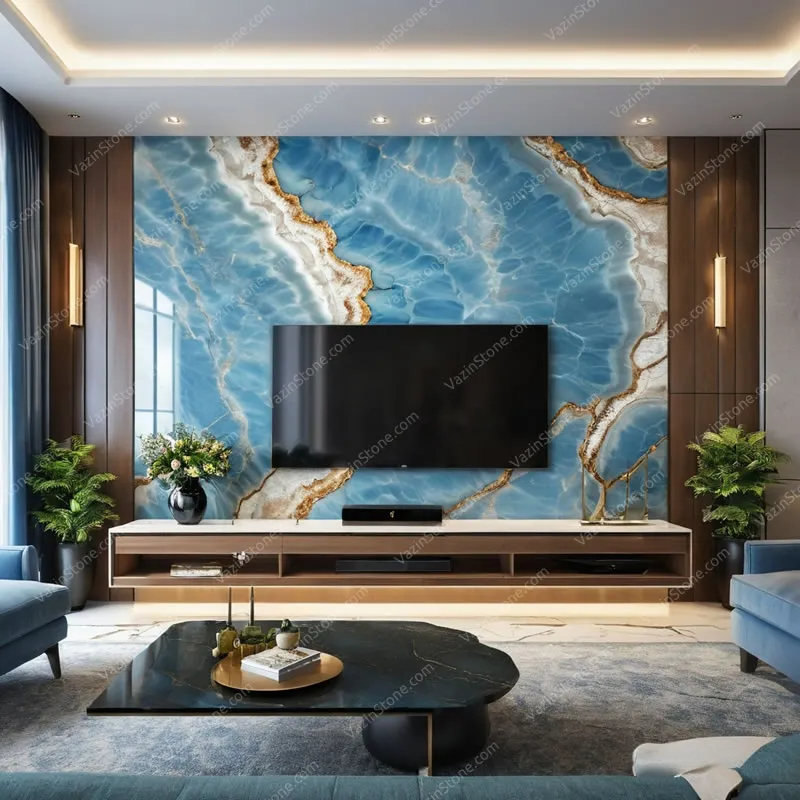
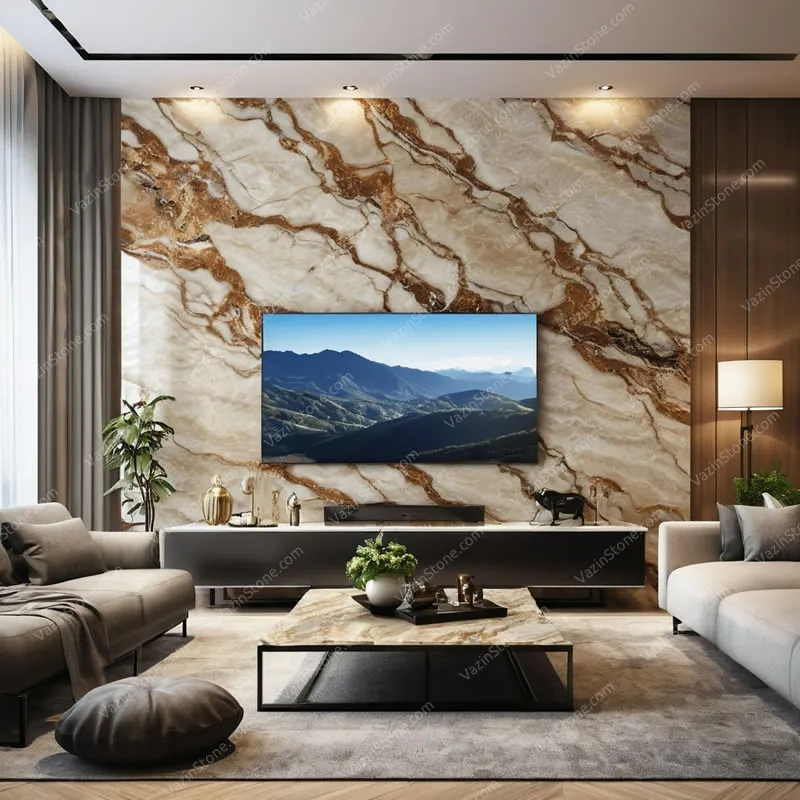
Read the following article:
Implementing the Design on the Stone Wall
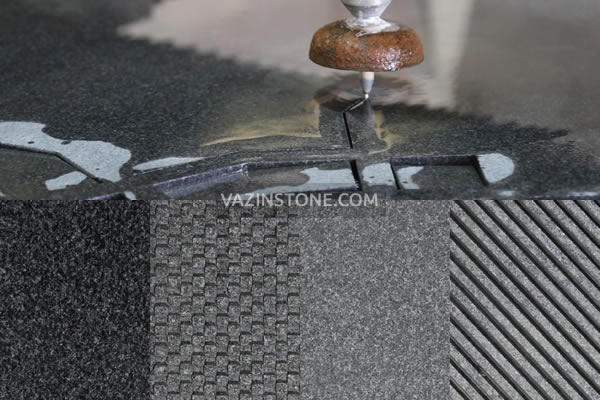
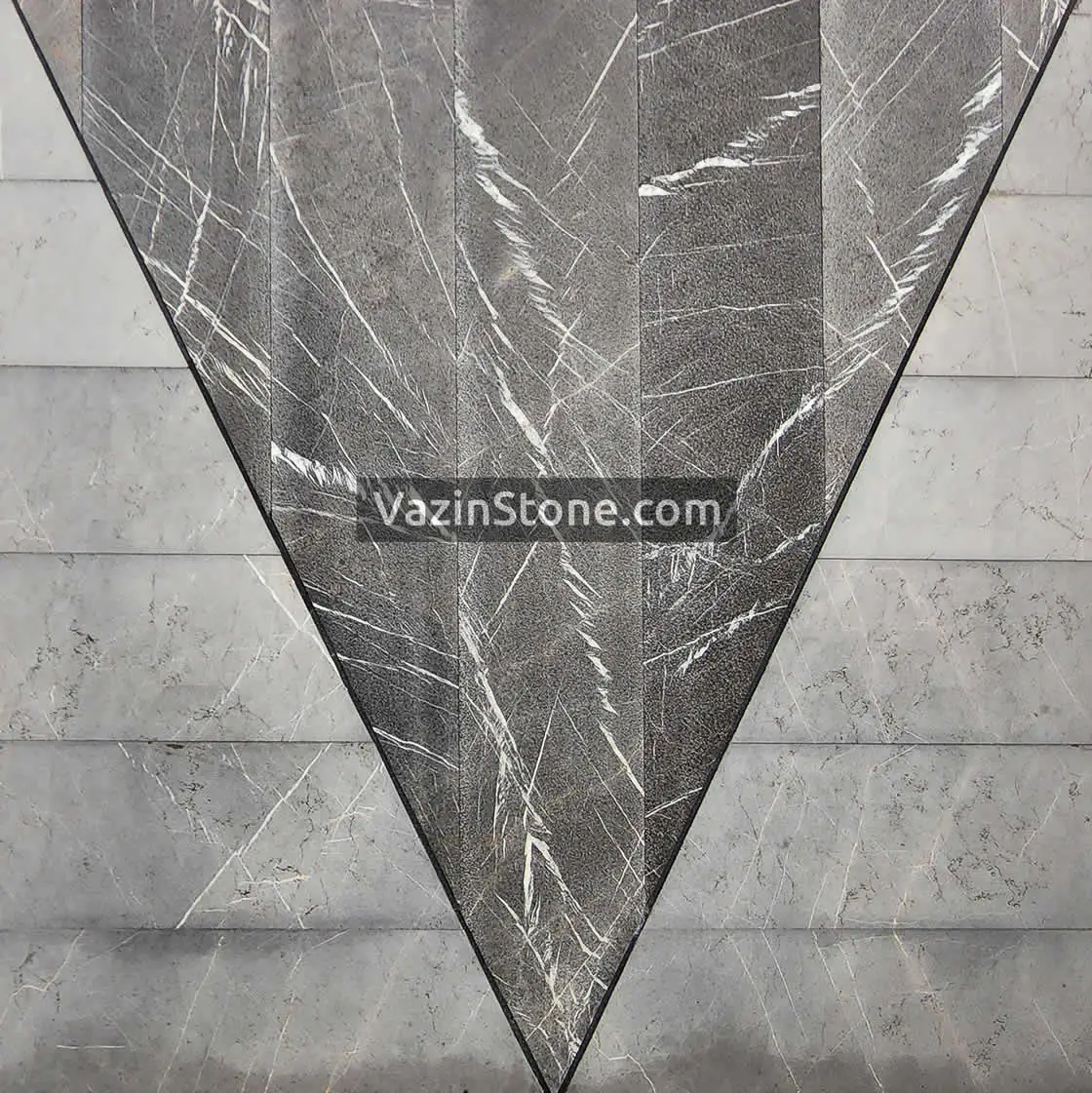
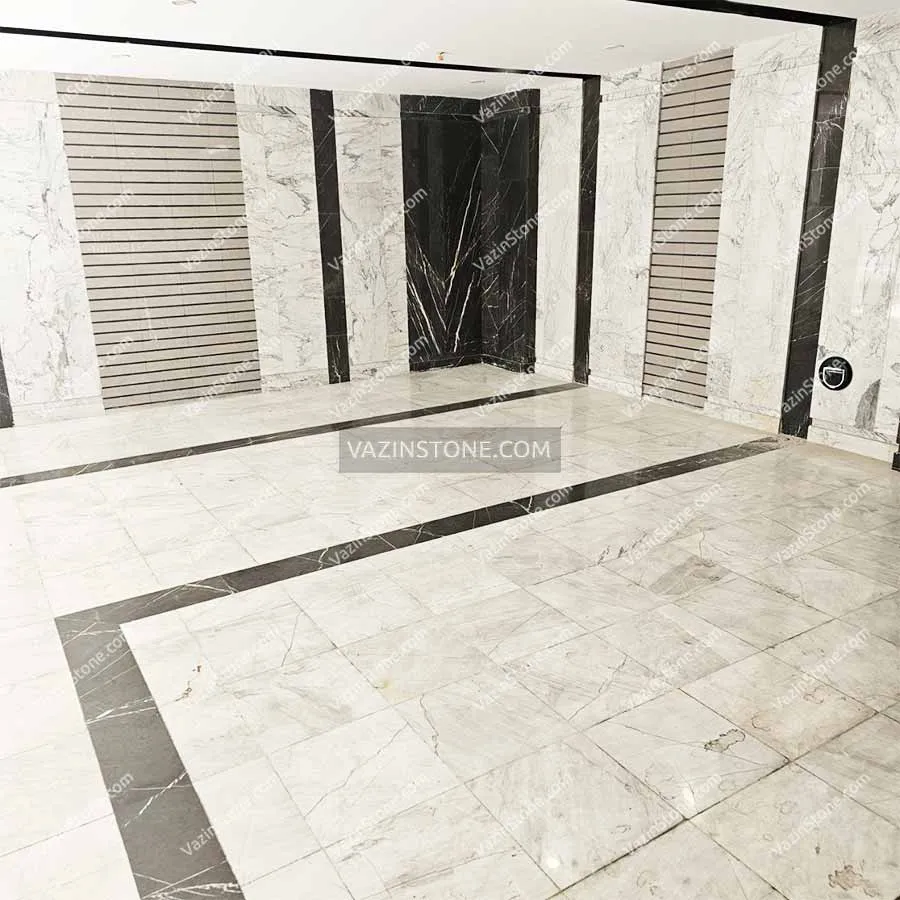
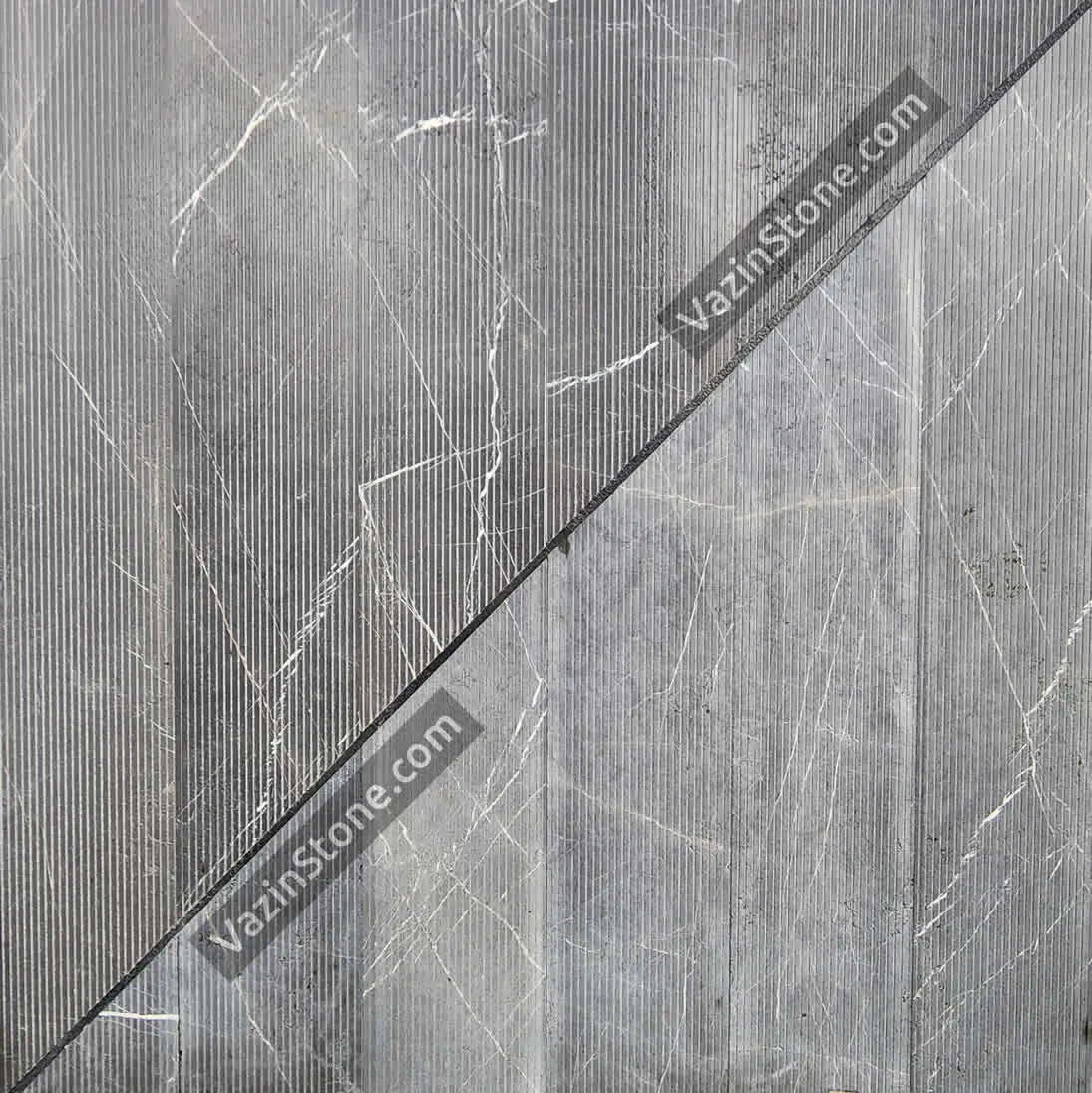
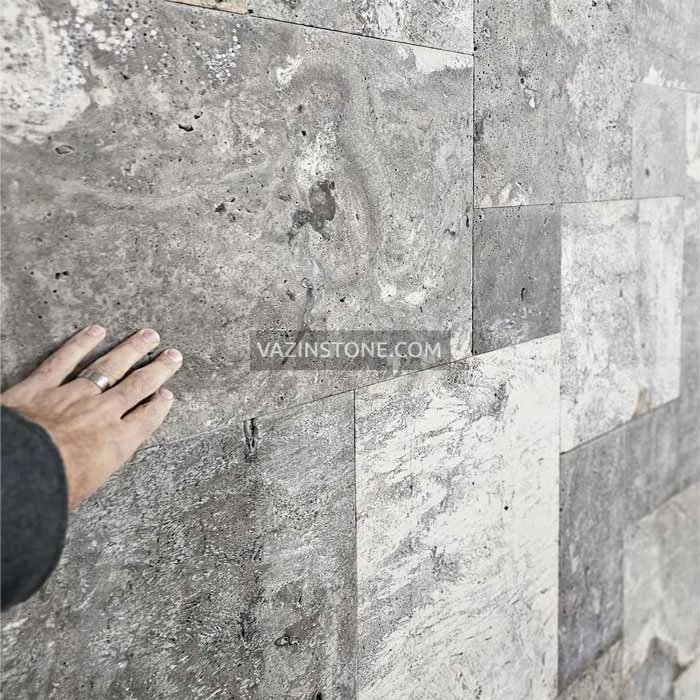
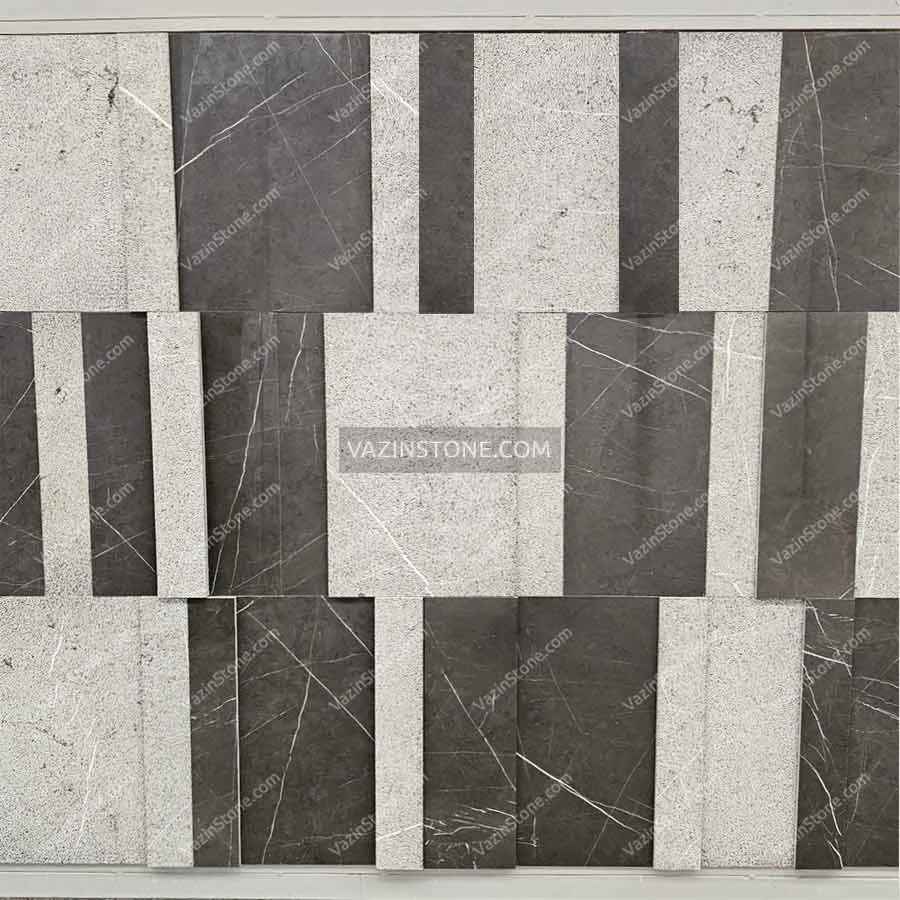
One of the methods of implementing stone wall designs is to create beautiful and creative patterns by utilizing factors such as the dimensions of the stone cuts, different stone designs, various stone finishes, and arranging them together in regular or irregular shapes. You can view some of these stone wall design ideas in the gallery below.
Artificial Wall Stone
In recent years, with advancements in technology, artificial stone has been manufactured and made available to consumers using materials such as PVC (including marble sheets), cement, and polymers, featuring a wide variety of designs and colors that resemble natural stone. Vazin Stone has also followed this trend by offering various types of artificial stone at the latest prices and with the highest quality. Some of these stones can be found in the list below.
Price of Wall Stone
The price range of wall stone (Vazin Stone) is determined by factors such as the type of stone (travertine, marble, granite, or onyx), grade, dimensions, processing quality, and the stone’s rarity. (Last updated: September 2026)
Travertine stone: Wall stone prices start at $4 to $120 per square meter.
Marble stone: Wall stone prices start at $5 to $84 per square meter.
Granite stone: Wall stone prices start at $7 to $227 per square meter.
Onyx stone: Wall stone prices start at $52 to $270 per square meter.
Wall Stone Ordering & Purchasing Process
1/ Assessing requirements & calculating the required stone quantity: In the first step, with the help of your stone installer or Vazin Stone’s consultants, calculate the exact amount of wall stone required based on the project’s design and dimensions. This will help you avoid purchasing excess stone or facing material shortages during installation.
2/ Choosing the most suitable wall stone: Choose the right stone for your project by considering factors such as color, material, durability, architectural style, and price. Vazin Stone, by offering a diverse range of wall stones, guides you in choosing an option that is suitable in terms of both aesthetics and durability.
3/ Placing an order and receiving a proforma invoice: After finalizing your choice of stone and the required quantity, place your order through the website or by contacting our sales team. A proforma invoice for the wall stone purchase, including details such as the price, preparation timeline, and shipping terms, will be sent to you.
4/ Reviewing the proforma invoice and confirming the order: Carefully review the proforma invoice and make sure that all details, including the stone type, quantity, price, and delivery time, meet your requirements. After final confirmation, the full order amount is paid according to the proforma invoice.
5/ Preparation & packaging process: Upon final confirmation, the preparation of your selected stones will begin. The products will be carefully packaged to prevent any damage to the stones during transportation. Our team will also coordinate the exact shipping time with you.
6/ order delivery & support services: The wall stones will be delivered to the specified address on the scheduled date. If needed, our support team is ready to guide you with installation, maintenance, and answers to related technical questions. Our goal is your complete satisfaction with the product and services provided.
Buy Wall Stone Online
-
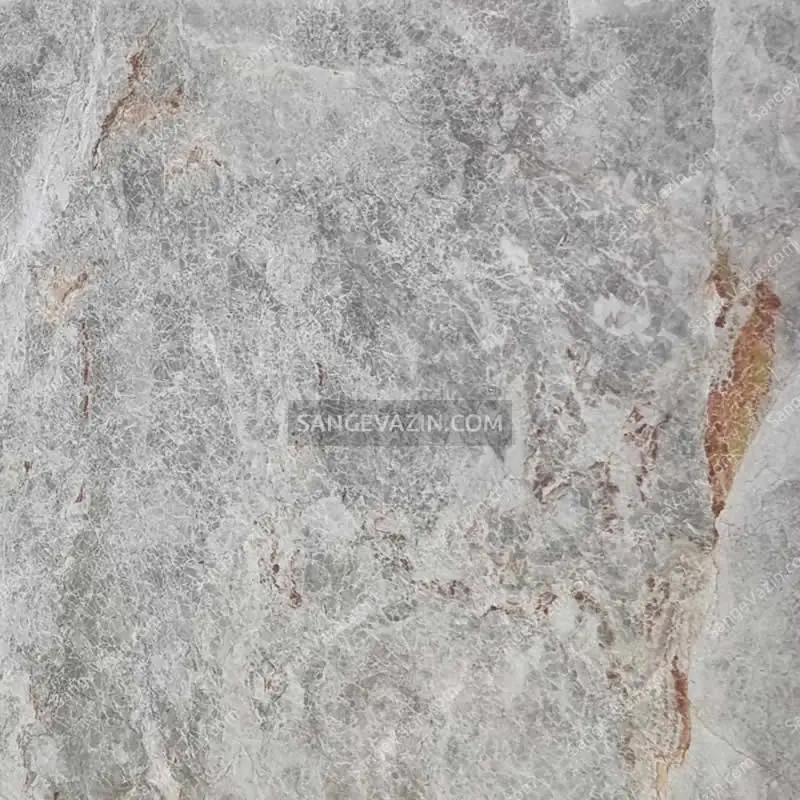 Grey Persian silk MarblePrice range: $14 through $20
 -
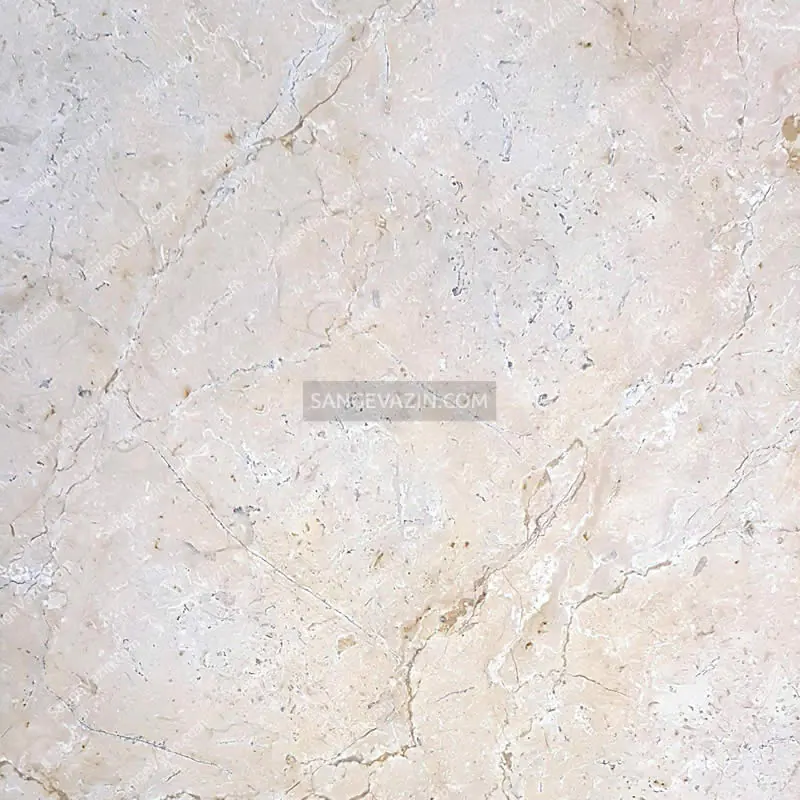 Abadeh Golden Cream WavelessPrice range: $8 through $15
 -
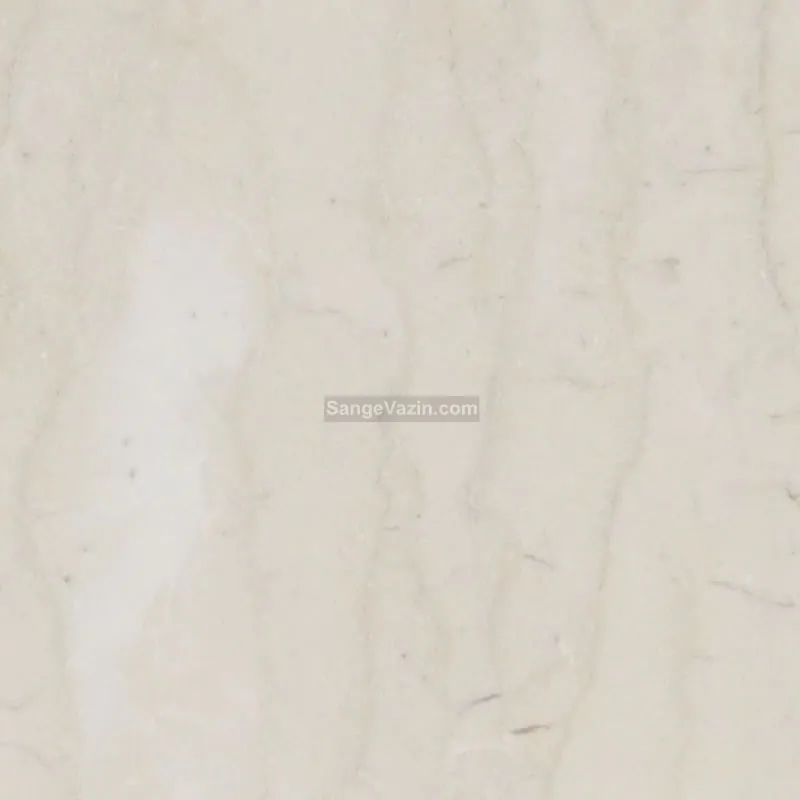 Shahyadi MarblePrice range: $12 through $16
 -
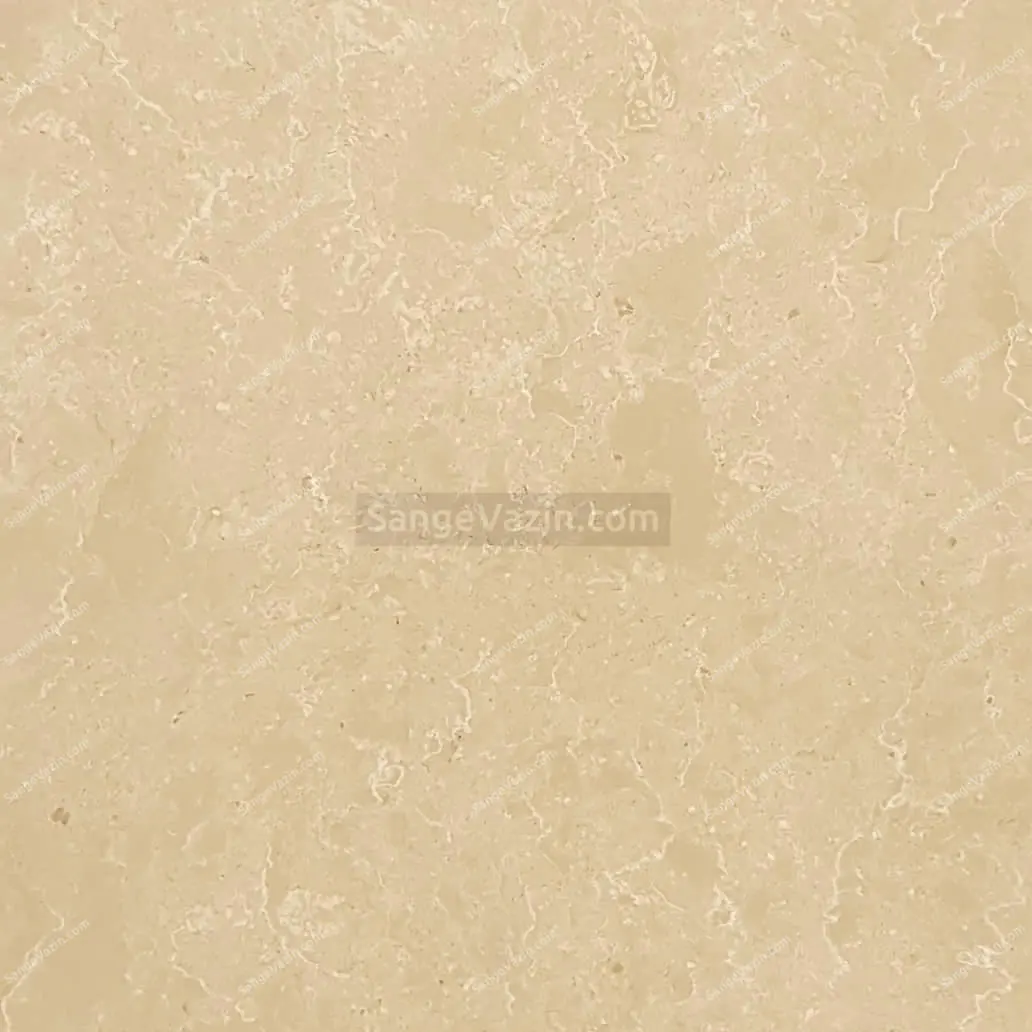 Khoy MarblePrice range: $13 through $26
 -
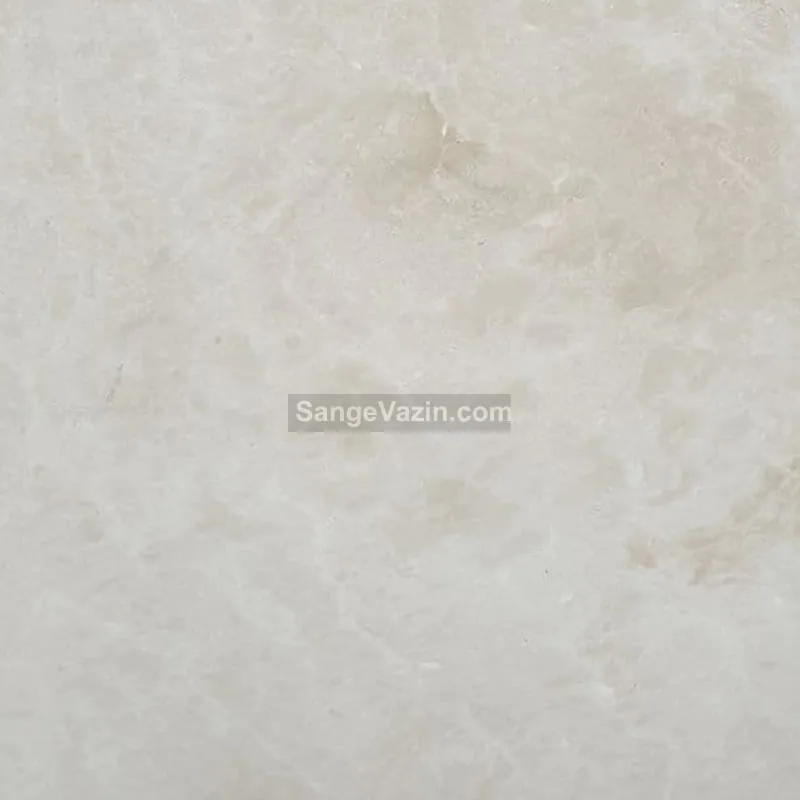 Persian Latte MarblePrice range: $24 through $48
 -
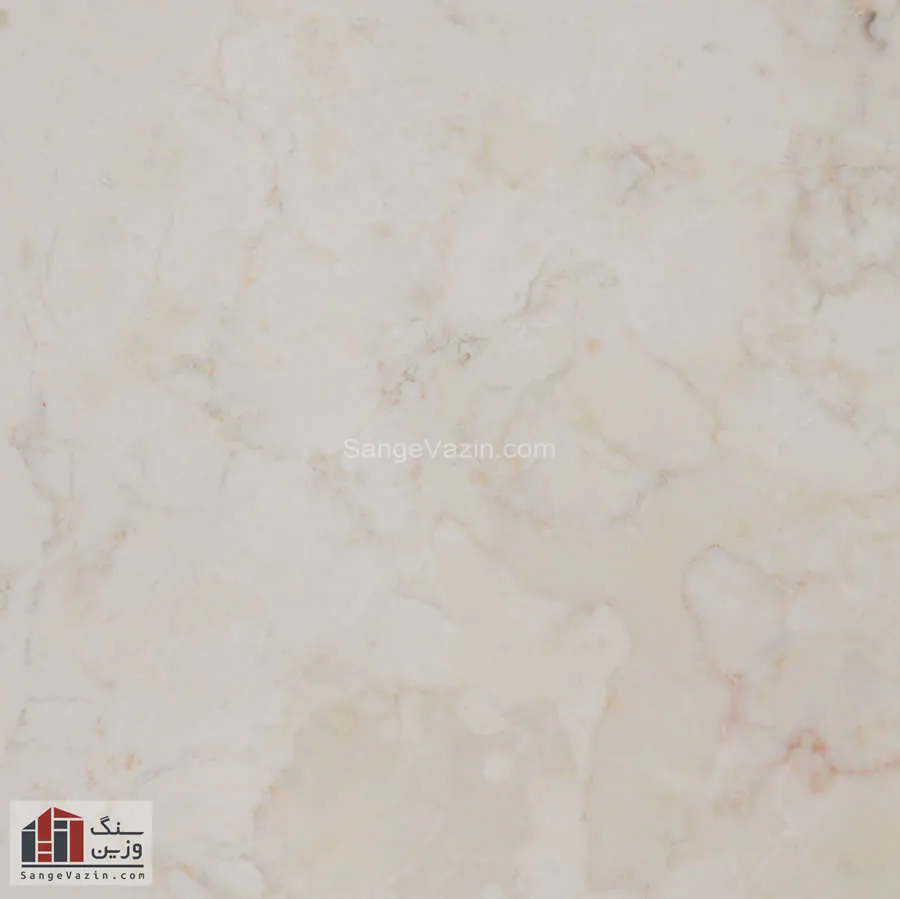 Josheqan MarblePrice range: $8 through $14
 -
 Aligudarz Crystal MarblePrice range: $37 through $72
 -
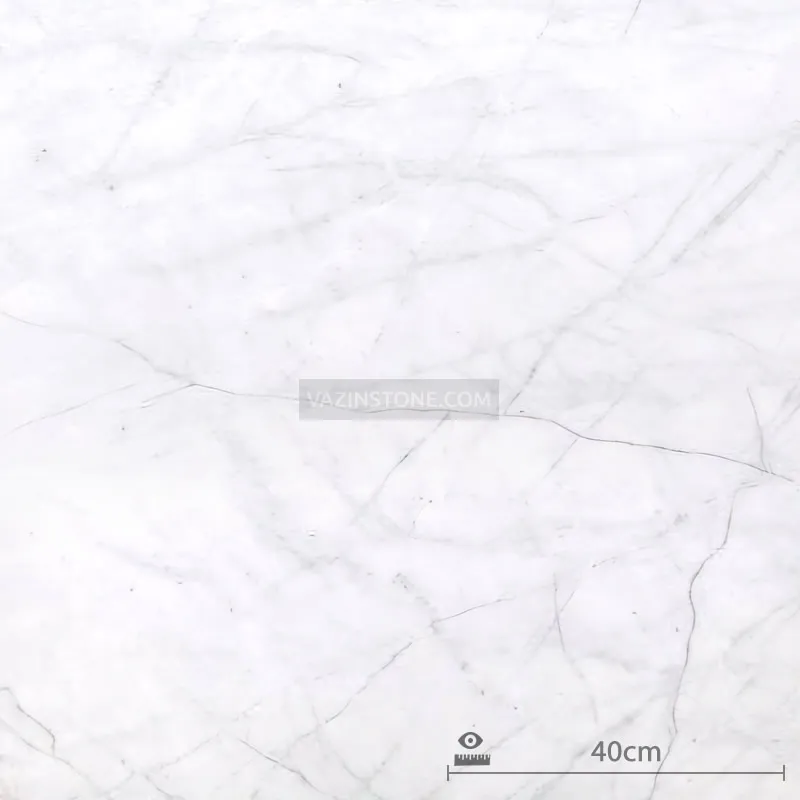 Neyriz Crystal MarblePrice range: $15 through $33
 -
 Pietra Grey MarblePrice range: $18 through $48
 -
 Black Dehbid MarblePrice range: $16 through $23
 -
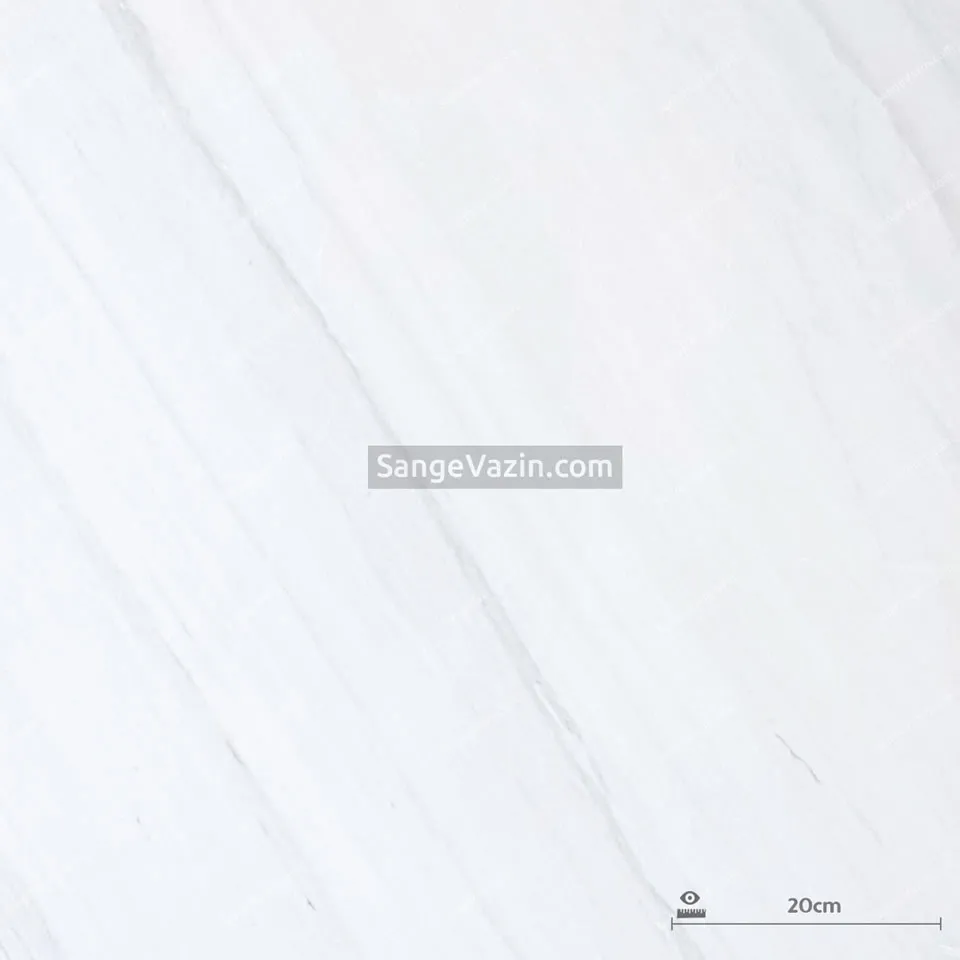 Azna Crystal White MarblePrice range: $25 through $89
 -
 Abadeh Waveless MarblePrice range: $8 through $11
 -
 Wood Texture MarblePrice range: $12 through $13
 -
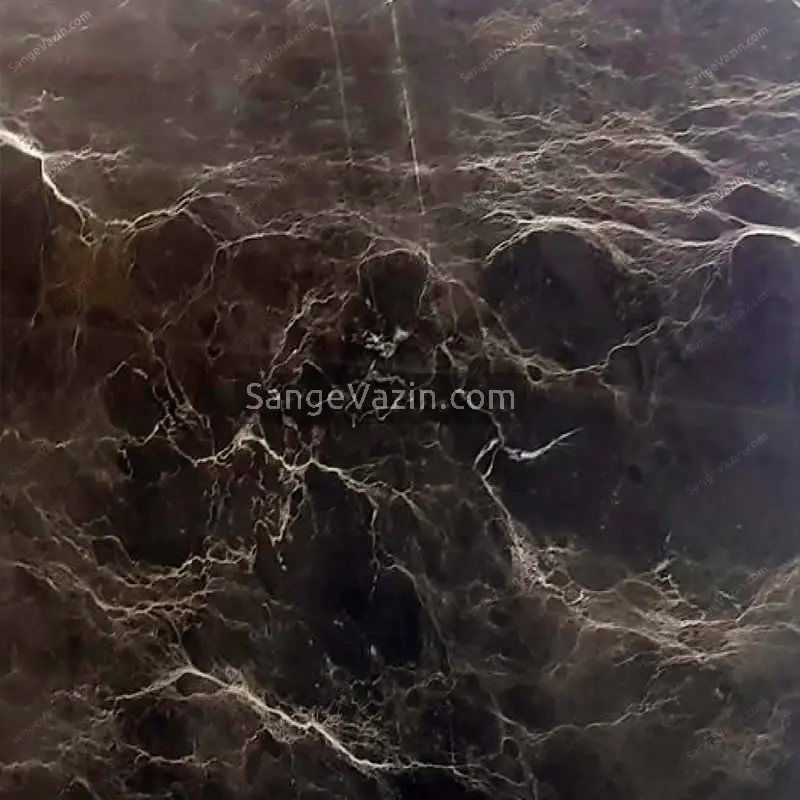 Spider MarblePrice range: $13 through $20
 -
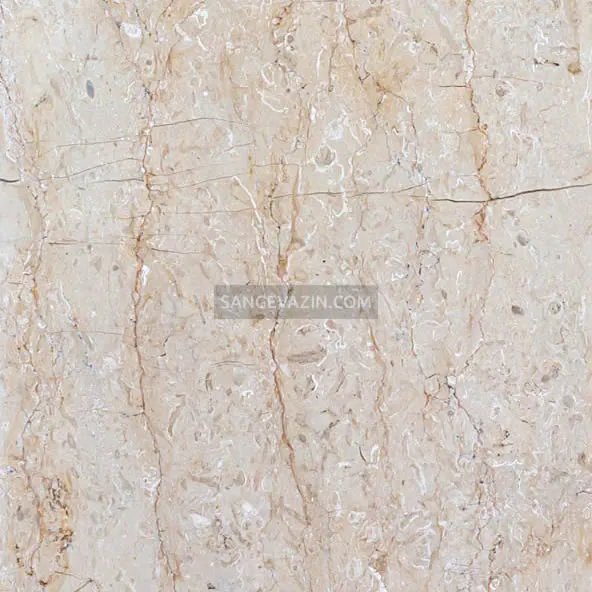
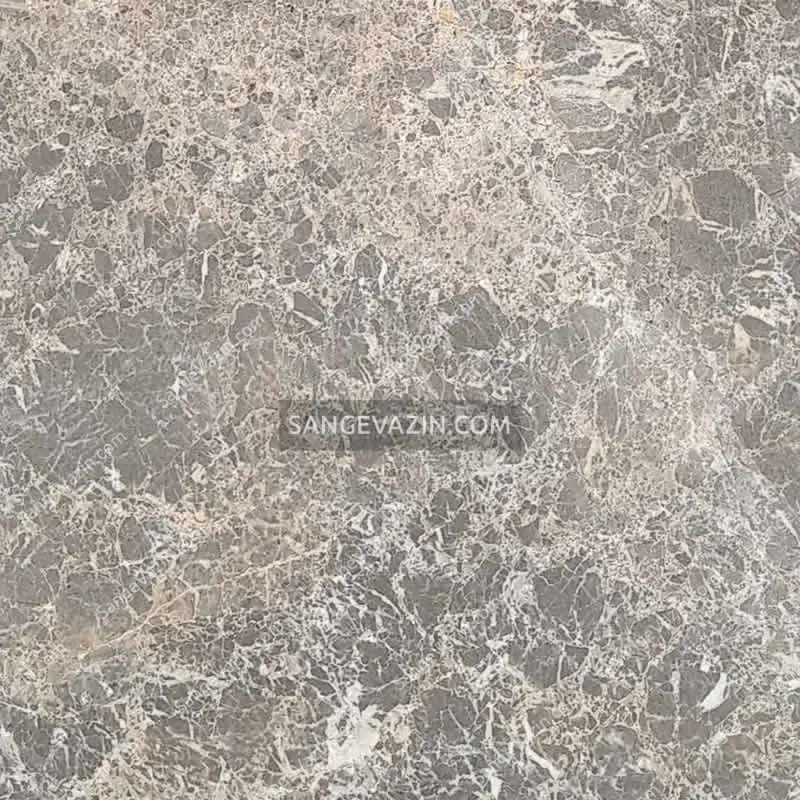
 Gray-Beige Marble StonePrice range: $9 through $15
 -
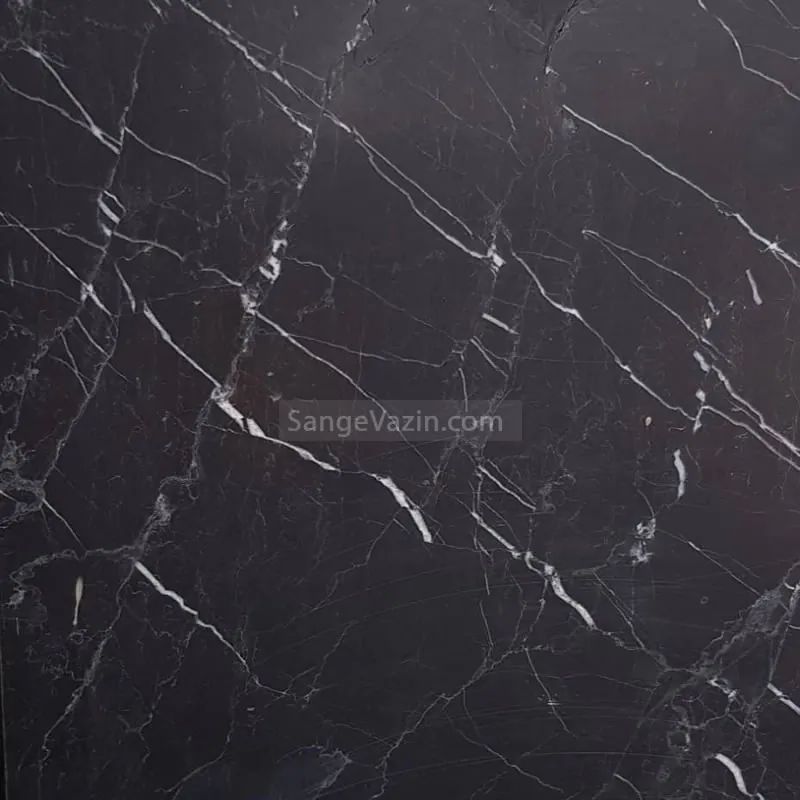 Black Marble Of NajafabadPrice range: $28 through $32
 -
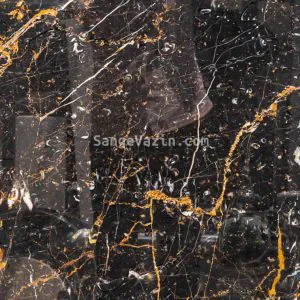 Golden Black MarblePrice range: $10 through $43
FAQ About Wall Cladding Stone
What factors affect wall stone pricing, and what is its typical price range?
Wall stone pricing is determined by several factors, including the type of stone (travertine, marble, granite, or onyx), sort, dimensions, processing quality, and the stone’s level of rarity. Based on the latest update (Last updated: September 2026):
Travertine Stone: prices start from $4 to $120 per square meter
Marble Stone: prices start from $5 to $84 per square meter
Granite Stone: prices start from $7 to $227 per square meter
Onyx Stone: prices start from $ 52 to $270 per square meterWhat are the best stones for home wall decoration?
Stacked stone, as well as marble and onyx stones in book-matched and four-matched slabs, are excellent choices for home wall decoration.
Which stones are suitable for exterior walls and outdoor facades (yards and landscaping areas)?
Stones used in outdoor spaces should be highly resistant to weather conditions, including temperature fluctuations, rain, frost, and prolonged sun exposure. The best options for exterior walls, yards, and landscaping areas include travertine, crystal marble, granite, slate stone, and malon stone. Marble and onyx are generally not recommended for outdoor applications due to their lower resistance to weathering and potential for discoloration over time.
What is the most suitable stone for interior walls (lobbies and commercial spaces)?
For interior spaces such as hotel lobbies and residential complexes, slab stone is the best choice. Due to their large dimensions, slabs showcase the natural texture and veining of the stone in the best possible way. In addition, with techniques such as “book-matched,” “four-matched,” and “backlighting”, a lobby can be transformed into a stunning work of art.
What is the best stone for parking garage walls?
The choice of parking wall stone depends on whether the space is covered or uncovered. In covered parking areas, there are no restrictions on the type of stone; however, it is recommended to use light-colored stones. Light colors not only make the space appear larger and more open, but also improve visibility in low-light environments and reduce the risk of vehicles colliding with walls and columns.
Is stone a suitable choice for bathroom and toilet walls?
Nowadays, due to the wide variety and more affordable pricing of ceramic tiles, the use of stone in bathroom walls has decreased. However, it is still the first choice for those seeking authenticity, unique natural patterns, and custom dimensions. The use of stone in bathrooms requires careful selection of the stone type and proper installation to ensure long-lasting resistance to moisture.
What stone should we choose for staircase walls?
Since the staircase is an indoor space, there are no limitations in stone variety. Marble and crystal marble stones are the most popular options due to their excellent polishability, polished surface, and excellent color diversity. Travertine is also commonly used for staircase walls because of its lighter weight (due to its porosity), and limestone is another common choice as a cost-effective option.
What are the advantages of artificial stones (such as marble sheets and polymer panels) for wall cladding?
Artificial stones (including PVC or marble sheets and cement-polymer composites) use modern technologies to offer a very wide variety of designs and colors. These materials serve as a modern alternative to natural stone in projects that require fast installation or have limited budgets, due to their lighter weight, quicker installation, and more affordable cost. They are especially ideal for interior spaces that require fast, clean renovation.