How To Maintain Onyx Stone
Table of Contents
Onyx is one of the most beautiful, yet also one of the most expensive, building and decorative stones; therefore, proper maintenance of this stone is of great importance. In the following, we will discuss how to maintain onyx and the methods for cleaning this stone.
Onyx is generally and conventionally used as an interior wall cladding stone. Therefore, its use as a flooring material, whether in interior or exterior applications, is not recommended, as foot traffic and the stresses it may be subjected to can quickly cause scratching and result in a dull, lackluster surface.

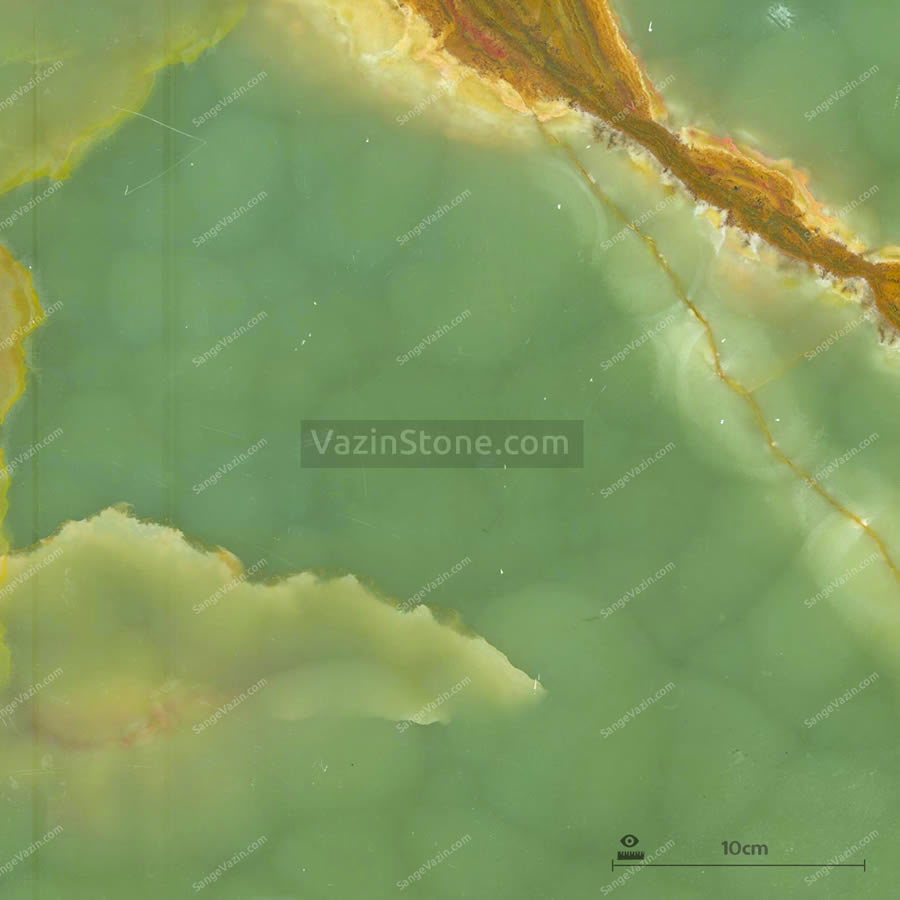
Maintenance of Onyx in Interior Spaces
- For cleaning and maintaining onyx, it is essential to use cleaners with a neutral pH. Since onyx is a calcium-based stone, it is relatively softer and more sensitive than some other types of natural stone and can react adversely to acidic cleaning agents. Moreover, onyx is a reactive natural stone and can respond quickly to certain liquids, particularly acidic ones. Therefore, onyx requires greater care when used for stone fixtures such as washstands and Turkish bath sinks.
The beauty of this stone is such that it retains its aesthetic appeal even after its polished surface loses its shine. For this reason, despite the vulnerability and sensitivity of natural marble, it continues to be used for kitchen countertops, washstands, coffee table tops, and side table tops.
- Using a moist cloth, you can quickly remove any dirt or grime from the onyx’s surface. Additionally, if your kitchen countertop is made of onyx, it is best to wipe it down with a napkin as soon as you pour any tea, coffee, or other food on it.
- For interior applications, particularly on onyx tabletops and countertops, avoid dragging sharp or heavy objects across the surface. Protective pads should always be placed beneath decorative accessories, flower pots, and decorative items to prevent scratching and surface damage.
- Moreover, with the advancement and increasing specialization of cleaning products in recent years, a range of dedicated cleaners formulated specifically for natural stone has become available from reputable brands. These products can be safely used for cleaning onyx surfaces.
Onyx Maintenance in Exterior Spaces
Furthermore, onyx is not recommended for exterior applications, as exposure to weather conditions and direct sunlight can cause the loss of its natural luster, discoloration, and surface dulling. For example, if you have noticed, onyx tombstones are generally installed in covered mausoleums.
However, if you want to utilize this stone outside, covering the onyx’s surface with glass will help protect it. To help maintain the stone’s luster, it is also recommended to apply a protective nano-coating. (In this case, nano repair needs to be done every one or two years).

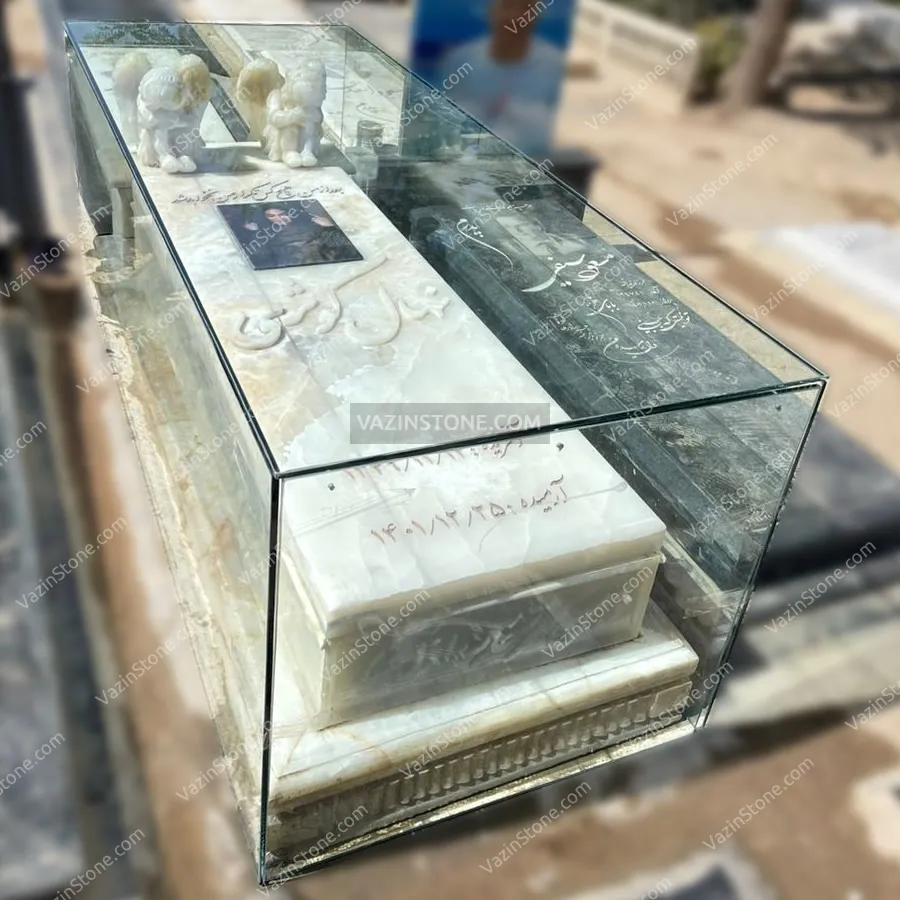

Natural onyx is more sensitive than stones such as granite or crystal marble stone and is more prone to scratching or staining; therefore, it should be cleaned with mild detergents and greater care.
How to Prevent Scratches on Onyx?
Due to its luxurious appearance and polished surface, onyx is a popular choice for interior applications such as kitchen countertops, flooring, and bathrooms. However, this smooth and polished surface is highly susceptible to scratches. Below, we have provided some simple yet effective ways to prevent damage to the onyx surface and maintain your onyx:
Using Protective Pads
When using items such as flower pots, metal containers, or heavy objects on onyx, always place soft protective pads underneath them. This helps prevent direct contact and abrasion.
Cleaning with a Soft Cloth
Instead of using rough cloths or abrasive sponges, use a soft microfiber cloth. Even tiny dust particles can cause scratches when dragged across the surface.
Avoid Dragging Heavy Objects
One of the ways to maintain onyx is to avoid dragging heavy objects across its surface. If you need to move them, lift them, or use suitable wheels.
Using Onyx-Specific Wax or Sealer
Periodic use of nano coatings, sealers, or specialized waxes can create a protective layer on the stone, providing greater resistance to scratches and stains. Depending on the level of use and location, apply them once every six months to one year.
Avoiding Harsh Chemicals
Some strong or acidic cleaners can damage the onyx surface and make it more susceptible to scratches. Always use mild cleaners specifically formulated for natural stone.

Read the following article:
By following a few simple tips and properly maintaining onyx, you can preserve its beauty for years to come. Preventing scratches not only helps maintain the stone’s appearance but also helps avoid potential restoration costs.
How can you maintain onyx in your home interior?
Using pH-neutral cleaners and promptly removing stains with a soft cloth helps prevent damage and dulling of the onyx surface.
What measures are recommended to prevent scratches on onyx?
Using protective pads under dishes and heavy objects, and avoiding dragging items across the stone surface can help prevent scratches.
Why is using strong and acidic chemicals to clean onyx not recommended?
Onyx is calcium-based, and acidic or harsh chemicals can cause a chemical reaction and permanently damage the surface.
Is onyx suitable for flooring?
No, due to its softness and sensitivity to pressure and heavy foot traffic, onyx is primarily recommended for walls and interior decorative applications.
How to extend the lifespan and enhance the appearance of onyx?
Periodic use of a wax or sealer specifically formulated for onyx helps maintain the surface’s shine and enhance its resistance.



Publish on:
May 28, 2024
Updated on:
August 23, 2026