Stacked Stone
Today, stacked stone can be considered one of the most popular and widely used types of stone for wall cladding. Thanks to its distinctive aesthetic and physical properties, this versatile stone is widely used as a wall covering in both interior and exterior spaces, offering an affordable solution along with a wide variety of designs and colors. You can learn more about this type of stone in the descriptions provided below.
Showing the single result
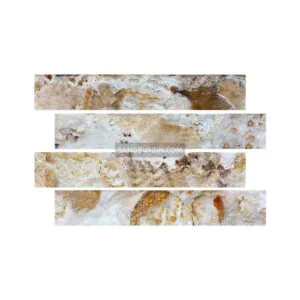
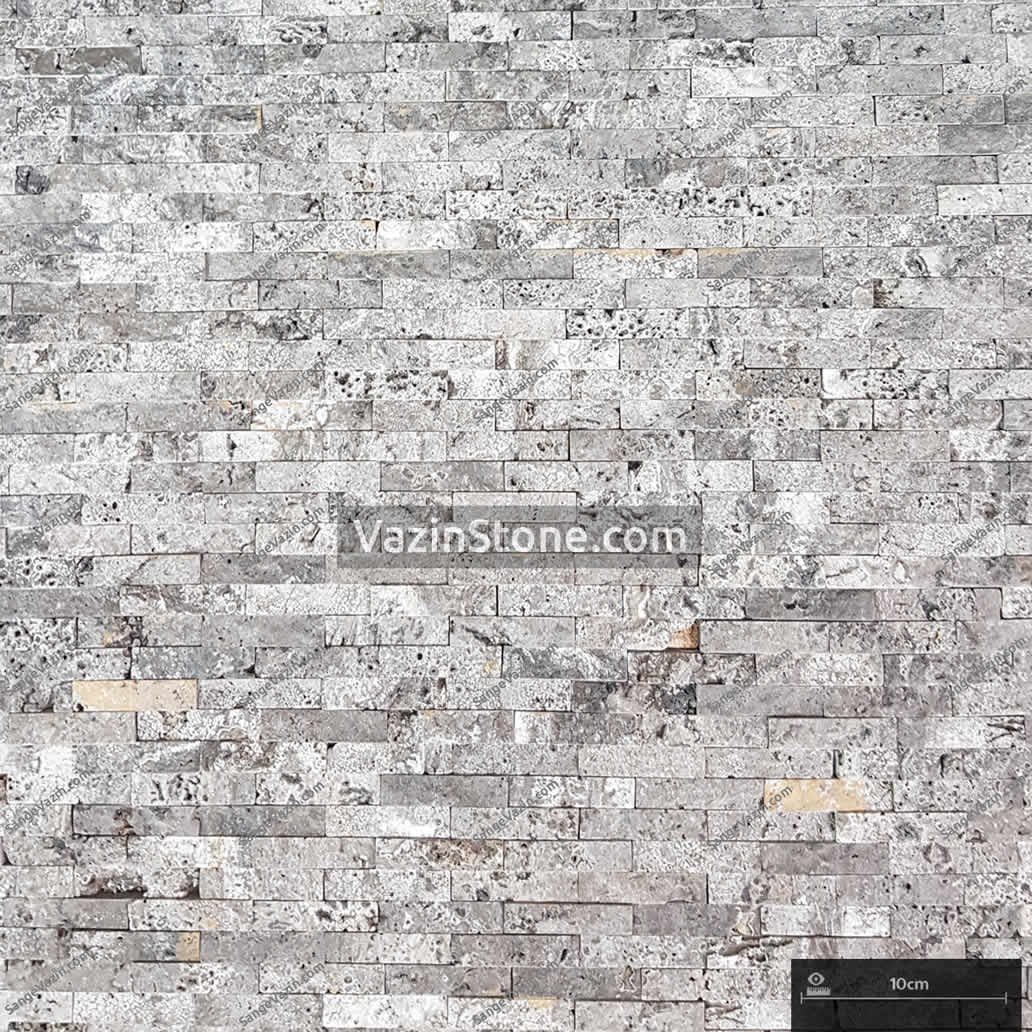
Stacked Stone or decorative stone refers to a type of stone that is produced or processed in small dimensions, typically with a width of 5 cm, while its length varies depending on the type of stacked stone. Stacked or decorative stone can be either a completely natural stone cut from a natural slab or a processed product made from broken pieces and stone chips, or even from cement and polymers. Stacked stones are usually made from natural stones that are used in their completely natural form, without changing their color, and with the artistry of skilled craftsmanship. On the Vazin Stone online store, both natural and artificial stacked stones are available for order, as well as for supply in the field of stone export.
What you will read about stacked stone is as follows:
Types of Stacked Stone
1/ Rotoy Stacked Stone
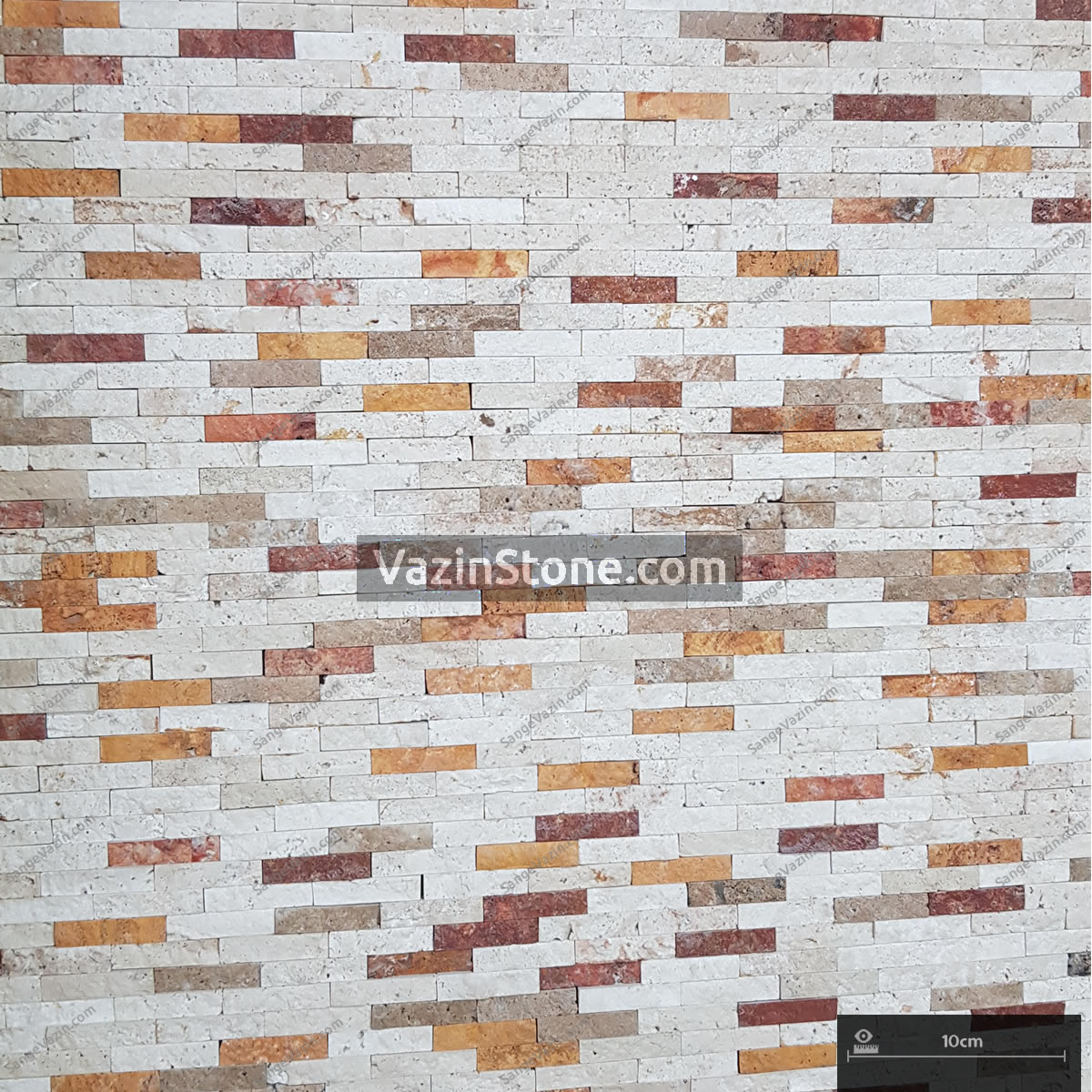
In this type of Stacked Stone, 1 cm (or finger-sized) pieces, as well as stones with distinctive raised patterns, are mounted on a mesh backing and typically offered in 40 cm tiles.
2/ Guillotine or 5 cm Stacked Stone
They are among the best-selling types of stacked stone, typically cut into specific lengths and widths.
3/ Puzzle or Super Brush Stacked Stone
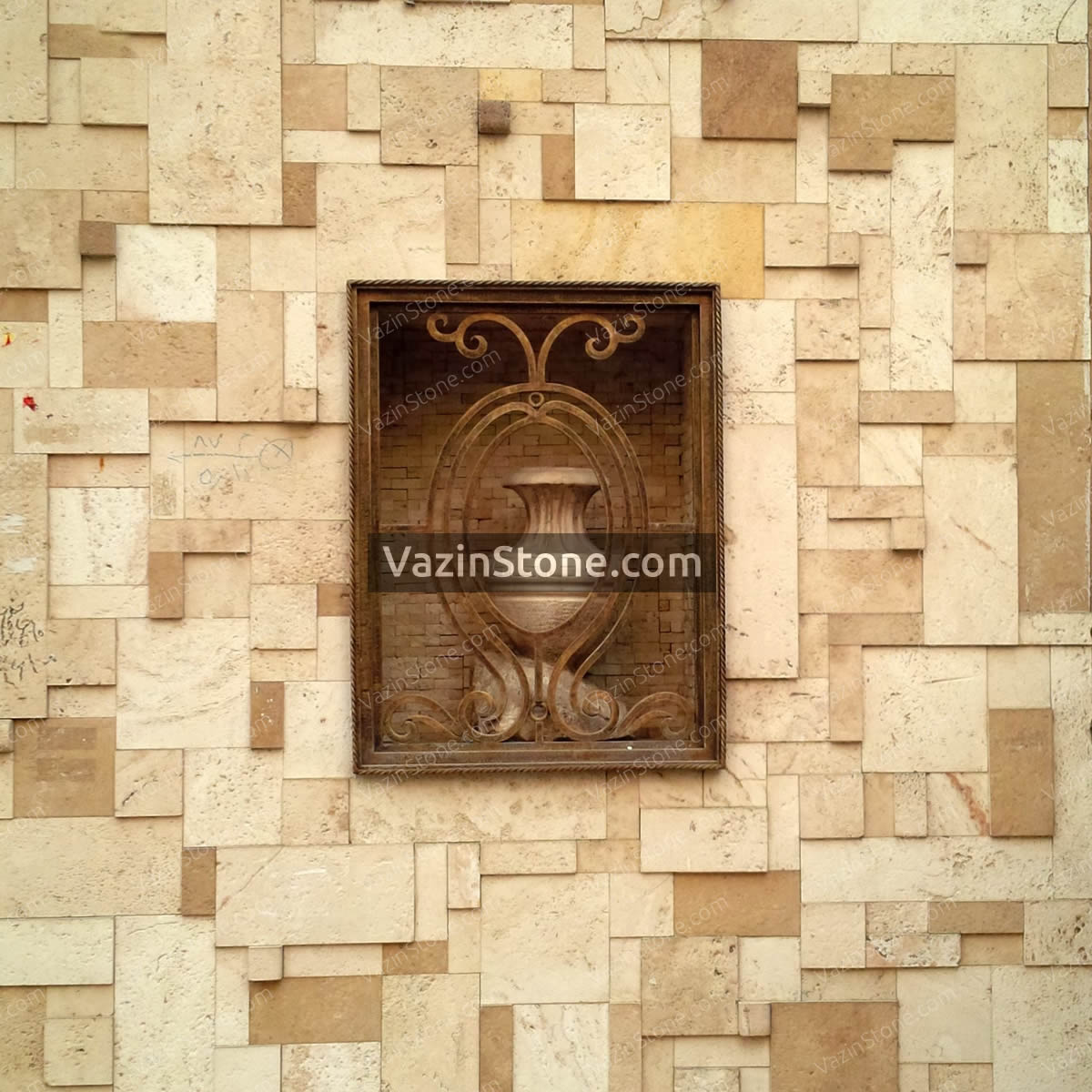
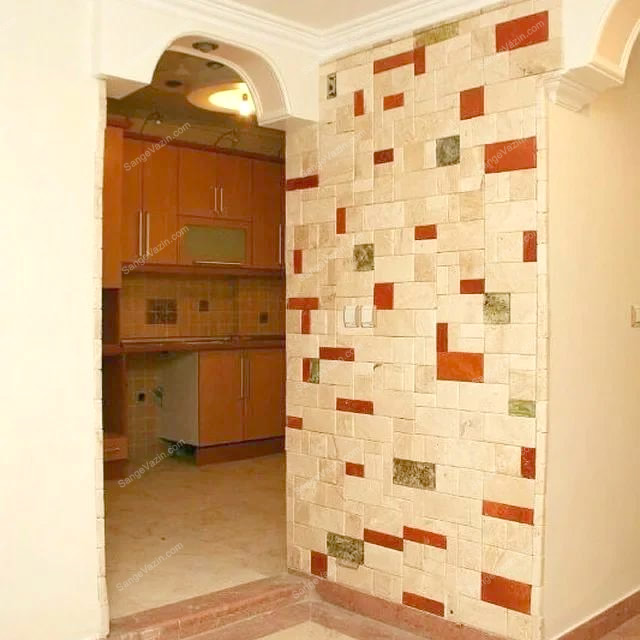
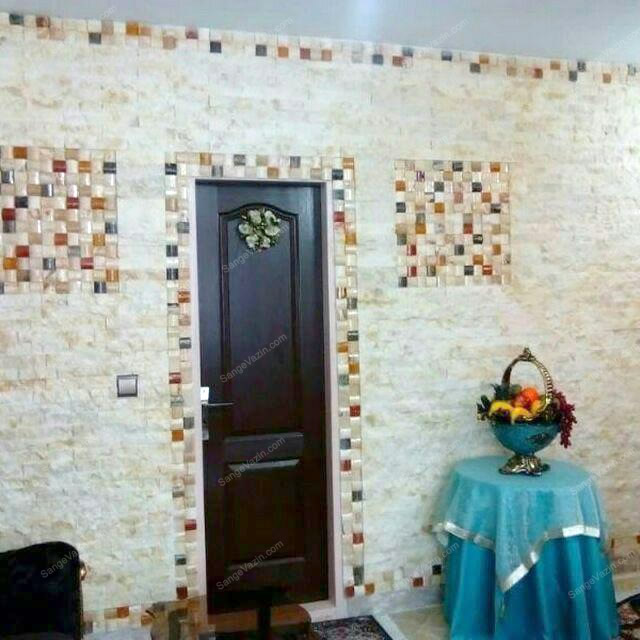
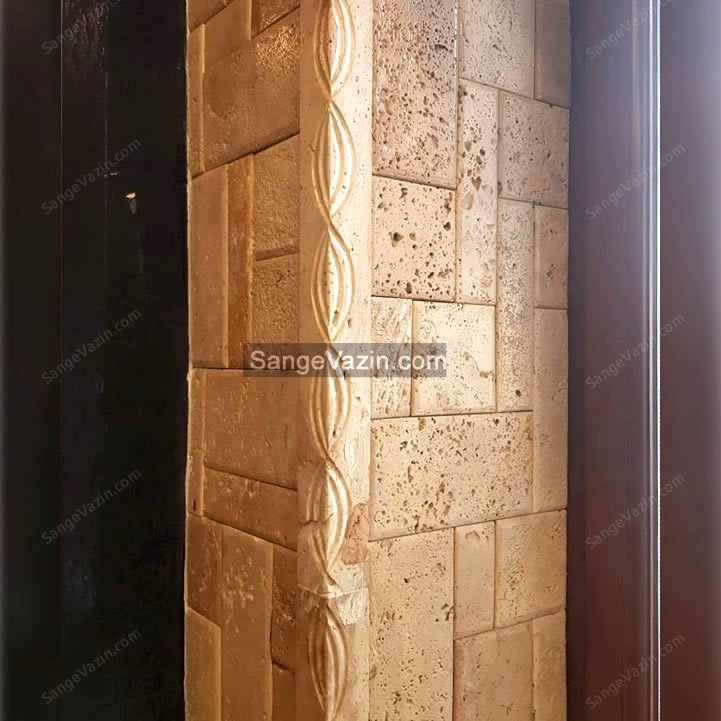
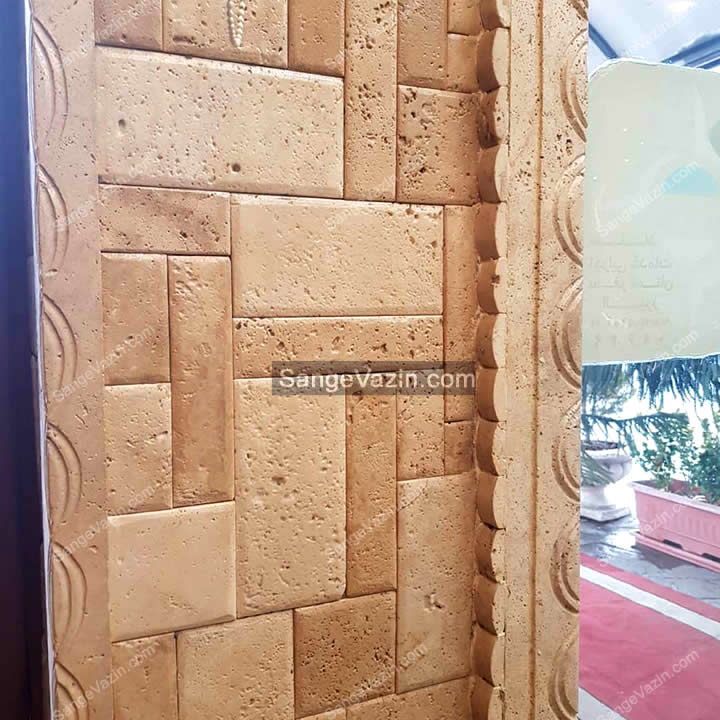
Super brush or puzzle stacked stone is one of the most versatile types of Stacked Stone in terms of design and installation. They are available in a wide variety of colors and in square and rectangular sizes ranging from 5 to 20 cm. As a result, these stones can be used to create countless designs.
Natural Stacked Stone or Artificial?
Stacked stone is produced in two forms: natural and artificial. Natural stacked stone is primarily made from travertine, marble, and slate stone, as these materials are easier to cut and polish compared to other types of stone.
Artificial stacked stone is manufactured through a fully engineered production process. This type of stacked stone is made from a combination of natural aggregates with varying bulk densities, polymeric additives, sometimes cement, nano compounds, lightweight mineral-industrial aggregates in various required sizes, and mineral materials.
Artificial stacked stones can have advantages over natural stones for the following reasons:
- Because the products are engineered and produced in different sizes, they do not require cutting and are much easier to use.
- Unlike natural stacked stone, artificial stacked stone does not require a porous structure for installation, as specialized equipment is used during the molding process to facilitate easy installation and prevent the stones from falling.
- More durability of artificial stacked stone and prevention of fungus and bacteria in empty spaces in the stone due to lower porosity than natural stacked stones.
Materials of Stacked Stone or Decorative Stone
Standard stacked stones are produced from virtually all available types of natural stone, with travertine, marble, and onyx being the most commonly used materials, respectively.
1/ Travertine Stacked Stone
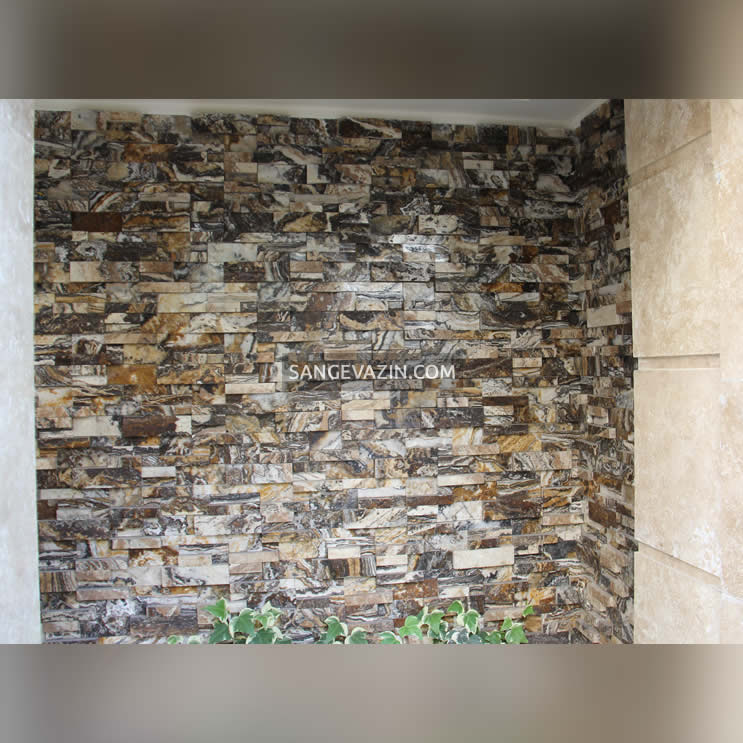
High durability, easy cutting and polishing, and a lower price compared to other types of stone have made travertine the most widely used material for producing stacked stone. In addition, travertine offers all the desirable characteristics required for both exterior and interior applications.
2/ Marble Stacked Stone
After travertine, marble is one of the most widely used materials in the production of decorative stone. With its excellent polishability and good durability, marble is extensively used in the production of stacked stone, and combining it with travertine and onyx creates attractive and visually appealing designs.
3/ Onyx Stacked Stone
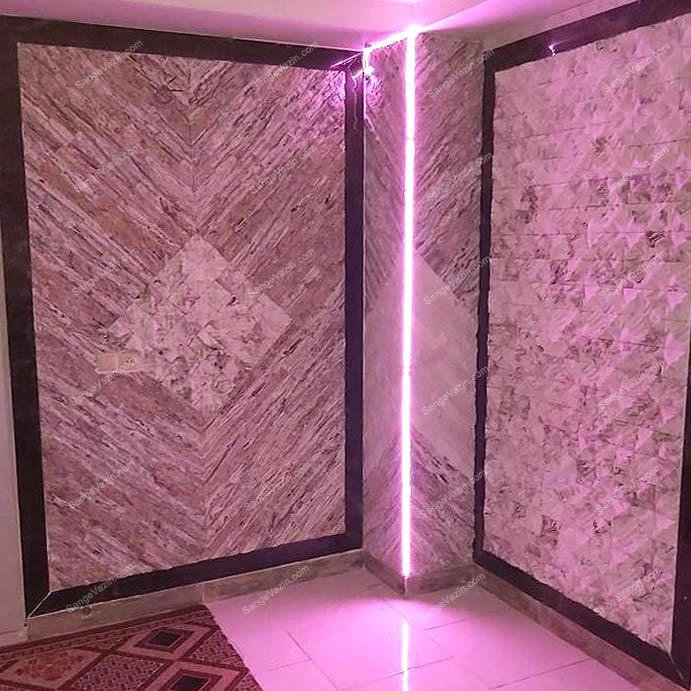
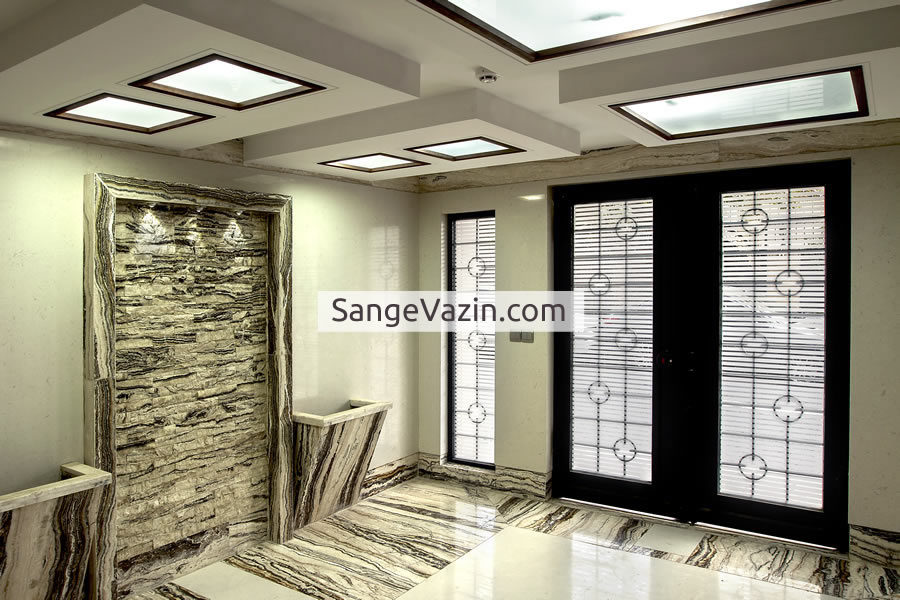
Onyx stones are among the most luxurious and expensive types of stacked stone, or decorative stone. Thanks to their backlit qualities and polished surface, these stones are widely used in the creation of stone wall art and decorative panels. Installing the stone and using specialized lighting behind it creates a stunning visual effect and an exceptional appearance.
Stacked Stone Dimensions
Stacked stones can be supplied in various sizes, with widths ranging from 1 to 20 cm.
Stacked stone – Decorative – the Most Popular Stone
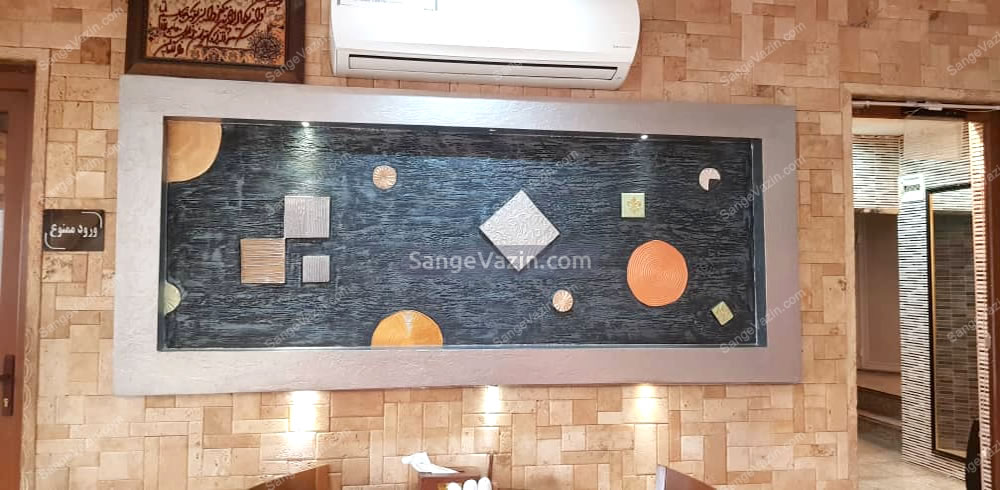
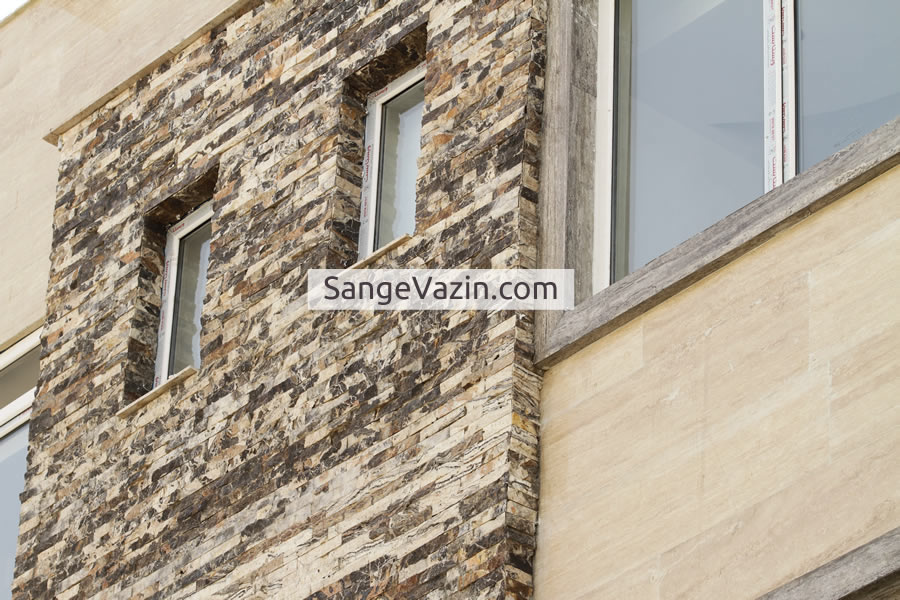
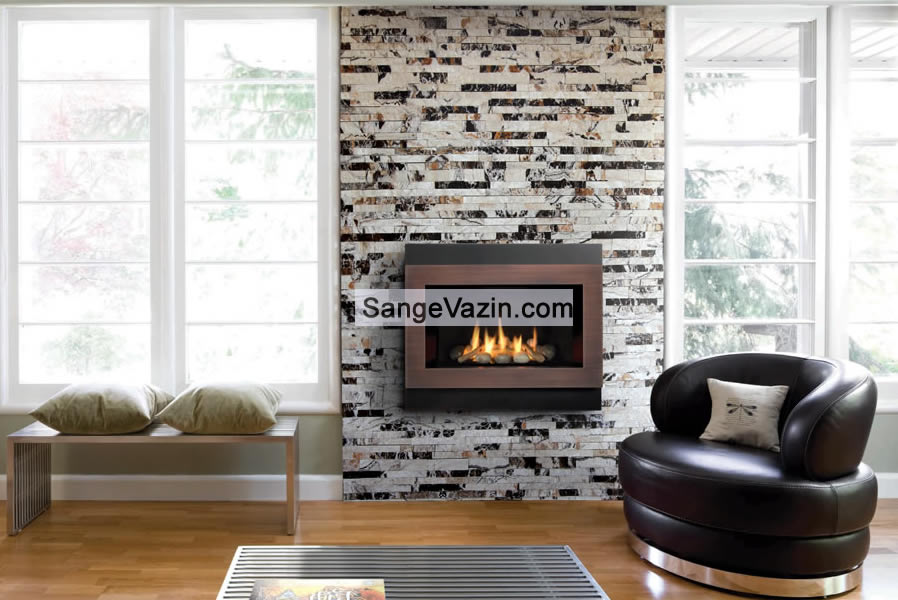
Today, stacked stone can be considered one of the most popular and versatile types of stone. Thanks to its distinctive aesthetic and physical properties, this widely used stone can be applied in both interior and exterior spaces as a decorative stone, offering a highly affordable price along with a wide variety of designs and colors. Some of the applications of this stone, which are often used as complementary elements, are listed below:
- TV wall
- Fireplace wall
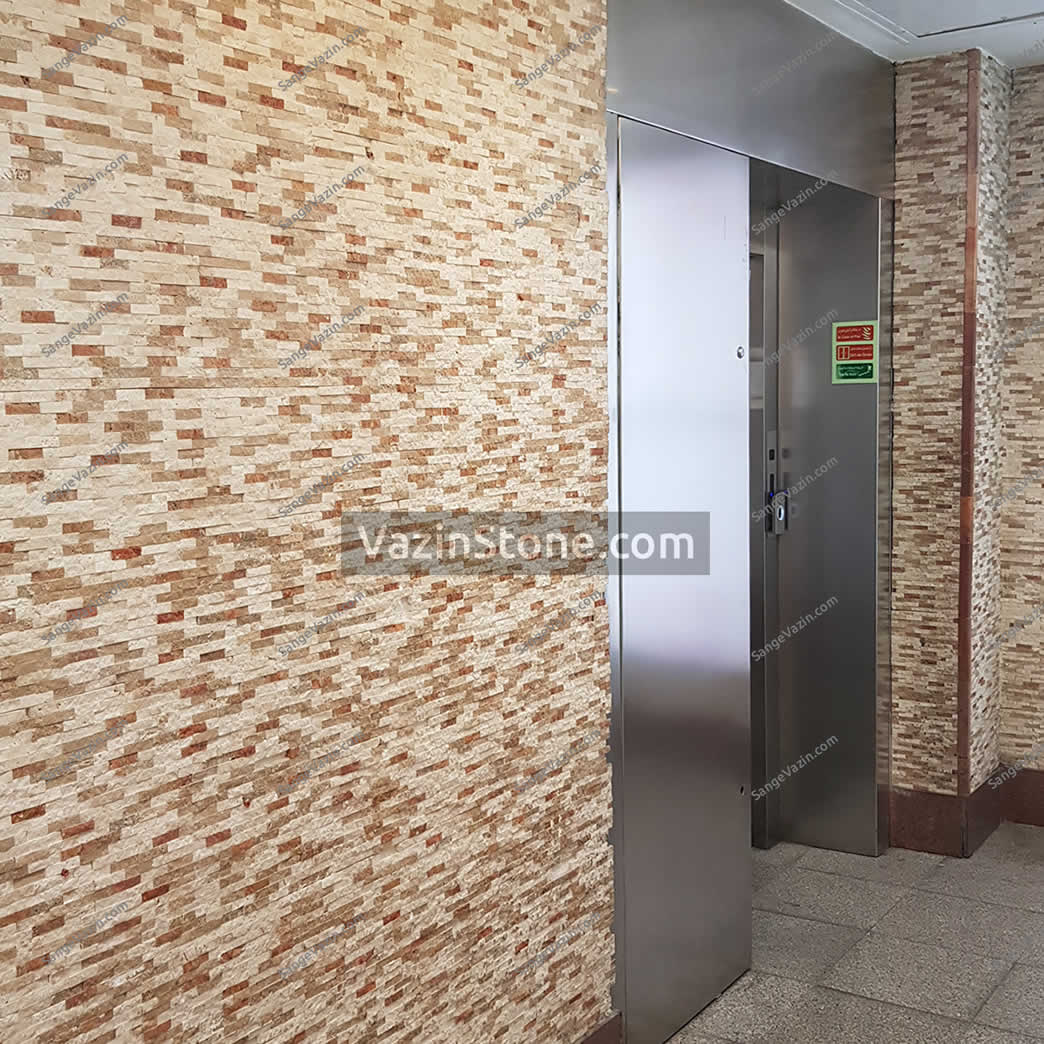
- Lobby decorative stone
- Decorative wall stone for different areas of the home
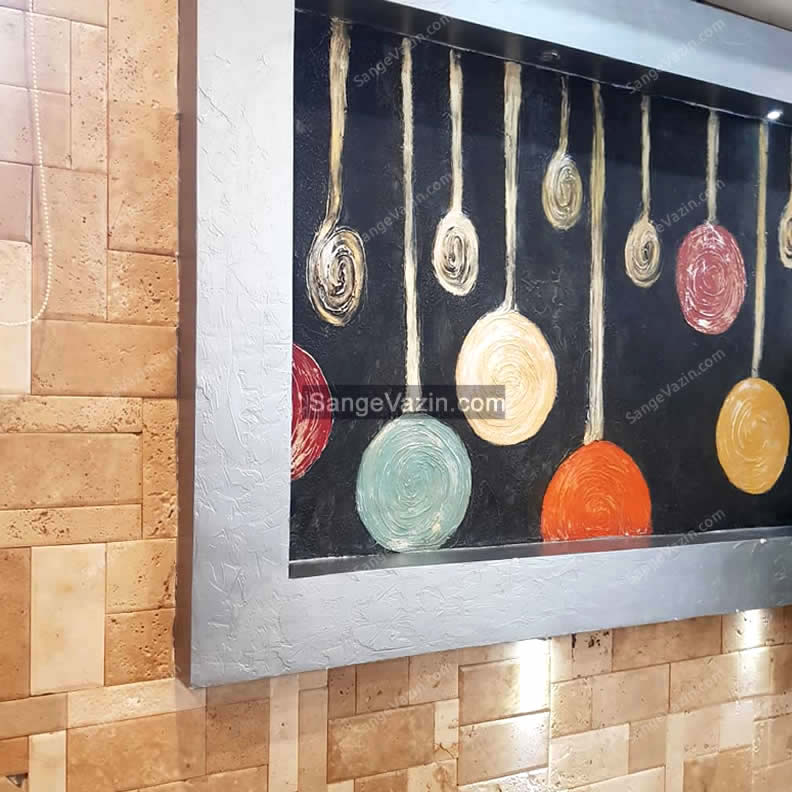
- Decorative wall stone for kitchen backsplashes and behind the sink
- Decorative stone for exterior walls and facades
How to Install Stacked Stone
The installation of stacked stone in buildings can be carried out using various methods, depending on the type of wall and the required equipment. However, in general, stacked stones can be installed using three methods: (1) grouting, (2) adhesive installation, and (3) screws and wall plugs. Please note that each installation method has its own specific requirements and considerations. Failure to follow these guidelines may result in problems with the installation and the final outcome.
Stacked Stone Advantages
The advantages of stacked, decorative stone, whether natural or artificial, include the following:
- Easy installation and application on any type of wall, including plaster, masonry, and ceramic walls.
- Affordable price
- A wide variety of designs, colors, and high-quality
- High resistance to extreme cold and heat
- Effective surface insulation, especially for damp and moist walls
- Resistant to freezing, fire, and abrasion
- Versatile applications across various areas of buildings
- Suitable for use on curved and arched surfaces
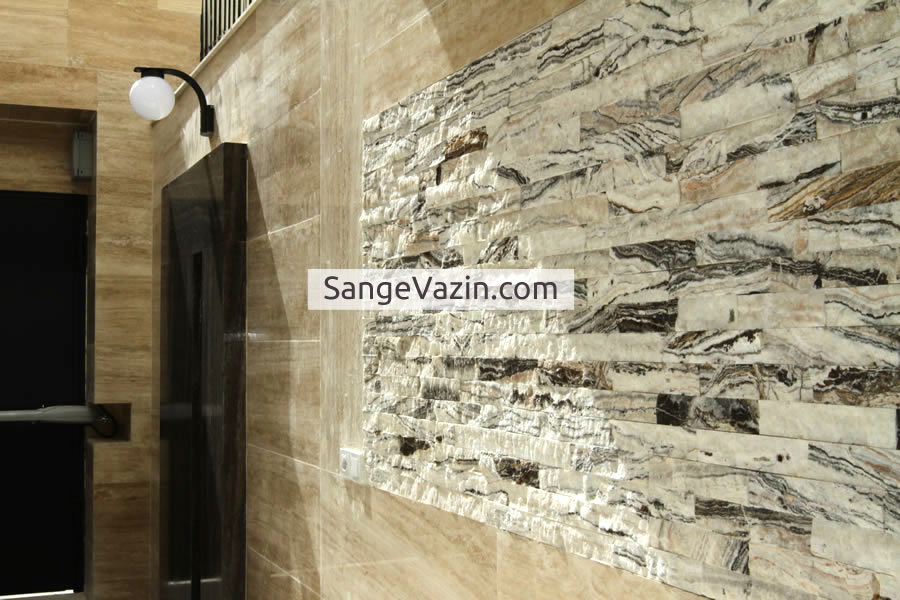
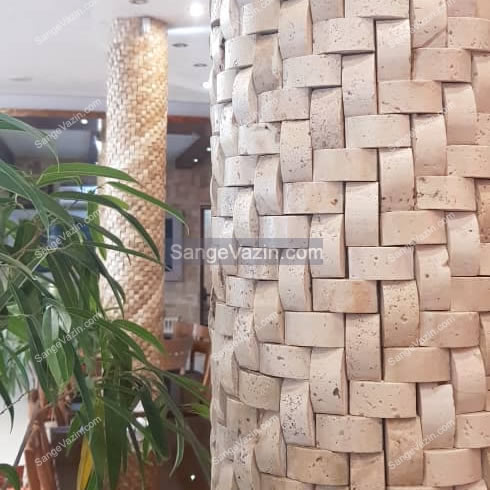
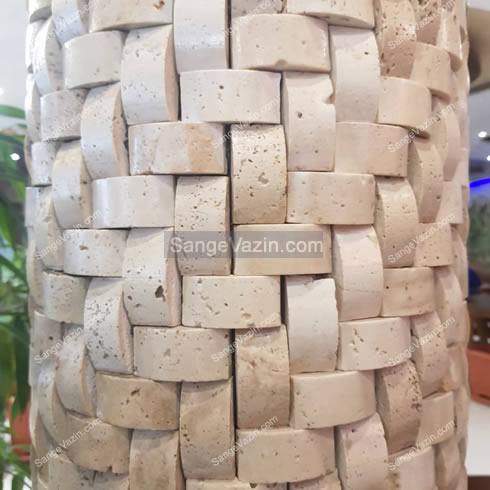
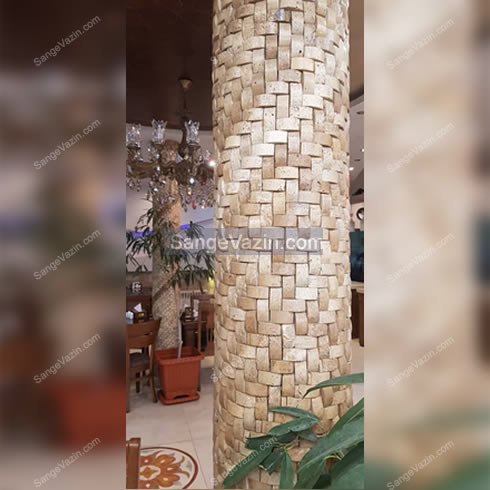
Contrary to the common belief that decorative stone cannot be installed or applied on curved and arched surfaces, the images below showcase cylindrical columns beautifully finished with decorative stone.
Disadvantages of Stacked Stone
- Dust absorption due to its porous surface
- Absorption of dirt and grease, resulting in difficult cleaning when using stacked stone in kitchens without a surface resin coating
- Potential insect accumulation within the gaps of porous stones.
Stacked Stone – Decorative Stone Price
The price of stacked stone, like other stones and stone products, depends on various factors, including the type and material of the stone, the required square meterage, and the quality of the adhesive and mesh used in the stone. According to Vazin Stone, the price of stacked stone ranges from $4 to approximately $7 per square meter. (Last updated: May 2026)
Steps for Ordering & Purchasing Stacked Stone
1/ Quantity Estimation: Calculate the required stone quantity (in square meters) needed for the project installation.
2/ Stone Selection: Select the stone material (Travertine – Marble – Onyx) and the desired type of decorative stone (Rotoy – Guillotine – Puzzle) from the available products on the Vazin Stone website.
3/ Order Placement and Proforma Invoice: Provide the seller with the specifications of your selected stone and the required quantity so that a proforma invoice for your order can be issued and sent to you.
4/ Order Finalization and Payment: After approving the proforma invoice for the purchase of stacked stone, the payment method and loading schedule will be determined. To complete your order and finalize the stone purchasing process, pay the amount stated on the proforma invoice.
What is stacked stone?
Stacked stone, also known as decorative stone, is typically produced or processed in small dimensions with textured and embossed patterns in various finishes, including roto, guillotine, 5 cm, puzzle-cut, and super-brush styles. This product can be created either by directly cutting natural stone or by utilizing broken stone pieces and stone fragments.
What types of stone are used to make stacked stone?
The majority of stacked stone products are typically made from travertine, marble, and onyx.
How much does stacked stone cost?
The price of stacked stone varies depending on several factors, including the stone type and material, the total area required, and the quality of the adhesive and mesh used in its manufacturing process. The price of Vazin Stone’s stacked stone ranges from $4 to approximately $7 per square meter. (Last updated: May 2026)
What is the difference between natural stacked stone and artificial stacked stone?
Natural: It is crafted from natural stones such as travertine, marble, and onyx, and its color typically remains stable over time without significant change.
Artificial: It is engineered using a blend of natural stone aggregates and additives such as polymers, cement, and nano-materials, designed to achieve a more controlled appearance and enhanced durability.Where is stacked stone used?
TV room wall and fireplace
Lobby wall and decorative walls
Kitchen backsplash and sink wall
Exterior walls and facades (as decorative elements)How is stacked stone installed?
Installation of stacked stone, depending on the type of wall and project conditions, is usually carried out using one of the following methods:
Grouting
Stone adhesive
Adhesive, screws, and anchorsWhat are the benefits of stacked stone?
Relatively easy installation on various wall surfaces (plaster, masonry, ceramic).
Affordable price
Variety in design, color, and quality
Resistant to extreme heat and cold
Insulating properties for damp walls
Durable against frost, fire, and abrasion
Compatible with curved surfacesWhat are the disadvantages of stacked stone and its cleaning tips?
If the stone is porous, it may absorb dust.
In applications such as kitchens, it may absorb more dirt and grease; to reduce this issue, the use of resin/sealer on the surface is usually recommended.
In the joints of porous stones, insects may accumulate.