

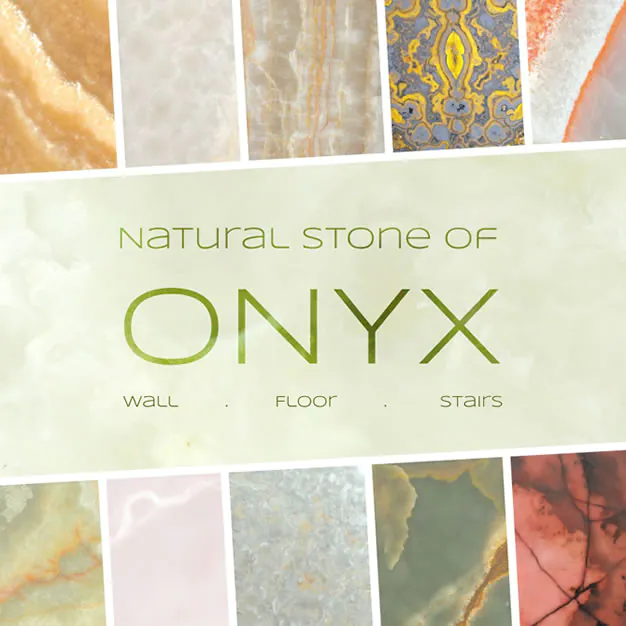
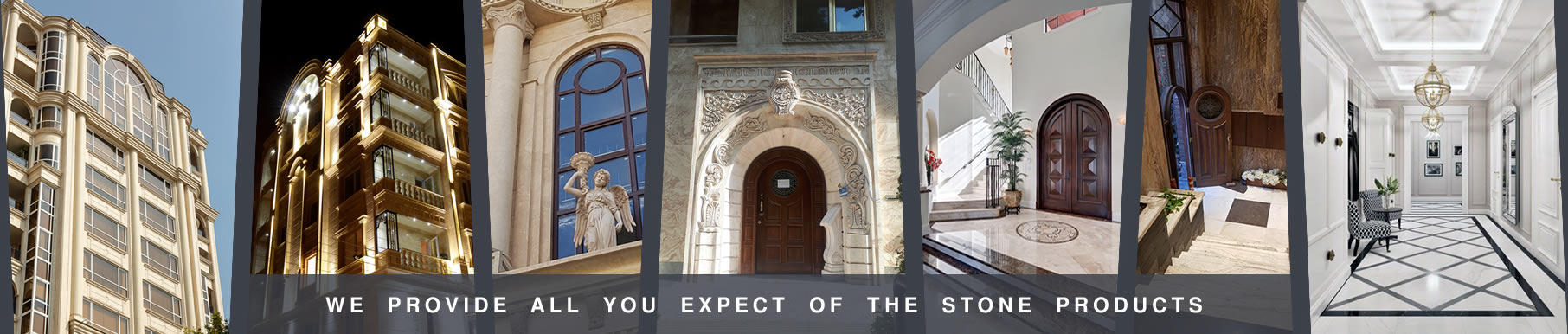

In recent years, understanding the key considerations for using crystal marble stone in outdoor spaces has become an important topic in the construction industry, as crystal marble stone has gained a special position in exterior building applications as wall stone, facade stone, and stair stone due to its light colors, beautiful patterns, and relatively good durability.
Crystal marble stones are metamorphic types of marble that retain some of the properties of marble. However, in general, crystal marble stones demonstrate significantly better resistance to outdoor conditions, such as acid rain and exposure to sunlight. Nevertheless, this alone is not sufficient; you should be familiar with the key considerations for using crystal marble in outdoor spaces.
Table of Contents
One of the key considerations when using crystal marble stone in outdoor spaces is paying attention to the type and grade of the stone. When selecting the best stone among the most popular crystal marble stones, the following factors can be taken into consideration: bending and erosion resistance and water and oil absorption. We can mention stones such as: 1) Sirjan; 2) Qorve; 3) Neyriz; 4) Aligoudarz; 5) Azna.
Thus, pay attention to the type of stone that is used. This division is purely for informational purposes. The color and pattern of stone have a vital impact on selection in the vast majority of times. We can name the stones in order of popularity and beauty: 1) Azna, 2) Aligoudarz, 3) Neyriz, 4) Sirjan, and 5) Qorve.
As a result, choosing high-quality stones without streaks is crucial to maintaining their lifespan after being used outdoors. For instance, if stones with a lot of streaks and low epoxy are used, they will crack in cold weather.
One of the key considerations when using crystal marble stone in outdoor spaces is the method of installing the stone on walls and facades. Stones can generally be installed on walls and facades using two main methods: mortar installation and mechanical anchoring. For crystal marble stone, dry facade installation is the preferred method. If you choose to install the stone using mortar, you must ensure that the back of the stone has an epoxy-coated mesh and that a specialized mortar with specific additives is used to enhance the stone’s adhesion.
Additionally, if the stone is grooved and wire is inserted for installation, the grooved areas must be properly covered with stone adhesive to prevent the mortar water from penetrating them. Otherwise, this may cause the stone to yellow and eventually lead to the stone becoming detached over time.
Only the Qorve crystal marble stone has excellent resistance to outdoor conditions among those that are appropriate for outdoor floors. Avoid using other crystal marble stones wherever possible.


For stairs, three-centimeter-thick crystal marble stones are regarded as the norm. When using crystal marble stones on stairs, the only thing to remember is to be especially mindful of low friction and slippery situations during rainy and snowy times. Therefore, appropriate stair finishes or anti-slip strips should be used.
Overall, crystal marble stone is one of the suitable stones for outdoor applications, provided that it is carefully selected and properly installed. Paying attention to the type of stone, grade, installation method, appropriate thickness, and the climatic conditions of the region are among the most important considerations when using crystal marble stone in outdoor spaces, as they affect the durability and performance of the stone. If you intend to use this stone for facades, flooring, or stairs, it is better to match the characteristics of each type of stone with your intended application before making the final selection, so that you can ensure not only its aesthetic appeal but also its durability and safety.